Ísafjarðardjúp is the broad fjord system that shapes the northern Westfjords approach to Ísafjörður, best for travelers who can slow down for fjord roads, side villages, islands, wildlife, and weather-aware planning.
Coast snapshot
Type
Large fjord system, scenic driving corridor, and northern Westfjords destination area
Region
Westfjords
Route context
Westfjords Way and Route 61 context around the approach to Ísafjörður
Typical visit
A scenic drive-through can take part of a day; it becomes stronger with a half day or overnight around Ísafjörður
Best experience
Slow the route for fjord views, Ísafjörður, Súðavík, Vigur, and weather-dependent side trips
In this guide
Ísafjarðardjúp works best if the northern Westfjords are a real part of the trip and you can let the fjord system shape the pace
Yes, if the northern Westfjords are a real part of the trip and you can let the fjord system shape the pace.
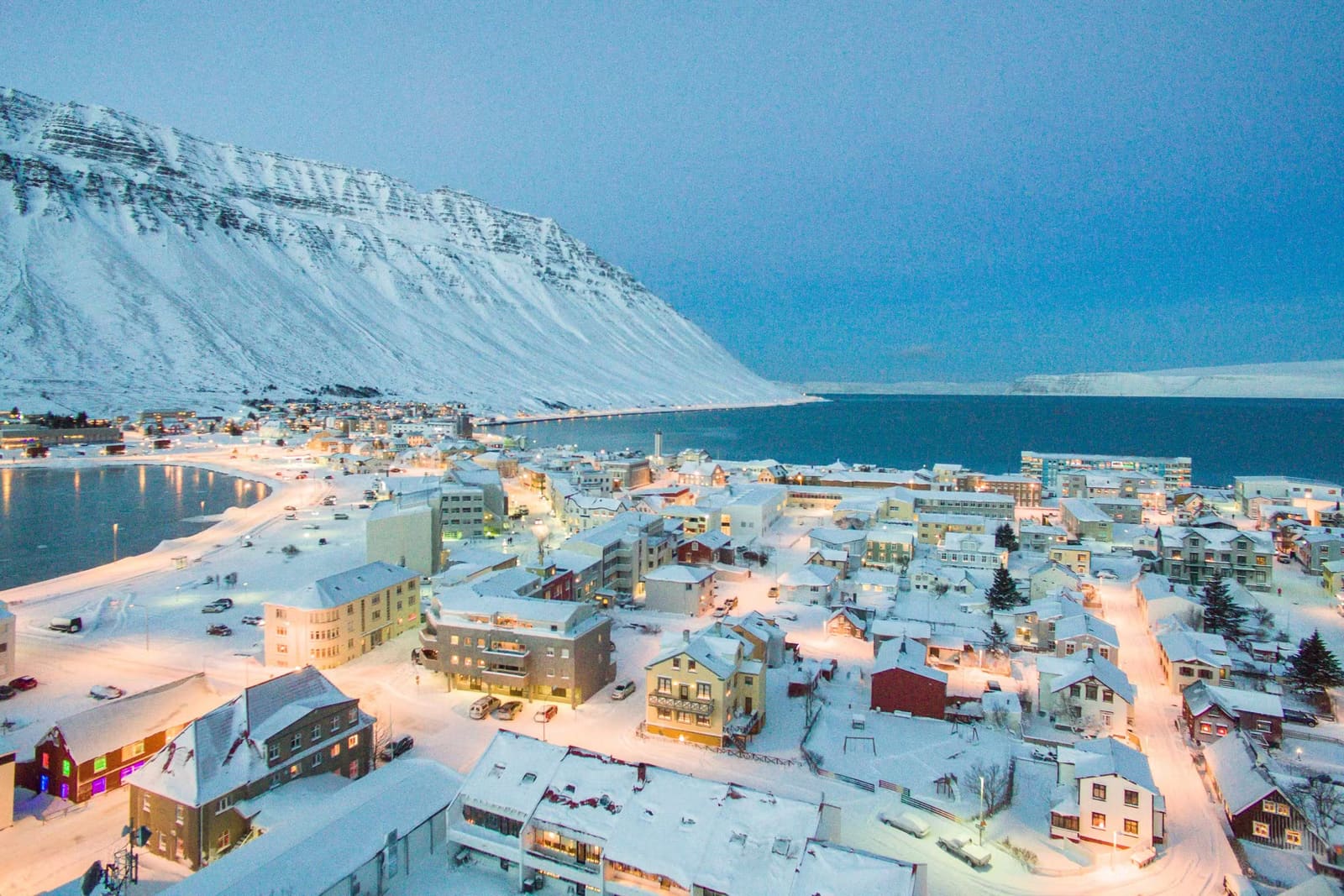
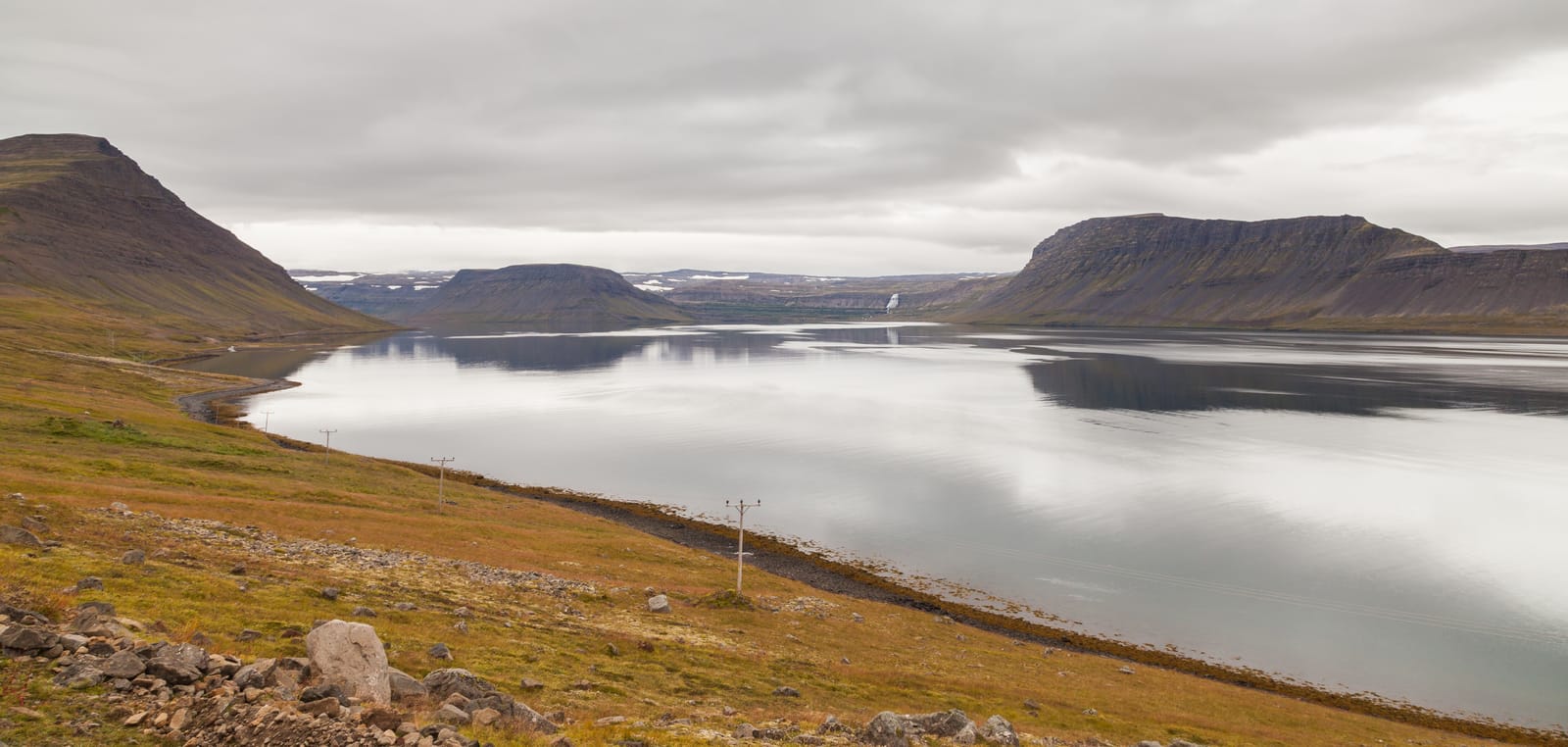
Ísafjarðardjúp is not a single viewpoint. It is the broad fjord system that gives the approach to Ísafjörður its scale: water opening and narrowing, mountains across the bay, side fjords, small settlements, birdlife, boat-access ideas, and long stretches where the landscape is the reason to slow down.
Choose Ísafjarðardjúp when your Westfjords plan has room for a slow segment around Ísafjörður, Súðavík, Vigur, Hornstrandir access, or nearby fjord roads. Leave it out of short Iceland trips where the northern Westfjords would become a rushed remote detour. The fjord system works best when the route already belongs in the Westfjords, not when it is used to justify hurrying across the whole peninsula.
Best fit: a self-drive Westfjords route with Ísafjörður as a base or overnight pause.
Good reason to slow down: fjord views, birdlife, side villages, Vigur, and boat-access planning.
Weak reason to add it: checking off another place name when the trip has no spare Westfjords time.
What does the fjord drive actually feel like?
The drive feels spacious, quiet, and longer than it looks on a map because the road follows the shape of the water.
The strongest impression is repetition with variation: another curve, another inlet, another mountain wall across the water. That can feel hypnotic on a clear day and demanding in poor visibility. The point is not speed. The fjord rewards travelers who can pause for scale instead of measuring the area only by arrival time in Ísafjörður.
Route 61 and the wider Westfjords Way context make Ísafjarðardjúp useful for self-drivers, but public planning should stay flexible. Road conditions, wind, precipitation, daylight, and local advice matter more here than a fixed sightseeing checklist.
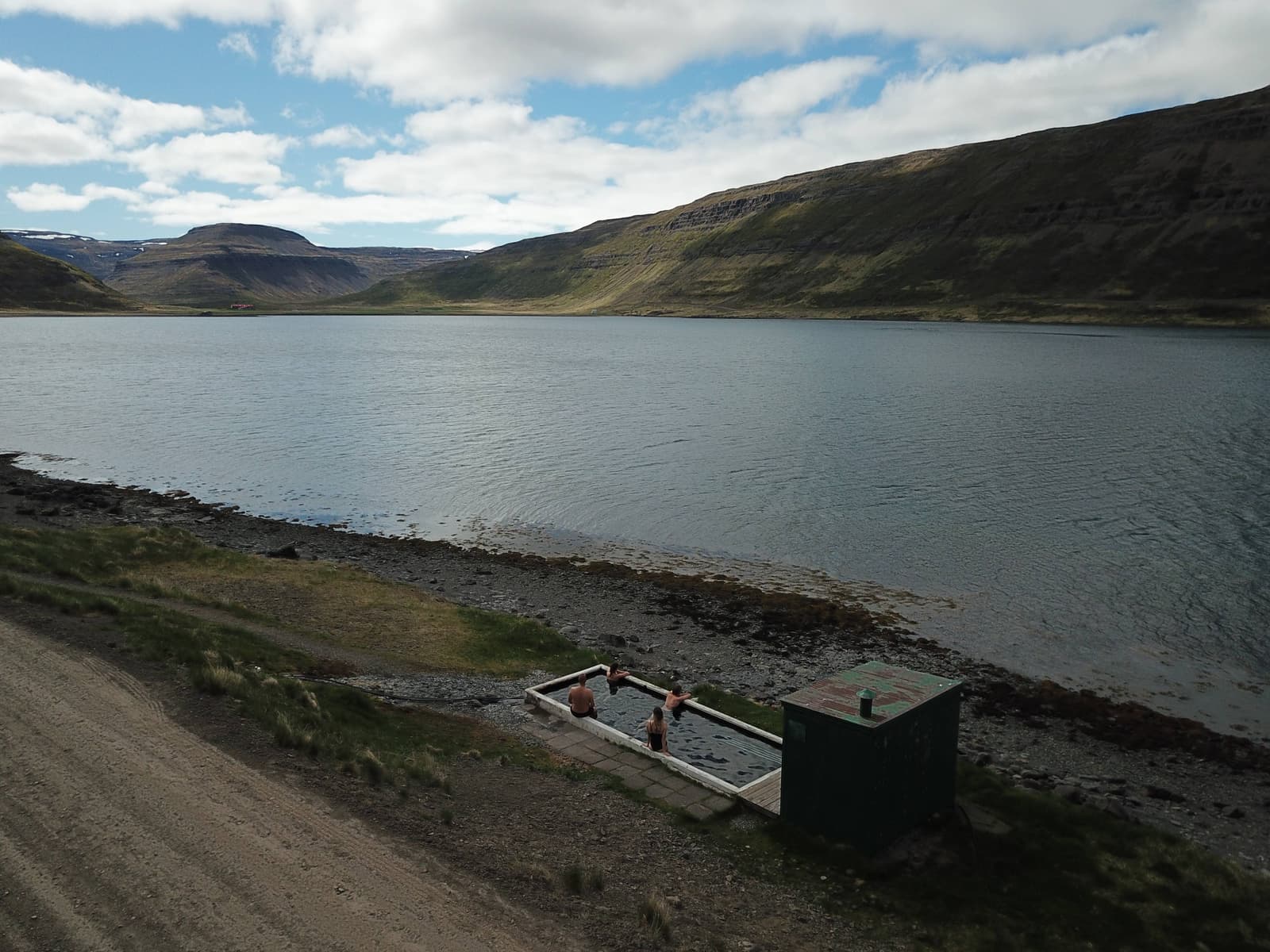
The fjord-drive feeling here is spacious and slow, with water, mountains, and long curves shaping the journey.The drive around Ísafjarðardjúp is less about speed and more about following the water, the curves, and the changing weather.
Which stops make Ísafjarðardjúp more than scenery?
Choose a small set of stops that match your route, instead of trying to collect every fjord name around the water.
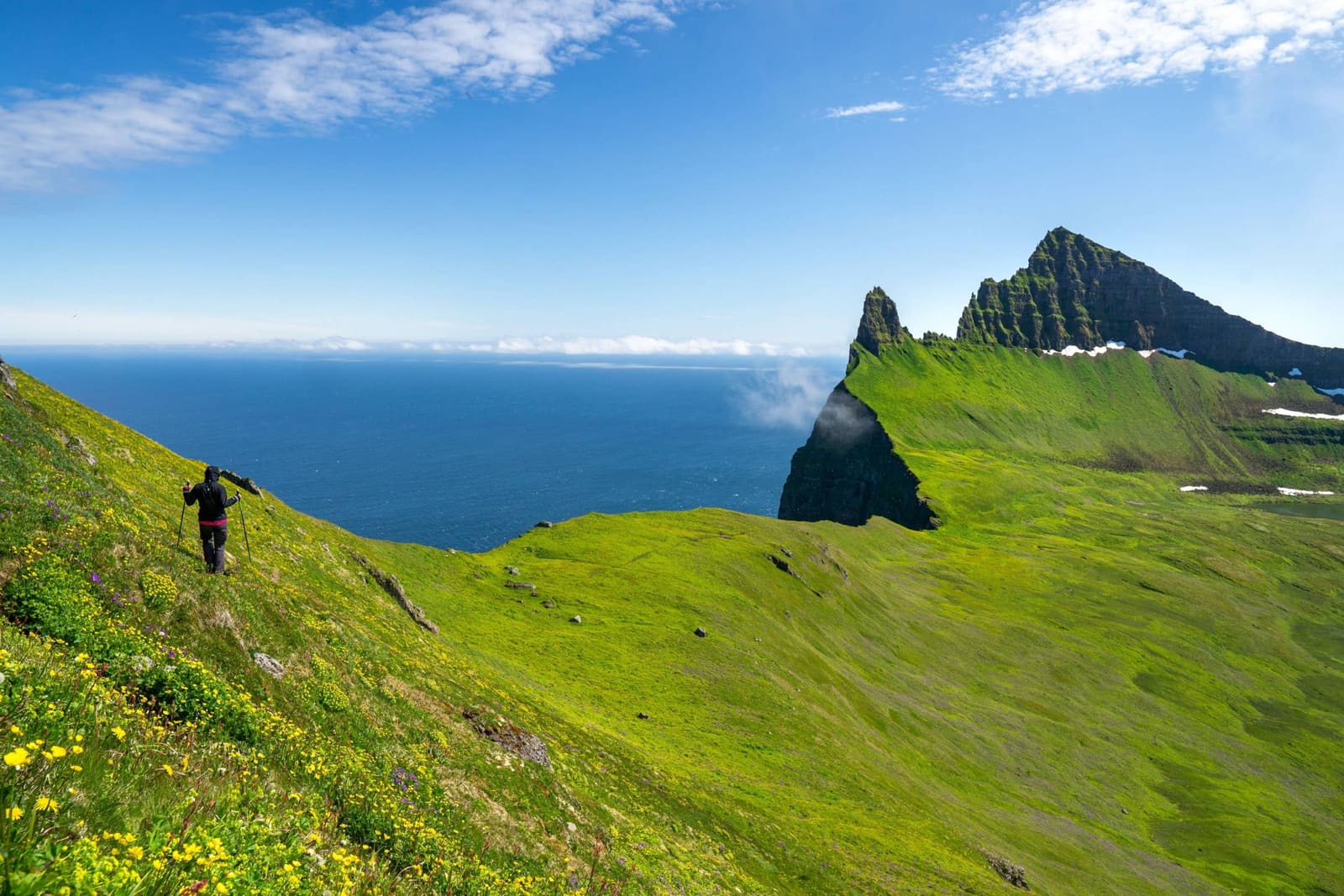
Ísafjörður is the practical anchor, especially if you want a town walk, harbor context, museums, food, or a base for harder side trips. Súðavík adds a quieter village and Arctic fox context. Vigur turns the fjord into a birdlife and island decision when boat details fit. Hornstrandir is the remote leap beyond the fjord, but it should be planned as its own weather and access commitment.
How to choose stops around Ísafjarðardjúp.
Traveler need
Best fit
Why it works
A base with services and culture
Ísafjörður
It gives the fjord system a practical center instead of making the route all road.
Wildlife and island texture
Vigur or Súðavík
They add birdlife, local culture, and nature context without pretending the whole fjord is one stop.
Remote wilderness
Hornstrandir
It belongs after access, weather, boat, and outdoor-skill checks are realistic.
A stronger scenic anchor nearby
Dynjandi or Látrabjarg
They work as bigger Westfjords headline stops when the route extends beyond the fjord system.
For most travelers, one town/base stop and one nature or wildlife stop is enough for the Ísafjarðardjúp part of the day. Add more only if the route has real daylight and the next overnight is close.
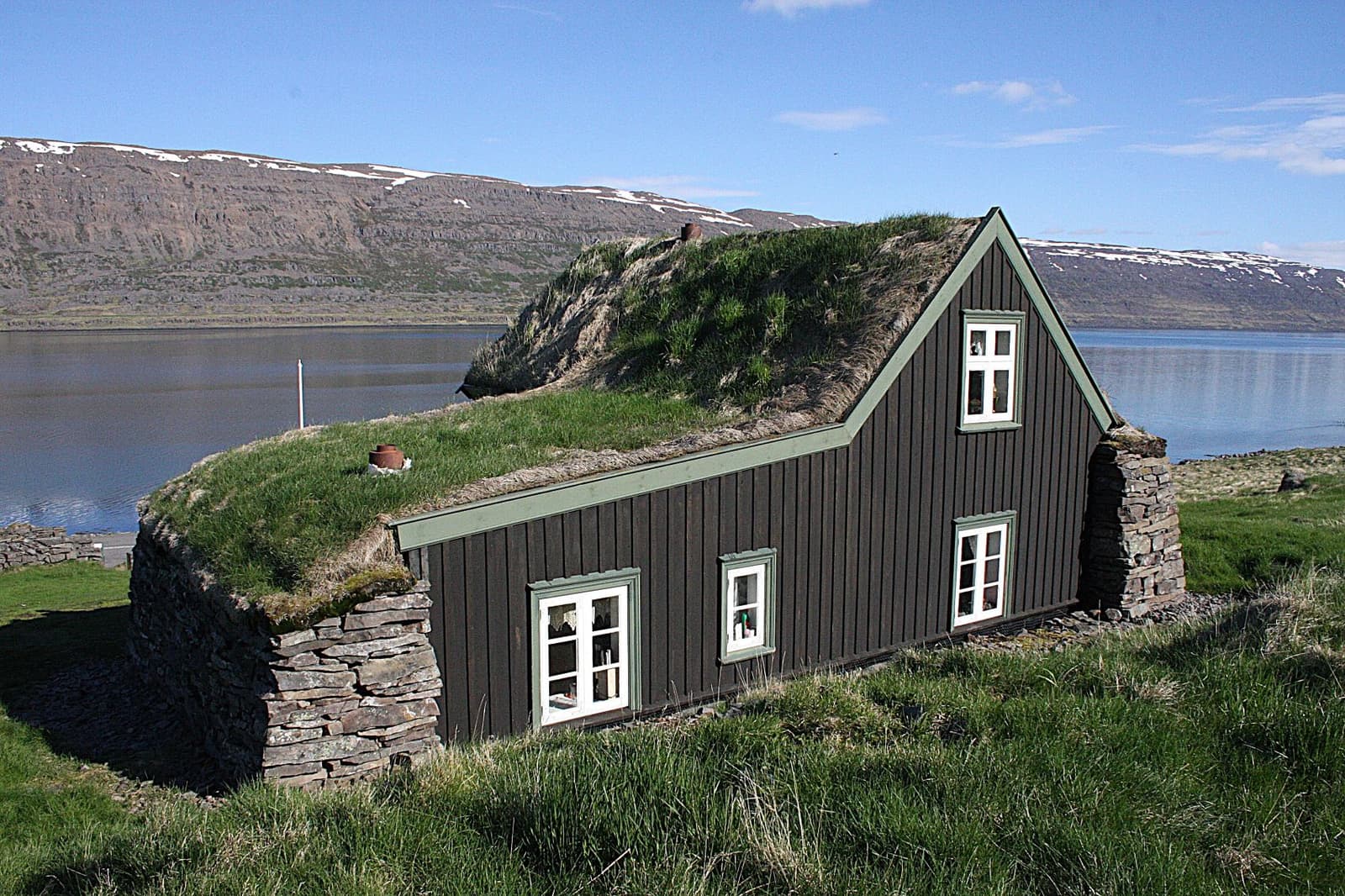
Vigur is a practical and memorable stop in Ísafjarðardjúp when the route has time for an island visit.
A drive-through can fit into a Westfjords transfer, but Ísafjarðardjúp becomes more useful with half a day or an overnight around Ísafjörður
A drive-through can fit into a Westfjords transfer, but Ísafjarðardjúp becomes more useful with half a day or an overnight around Ísafjörður.
If you are only passing along Route 61, treat the fjord as a scenic approach and avoid loading the day with fragile extras. If you want the fjord to feel like a destination, sleep in or near Ísafjörður, then choose Vigur, Súðavík, local museums, valley walks, or a Hornstrandir plan according to conditions.
Quick pass-through: keep stops simple and leave margin for weather and slow curves.
Half-day rhythm: pair Ísafjörður with one nearby fjord, village, viewpoint, or museum-style stop.
Overnight rhythm: use Ísafjörður as the base for Vigur, Hornstrandir, Dynjandi, or a slower northern Westfjords day.
Winter-style and shoulder-season plans need more caution. The page should help you choose the shape of the visit, but final decisions belong to official road, weather, safety, and operator sources.
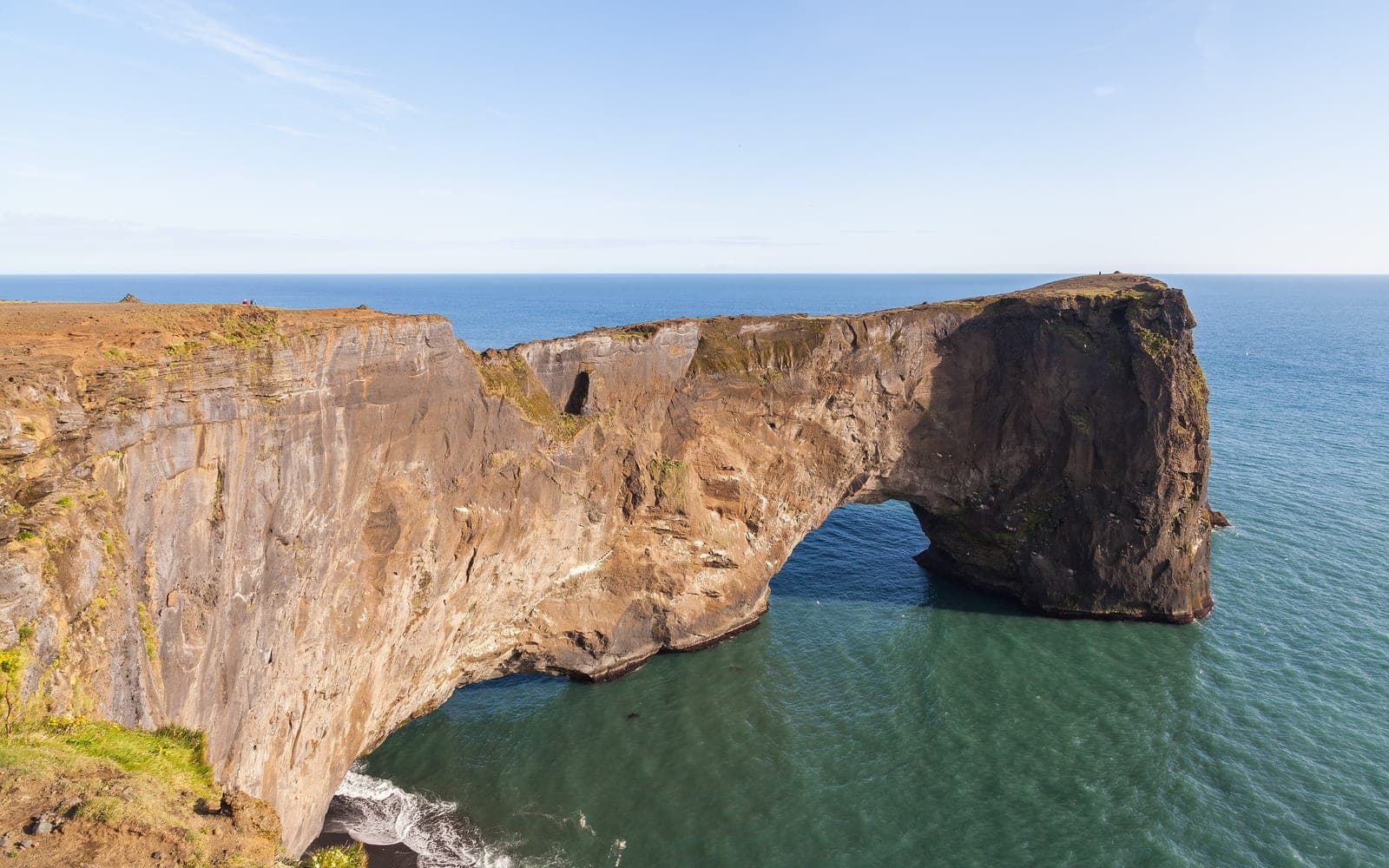
A broad Ísafjarðardjúp scene that matches the case for slowing down and making the fjord part of a Westfjords route.Ísafjarðardjúp works best when the visit has real time behind it, such as a longer kayak or overnight-style plan.If you stay longer, Ísafjörður is the most practical base for Vigur, Hornstrandir access, and slower fjord planning.
Ísafjarðardjúp: the best pairings depend on whether your priority is a base town, remote nature, wildlife, or the wider Westfjords route
The best pairings depend on whether your priority is a base town, remote nature, wildlife, or the wider Westfjords route.
Use the Westfjords region guide when you are still deciding whether this whole part of Iceland deserves the time. Use Ísafjörður when the question is where to pause or stay. Use Hornstrandir when the fjord plan turns into a boat-access wilderness decision. Use Dynjandi or Látrabjarg when you need to compare Ísafjarðardjúp against the more famous Westfjords anchors.
Use Ísafjarðardjúp as one anchor within a wider Westfjords plan, not as the only stop on the map.
Ísafjarðardjúp: use this guide for durable planning judgement, then let official and operator sources decide the exact route and timing
Use this guide for durable planning judgement, then let official and operator sources decide the exact route and timing.
Before committing, check official road information for Route 61 and other Westfjords roads, the Icelandic Met Office for the Westfjords forecast, SafeTravel for safety guidance, Visit Westfjords for regional visitor context, and any boat or activity operator if Vigur, Hornstrandir, or a guided outing is part of the plan.
Use for travel-condition and preparation guidance.
Ísafjarðardjúp FAQ
Most questions come down to whether the fjord is a slow destination area or just part of a Westfjords transfer.
Is Ísafjarðardjúp a single attraction?
No. It is a large fjord system in the Westfjords. Travelers experience it through the road, views, towns, side fjords, islands, and nearby access points rather than through one entrance or viewpoint.
Is Ísafjarðardjúp worth visiting on a first Iceland trip?
Yes, if the first trip already includes a meaningful Westfjords segment. On a short route focused on easier regions, it is usually too remote to add casually.
Should you stay in Ísafjörður for Ísafjarðardjúp?
Staying in or near Ísafjörður makes the fjord system easier to enjoy because it gives you time for local stops, condition checks, and optional side trips.
Can you visit Vigur or Hornstrandir from Ísafjarðardjúp?
They can fit the wider fjord plan, but both depend on boat or operator details, weather, and timing. Treat them as separate planning decisions, not automatic add-ons.