City stop snapshot
- Type
- Open-air murals and public art
- Region
- Central Reykjavik and harbor areas
- Best for
- Self-guided city walks
- Time
- About 45 to 120 minutes
- Nearby
- Laugavegur, Hallgrimskirkja, Old Harbour
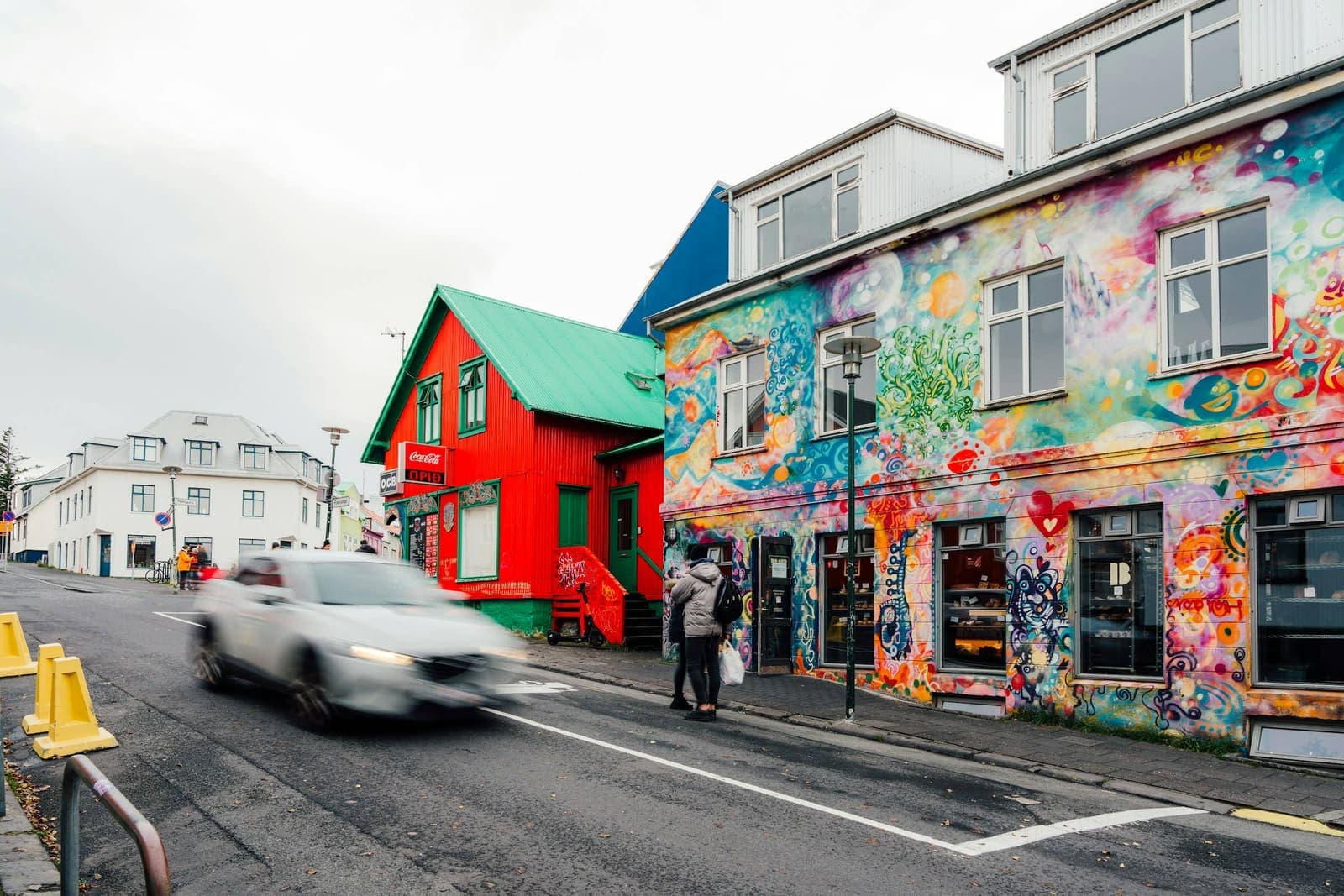
Reykjavik city murals and street art work best as a walkable public-art layer on a capital day, especially for travelers who like side streets, changing walls, harbor districts, and easy cultural stops between bigger landmarks.
City stop snapshot
Yes, if you enjoy wandering, photography, design, or small urban surprises. Reykjavik's murals are less a single attraction than a changing open-air route through the capital's streets, harbor edges, and creative districts.
The best way to use this page is to treat Reykjavik city murals and street art as a flexible layer on a city day. Let Laugavegur Street, Skólavörðustígur, Grandi, and the Old Harbour give the walk its shape, then let individual walls become the discoveries between stronger anchors.
The stop is most convincing when your plan already includes Hallgrimskirkja, the Sun Voyager, Reykjavik Art Museum Hafnarhús, or the Settlement Exhibition. It is less convincing as a stand-alone detour on a day built around waterfalls, glaciers, or a tight countryside drive.
Photo guide
1 / 2
The best route is loose enough to notice unexpected wall works off the main streets.
The easiest visitor route starts around Laugavegur and Hverfisgata, climbs toward Skólavörðustígur and Hallgrimskirkja, then shifts west toward Grandi and the Old Harbour if you want a longer walk.
Laugavegur and nearby Hverfisgata are the simplest starting point because they already sit inside many Reykjavik days. Side streets, shopfronts, bars, and small courtyards make the mural hunt feel natural instead of like a forced detour.
Skólavörðustígur adds the rainbow-painted street and easy access to Hallgrimskirkja. Grandi and the Old Harbour add larger wall works, warehouse scale, harbor views, and good pairings with Hafnarhús or waterfront walks.
| Area | Best use | Pair nearby |
|---|---|---|
| Laugavegur and Hverfisgata | Easy first mural hunt | Shops, cafes, Sun Voyager |
| Skólavörðustígur | Short colorful climb | Hallgrimskirkja |
| Grandi | Bigger wall works | Old Harbour and Hafnarhús |
| Old Harbour | Waterfront art walk | Harpa and harbor museums |
Reykjavik street art is not a fixed museum collection. City sources describe a changing map where works appear, disappear, move into new neighborhoods, or become part of development-area public art.
That impermanence is the main planning caution. A mural you saw in a photo may have been repainted, partly blocked, or replaced by the time you arrive. Weather, construction, and new commissions all shape what the walk feels like.
It is also the reason the experience can feel alive. Reykjavik City describes public street art as part of daily life, not only something hung in galleries. For travelers, the useful mindset is curiosity rather than completion.
Give yourself about 45 minutes for a compact downtown look, or up to two hours if you want Grandi, Old Harbour, photo stops, and time to drift into side streets.
A short version can run between Laugavegur, Hverfisgata, Skólavörðustígur, and Hallgrimskirkja. That gives you color, easy navigation, and a clear endpoint without turning the day into a scavenger hunt.
A longer version belongs in a slow Reykjavik day. Add Grandi and Old Harbour when you also want waterfront texture, Reykjavik Art Museum Hafnarhús, a harbor meal, or a calmer pace after bigger guided sightseeing.
Choose murals when you want the city itself to be the attraction. Choose a museum, church, or viewpoint when you need a clearer indoor plan, a landmark photo, or more predictable structure.
The murals are not a replacement for every Reykjavik attraction. Their value is that they turn ordinary walking time into a visual route, especially between places you already meant to visit.
This is an easy city walk, but it is still outdoors. Wind, rain, snow, ice, low winter light, construction fencing, and busy pavements can change how much fun the route feels.
In summer, long daylight makes it easier to add side streets and harbor extensions. In winter, keep the walk shorter, use grippy footwear when pavements are slick, and choose one warm indoor stop nearby.
Because the art sits on active streets and buildings, do not rely on one exact mural as the whole reason to go. Check the Reykjavik street-art map, then build a route that still works if a wall has changed.
The murals are useful because they connect quick sightseeing with Reykjavik's wider visual-art culture. They sit outside museums, but they still belong to the same city conversation about art in public space.
Reykjavik City describes public artworks as part of urban character, and the city art museum system gives the capital a formal visual-arts backbone. Street art adds the looser, outdoor version of that identity.
That makes the route a good bridge between casual sightseeing and a more cultural Reykjavik day. Pair the murals with Hafnarhús for contemporary art, Kjarvalsstaðir for Icelandic painting, or Klambratún Park if you want art plus green space.
By ThorPublished Updated
Use these sources for route shape, changing mural locations, and the wider public-art context before building the walk into a Reykjavik day.
Best for understanding why the city map changes and why not every work is permanent.
Best for visitor-friendly clusters such as Laugavegur, Skólavörðustígur, Grandi, and Old Harbour.
Useful for the wider city commitment to public art in urban spaces.
Map
Use nearby places and useful bases before opening directions.
Interactive planning map for Reykjavik City Murals and Street Art
Interactive map
Place context and external map links remain available without loading it.
Planning context
Open the region or practical guide that resolves the next planning decision.
Wider route
Use broader place relationships for route comparison; they are not presented as immediate nearby stops.
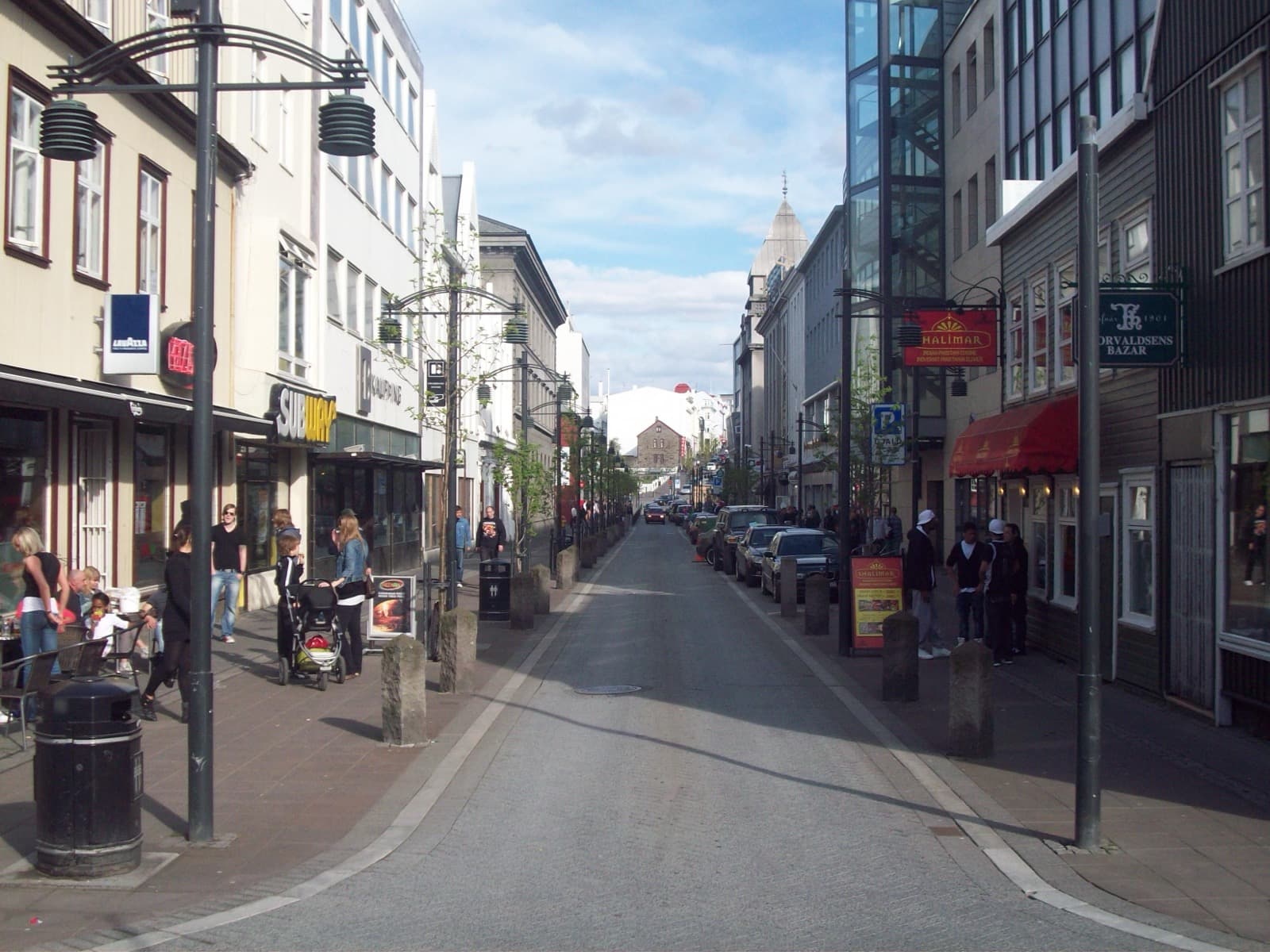
Austurstræti is a compact downtown Reykjavík street best used as part of an old-center walk between Lækjartorg, Ingólfstorg, Parliament, shops, cafes, nearby museums, and stronger city landmarks nearby.
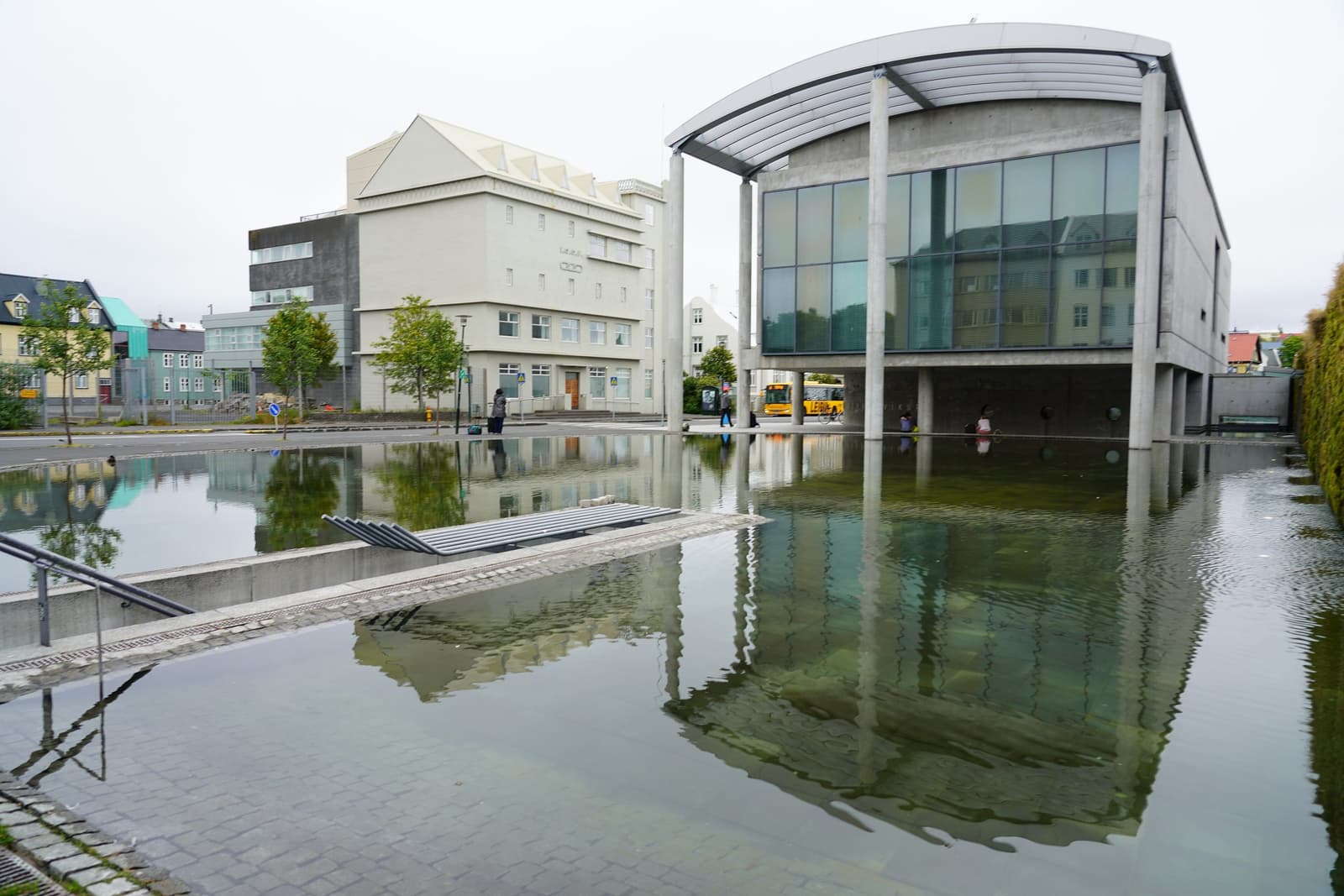
Reykjavík City Hall stands partly over Tjörnin, joining a working civic building with a public hall and a large three-dimensional replica of Iceland. It is a compact downtown landmark rather than a major museum visit.
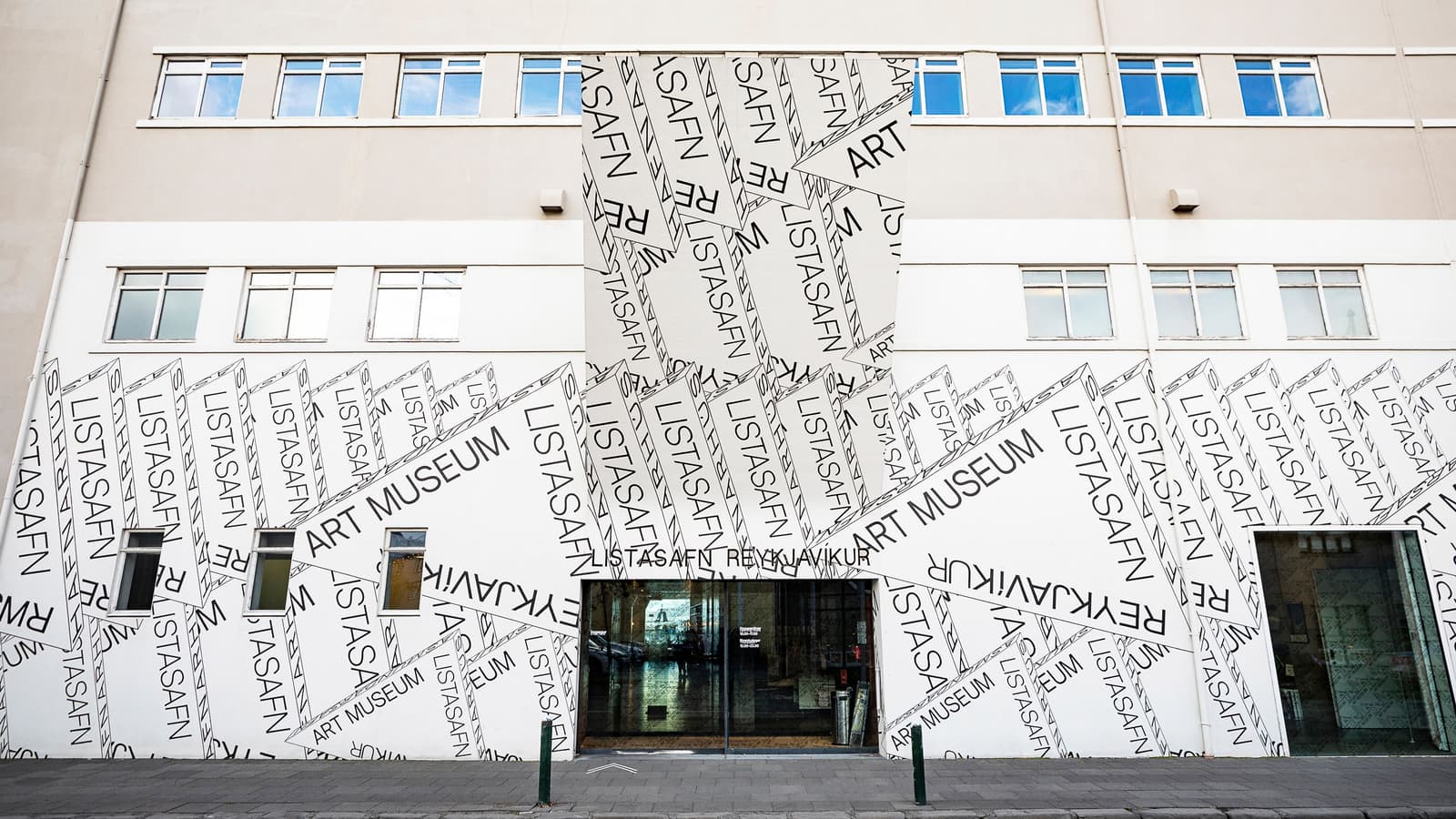
Hafnarhús is Reykjavík Art Museum's contemporary-art venue in a former harbor warehouse. Come for changing exhibitions and works by Erró; the building itself adds a clear link to the city's working waterfront.
Aðalstræti and the Settlement Exhibition is a compact Reykjavík museum built around Viking-age remains, useful when a city day needs history, indoor shelter, and a clear decision on whether museum time beats another outdoor landmark.
Next step
Use the next page that helps turn this stop into a practical route decision.