Culture snapshot
- Type
- City square and food-hall node
- Region
- Central Reykjavík, east Laugavegur
- Best for
- Food, orientation, short city pauses
- Role
- Context stop, not must-see
- Nearby
- Laugavegur, Sundhöllin, Hallgrímskirkja
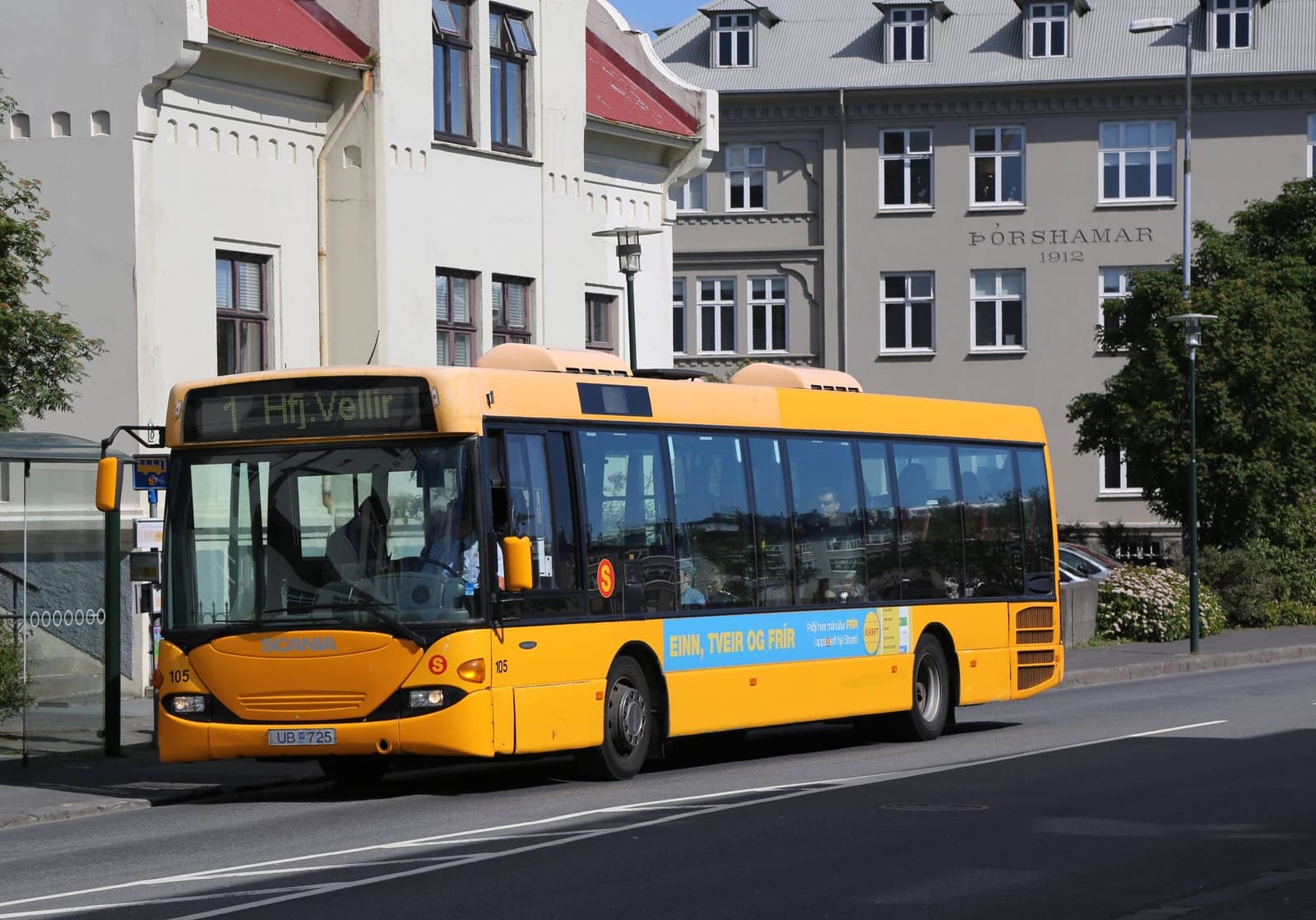
Hlemmur helps Reykjavík visitors make sense of the east end of Laugavegur, a former bus-terminal area now known for a food hall, public-space changes, transport checks, and practical city orientation.
Culture snapshot
Hlemmur is worth understanding as a city node at the east end of Laugavegur, not as a classic attraction you need to chase.
Travelers usually meet the name in three ways: walking the upper end of Laugavegur, looking for Hlemmur Mathöll, or checking old and current bus information around a former terminal area. That mix makes Hlemmur useful, but it also makes expectations important.
If you are already nearby, it can be a sensible place to pause, eat, orient yourself, or decide whether to continue toward Sundhöllin, Hallgrímskirkja, the waterfront, or Klambratún. If your Iceland time is mostly landscapes and road trips, Hlemmur can stay as background knowledge.
The useful story is how several public identities overlap in one small Reykjavík place-name.
Hlemmur Mathöll describes itself as Reykjavík's first food hall, and visitor information places it in the former central bus-station building on Hlemmur square. That makes the building more useful than a normal restaurant listing: it explains why travelers see Hlemmur in food, bus, city-walk, and redevelopment contexts.
Reykjavík City also describes Hlemmur as a public-space project connected with walking, cycling, planting, seating, infrastructure, and CityLine development. Treat that as planning context rather than a finished visitor promise. Access, works, traffic flow, and bus arrangements can change as the area evolves.
Hlemmur works best as a pivot point: a place to decide what kind of Reykjavík hour you want next.
For a simple downtown route, start or finish a Laugavegur walk here. Continue west if you want shops, cafes, and street life. Turn toward Sundhöllin if a swim or soak fits the day. Aim toward Hallgrímskirkja when you want a stronger landmark and city-view context.
If weather is poor, luggage is awkward, or construction makes the area less pleasant, keep the stop practical. Eat if the food hall suits the group, check the bus or walking route you actually need, and move on without trying to make Hlemmur carry the whole city day.
Hlemmur's fragile details are exactly the details travelers may try to use, so check them close to your visit.
Use Reykjavík City for current public-space and construction information, Strætó for bus routes and stop changes, and Hlemmur Mathöll for food-hall vendors, service, seating, and practical details. Do not rely on old guidebook wording that treats Hlemmur as a stable bus terminal.
The honest practical value is modest but real. Hlemmur can make a Reykjavík walk easier to understand, and it can be useful for food or orientation. It is not a reason to shorten a major landscape day outside the capital.
Municipal information supports Hlemmur's public-square identity and the need to check current city project details.
Operator information supports Hlemmur Mathöll's public identity while service details should be confirmed before going.
Official visitor information supports the food-hall context in the former central bus-station building.
Transport information supports checking current bus routing and stop changes before relying on Hlemmur for transit.
By ThorPublished Updated
Map
Use nearby places and useful bases before opening directions.
Interactive planning map for Hlemmur
Interactive map
Place context and external map links remain available without loading it.
Planning context
Open the region or practical guide that resolves the next planning decision.
Wider route
Use broader place relationships for route comparison; they are not presented as immediate nearby stops.
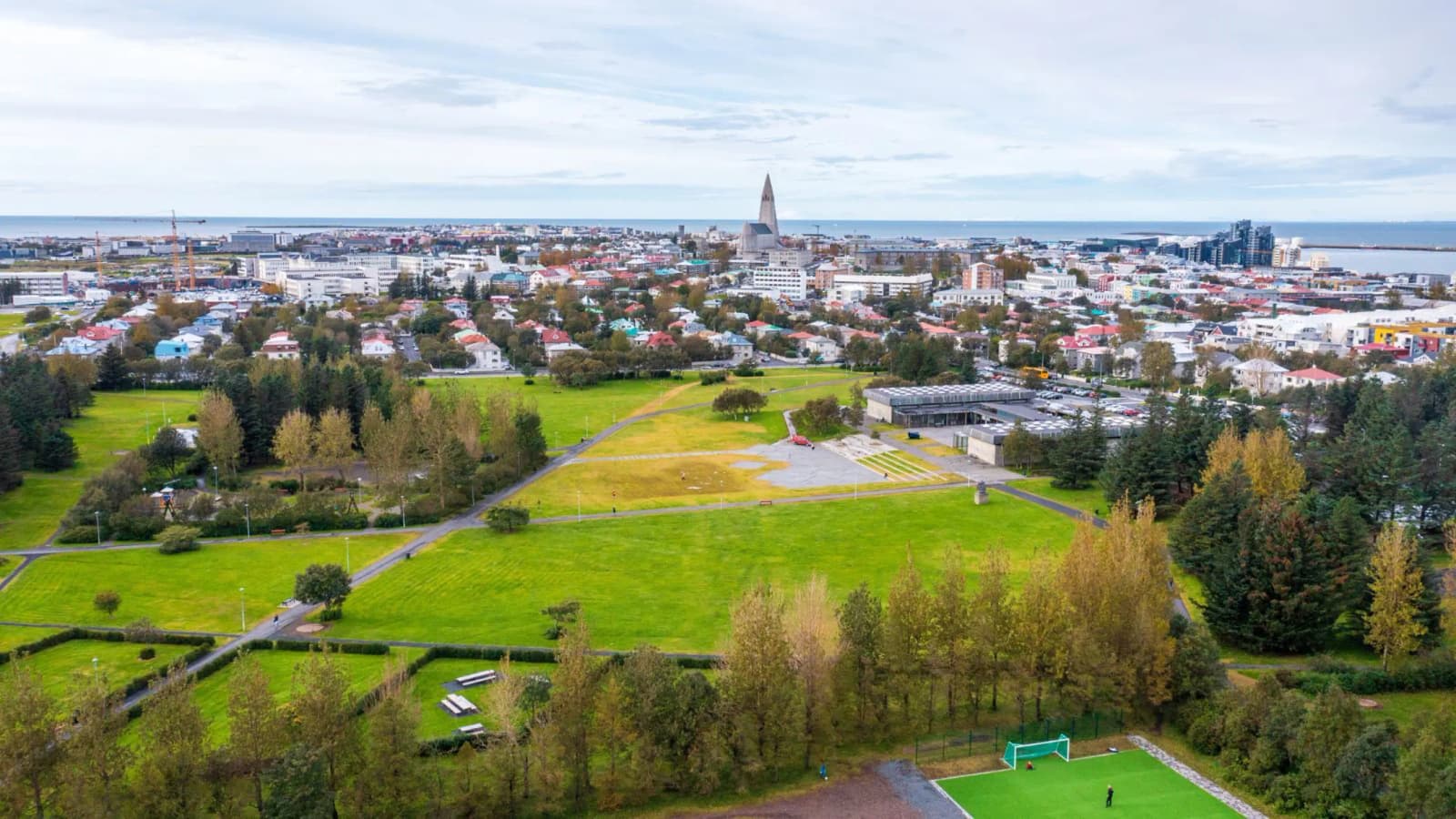
Klambratún Park helps Reykjavík travelers decide whether a central green-space pause, playground break, casual sports stop, or Kjarvalsstaðir pairing belongs between the capital's bigger landmarks and indoor plans.
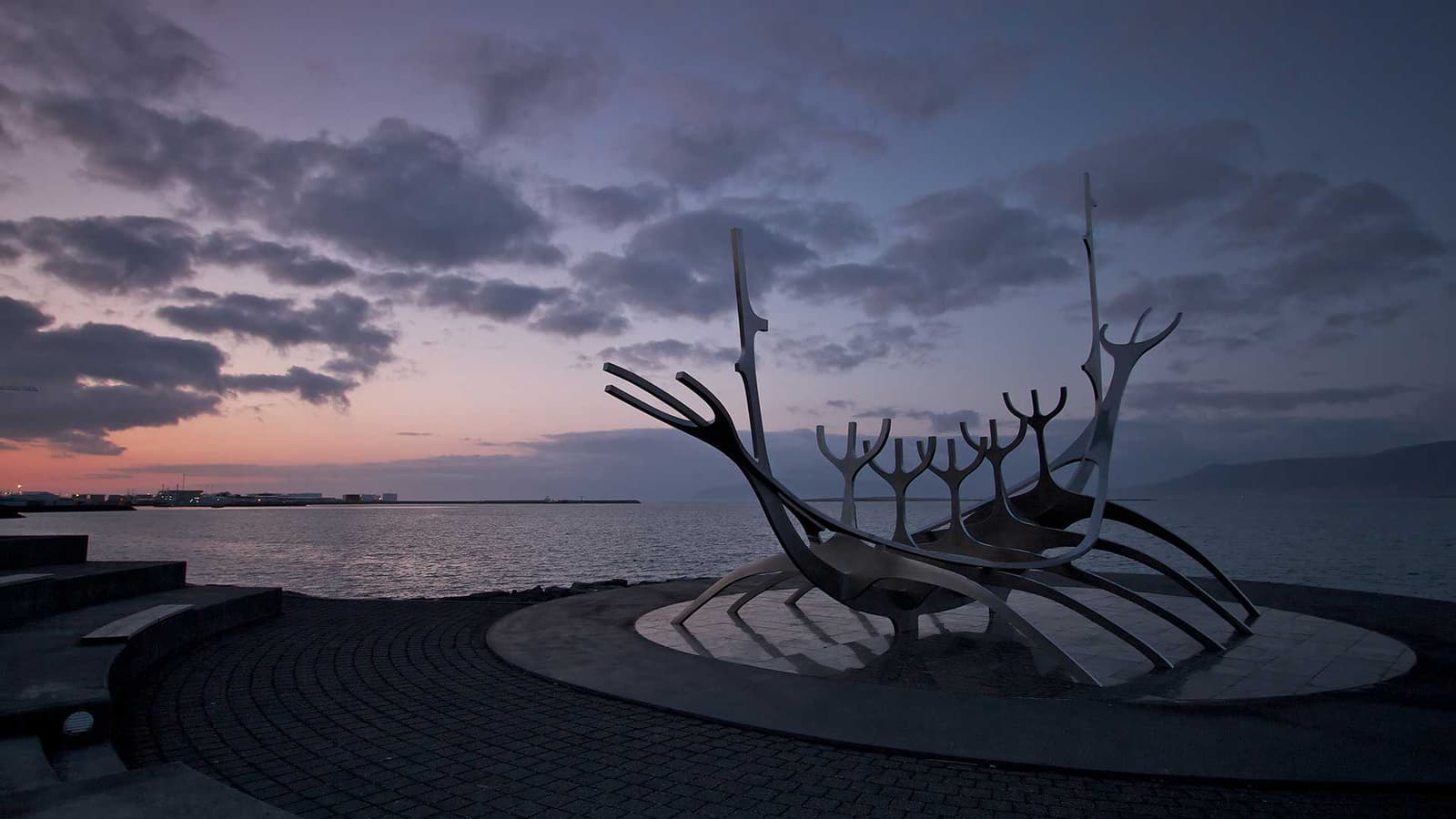
Sun Voyager is Reykjavík’s waterfront steel sculpture, useful as a short city-walk stop when you want art, bay views, and a clear sense of whether the photo pause deserves more than a few minutes.
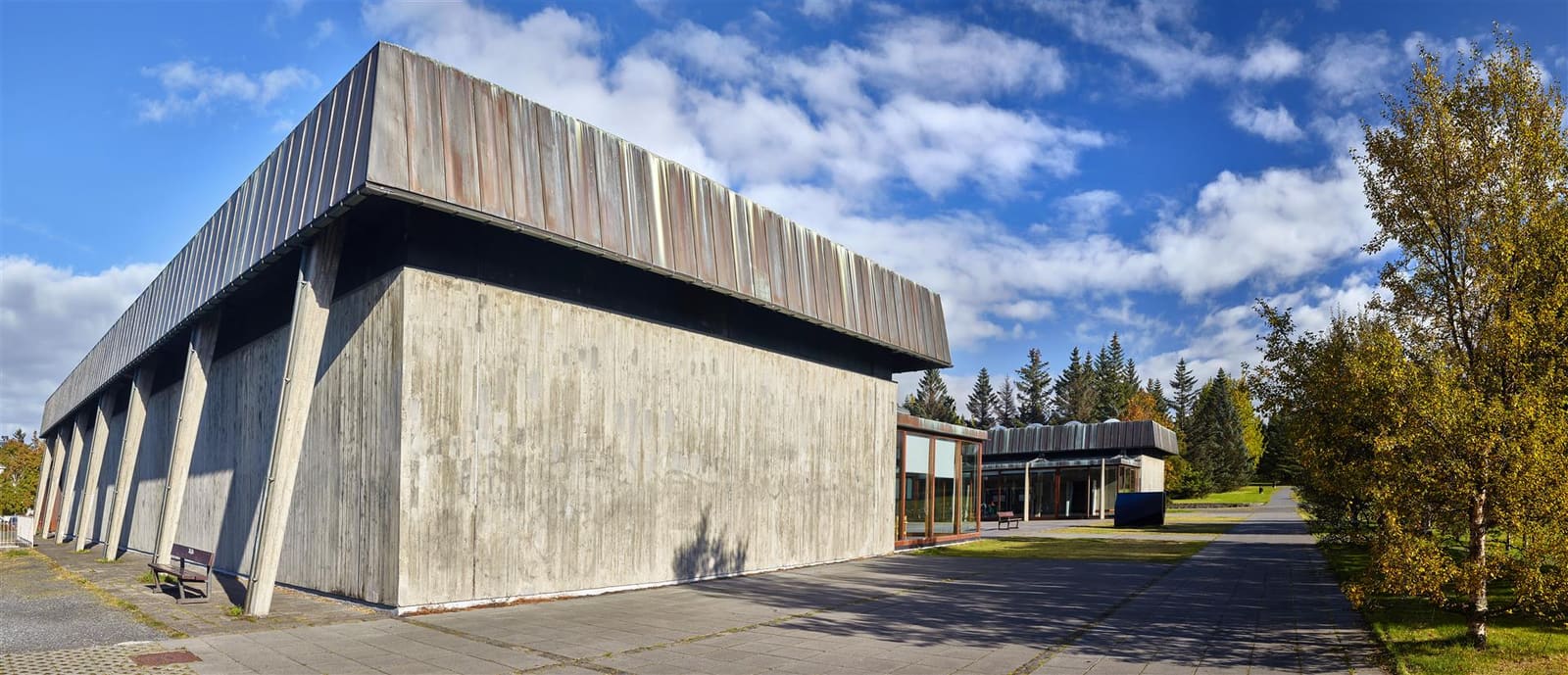
Kjarvalsstaðir is one of the three Reykjavík Art Museum locations. It focuses on Jóhannes S. Kjarval and Icelandic modern art in a low modernist building beside Klambratún park.