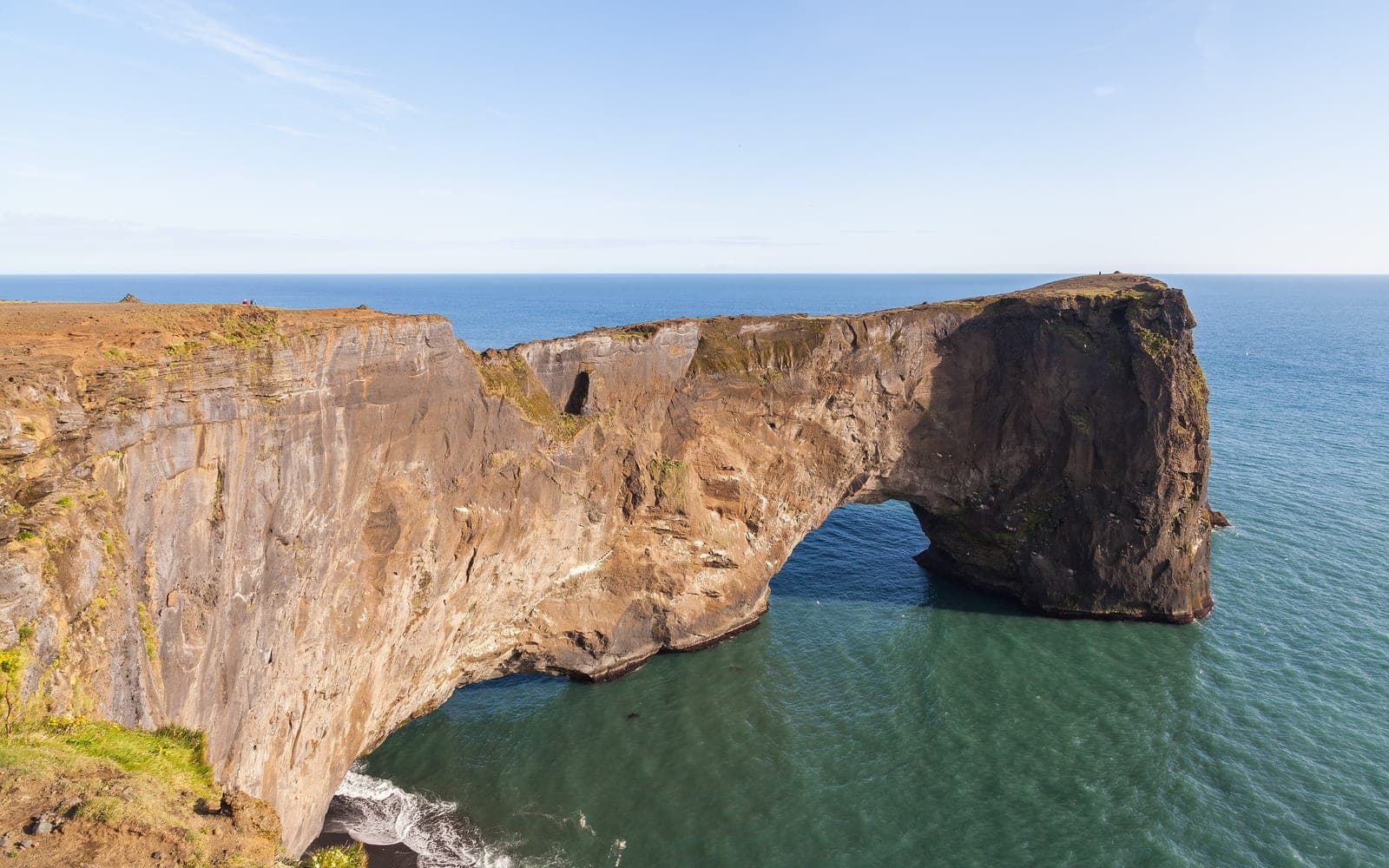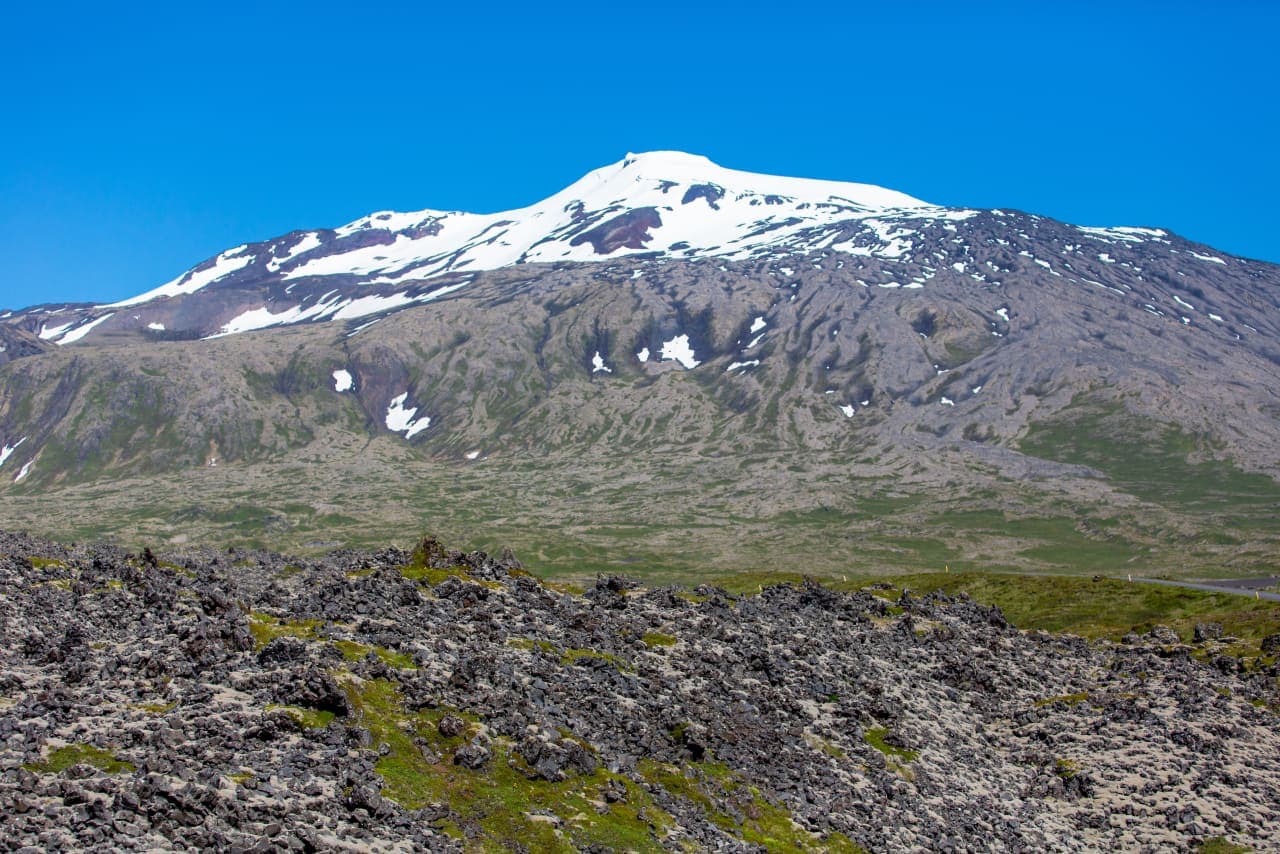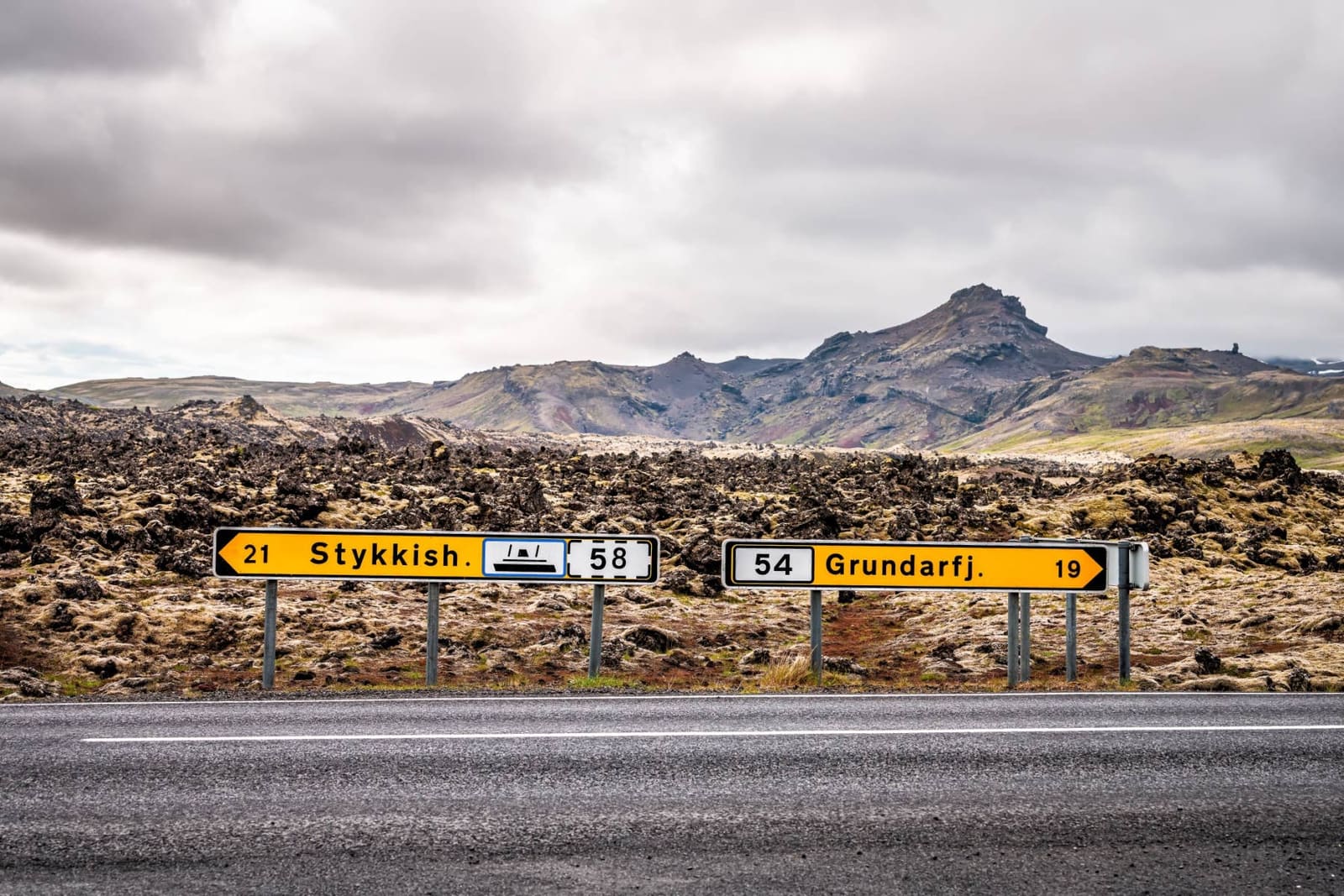
Church details
- Type
- Historic black church
- Region
- Búðir, south Snæfellsnes
- Best for
- Photos, heritage, and route texture
- Time
- About 20 to 45 minutes
- Check first
- Access, events, weather, and conduct
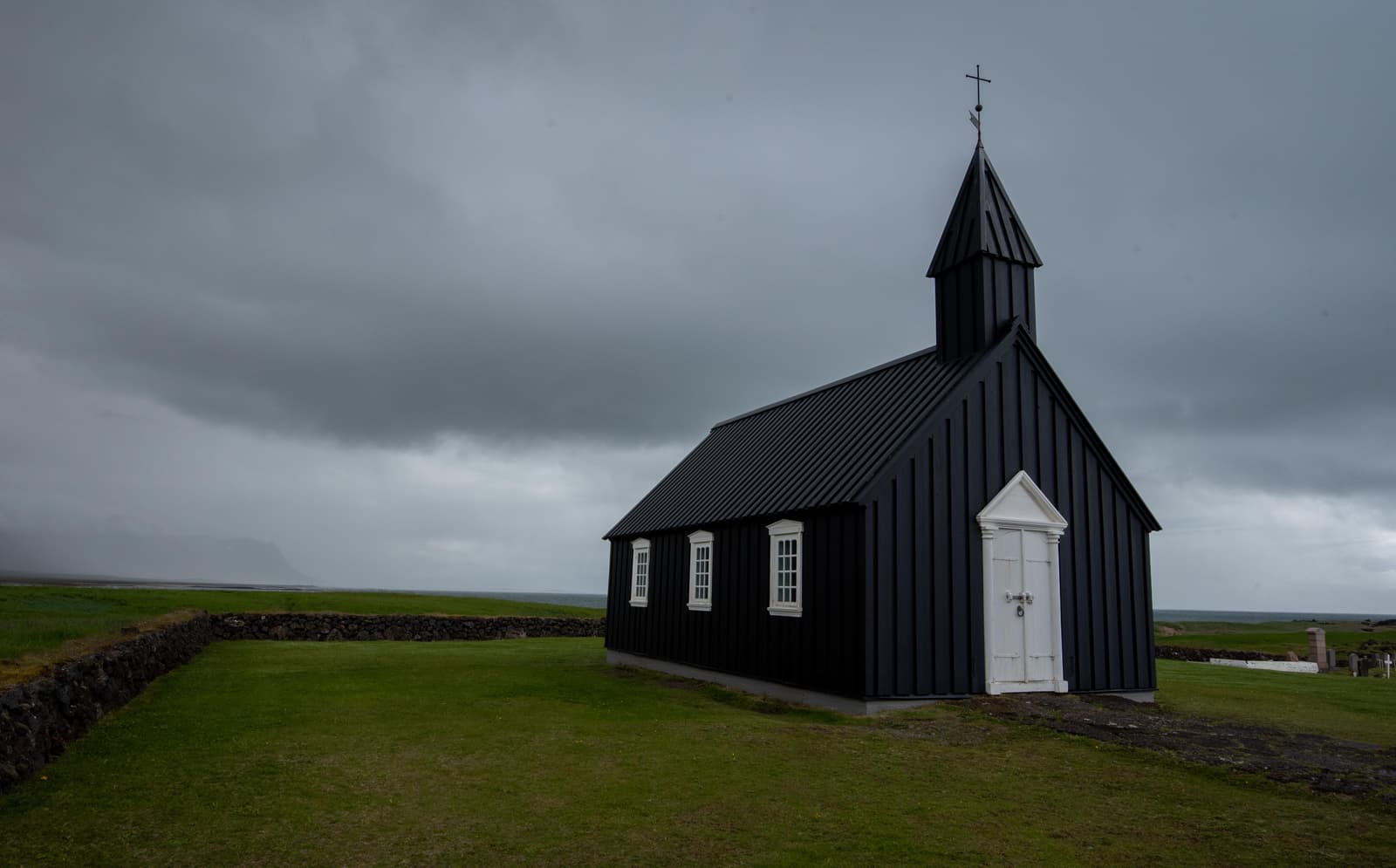
Búðakirkja Church is the black church at Búðir on south Snæfellsnes, useful for travelers deciding whether the famous photo stop deserves time for setting, history, and nearby lava-field context.
Church details
Búðakirkja is worth a pause when you want the black church in its Búðir setting, not just another quick exterior photograph.
The church is small, stark, and immediately recognizable: black timber walls, white-trim windows, a simple graveyard, and the open south side of Snæfellsnes around it. That makes it useful on a route where the next stops can feel very landscape-heavy.
Treat the stop as a compact cultural layer beside Búðahraun Lava Field. It works best when you have a few calm minutes to look at the church, the lava, and the mountains together.
Photo guide
1 / 2
The graveyard setting is a reminder to keep the stop quiet and respectful.
The visit is mostly about contrast: a dark church, pale sky, lava underfoot, and the broader Snæfellsnes backdrop.
Búðakirkja is often photographed as a lone object, but the better reason to stop is the setting. The church sits beside the Búðir area, where lava-field texture, grass, sea air, and mountain views give a short visit more atmosphere than the building alone.
If you are already planning Ytri Tunga Beach, Bjarnarfoss Waterfall, or Rauðfeldsgjá Gorge, Búðakirkja gives the south side a different rhythm: quieter, built, and cultural.
The history is light enough for a short stop, but it keeps the place from being only a photo prop.
Official church information ties the site to a first church built in 1703 and the later church that visitors see today. You do not need a long history lesson here, but knowing that the site has a real church story makes the stop feel less like a roadside backdrop.
Do not assume you can step inside casually. If interior access, ceremonies, or photography expectations matter to your plan, check the official church information before building the stop around that.
The strongest version of the stop is not church versus lava field. It is deciding how much Búðir time your route can afford.
For a short south-side sequence, combine Búðakirkja with Búðahraun, Bjarnarfoss, and Ytri Tunga. If the day continues west, Arnarstapi, Gatklettur, Lóndrangar, and Snæfellsjökull shift the route toward cliffs, sea stacks, and national-park scenery.
| Trip shape | How to use the stop | Best next move |
|---|---|---|
| Photo-focused pause | Keep the visit compact and respectful. | Move on to Bjarnarfoss or Ytri Tunga. |
| Slow Búðir stop | Add Búðahraun walking and more time around the setting. | Use the lava-field guide next. |
| Full peninsula loop | Do not let one short stop crowd out cliffs, caves, and western scenery. | Check the Snæfellsnes road-trip plan. |
The practical checks are simple, but they matter because this is an active, small church site rather than an open-air viewpoint only.
Check official church guidance if your visit depends on interior access, private events, wedding photography, or specific conduct expectations. For a normal exterior pause, keep the stop quiet, stay aware of the graveyard setting, and avoid turning the site into a staged photo session.
For route planning, also check road and weather information before committing to a long Snæfellsnes loop. Wind, low cloud, and winter light can change whether this exposed stop feels atmospheric or simply rushed.
Use for church identity, contact, conduct, and access-sensitive planning.
Use when turning the Búðir church stop into a lava-field walk.
Check before driving a longer Snæfellsnes route.
Check wind, visibility, and precipitation before exposed coastal stops.
By ThorPublished Updated
Map
Use nearby places and useful bases before opening directions.
Interactive planning map for Búðakirkja Church
Interactive map
Place context and external map links remain available without loading it.
Planning context
Open the region or practical guide that resolves the next planning decision.
Wider route
Use broader place relationships for route comparison; they are not presented as immediate nearby stops.
Next step
Use the next page that helps turn this stop into a practical route decision.