Culture snapshot
- Type
- Shark museum within a farm stop
- Region
- North Snæfellsnes, West Iceland
- Role
- Detail page for the museum name
- Best for
- Hákarl context and short cultural contrast
- Time
- Usually a short stop with buffer
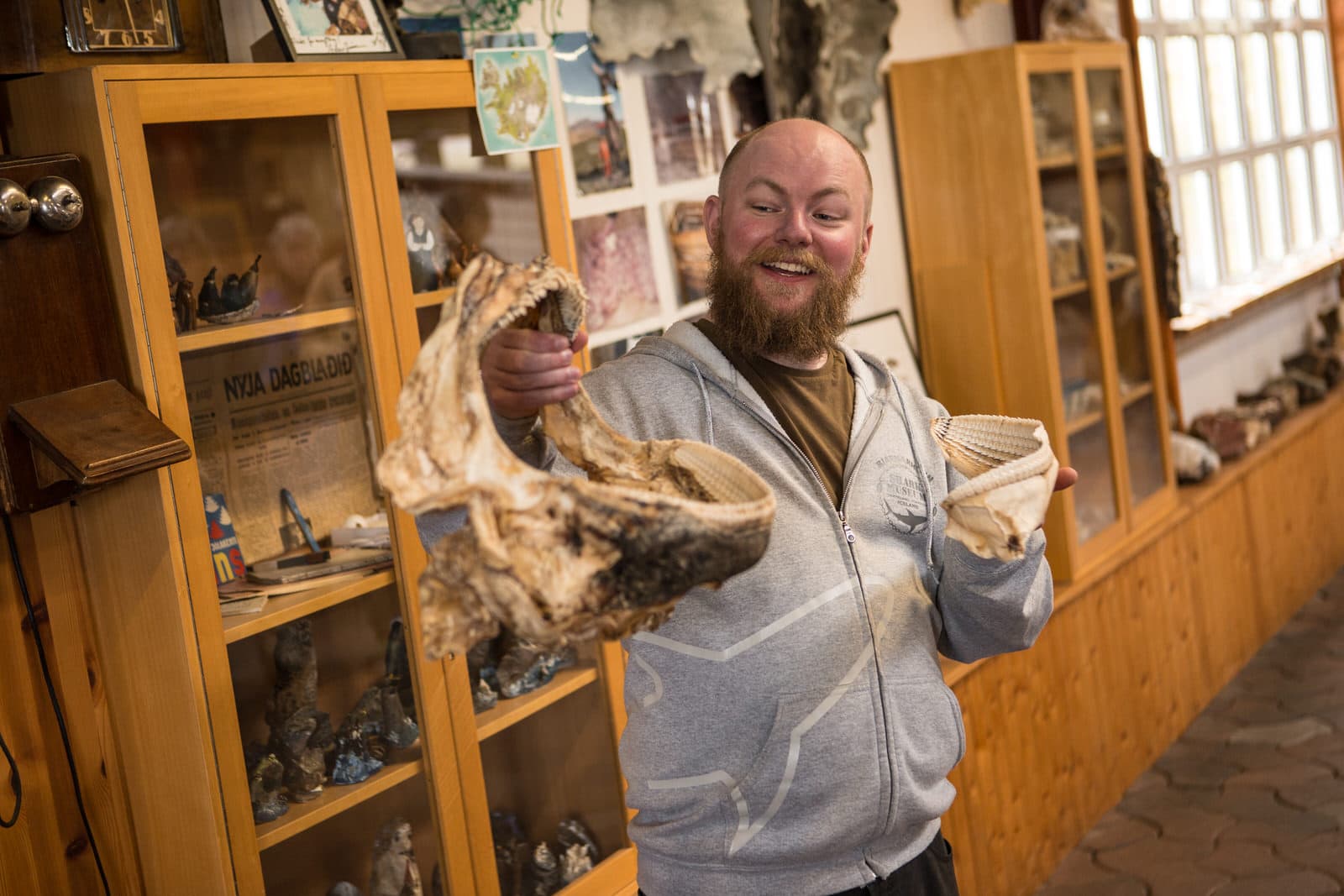
Bjarnarhöfn Shark Museum helps travelers separate the museum-and-tasting experience from the broader Bjarnarhöfn farm stop, so a Snæfellsnes route can use it as a focused cultural pause rather than a separate must-see detour.
Culture snapshot
Bjarnarhöfn Shark Museum is the specific museum-and-tasting identity inside the wider Bjarnarhöfn farm visit. Use this as a detail page, not as a separate must-see detour.
Most travelers should think of Bjarnarhöfn Shark Museum as the shark, hákarl, and food-heritage part of Bjarnarhöfn, not as a second independent stop on the map. The broader farm page matters more when you are choosing whether Bjarnarhöfn belongs in the day at all.
This page is useful when you are trying to understand the specific name Bjarnarhöfn Shark Museum: what the museum explains, why cured shark is part of the visit, how the drying-house context fits the farm, and whether the experience suits your group.
The useful part is not just tasting a strong traditional food. The museum gives the food a place, process, and fishing-history context.
Official Bjarnarhöfn information frames the museum around Greenland shark, the long preparation of shark meat, the drying-house stage, and the farm's own role in keeping that tradition visible. That makes the stop more specific than a general Icelandic food tasting.
Visitors should expect a compact, focused experience rather than a large national museum. The value is the combination of fishing objects, shark biology, farm setting, curing context, and the option to understand hákarl before deciding whether tasting it is part of the visit.
Bjarnarhöfn sits on the north side of Snæfellsnes, so the museum works best when it falls naturally between scenic anchors.
The broader area matters more than this single label for most itineraries. If you are already moving between Kirkjufell, Kirkjufellsfoss Waterfall, and Stykkishólmur, the museum can add a memorable cultural pause without forcing a separate route.
As a standalone detour, it needs more caution. A long drive from Reykjavík only to visit the museum is rarely the strongest use of a day unless food heritage is the main interest. It works better inside a balanced Snæfellsnes Peninsula Road Trip.
| Route situation | Use the museum this way | Watch the tradeoff |
|---|---|---|
| North-coast Snæfellsnes loop | Add it as a short cultural contrast. | Do not crowd out weather and photo buffer. |
| One-night peninsula trip | Let the visit breathe if the operator details fit. | Keep the next drive flexible. |
| Rushed day trip | Use it only if the group strongly wants food heritage. | Scenic anchors may deserve priority. |
Pair the museum with nearby Snæfellsnes stops only when the day still has enough slack for roads, weather, and different travel interests.
The simplest pairing is the wider Bjarnarhöfn farm stop, because that is the real visitor setting. From there, the most practical next decisions are usually whether to continue toward Stykkishólmur, return toward the Kirkjufell side, or compare the museum with another short stop such as Ytri Tunga Beach.
Check the operator before relying on opening, tasting, services, facilities, or access details. For the drive itself, check Umferðin, the Icelandic Met Office, and SafeTravel before treating the stop as fixed, especially in winter, high wind, poor visibility, or a tight daylight window.
Official museum information supports the shark museum identity, Greenland shark context, curing process, drying-house theme, and tasting-related visitor context.
Official operator information supports the family business, north Snæfellsnes setting, shark-curing tradition, and farm identity.
Regional tourism information supports the family-run shark museum framing and its place within West Iceland visitor planning.
Official road information supports advising travelers to check driving conditions before fixing a Snæfellsnes stop.
By ThorPublished Updated
Map
Use nearby places and useful bases before opening directions.
Interactive planning map for Bjarnarhöfn Shark Museum
Interactive map
Place context and external map links remain available without loading it.
Planning context
Open the region or practical guide that resolves the next planning decision.
Wider route
Use broader place relationships for route comparison; they are not presented as immediate nearby stops.