Is Teigarhorn worth stopping for?

Yes, if you want one Eastfjords stop that explains the coast instead of only showing another view. Skip it when the day is already too tight for a slow protected-place pause.

Teigarhorn is most useful when you care about the story under the scenery: zeolite-rich rock, protected coastline, the black Weywadt House, and a farmstead tied to Icelandic photography history. It is not a giant spectacle stop like a famous waterfall, but it can make Berufjörður feel specific and memorable.

A local Iceland travel editor would add Teigarhorn when the route already includes Berufjörður, Djúpivogur, Gleðivík, or Papey. They would skip it if the group is simply trying to push from Höfn toward Egilsstaðir, Seyðisfjörður, Hengifoss, or Stórurð without enough daylight or weather margin.

Worth the stop?

When this stop makes sense

Good match for

  • Eastfjords self-drive travelers passing Djúpivogur
  • visitors curious about Icelandic geology, zeolites, and protected landscapes
  • travelers who like small cultural stops with real place history
  • Ring Road plans that need one meaningful pause around Berufjörður

Think twice if

  • travelers who only want major headline waterfalls or glaciers
  • days already stretched between Höfn, Egilsstaðir, or Seyðisfjörður

Pair it with

East IcelandBerufjörðurEggin í GleðivíkDjúpavogskörin Hot Springs

What do you actually see at Teigarhorn?

Expect a protected coastal farm landscape, dark rock, mineral interpretation, Weywadt House, and views that connect the site to Berufjörður rather than a single fenced viewpoint.

The geology is the main reason Teigarhorn matters. Zeolites formed in cavities and altered rock here, and the site has long been important for geological study. For a traveler, the point is not to collect anything; it is to understand why this stretch of East Iceland coast is protected.

The cultural layer is just as important. Weywadt House gives the stop a human scale, and Nicoline Weywadt's photography history turns the farm from a pretty black building into part of Iceland's visual and scientific story.

  • Look for the relationship between dark coastal rock, farm buildings, and Berufjörður.
  • Use the mineral and geology story to understand why this is protected ground.
  • Notice Weywadt House as cultural heritage, not just a photo subject.
  • Keep route expectations modest: this is a short, layered stop rather than a full-day attraction.
Weywadt House gives the geology stop a cultural and human scale.
The stone collection is the right way to connect the stop with zeolite history without treating the protected ground as a collecting site.

How much time and effort should you allow?

Most travelers should allow about 30-90 minutes. The shorter end suits a focused stop; the longer end works if you read interpretation, walk slowly, or spend time with the farm and coastline.

Teigarhorn timing choices
Visit styleBest whenTime to protect
Quick protected-place pauseYou want the farm, coastline, and one clear geology stop30-45 minutes
Balanced visitYou want Weywadt House context, mineral interpretation, and slower photos45-90 minutes
Flexible conditionsWeather, road checks, nesting restrictions, or access details affect movementKeep optional

The effort is usually low compared with major hikes, but that does not make the stop casual in every condition. Eastfjords weather, wind, wet ground, and protected-area rules should shape how far you wander and how tightly you build the stop into the day.

If your plan depends on visitor interpretation, indoor access, step-light movement, or a specific practical detail, verify official visitor information before you drive there.

The effort is modest, but the site rewards people who slow down and read the protected geology carefully.
Rock detail is part of the attraction, but the protected-area value depends on leaving formations undisturbed.

How does Teigarhorn fit with Djúpivogur and Berufjörður?

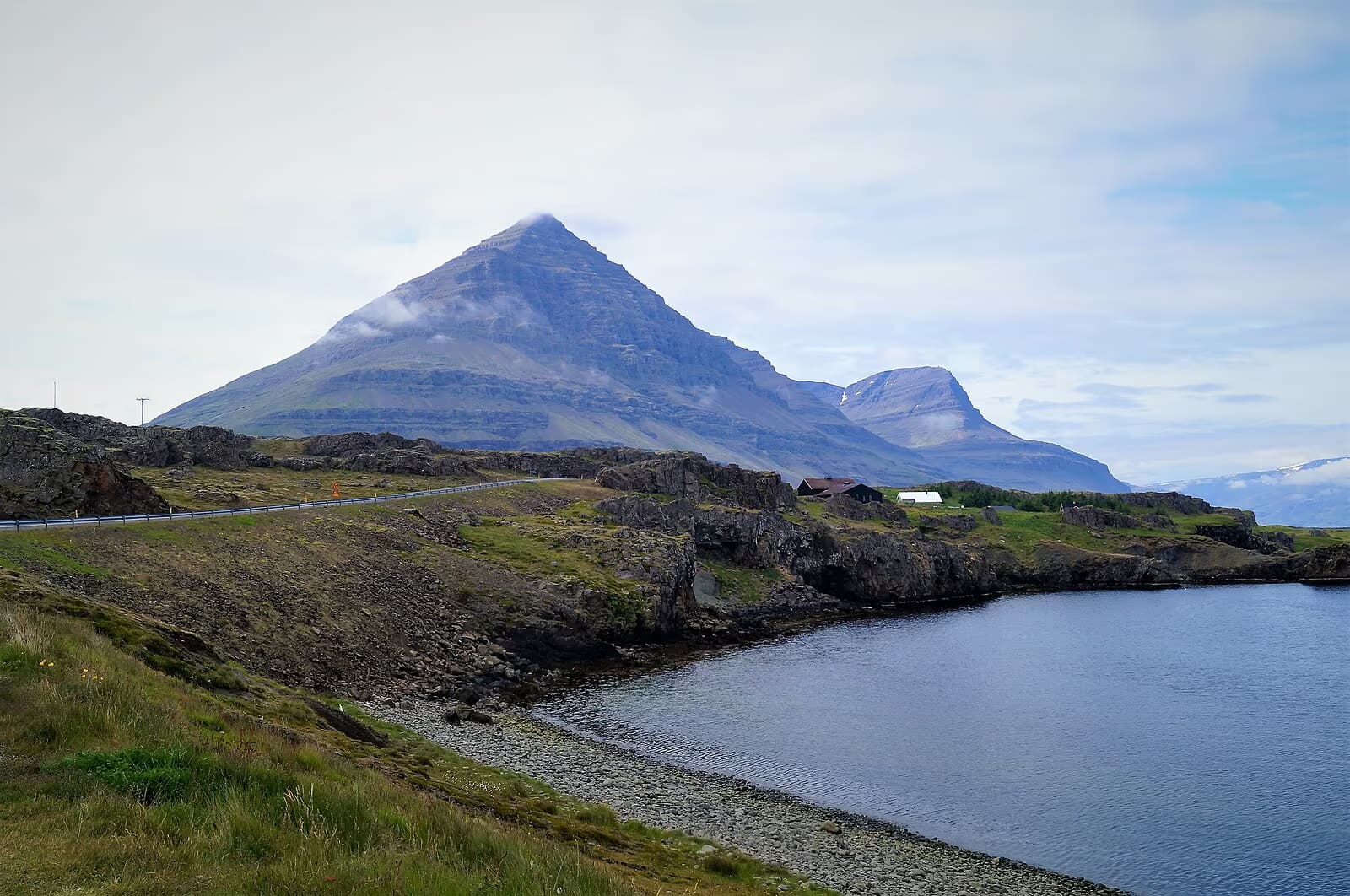
Teigarhorn is strongest as part of a small southern Eastfjords cluster: Berufjörður for the fjord setting, Teigarhorn for protected geology, and Djúpivogur for town time.

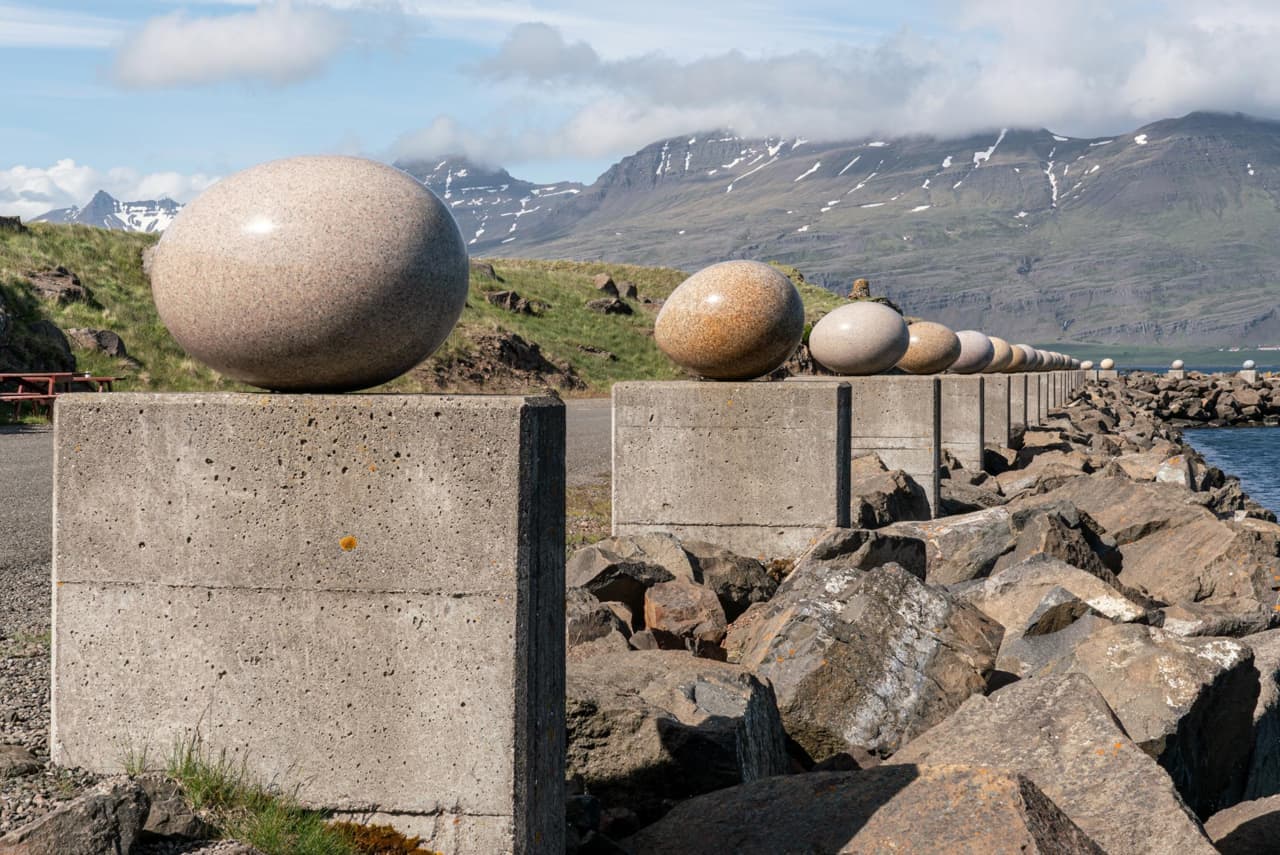
If you are already using Berufjörður as more than a drive-through, Teigarhorn is the place that gives the fjord its clearest protected-area story. Add Gleðivík when you want an easy art-and-harbor stop near Djúpivogur, or Djúpavogskörin Hot Springs when your route has room for a small bathing detour.

For bigger East Iceland planning, Teigarhorn should not compete with Hengifoss or Stórurð. Those are larger commitment stops. Teigarhorn works better as the short, intelligent pause that keeps a Ring Road day from becoming only road, fuel, and scenery.

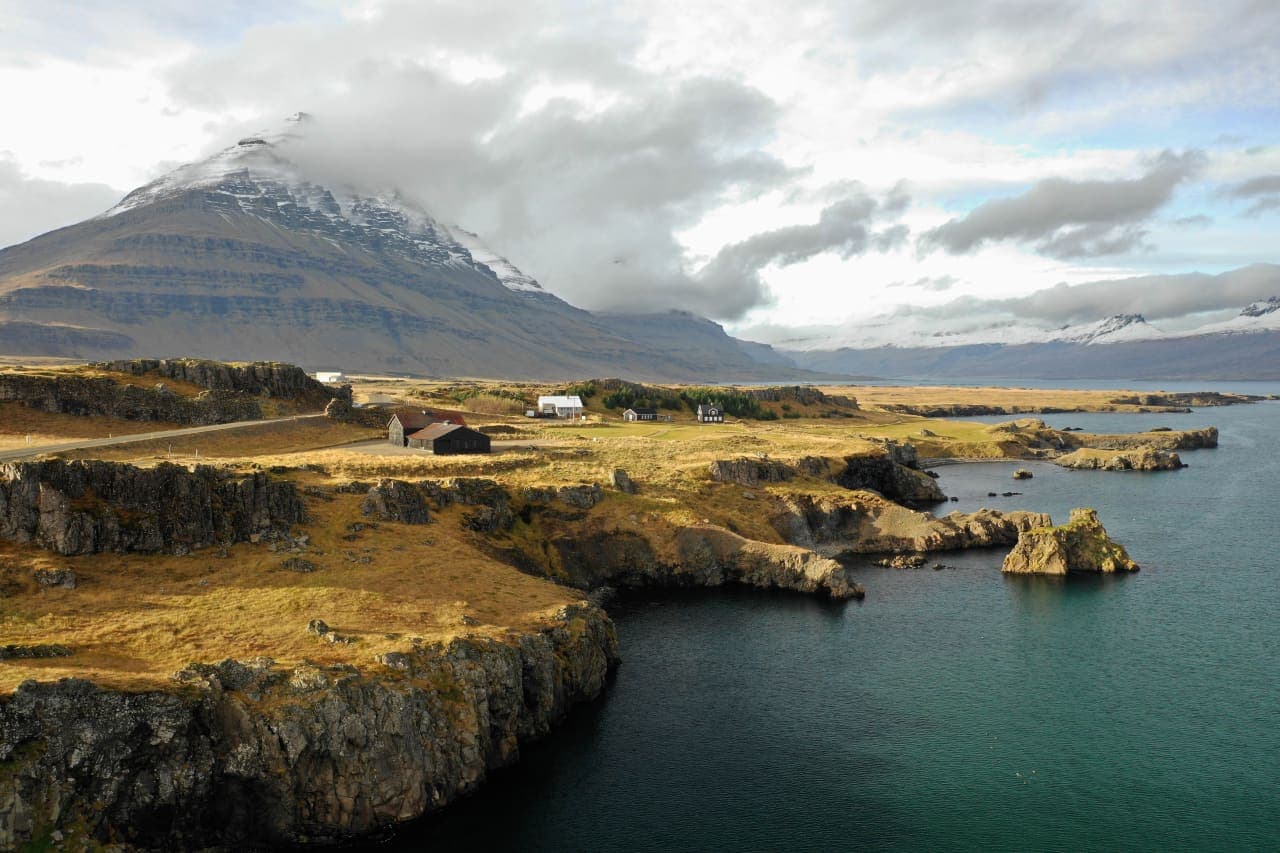
Teigarhorn makes the Berufjörður drive feel place-led instead of only scenic.
The best route value is the combination of protected geology, farm scale, and Eastfjords landscape.

Why does the protected geology matter?

Teigarhorn is not a place to treat minerals as souvenirs. Its value comes from seeing a famous zeolite locality protected in the landscape where those minerals formed.

That is why the stop needs a different mindset from a casual roadside photo pullout. The best visit connects the protected rock, the mineral interpretation, and the farm history without disturbing the formations that make the place important.

If the stone collection or visitor interpretation is part of your reason to stop, check official visitor information first. If not, Teigarhorn can still work as an outdoor geology-and-culture pause as long as you respect the protected ground.

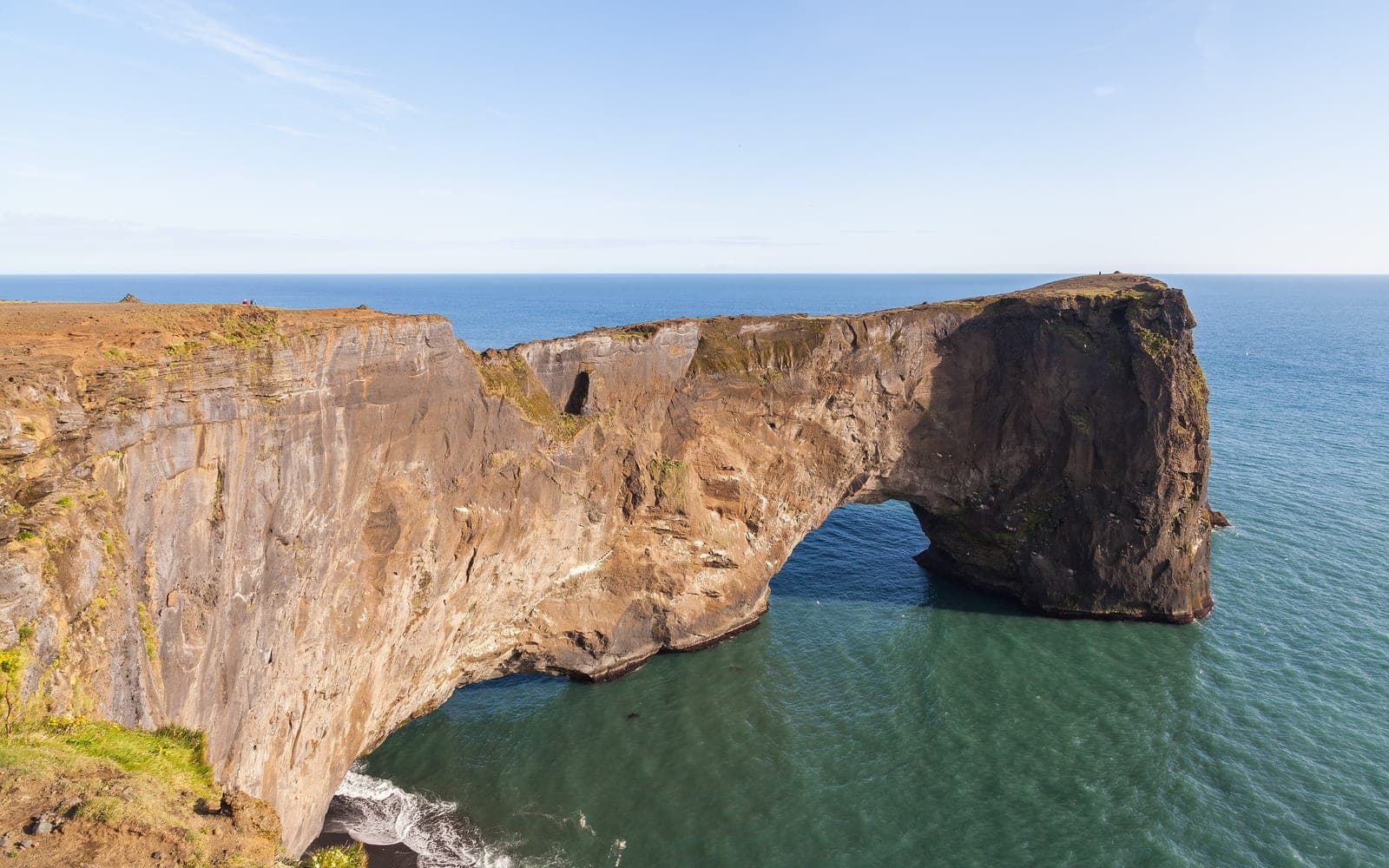
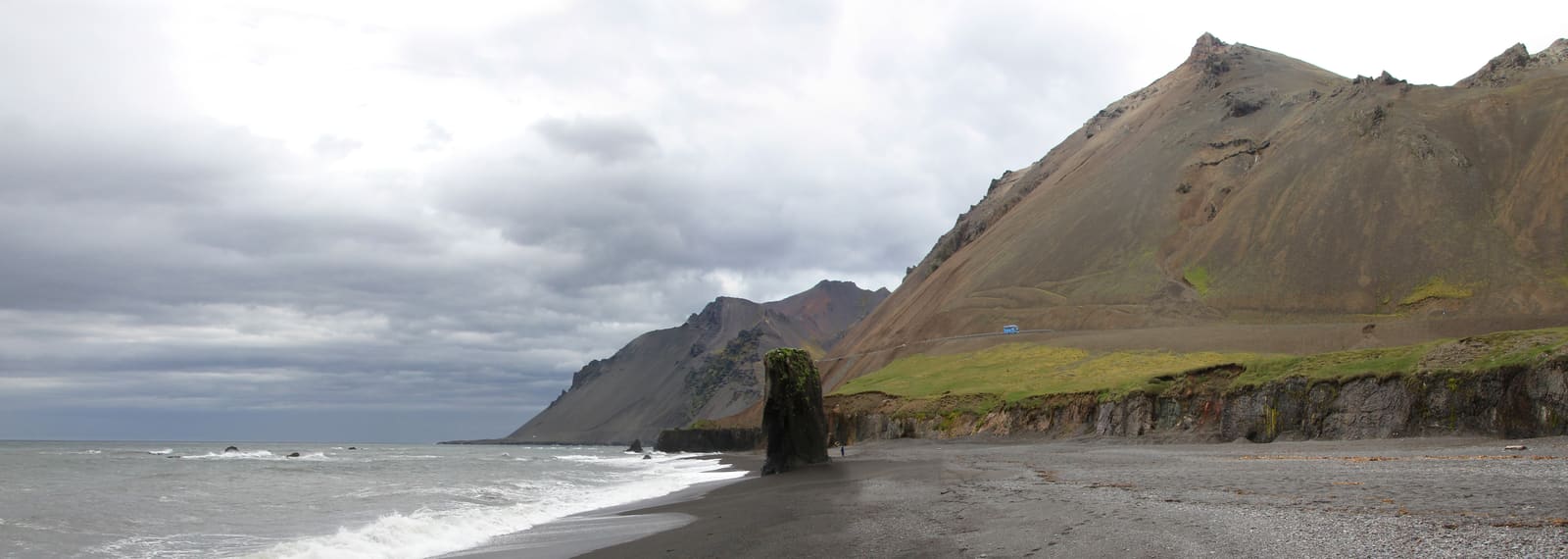
The coastline is the reason Teigarhorn works as a protected-place stop, not just a quick building photo.

What should you check before visiting protected ground?

Check protected-area guidance, official visitor details, road conditions, weather, and safety guidance before treating Teigarhorn as a fixed stop in a tight day.

  • Use protected-area guidance for conduct rules, stone protection, camping restrictions, driving limits, and cultural-heritage care.
  • Use official visitor information for practical details around interpretation, access, and on-site services.
  • Use official road and weather sources before committing to Eastfjords driving in poor conditions.
  • Use official safety guidance if alerts or travel conditions could affect the area.
  • Do not remove stones or disturb geological formations; the value of Teigarhorn depends on leaving the protected site intact.

Official visitor and safety checks

Common Teigarhorn planning questions

These are the decisions that usually determine whether Teigarhorn improves an Eastfjords day or becomes one stop too many.

Is Teigarhorn a major Ring Road stop?

No. It is better treated as a meaningful short stop near Djúpivogur, strongest for travelers who like geology, protected landscapes, and cultural history.

Can I collect stones at Teigarhorn?

Do not plan on collecting stones. Teigarhorn is protected because of its geological formations, and visitors should follow official protected-area guidance.

Should I pair Teigarhorn with Berufjörður?

Yes, if you want the fjord to feel like a real place rather than a drive-through view. Berufjörður gives the wider setting; Teigarhorn gives the geology and history.

Is Teigarhorn better than Hengifoss or Stórurð?

It is a different kind of stop. Hengifoss and Stórurð are larger scenic commitments, while Teigarhorn is a shorter protected-place pause near Djúpivogur.