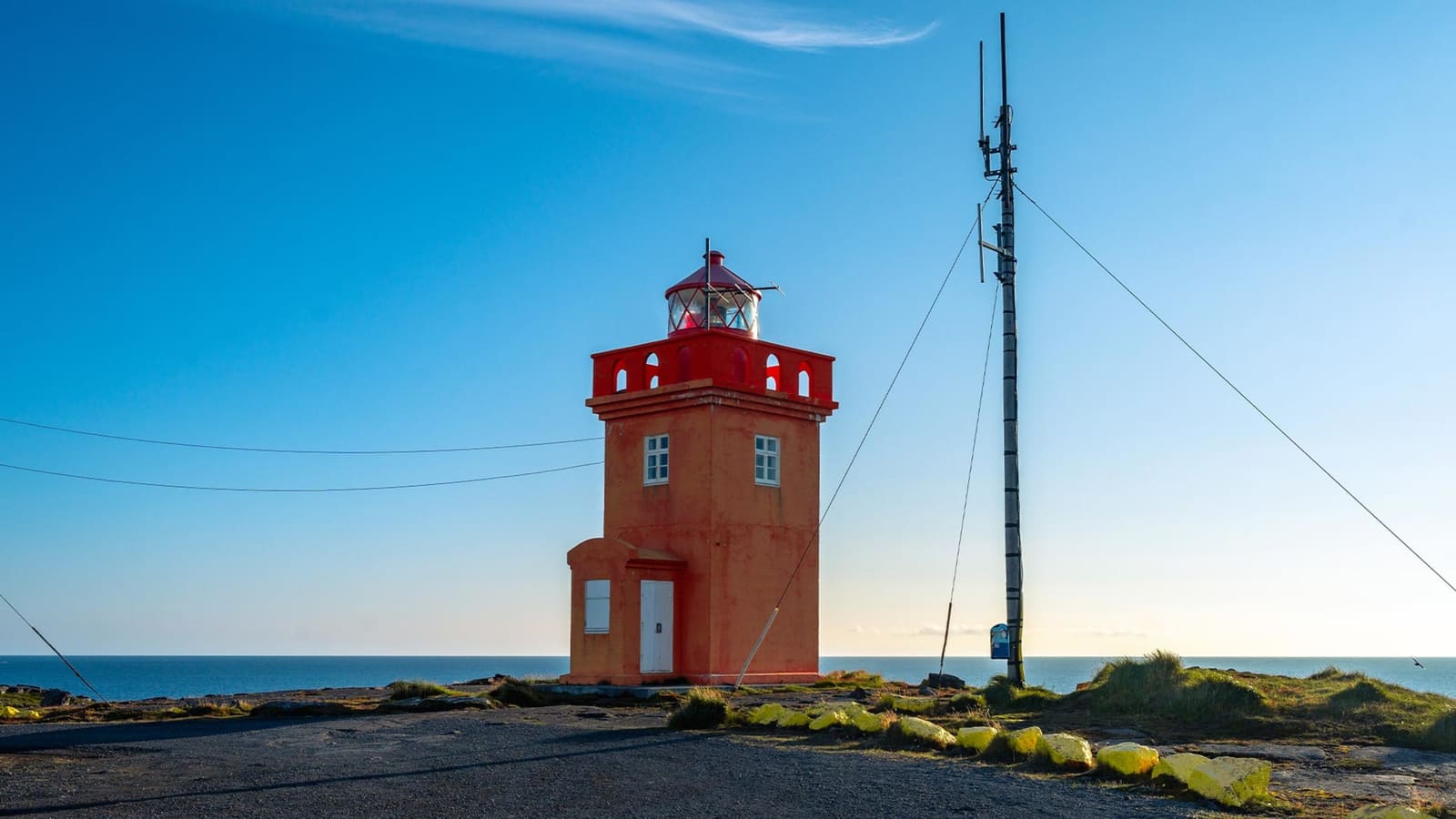
Raufarhafnarviti Lighthouse is a bright orange cliffside lighthouse above Raufarhöfn in far northeast Iceland, best as a short Arctic Coast Way pause with sea views, village context, and nearby Arctic Henge.
Coast snapshot
Type
Lighthouse, cliff viewpoint, and short coastal stop
Region
Raufarhöfn, Melrakkaslétta peninsula, North Iceland
Route context
A small Arctic Coast Way detour north of Route 85 and close to the Arctic Henge
Time to allow
About 15 to 35 minutes for the lighthouse, photos, and a short look over the coast
Best experience
Use it as a quiet add-on to Raufarhöfn and the Arctic Henge, not as the only reason to drive far northeast
In this guide
Is Raufarhafnarviti worth the detour?
Yes, when you are already visiting Raufarhöfn or following the Arctic Coast Way. No, if the same time would force you to rush Dettifoss, Ásbyrgi, Mývatn, or a long North Iceland transfer.
Raufarhafnarviti is a small but memorable lighthouse stop: an orange tower above the village, steep coastal edges, open sea, and the feeling that the road has reached one of Iceland's quieter northern margins. It is not a major activity, and that is exactly how to plan it.
Add it when the day already includes Raufarhöfn, the Arctic Henge, or a slow Arctic Coast Way segment. Skip it on a tight first trip where the priority is still the bigger North Iceland anchors around Dettifoss, Ásbyrgi, Húsavík, or Mývatn.
What do you actually see at the lighthouse?
Expect a compact lighthouse visit with strong color, cliff views, sea air, and village context rather than a long built attraction.
The main subject is the orange Raufarhafnarviti tower itself. Visit North Iceland places it above Raufarhöfn on steep cliffs, and the visual payoff is simple: the tower against grass, rock, sea, sky, and the small village below.
This is the kind of stop where the weather changes the mood quickly. In bright conditions the lighthouse reads almost graphic against the coast. In greyer weather it becomes a harsher, windier North Iceland scene. Either version can be worthwhile if you arrive with modest expectations.
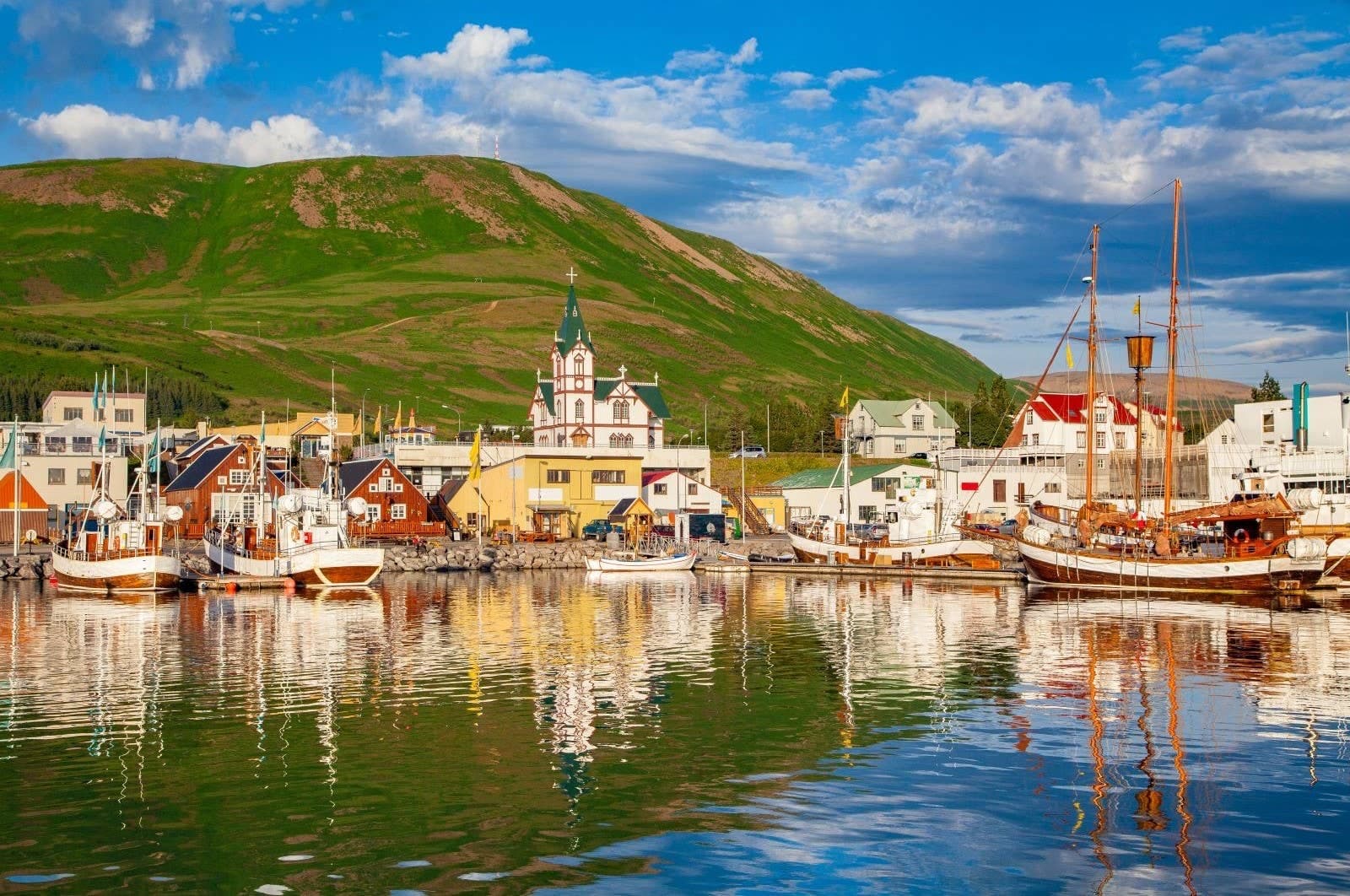
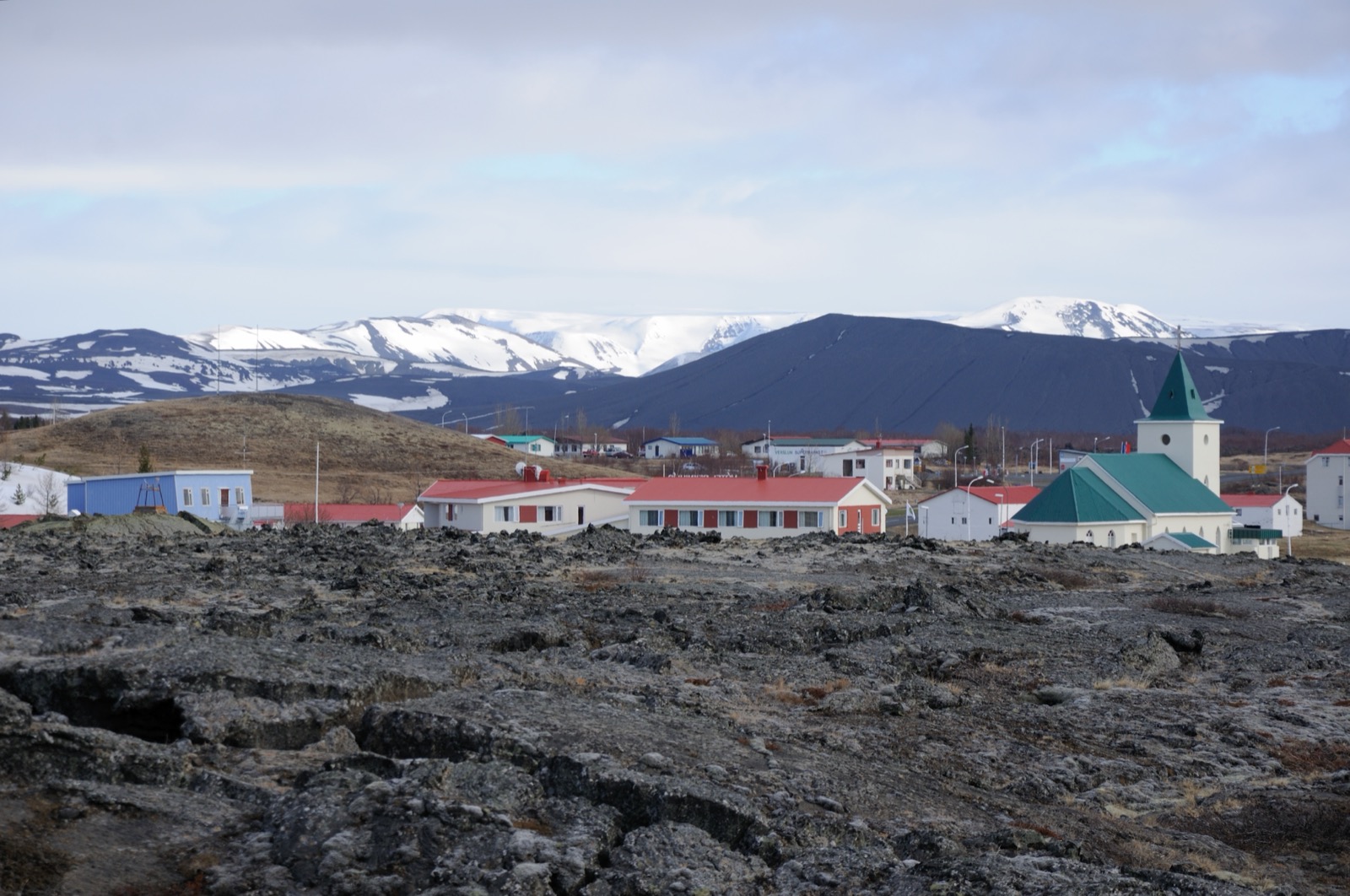
The village setting is part of what makes the lighthouse stop feel grounded rather than random.
How should you pair it with Raufarhöfn and the Arctic Henge?
The lighthouse is strongest as one piece of a Raufarhöfn pause: lighthouse, village, sea view, and the Arctic Henge above town.
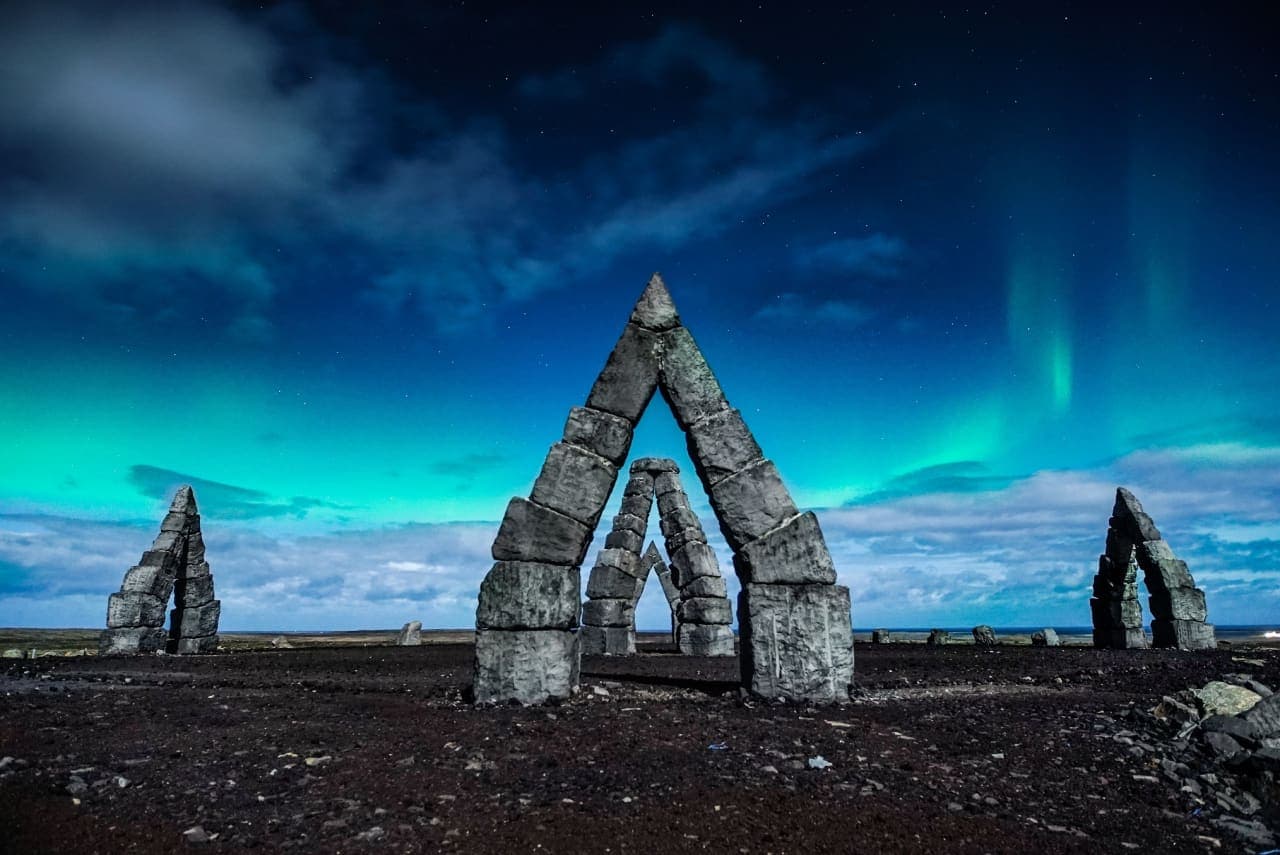
The nearby Arctic Henge is the better-known reason many travelers come this far north. Use Raufarhafnarviti as the coastal counterpoint: the henge gives the hilltop landmark and Norse-inspired structure, while the lighthouse gives the maritime edge and a clearer sense of the village's position on Melrakkaslétta.
If you are building a quieter northeast day, continue thinking in clusters rather than single stops. Raufarhöfn can sit between Öxarfjörður, Ásbyrgi, Dettifoss, Húsavík, Mývatn, and the more remote Arctic Coast Way sections, but it should not make the day feel overloaded.
The Arctic Henge is the natural pairing that turns the lighthouse into part of a fuller Raufarhöfn stop.
When does the stop work best?
Raufarhafnarviti works best in clear-enough daylight, manageable wind, and a route plan that already gives the far northeast time to breathe.
The visit is short, but the drive context is not always short. Remote northeast roads, exposed weather, and long distances make this a route-fit decision more than an on-site logistics decision. If the day is calm and already pointed toward Raufarhöfn, the lighthouse is easy to justify.
If wind, snow, poor visibility, or a packed schedule are working against you, keep the stop optional. Raufarhafnarviti is a good route detail, not a stop that should weaken the rest of the day.
What should you watch for around the cliffs?
The practical caution is simple: the site is exposed. Wind, wet grass, winter surfaces, and cliff-edge curiosity can matter more than the walking distance.
Visit North Iceland describes the lighthouse as sitting above steep cliffs. That makes the view part of the appeal, but it also means visitors should keep distance from edges, supervise children closely, and avoid treating the area as a playground for dramatic photos.
This is also a place to avoid assumptions about conditions. Use official road and weather sources before remote northeast drives, especially when the route includes gravel, winter surfaces, strong wind, or low visibility.
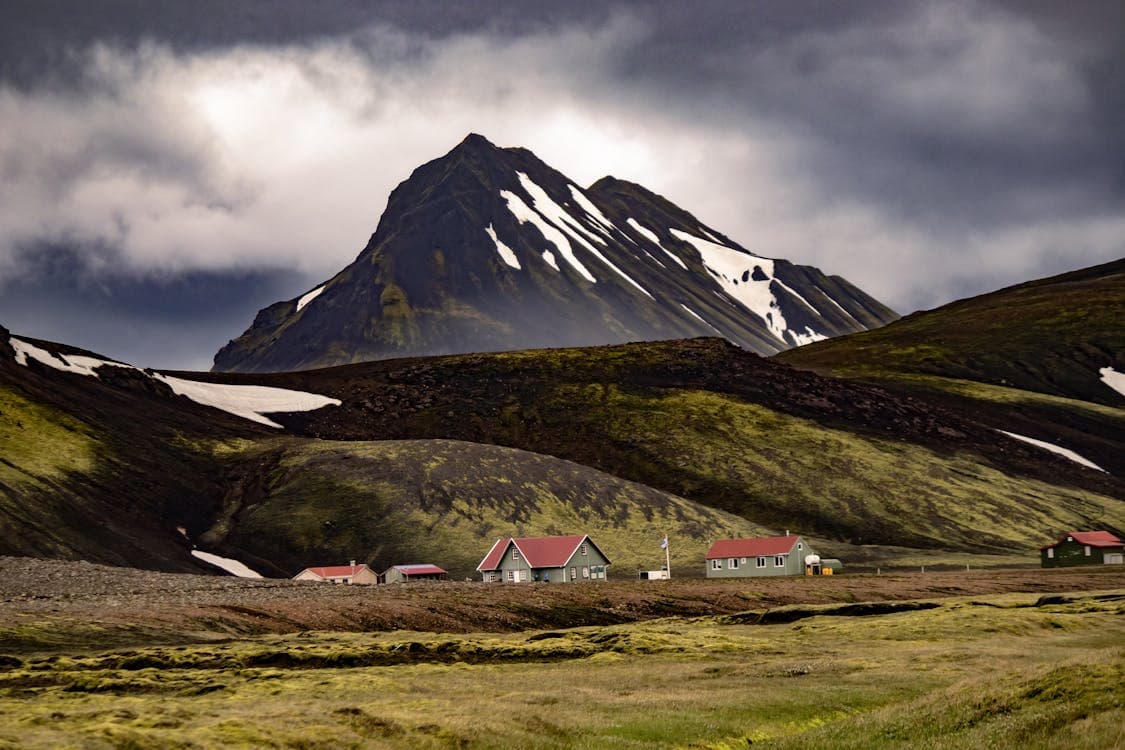
The cliff setting is part of the view, but it is also the reason to keep the stop cautious in wind or poor footing.
How does it fit with bigger North Iceland plans?
Use Raufarhafnarviti as a small scenic stop on a far-north branch, not as a substitute for the region's major decision points.
On a first North Iceland route, Dettifoss, Ásbyrgi, Mývatn, Goðafoss, Akureyri, and Húsavík usually carry more planning weight. Raufarhafnarviti belongs in the quieter layer: the places you add when the route already favors remote coast, long light, and fewer crowds.
That does not make it filler. It makes it selective. Travelers who enjoy small maritime landmarks, edge-of-map villages, and route atmosphere may remember this stop more clearly than another busy pullout.
Raufarhöfn's small-settlement context helps decide whether the far-north branch belongs in the day.
Official checks before you drive north
Check official sources for road, weather, and local visitor context before treating a remote northeast detour as fixed.
For stable planning, use regional tourism information for the lighthouse and village context, then check official road, weather, and safety sources close to the drive. Avoid relying on old trip reports as proof that conditions will match your day.