Geology snapshot
- Type
- Small lava chamber and hornito
- Region
- Aðaldalshraun near Húsavík, North Iceland
- Best for
- Geology context and cautious short stops
- Time
- Keep it brief and flexible
- Access
- Confirm maps, public access, roads, and weather
Knútstaðaborg is a small lava chamber in Aðaldalshraun, useful for geology-curious travelers near Húsavík who want context before deciding whether a cautious short stop is worth the effort.
Geology snapshot
Knútstaðaborg is worth considering only if you are already near Húsavík or Aðaldalur and you enjoy small geology stops. It is not a headline North Iceland attraction.
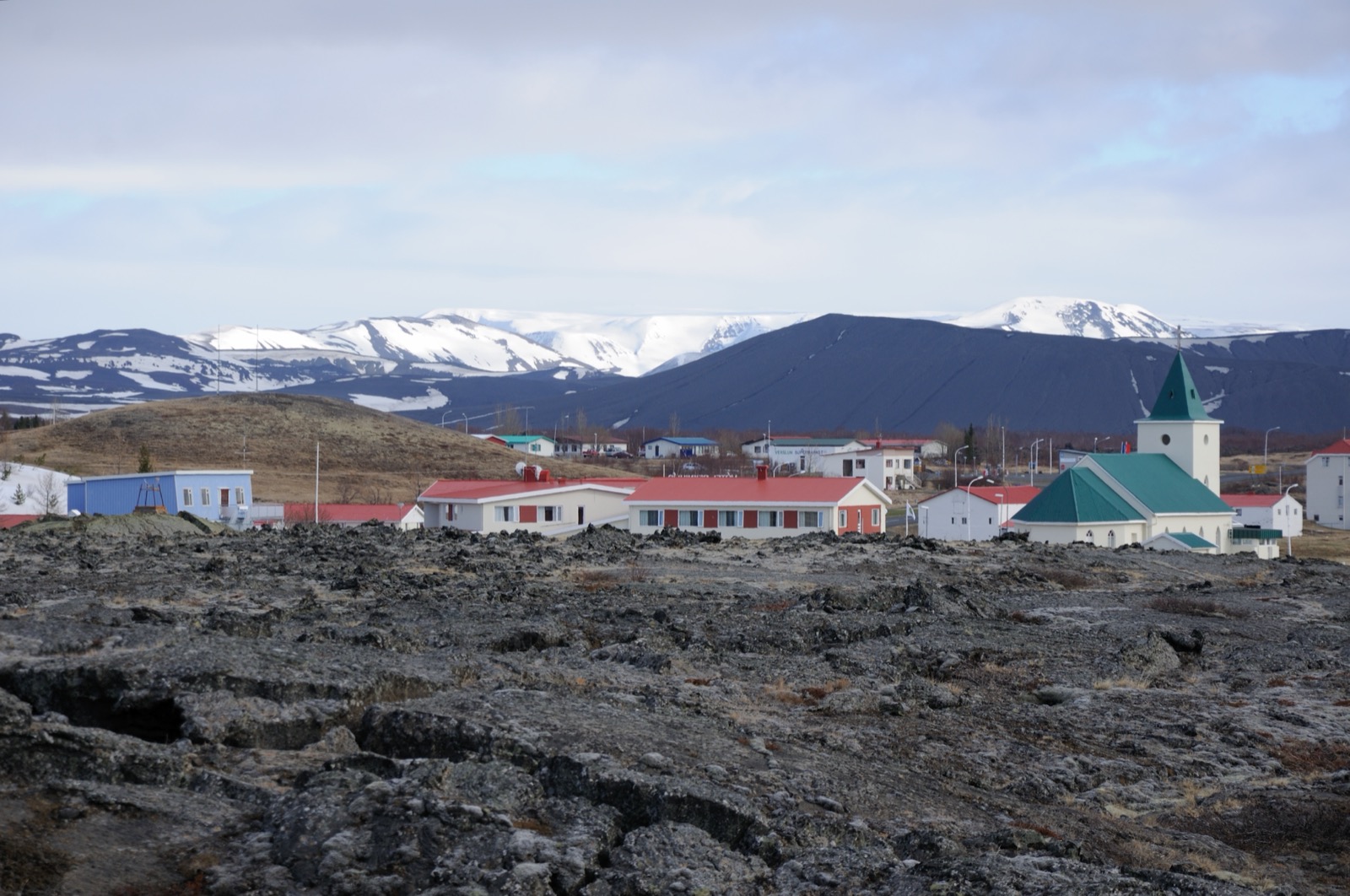
The place is a small lava chamber in Aðaldalshraun, described by Vísindavefurinn as a hornito: an opening where hot gas and spatter helped build a small lava feature above a lava-tube roof. That makes it interesting, but the interest is narrow and conditions-dependent.
For most travelers, Knútstaðaborg belongs in the optional column. Húsavík, Goðafoss, Lake Mývatn, Skjálfandafljót, and Dettifoss are stronger planning anchors. This stop makes sense only when the day still has slack and you are comfortable checking details before leaving the obvious route.
Knútstaðaborg is best understood as a lava-field feature rather than a tourist cave. The useful story is how it formed and why the ground around it deserves caution.
Vísindavefurinn places Knútstaðaborg in Aðaldalshraun, within the younger Laxárdalshraun lava context, and explains that the feature formed around an opening in a lava-tube roof. In plain travel terms, that means you are dealing with rough volcanic ground, not a built attraction.
Field reports describe an open chamber, a side approach, light entering from above, and rough lava shapes inside. Those details are useful because they explain why the place has a distinct name, but they should not be read as a current access promise.
| Question | Practical answer |
|---|---|
| What is it? | A small hornito / lava chamber in Aðaldalshraun. |
| Is it a cave tour? | No. Treat it as an undeveloped lava-field stop. |
| Is it a major stop? | No. It suits travelers already nearby with spare time. |
| What is the main caution? | Rough lava, hidden openings, weather, and uncertain local access. |
Use the larger North Iceland places to decide whether Knútstaðaborg belongs in your day. The small stop should support the route, not distort it.
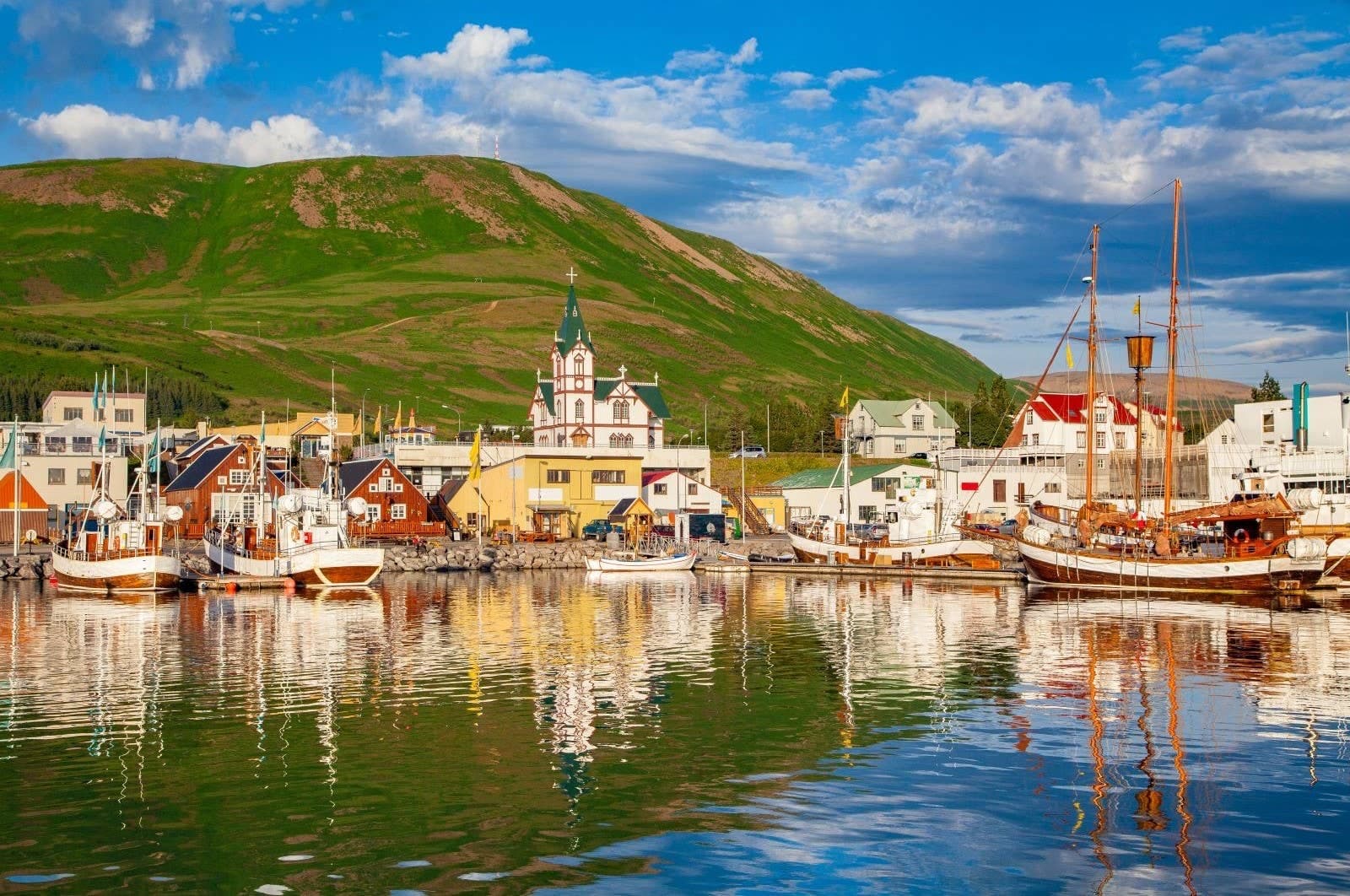
If you are based in Húsavík, Knútstaðaborg can be a geology side note when whale watching, GeoSea, the harbor, or Botnsvatn leaves an open pocket of time. If you are driving between Goðafoss and Mývatn, it is easier to skip unless the group specifically wants lava-field context.
Skjálfandafljót is a helpful comparison. The river's waterfall stops give clearer public payoffs, while Knútstaðaborg is more specialist. On a tight Diamond Circle day, the major stops should win; on a slower repeat-visitor day, a small lava feature may be exactly the kind of detail you want.
Small lava stops demand more caution than their size suggests. Confirm the exact location, public access, road conditions, weather, and group ability before relying on Knútstaðaborg.
Do not navigate only from an old blog post or a single map pin. Similar lava-field names, farm tracks, changing signs, private land boundaries, snow cover, and poor visibility can all make a minor stop less straightforward than it appears on a screen.
The surface matters as much as the drive. Rough lava can hide holes and create awkward footing, especially with children, low light, ice, or strong wind. If the entrance, ground, or route feels unclear, the sensible choice is to leave Knútstaðaborg as context and continue toward a better-supported stop.
Science context for Knútstaðaborg as a hornito in Aðaldalshraun.
Road and traffic-condition checks before local North Iceland driving.
Forecasts and warnings for weather-sensitive outdoor stops.
Visitor safety and travel-condition guidance for Iceland.
Skip it when the stop adds uncertainty to a day that already has stronger North Iceland sights. The page exists to help you make that decision, not to push every map name into the itinerary.
A good North Iceland day does not need Knútstaðaborg. If you are short on daylight, driving between regions, traveling in winter conditions, or trying to fit Húsavík, Mývatn, Goðafoss, and Dettifoss into one route, this is an easy cut.
Keep the name in mind if you like volcanic details and have already covered the obvious stops. Otherwise, let it function as context for the lava country around Aðaldalur and spend your travel time where access, facilities, and scenery are easier to verify.
By ThorPublished Updated
Map
Use nearby places and useful bases before opening directions.
Interactive planning map for Knútstaðaborg
Interactive map
Place context and external map links remain available without loading it.
Planning context
Open the region or practical guide that resolves the next planning decision.
Next step
Use the next page that helps turn this stop into a practical route decision.