Town snapshot
- Type
- Harbor town with lava-edge context
- Region
- Southwest Reykjanes Peninsula
- Best for
- Harbor walks and volcanic context
- Time
- 45 minutes to 2 hours
- Nearby
- Hópsnes, Blue Lagoon, Gunnuhver
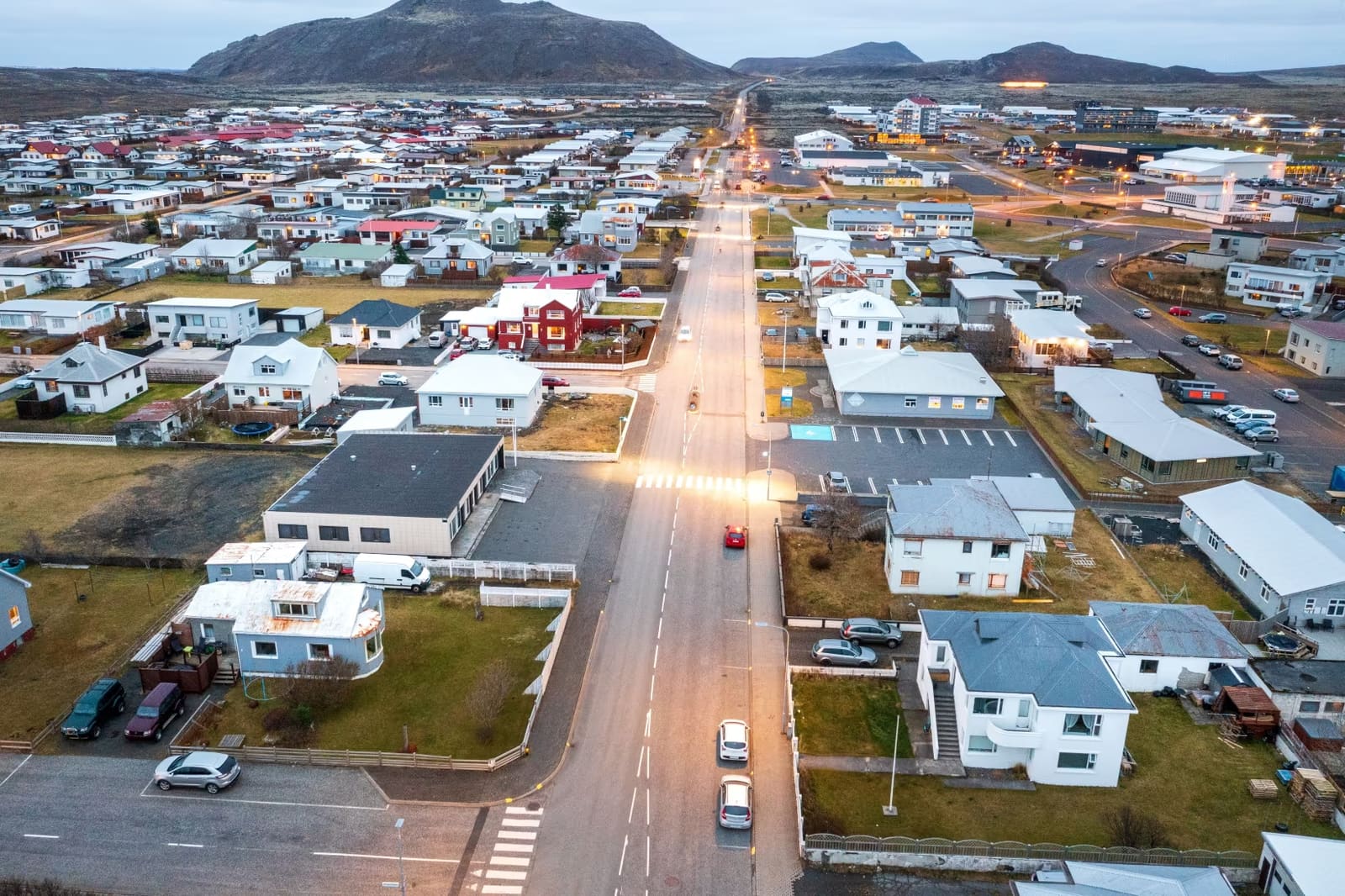
Grindavík helps travelers decide whether this Reykjanes harbor town deserves time for harbor walks, Hópsnes coast, and volcanic witness points, or whether it should stay a short route-context stop beside the Blue Lagoon and bigger peninsula landmarks.
Town snapshot
Grindavík is worth adding when you want Reykjanes to feel like more than geothermal highlights seen from the car. It is a weaker choice if the day still needs the peninsula's clearer first-trip anchors.
The town works best for travelers who want a human-scale stop with a harbor, shoreline, and visible signs of how recent volcanic activity has changed ordinary streets. That is a different reason to visit than booking Blue Lagoon or chasing the peninsula's big steam-and-cliff viewpoints.
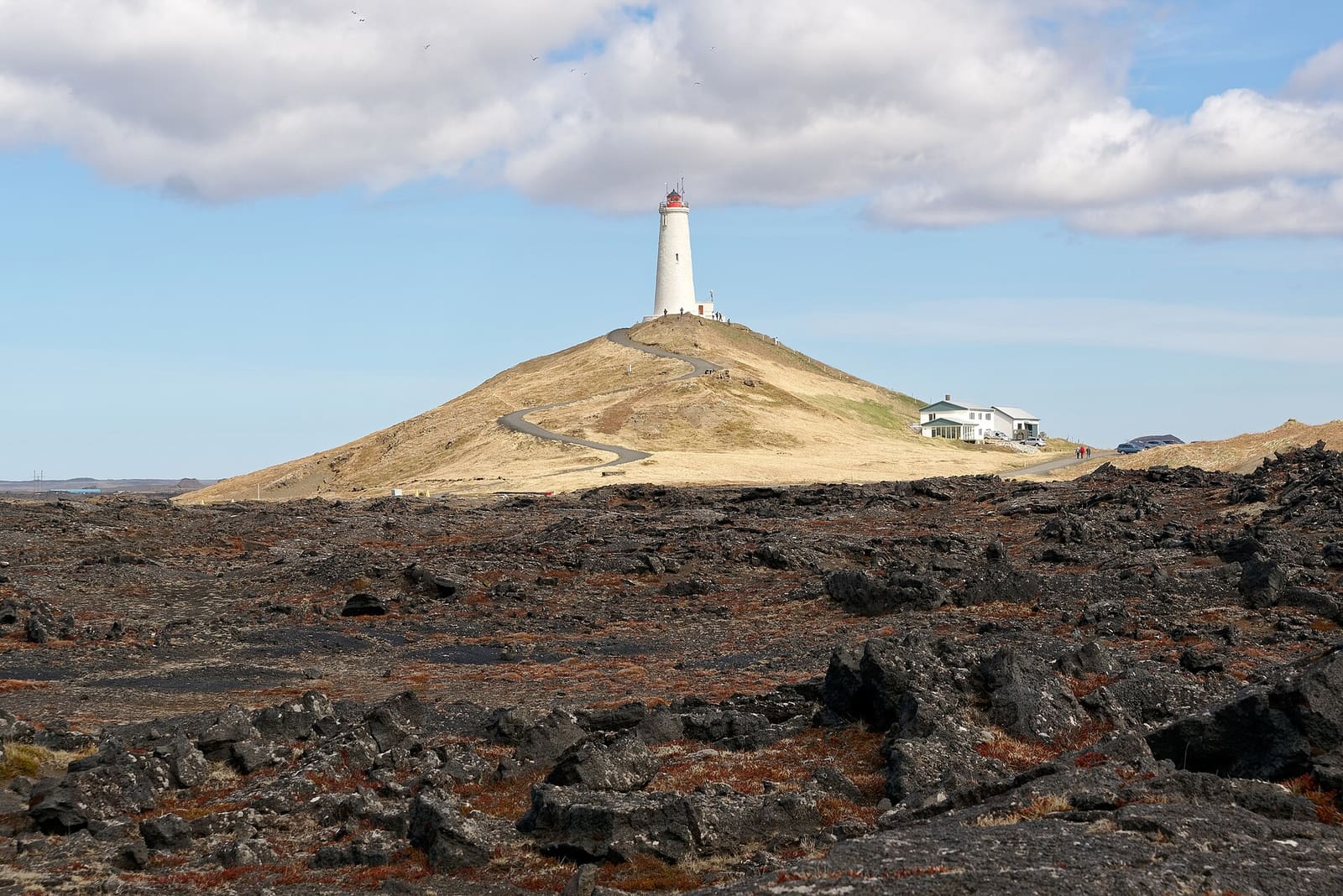
If your Reykjanes time is short, Grindavík should usually stay selective. Use it when the day already belongs on the southwest side of the peninsula, especially if Hópsnes, Gunnuhver, or the road toward Reykjanesviti Lighthouse are already in the plan.
| Trip need | Good fit | Weak fit |
|---|---|---|
| Harbor-town pause | You want fishing-town texture and visible volcanic change in one stop. | You only want one classic postcard landmark. |
| Blue Lagoon side trip | You have extra southwest Reykjanes time before or after the lagoon. | You are using the lagoon as a simple in-and-out stop. |
| Volcanic curiosity | You want to see how lava and fissures changed a real town. | You expect stable access with no need for same-day checks. |
Photo guide
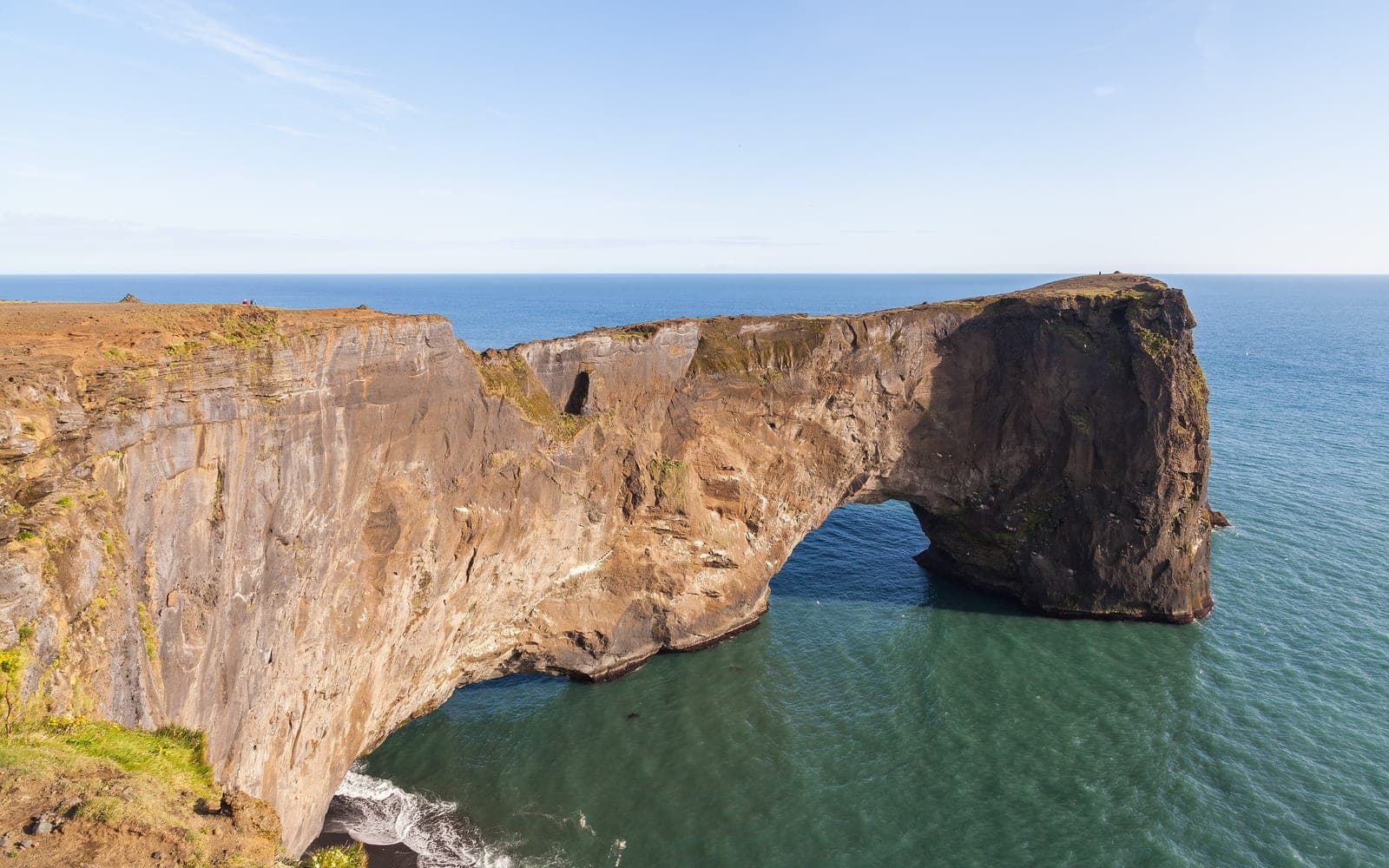
Hópsnes explains why Grindavík is more than a lava headline: the town is tied to coast, harbor shelter, and exposed shoreline.
Grindavík makes the most sense when you remember that it was a fishing town long before it became global volcano news.
The harbor is still the clearest anchor. It gives the town a working rhythm that feels different from the more abstract lava fields elsewhere on Reykjanes, and it keeps the place from turning into a one-note disaster stop.
That wider story comes into focus at Hópsnes, where the lava-formed spit, old wrecks, and exposed coast explain why Grindavík exists here at all. Visit Reykjanes ties Hópsnes directly to the natural harbor conditions that let the town grow around fishing.
If you want one deeper cultural layer, Kvikan and its saltfish exhibition give the harbor more meaning. That angle is useful for travelers who care about why the town mattered before the recent eruptions, not just what happened after them.
Recent eruptions and ground fissures are part of the town's public reality now, but they should change the way you plan the stop rather than turn it into a live-status guessing game.
Grindavík is one of the few Iceland towns where visitors can see how volcanic unrest reshaped streets, barriers, and everyday movement. That makes the stop unusually powerful if you are interested in landscape change, but it also means you should not assume that every street, viewpoint, or turnoff will behave like a normal town visit.
The Icelandic Meteorological Office continues to treat the Svartsengi and Sundhnúkagígar system as active, so the right planning habit is simple: check official access details, road conditions, and safety guidance before you commit the stop.
Most travelers should think in terms of 45 minutes to 2 hours, not a fixed half day.
A shorter visit works if you want a harbor look, one coastal pass, and a quick sense of how the town sits between older fishing heritage and newer lava barriers. A longer visit makes more sense only if you want to add Hópsnes, a meal by the harbor, or a slower walk between key points.
This is also a place where exact plans can age badly. Keep the route flexible, and do not build the whole day around one street, one barrier, or one business reopening.
Grindavík fits best inside a southwest Reykjanes cluster, but the pairings should stay selective.
The strongest easy pairing is Blue Lagoon, because it sits close by but answers a completely different travel need. Grindavík adds town and landscape-change context that the lagoon alone does not provide.
For a more geological day, combine the town with Gunnuhver or the coast near Brimketill Lava Rock Pool. For a wider peninsula sweep, use the Reykjanes Peninsula Road Trip guide before adding west-tip stops such as Reykjanesviti Lighthouse.
Skip the urge to turn Grindavík into a dozen-stop checklist. If the town is in the plan, let it do one clear job: harbor context, Hópsnes coast, or volcanic witness points inside a sensible southwest peninsula route.
Use this for visitor-access context around Grindavík and nearby eruption-affected areas.
Check weather and volcanic-monitoring updates before relying on a precise route.
Check safety guidance before walking near fresh lava, fissures, or exposed coast.
By ThorPublished Updated
Map
Use nearby places and useful bases before opening directions.
Interactive planning map for Grindavík
Interactive map
Place context and external map links remain available without loading it.
Planning context
Open the region or practical guide that resolves the next planning decision.
Wider route
Use broader place relationships for route comparison; they are not presented as immediate nearby stops.
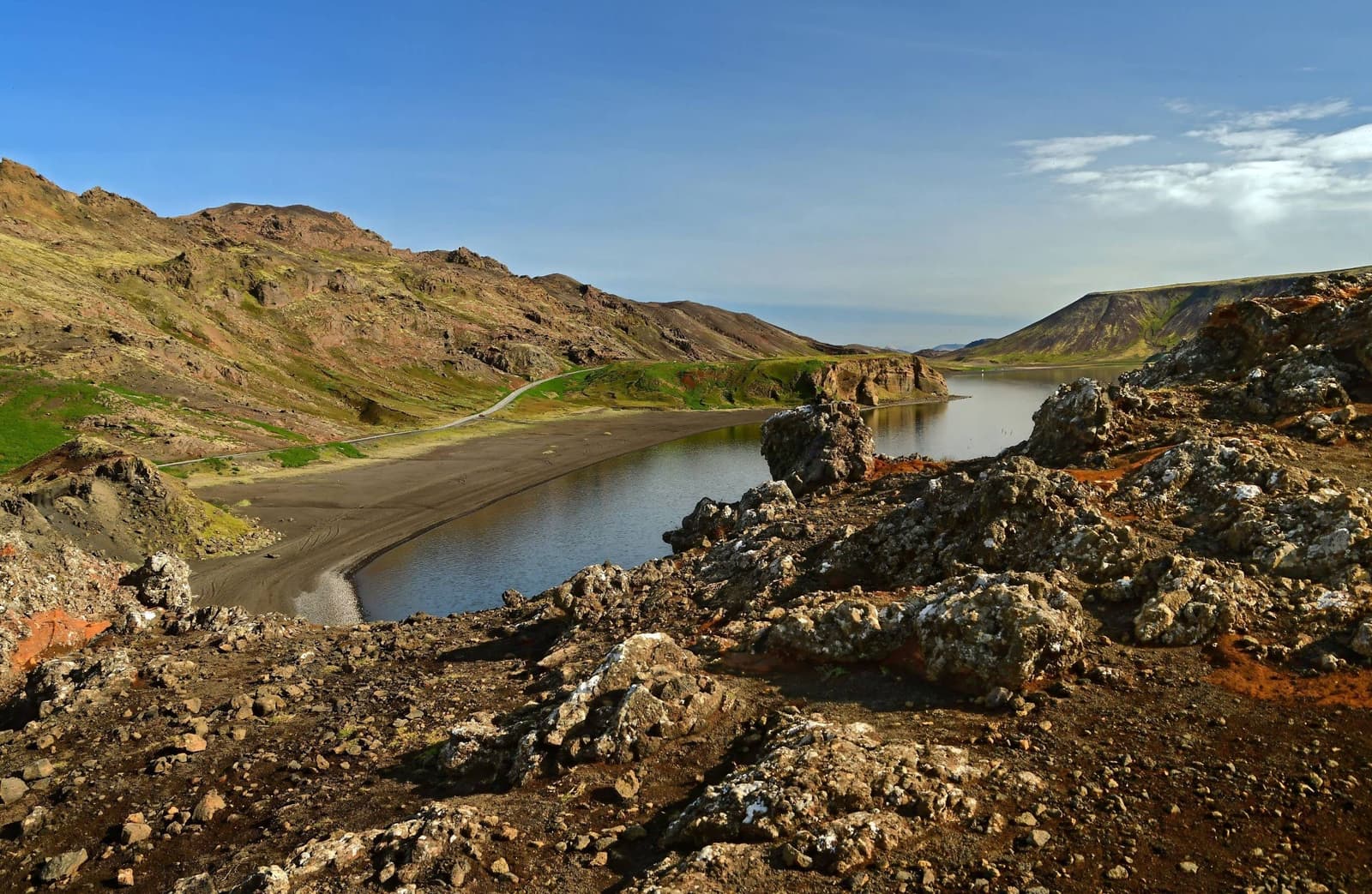
Kleifarvatn is a deep volcanic lake on the Reykjanes Peninsula, worth adding when you have a self-drive loop, clear visibility, and enough time to pair it with nearby geothermal stops.
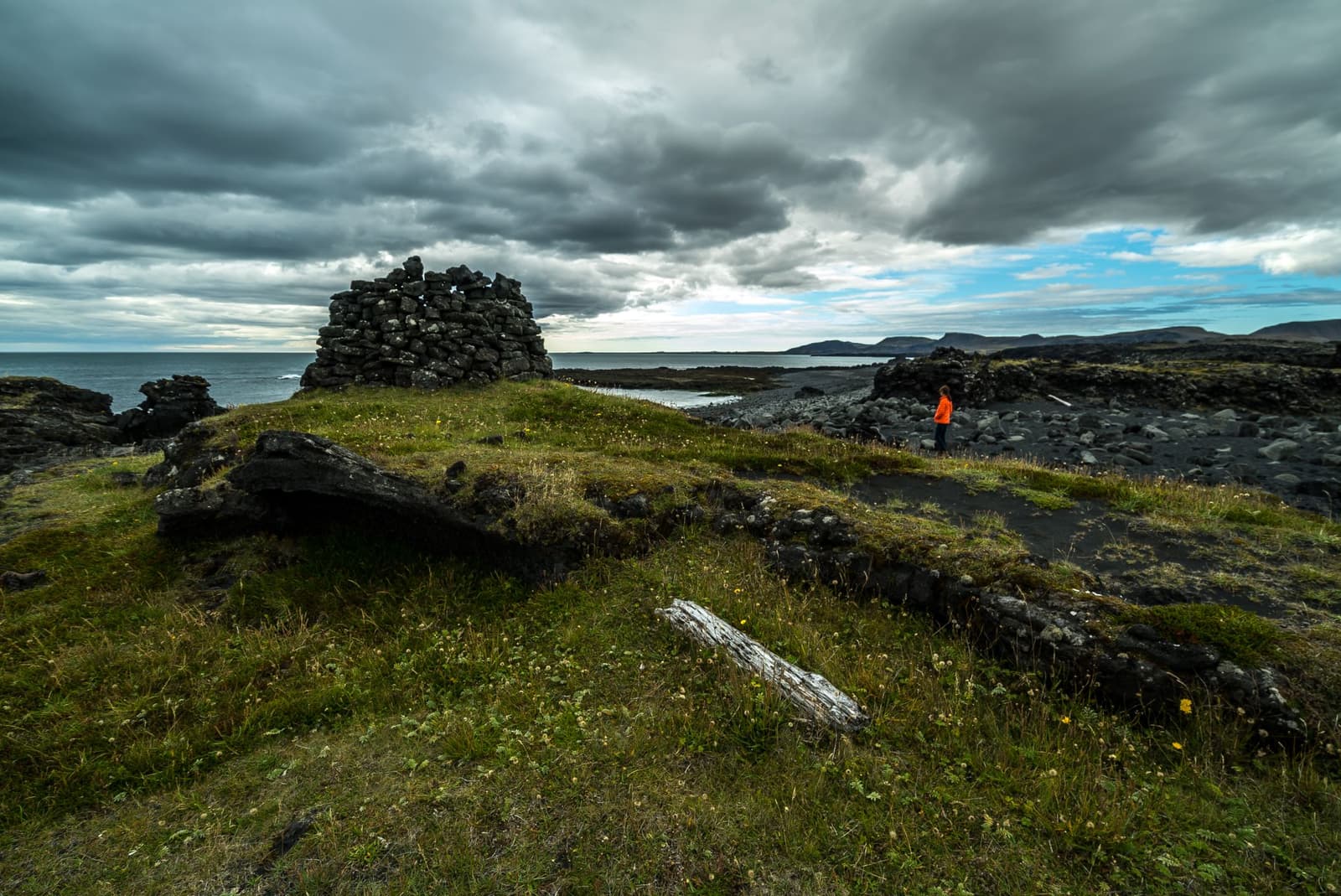
Selatangar is an abandoned fishing-station ruin on the south coast of the Reykjanes Peninsula, best for travelers who want lava, sea, and heritage texture enough to accept rough access checks.
Next step
Use the next page that helps turn this stop into a practical route decision.