Culture snapshot
- Type
- Folklore cave installation
- Region
- Keflavík, Reykjanesbær
- Best for
- Families and folklore fans
- Time
- About 20 to 45 minutes
- Access
- Marina-side walk and cave
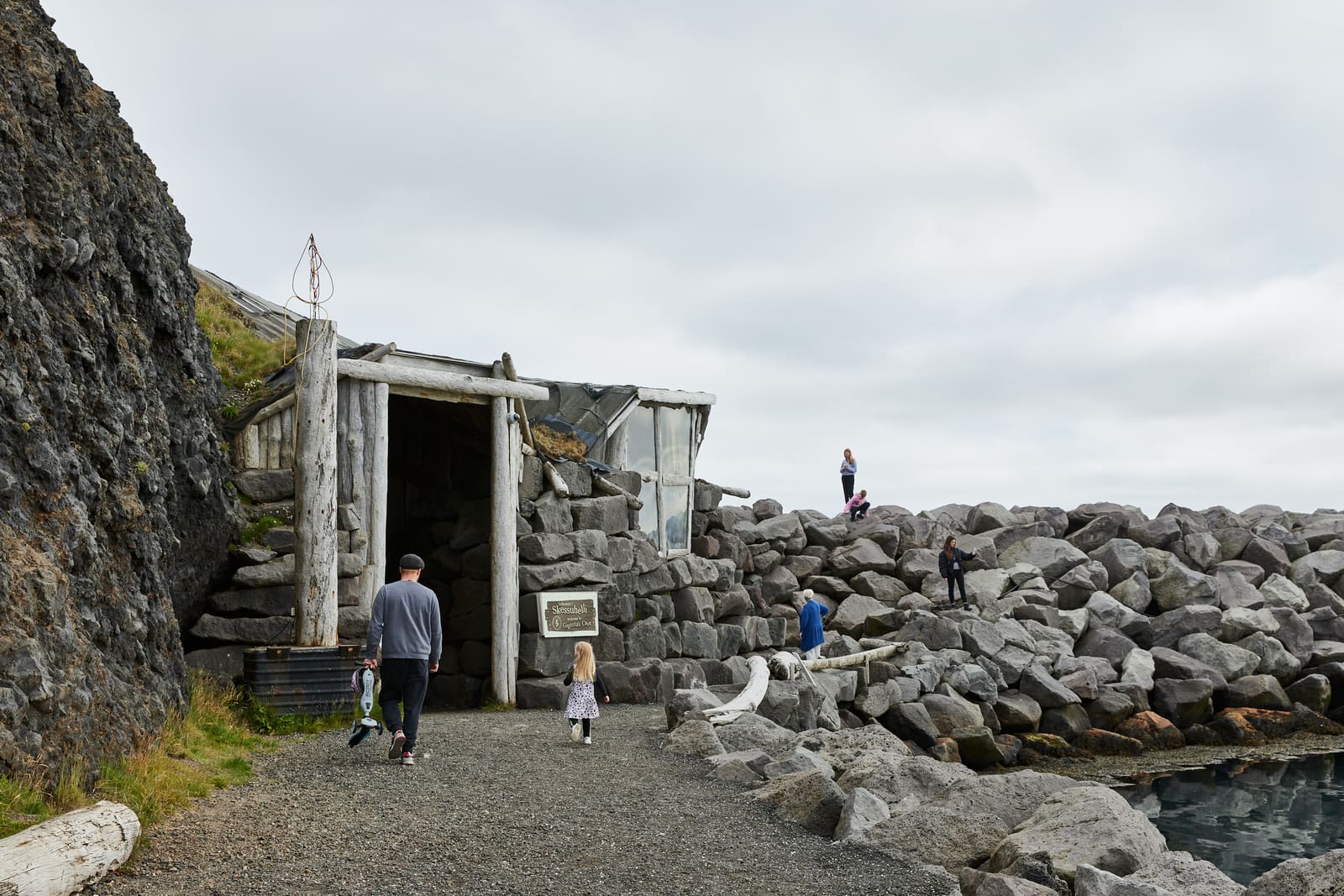
Giantess in the Cave is a playful Keflavík marina stop for families, folklore fans, and travelers deciding whether a short waterfront detour or story-led pause belongs in a Reykjanes day.
Culture snapshot
Yes, when you are already near Keflavík and want a playful stop that feels local, odd, and easy to understand quickly.
This is not a landscape headliner like Gunnuhver or a long cultural visit like Duus Museum. It works best as a short stop beside the marina, especially with children or travelers who enjoy Icelandic folklore.
The useful decision is simple: add it when Keflavík is already in your day, and skip it when you would be driving across Reykjanes only for the cave.
The cave is staged like a giant domestic room: a large seated giantess, oversized furniture, rough walls, and playful details that make the story physical.
The charm is not in scale alone. It is in the way a children's-book character has been turned into a room you can walk into, with the marina outside and the giantess resting inside her home.
Most travelers will understand the stop quickly. Give it enough time to look around, take the waterfront path slowly, and let younger visitors notice the giant-sized household details.
The cave makes more sense when you know it comes from the Sigga and the Giantess stories by Icelandic author Herdís Egilsdóttir.
Official and regional sources tie the attraction to a popular children's-book series that began in 1959. The cave opened in Keflavík during the Ljosanott town festival in 2008, when the character's move to Suðurnes became part of the public story.
That context changes the stop. Without it, the cave can feel like a quick novelty. With it, the visit becomes a small piece of local children's literature, public art, and Keflavík waterfront identity.
The strongest version of the visit is clustered, not isolated.
Start with the cave if children need something immediate, then use Duus Museum when you want art, local history, and maritime context nearby. If the day needs a different indoor cultural angle, The Icelandic Museum of Rock 'n' Roll gives Keflavík a music-history stop.
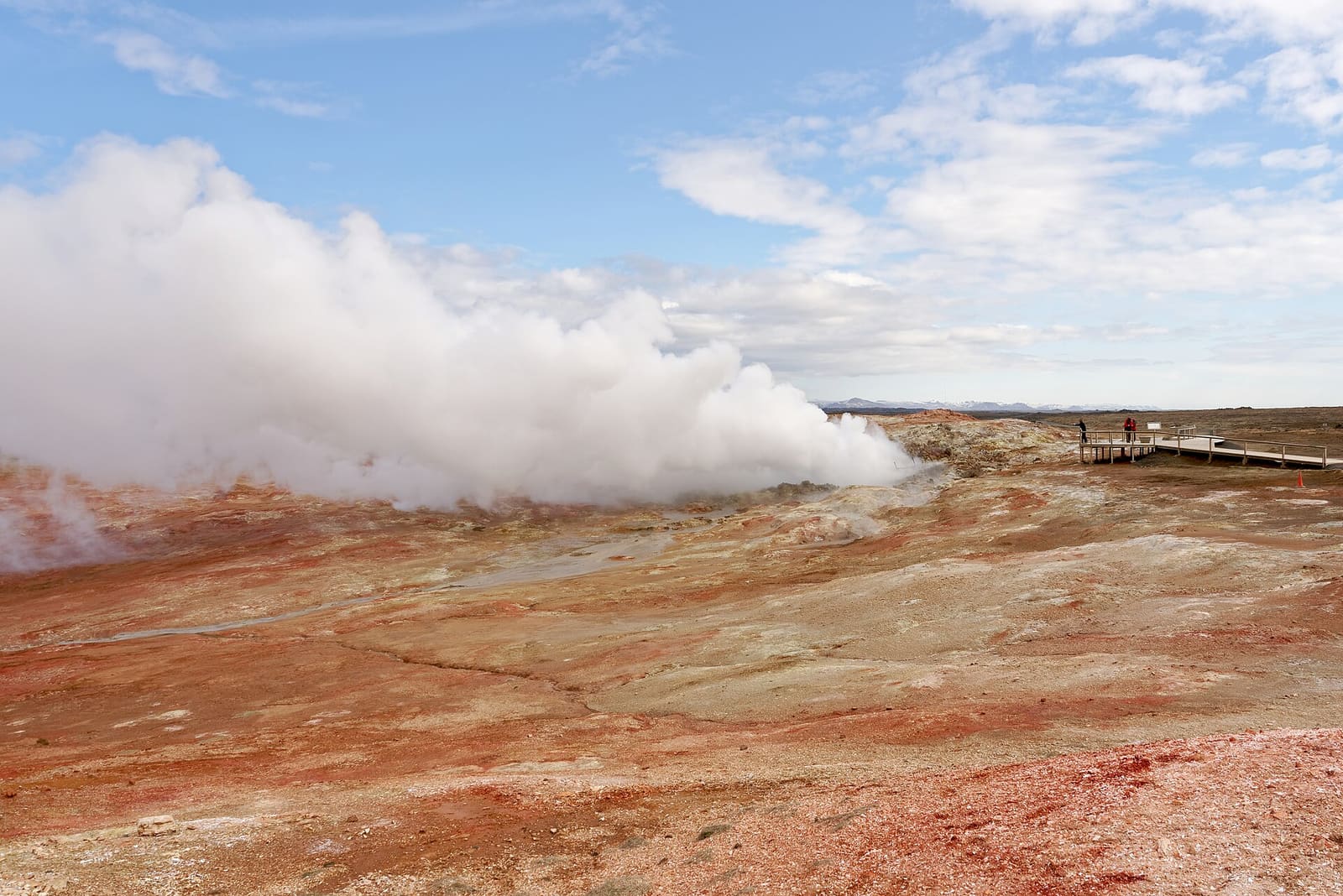
For a wider southwest day, keep Giantess Cave small and let stronger Reykjanes anchors do the heavy lifting: Blue Lagoon, Gunnuhver, Reykjanesviti, or Stekkjarkot, depending on your route and energy.
Keep the plan flexible unless you have checked official visitor information close to your visit.
Use for the official attraction page and visitor-detail checks.
Use for regional context and Icelandic naming.
Use for additional Keflavík route context and nearby Reykjanes pairings.
These are the practical questions that decide whether the stop belongs in a real day.
Yes, it is one of the more child-friendly Keflavík stops because the whole place is built around a story character and oversized details.
Usually no. It is better as part of Keflavík, airport-side, or Reykjanes Peninsula time than as a single-purpose drive.
By ThorPublished Updated
Map
Use nearby places and useful bases before opening directions.
Interactive planning map for Giantess in the Cave
Interactive map
Place context and external map links remain available without loading it.
Planning context
Open the region or practical guide that resolves the next planning decision.
Wider route
Use broader place relationships for route comparison; they are not presented as immediate nearby stops.
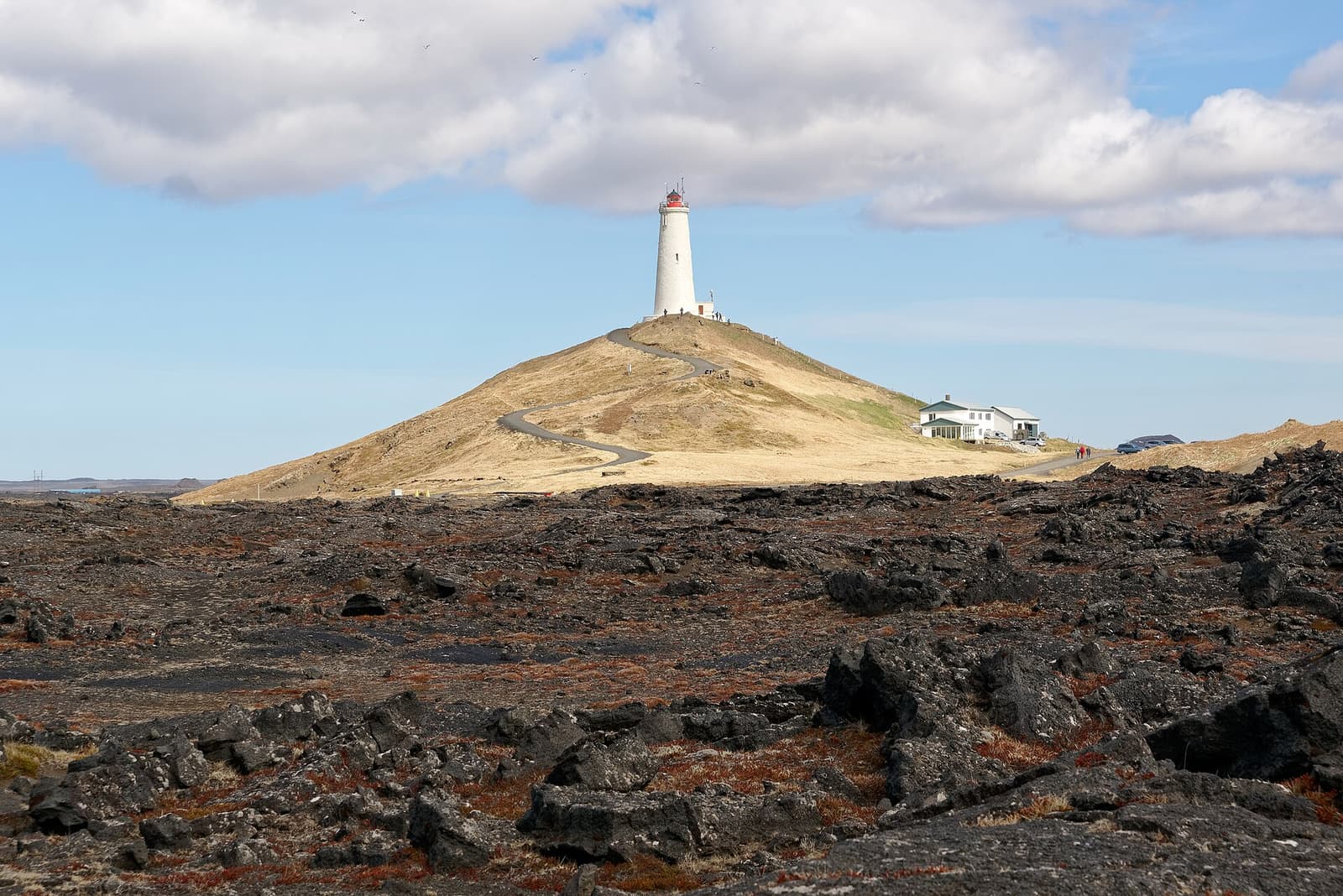
Reykjanesviti is a lighthouse stop at the edge of Reykjanes, useful when Gunnuhver, cliffs, waves, and peninsula driving conditions already shape the day, with enough flexibility for conditions and nearby route choices.
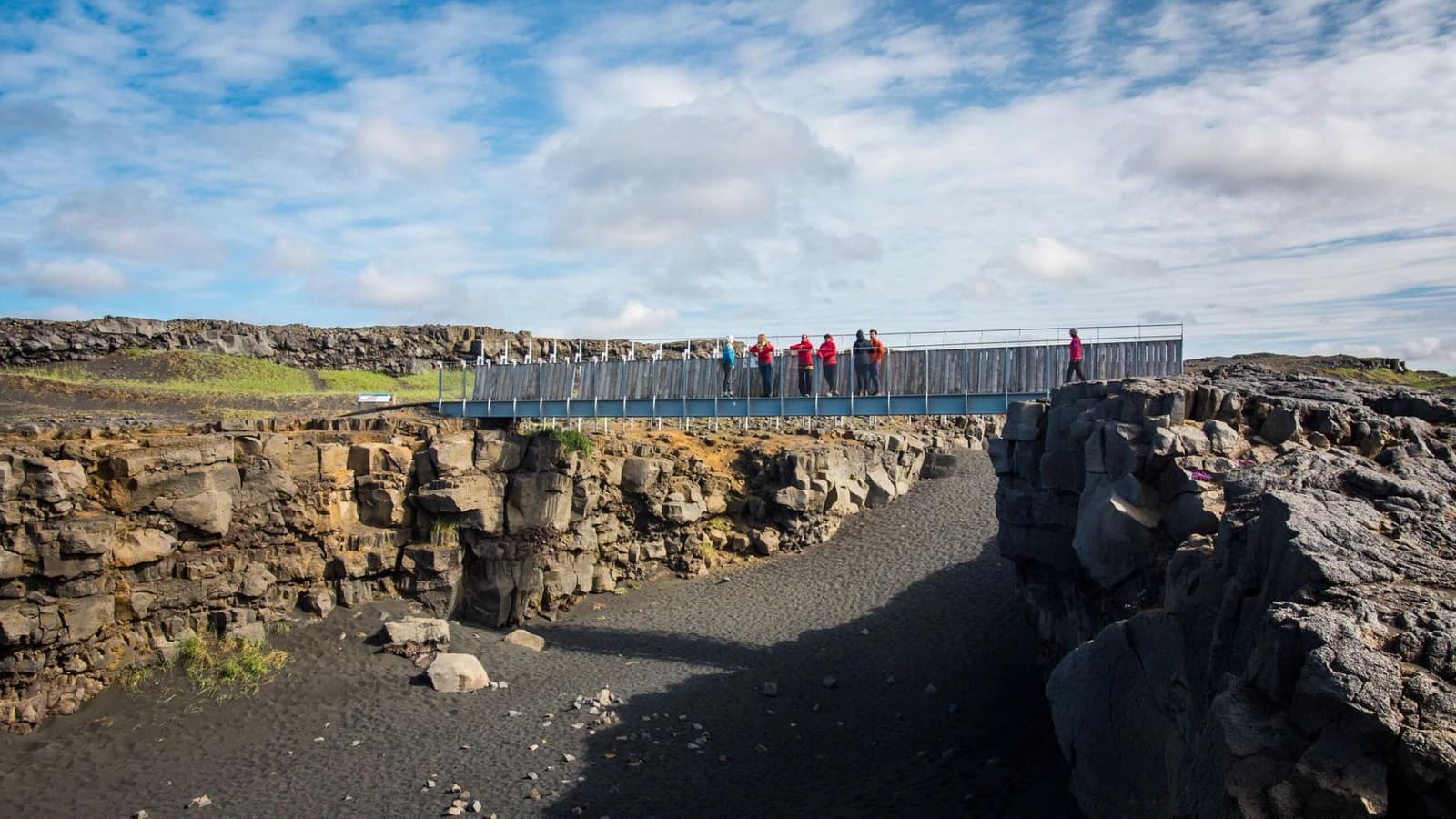
Bridge Between Continents is a symbolic 2002 footbridge over a real Reykjanes fissure, useful as a short geology stop only when current crack warnings, weather, and a wider western-peninsula route support it.
Next step
Use the next page that helps turn this stop into a practical route decision.