Duus Museum is Keflavík's waterfront culture complex, best for travelers who want local history, art, maritime exhibits, and Reykjanes context before or after airport, Blue Lagoon, or peninsula plans.
Culture snapshot
Type
Museum, art and cultural center, maritime heritage, and Geopark visitor context
Setting
Duusgata 2-8 by the old harbor and marina area in Keflavík, Reykjanesbær
Time to allow
About 45-90 minutes for most visits; longer if exhibitions, art, or the waterfront walk matter
Best reason to go
To make Keflavík feel like a real cultural stop instead of only an airport town
Route role
A compact Reykjanes culture stop before or after Blue Lagoon, airport, or peninsula sightseeing plans
In this guide
Is Duus Museum worth adding to your Keflavík stop?
Yes, if Keflavík is part of your day rather than just the airport. Duus Museum is most useful when you want a compact culture stop with art, local history, maritime displays, and Reykjanes context.
Duus Museum sits by the old harbor in Reykjanesbær, inside a historic waterfront complex rather than a purpose-built city museum. That setting gives the visit a clear identity: Keflavík as a fishing, trading, art, and coastal town, not only the place beside Iceland's main airport.
The museum is worth adding when the day needs a weather-flexible stop before or after the Blue Lagoon, a Reykjanes Peninsula drive, or a slower Keflavík walk. It is easy to skip when your schedule only has room for one major outdoor sight and an airport transfer.
Add Duus Museum on an arrival or departure day with spare margin, especially for travelers who like small museums and harbor towns. Skip it from a tight first-day plan that already includes the Blue Lagoon, luggage timing, and a long onward drive.
Photo guide
Duus Museum in photos
Keflavík bay context keeps Duus tied to the harbor side of Reykjanesbær.
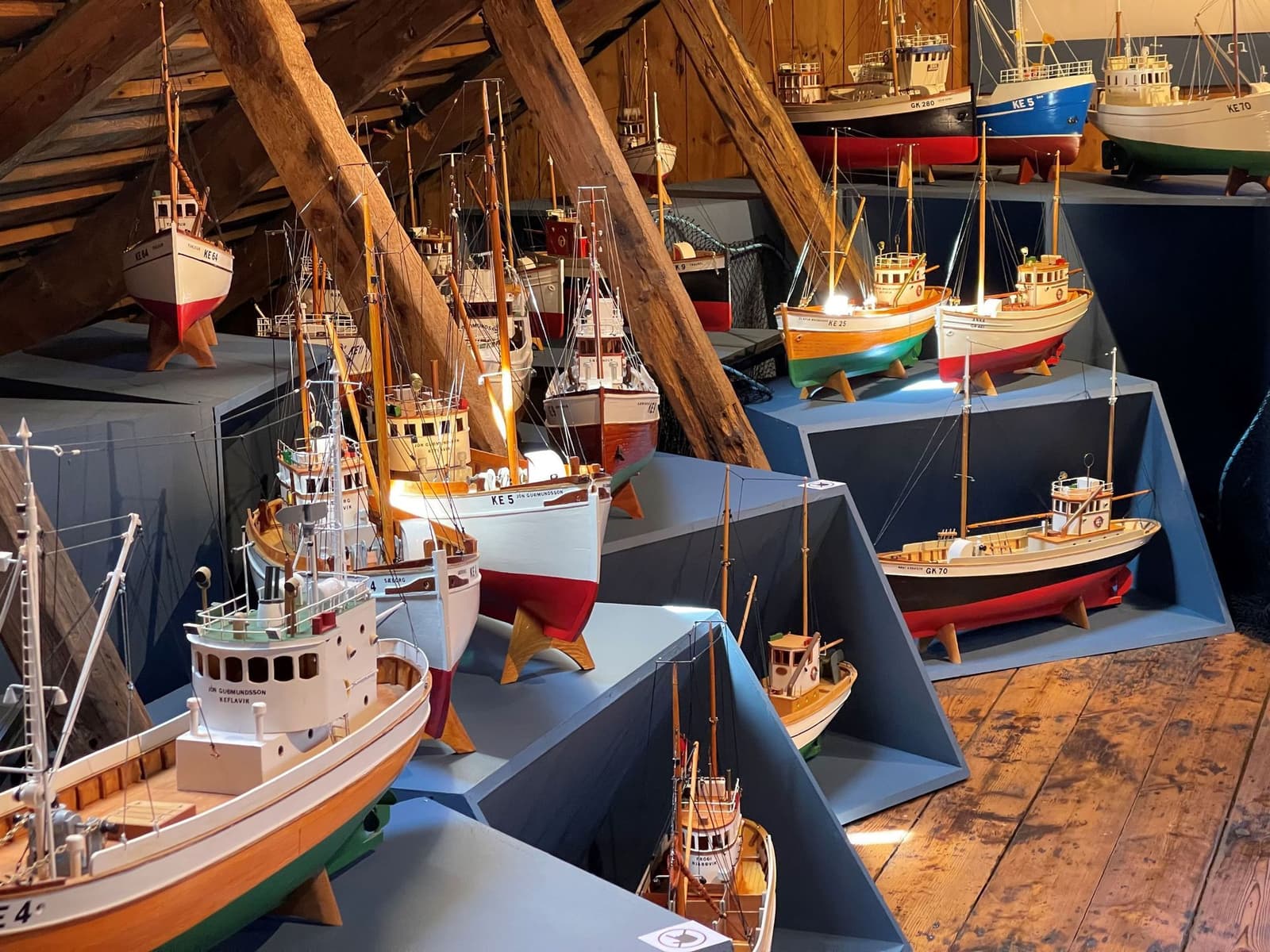
Expect a mixed cultural complex rather than a single-topic museum
Expect a mixed cultural complex rather than a single-topic museum: Reykjanesbær heritage, art exhibitions, maritime material, and a visitor-facing introduction to the Reykjanes landscape.
The official Duus Safnahús site describes the building as home to Reykjanesbær Heritage Museum, Reykjanes Art Museum, and the Reykjanes UNESCO Global Geopark visitor center. That mix is the point of the visit: one compact stop can move from local history to contemporary art to regional geology.
The local-history side gives the complex its roots. The Merchant Duus houses connect the waterfront to trade, storage, fishing, and town development, while the art museum gives the visit a more contemporary layer.
The art museum layer makes Duus more varied than a simple local-history stop.
Do not expect one fixed greatest-hits route to remain the same on every visit. Treat Duus as a cultural complex where exhibitions, halls, and visitor programming can vary, then use official visitor information when a specific exhibition or service matters.
Duus Museum: most travelers should allow about 45-90 minutes
Most travelers should allow about 45-90 minutes. A quick look can be shorter, but the museum works better when you leave enough room for both the interior and the waterfront setting.
Choose the Duus Museum visit that fits your day.
Visit style
Best fit
Time to protect
Quick harbor culture pause
You want one indoor stop before returning to the road or airport.
About 30-45 minutes
Balanced Duus visit
You want the art, local-history, maritime, and Geopark layers to make sense.
About 45-90 minutes
Slow Keflavík stop
You like exhibitions, harbor walks, and small-town context.
About 1.5-2 hours
The balanced version is usually the right planning unit. It gives you enough time to understand the complex without letting the stop crowd out Blue Lagoon, Gunnuhver, Reykjanesviti, or an airport deadline.
Duus rewards a slower pace because the rooms shift between art, history, and harbor-building atmosphere.
How does Duus Museum fit with Blue Lagoon and Reykjanes sights?
Use Duus Museum as the cultural layer of a Reykjanes day. It should support the route, not compete with the peninsula's bigger lava, geothermal, and coastal stops.
If your plan starts or ends near Keflavík, Duus can make the airport side of the trip feel less transactional. It pairs naturally with the old harbor, a short waterfront walk, and a broader Reykjanes Peninsula Road Trip plan.
For a bigger landscape day, compare museum time with Gunnuhver, Reykjanesviti Lighthouse, and Eldvörp. Those stops give you the peninsula's geothermal, coastal, and lava-field identity more directly.
The harbor and coastal path make the museum easier to pair with a short Keflavík walk.
For many travelers, the practical choice is Duus plus one major Reykjanes stop, not Duus plus every nearby sight. If the day already includes bathing time at the Blue Lagoon, keep the museum flexible.
What makes the waterfront buildings important?
The buildings are part of the attraction. The Merchant Duus houses tie the museum to Keflavík's trading and harbor history, so the setting is not just a backdrop.
Reykjanesbær Heritage Museum describes the Old Store and Pier House as surviving buildings tied to merchant Pétur Duus and the old business activity in Keflavík. That history makes the museum feel rooted in its exact location beside the harbor.
This is why Duus works best when you notice the exterior, the marina, and the waterfront as well as the exhibitions. The stop is small, but it has a strong sense of place because the building complex, harbor, and collection are connected.
The waterfront buildings are a major part of the museum's identity.
When should you choose Duus over another Reykjanes stop?
Choose Duus Museum when culture, weather shelter, local history, or a slower Keflavík stop matters more than adding another outdoor viewpoint.
Choose Duus for art, local history, maritime exhibits, and a harbor-town feel.
Choose Blue Lagoon when bathing is the main southwest Iceland priority.
Choose Gunnuhver or Reykjanesviti when the day needs geothermal steam, coastline, and lighthouse scenery.
Choose Eldvörp when lava-field and volcanic context matter more than indoor exhibits.
Keep Duus optional when airport timing, daylight, or weather makes the day fragile.
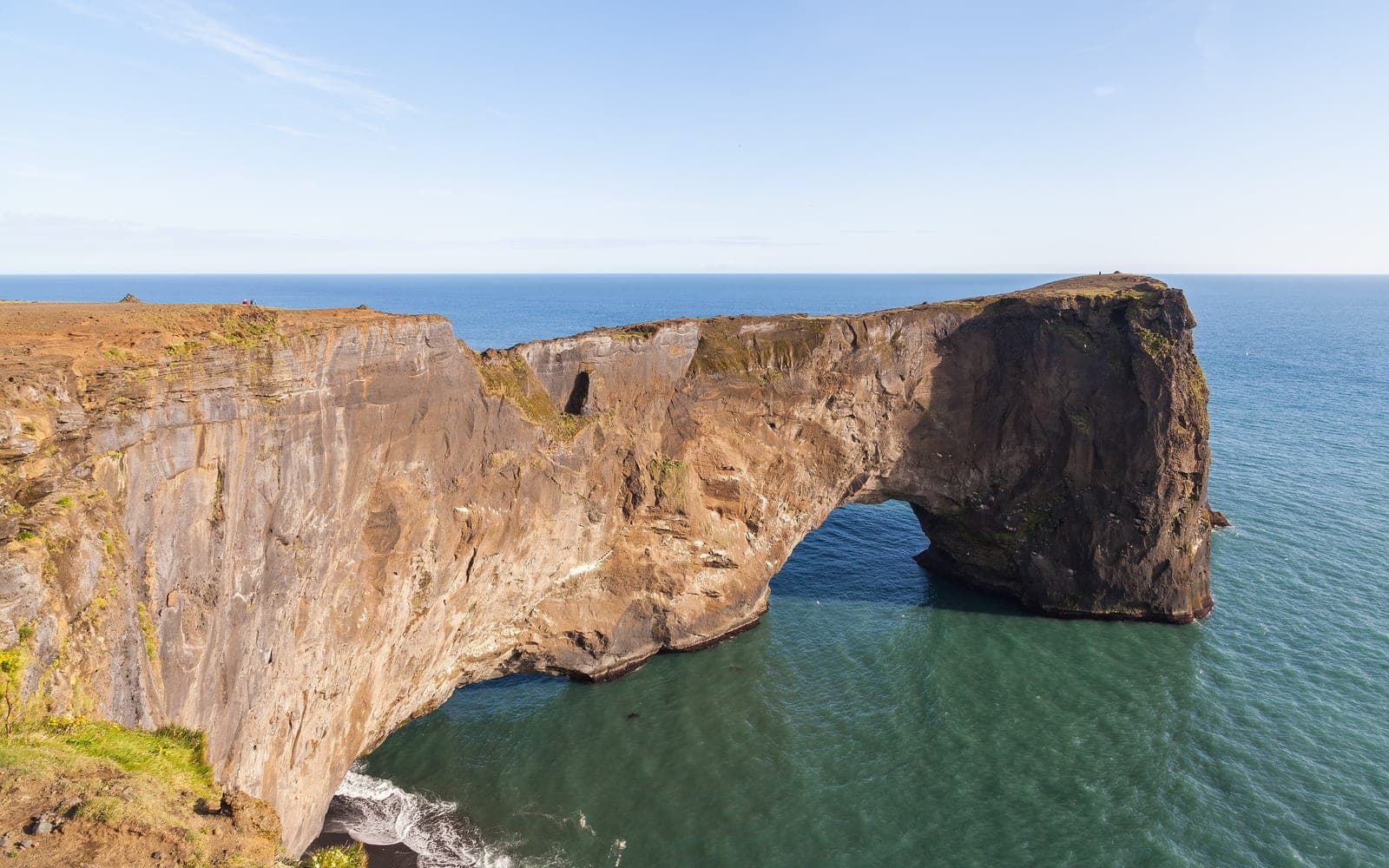
The Geopark material helps connect the indoor stop to the volcanic peninsula outside.Exhibitions can shape the value of the visit, so check official museum information when a specific show matters.
Use official visitor information before making Duus Museum a fixed part of a tight day
Use official visitor information before making Duus Museum a fixed part of a tight day. Exhibitions, events, services, group visits, and access details can affect whether the stop fits.
Check the official Duus Museum or Reykjanesbær museums pages for visitor details, exhibitions, events, group information, admission setup, and access guidance. Use road and weather sources if the museum is part of a wider Reykjanes drive in wind, winter, or poor visibility.
Use for wind, visibility, and weather-sensitive driving decisions.
Duus Museum FAQ
These questions help decide whether Duus Museum belongs in an airport-side day, a Keflavík walk, or a broader Reykjanes route.
Is Duus Museum good for an arrival or departure day?
Yes, when you have real buffer time in Keflavík or Reykjanesbær. Keep it optional if luggage, flights, bathing time, or a long drive make the day tight.
How long do you need at Duus Museum?
Most travelers should allow about 45-90 minutes. Use the shorter end for a focused culture pause and the longer end if art exhibitions, local history, or the harbor walk matter.
Is Duus Museum mainly an art museum?
No. Art is a major part of the complex, but Duus also includes local-history, maritime, cultural, and Reykjanes Geopark visitor context.
Should you visit Duus Museum or the Blue Lagoon first?
Choose based on the day rhythm. Duus is a compact cultural stop; the Blue Lagoon is a larger bathing commitment. If the bathing plan is fixed, keep Duus flexible around it.