Garðabær helps travelers decide whether a calm town beside Reykjavík is worth a half day, an overnight, or just a pairing with Álftanes, Bessastaðir, and nearby lava walks rather than another capital-area checklist.
Geology snapshot
Type
Capital-area town with lava, coast, and design culture
Region
Southwest capital area beside Reykjavík
Best use
Half day, slow overnight, or nearby pairing
Time
2 to 5 hours, or longer if staying
Standout
Design museum, lava trails, and Álftanes links
In this guide
Is Garðabær worth leaving Reykjavík for?
Yes, when you want a calmer capital-area stop with one or two concrete reasons to pause. No, if you only have room for the biggest Reykjavík sights and still need them all to fit.
Garðabær works best as a local contrast. It gives you quieter streets, protected lava, nearby coast, and a design-museum angle without sending you into a full regional detour. That is useful if your trip already includes Reykjavík and you want something slower than another city-center circuit.
It is much weaker if you expect one famous landmark to carry the stop. Travelers who still need their first look at Hallgrímskirkja, Perlan, or a bigger capital-area anchor should protect those first. Garðabær earns time later, or when the day needs lower effort and less crowd pressure.
Photo guide
Garðabær in photos
1 / 3
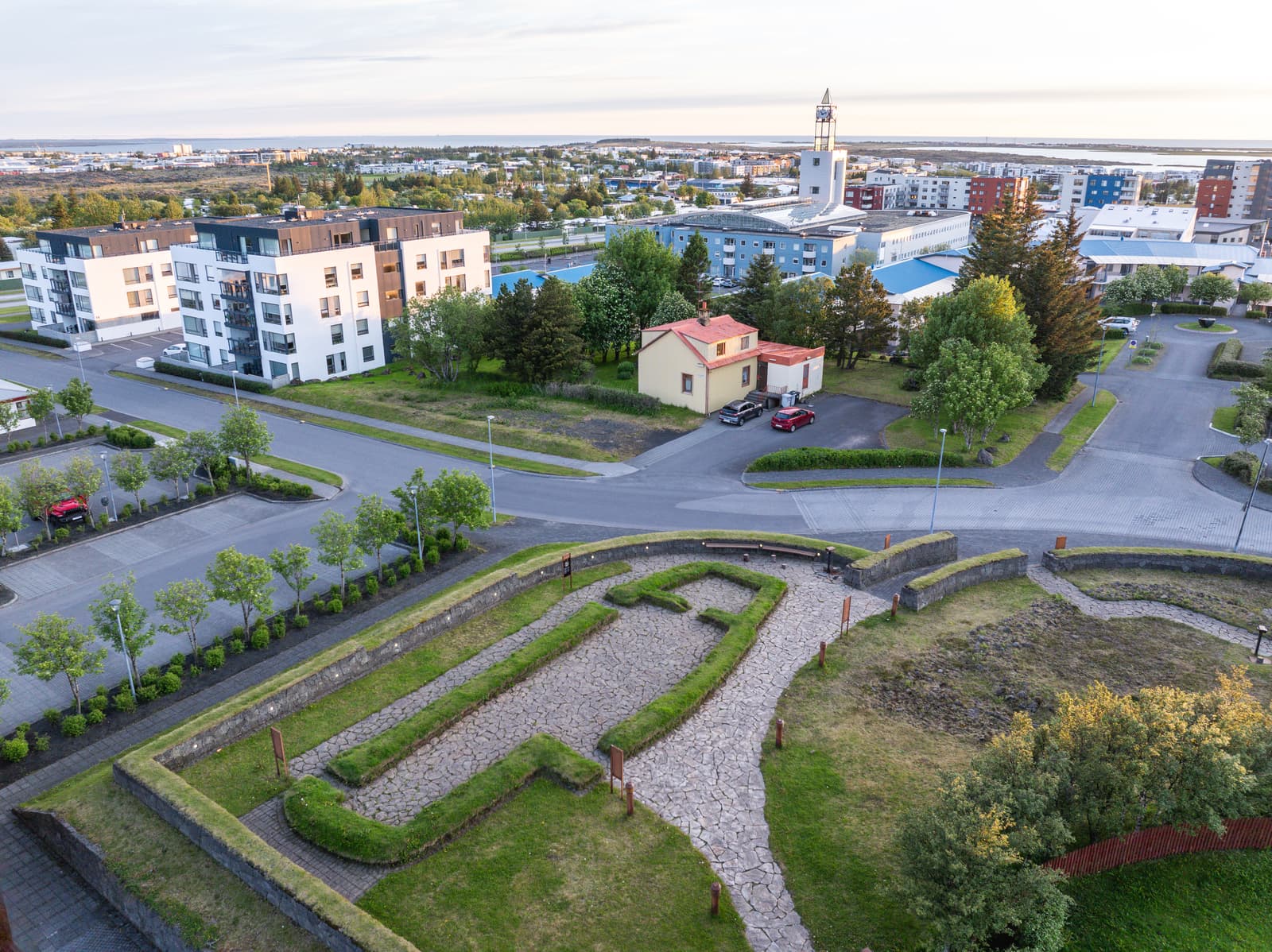
Álftanes is one reason Garðabær works as a wider municipality stop rather than only a town-center pause.
What makes Garðabær feel different from Kópavogur or Hafnarfjörður?
Garðabær feels more spread out and quieter than either neighbor. Its appeal is not a tight harbor center or a dense museum district, but the way town, lava, and coast sit close together.
Hafnarfjörður is the stronger choice if you want a more obvious harbor-town rhythm and a compact center that reads quickly. Kópavogur is stronger when architecture, museums, and shopping already shape the day. Garðabær is more convincing when you want the capital area to feel lighter and more open.
That difference matters because Garðabær does not ask you to commit to a long list. It works when you choose one lane: design, lava, nearby Álftanes, or a quiet overnight that keeps you close to Reykjavík without staying in the middle of it.
The design museum is the clearest reason Garðabær feels culturally distinct from a generic suburb.
How Garðabær compares with nearby capital-area town stops
Place
Best when
Tradeoff
Garðabær
You want a calmer mix of design, lava, and nearby coast
The town is less immediate if you want one famous landmark
Hafnarfjörður
You want a clearer harbor-town center and culture stop
It can feel busier and more town-led than landscape-led
Kópavogur
You want a stronger museum and urban-services day
It is weaker if the real draw is lava, coast, or quiet local space
Why the design museum and lava fields are the real reason to stop
Garðabær becomes more interesting when you stop thinking of it as a suburb and start treating it as one of the few capital-area places where contemporary design and protected volcanic landscape sit close together.
The clearest cultural reason to pause is the Museum of Design and Applied Art, which gives the town a genuine Icelandic design angle rather than a token local museum. If you already care about furniture, textiles, craft, or how Icelandic design has been shaped in daily life, that is enough to give Garðabær a different identity from a generic place to sleep.
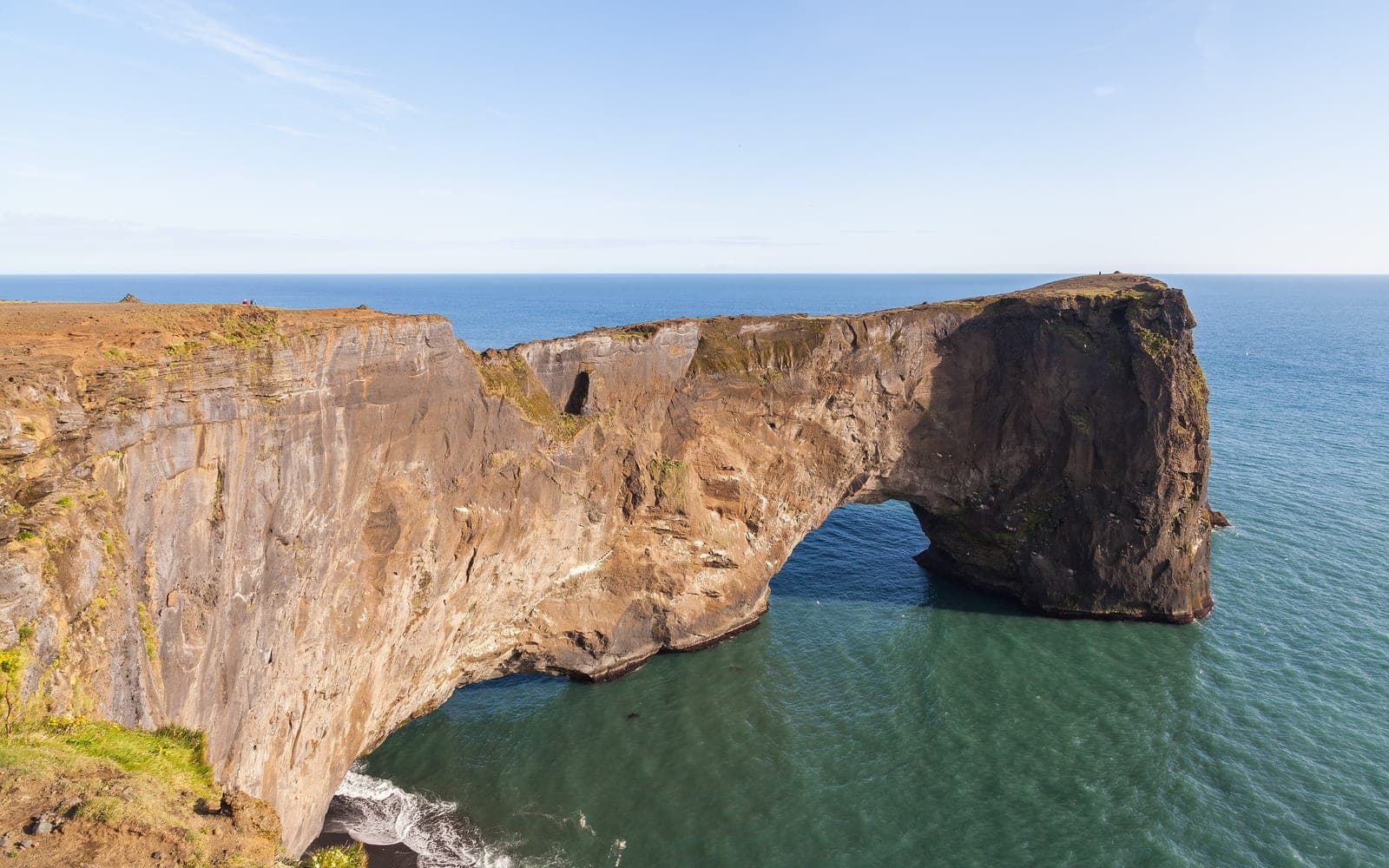
The natural counterpart is Gálgahraun and the wider Búrfell and Búrfellsgjá landscape. Those protected lava areas are not distant wilderness, but they are strong proof that Garðabær's appeal is more than tidy streets and proximity to the capital. They add geology, birdlife, and a more open feeling than most travelers expect this close to Reykjavík.
Gálgahraun gives Garðabær a real lava-field identity close to the capital area.Búrfell and Búrfellsgjá are the more rugged side of Garðabær's geology story.
How should you shape a half day with Álftanes, Bessastaðir, and Vífilsstaðavatn?
The best version is selective. Garðabær gets better when you pair it with one nearby place that deepens the day instead of trying to cover everything around it.
Pair it with Álftanes if you want coast, birdlife, and a quieter peninsula rhythm.
Choose Bessastaðir when history and the Álftanes setting are the real reason for the stop.
Use Vífilsstaðavatn when the day needs an easy local nature walk instead of another town center.
Leave room for only one of those pairings if the trip is already balancing Reykjavík and another larger attraction.
That pairing logic is the main practical value of Garðabær. It gives structure to a capital-area day that might otherwise feel undecided: urban sights in Reykjavík, a quieter town layer in Garðabær, then one nearby coast or nature anchor instead of constant switching.
Bessastaðir is the strongest cultural pairing when you want Garðabær to open into nearby coast and history.
If you want a fuller town stop instead, Hafnarfjörður is usually the stronger standalone choice. Garðabær works when the nearby pairings are part of the argument.
How much time does Garðabær need, and what should you check first?
For most travelers, Garðabær needs between two and five hours. That is enough for one cultural stop, one outdoor layer, and a calmer pace than central Reykjavík usually gives you.
A shorter visit can work if you stay tightly focused on one museum or one walk. A longer visit makes more sense when you are staying nearby, combining Garðabær with Álftanes, or using the town as part of an easy arrival or departure day near the capital.
Before you commit, check official museum information for exhibitions and visitor details, then confirm weather and local driving conditions if shoreline or lava walks are part of the plan. The page stays useful when you treat those details as variables instead of promises.