Culture snapshot
- Type
- Art museum and cultural centre
- Region
- Hafnarfjörður, near Reykjavík
- Best for
- Local art and culture time
- Time
- About 45 to 90 minutes
- Access
- Town-centre stop with bus options
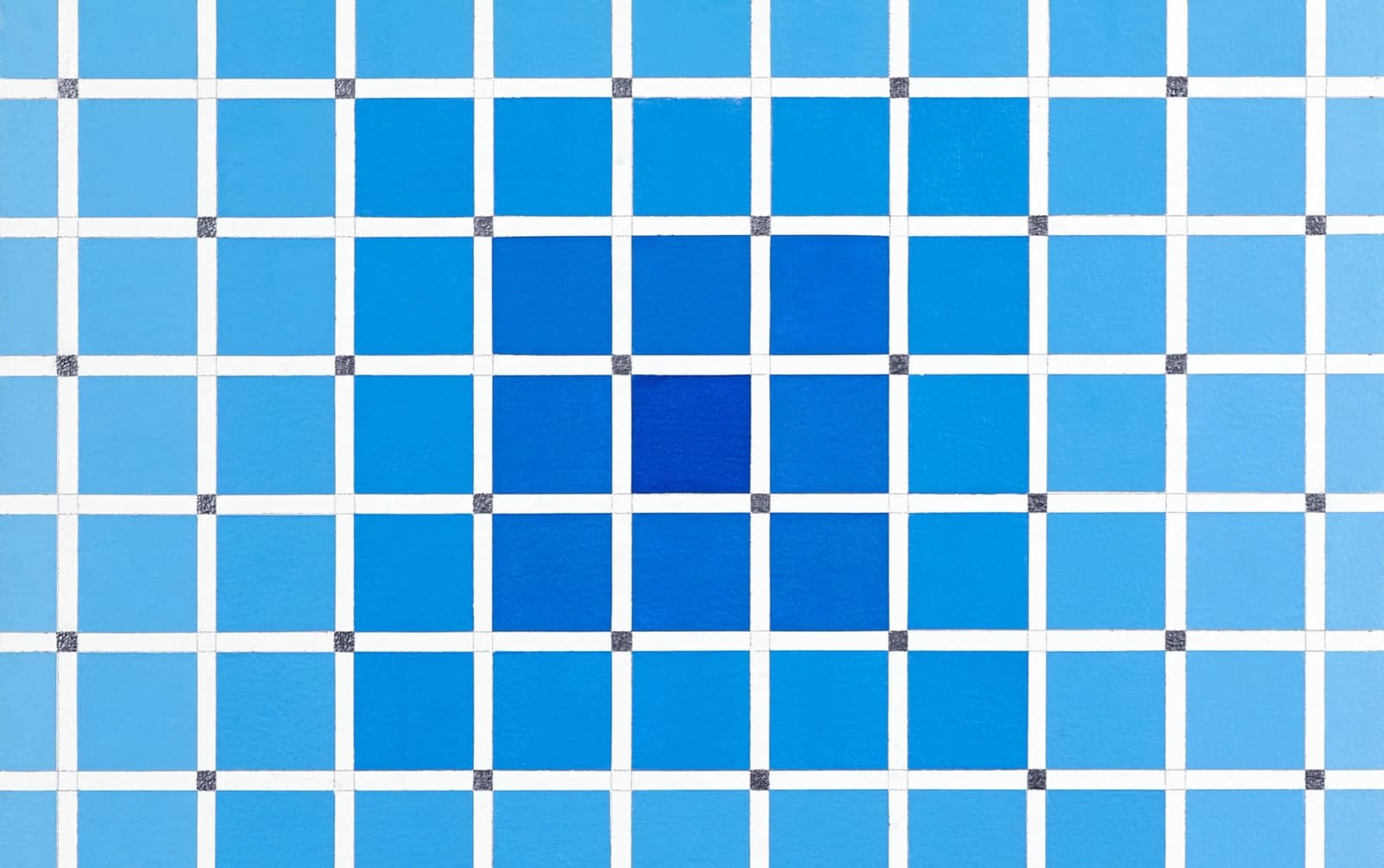
Hafnarborg is a Hafnarfjörður art museum and cultural centre for travelers who want a capital-area culture stop with changing exhibitions, local art-collection context, concerts, and a stronger town setting than another generic indoor break.
Culture snapshot
Yes, when your capital-area day needs local art, a compact indoor stop, or a reason to spend time in Hafnarfjörður itself. It is less persuasive as a scenery-first detour.
Hafnarborg is useful because it gives Hafnarfjörður a cultural stop with a real address, a town-centre setting, and changing art rather than just another quick harbour pause. That makes it a better fit for travelers who want the capital area to include more than downtown Reykjavík landmarks.
Choose it when exhibitions, Icelandic art, or a weather-flexible pause sounds like a good use of an hour. Leave it out when the day is already built around outdoor lava, coast, pools, or a fast airport-side schedule.
The museum sits on Strandgata in Hafnarfjörður, and that setting matters. The visit feels more local than a central Reykjavík museum route.
Official museum history connects Hafnarborg to a former pharmacy building and a donated house, art collection, and books. That origin gives the stop a civic, town-owned feel rather than the scale of a national institution.
That distinction helps with planning. If you are already comparing Hafnarfjörður, Ástjörn, Hvaleyrarvatn, or a capital-area museum day, Hafnarborg can make the town stop feel more rounded.
Hafnarborg is strongest when you care about the exhibition programme rather than a fixed permanent-display checklist.
The official programme describes exhibitions across Icelandic visual art, from historical collection work to experimental contemporary projects. That means the exact reason to go can shift, while the durable visitor value stays the same: a compact look at art in a local Hafnarfjörður institution.
This is why the museum is a better choice for curious art travelers than for visitors who need one guaranteed iconic object. Check what is on, then decide whether it fits your day.
A useful secondary angle is Hafnarborg's role as a cultural venue. The museum is not only a room of changing exhibitions.
Official Hafnarborg pages describe visual art, music, education, research, lectures, guided tours, and concerts as part of the centre's work. For travelers, that means the best visit may be shaped by a programme, not only by the standing collection.
Do not build a trip around a specific event without checking the museum directly. But if you like small cultural venues, this programme angle can make Hafnarborg more interesting than a simple rain backup.
The museum works best when it gives structure to a Hafnarfjörður pause. It is less useful when it is squeezed between too many capital-area stops.
A simple version is Hafnarborg plus a walk through Hafnarfjörður's centre or harbour area. If you want nature nearby, compare the museum with Ástjörn Lake or Hvaleyrarvatn Lake rather than forcing every option into one short visit.
If the question is art rather than location, compare Hafnarborg with Gerðarsafn, Kjarvalsstaðir, Reykjavík Art Museum Hafnarhús, or the National Museum of Iceland. Each answers a different city-day need.
| Pairing | Why it works |
|---|---|
| Hafnarfjörður | Keeps the museum tied to its town setting. |
| Ástjörn Lake | Adds a nature pause if the day has room. |
| Gerðarsafn | Creates a focused capital-area art comparison. |
| Perlan | Works when families want a larger indoor attraction. |
Hafnarborg is straightforward to plan, but the details that make it worthwhile can change. Use official visitor information before committing your timing.
Use for museum identity, visitor information, exhibitions, programme, and contact details.
Use before relying on transport, access, food, or visitor-service details.
Useful for capital-area context and cultural background.
By ThorPublished Updated
Map
Use nearby places and useful bases before opening directions.
Interactive planning map for Hafnarborg Center of Culture and Fine Art
Interactive map
Place context and external map links remain available without loading it.
Planning context
Open the region or practical guide that resolves the next planning decision.
Wider route
Use broader place relationships for route comparison; they are not presented as immediate nearby stops.
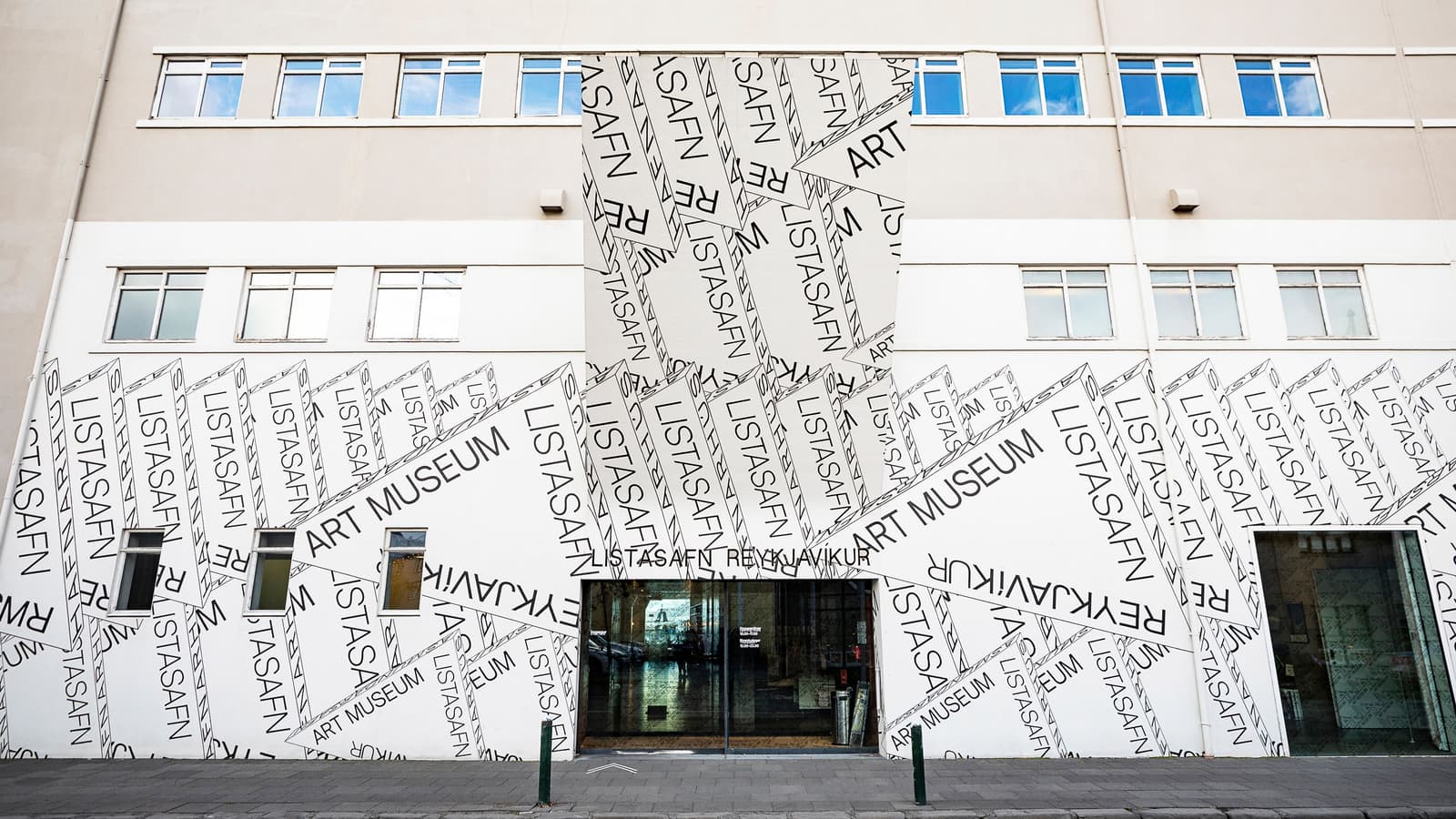
Hafnarhús is Reykjavík Art Museum's contemporary-art venue in a former harbor warehouse. Come for changing exhibitions and works by Erró; the building itself adds a clear link to the city's working waterfront.
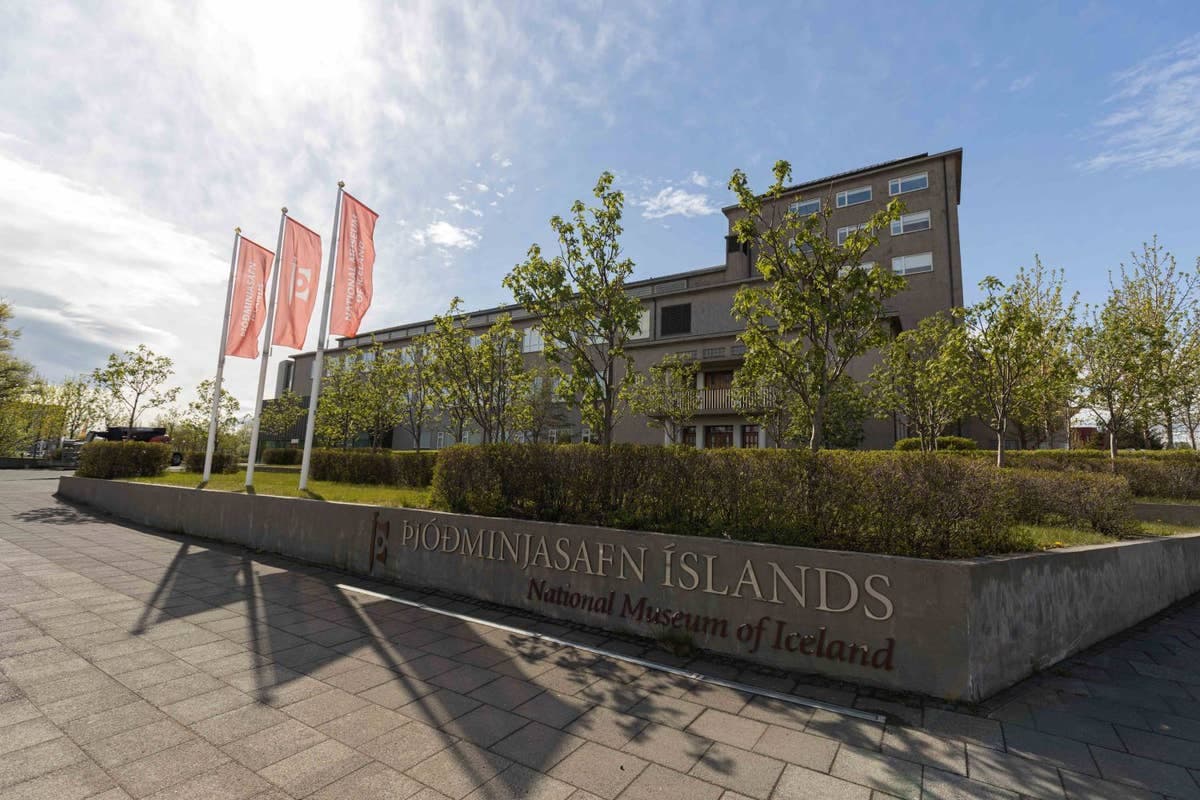
The National Museum of Iceland tells the country's story from settlement to the present through original objects, church art, clothing and reconstructed domestic spaces. Its permanent exhibition at Suðurgata is Reykjavík's strongest single introduction to Icelandic cultural history.
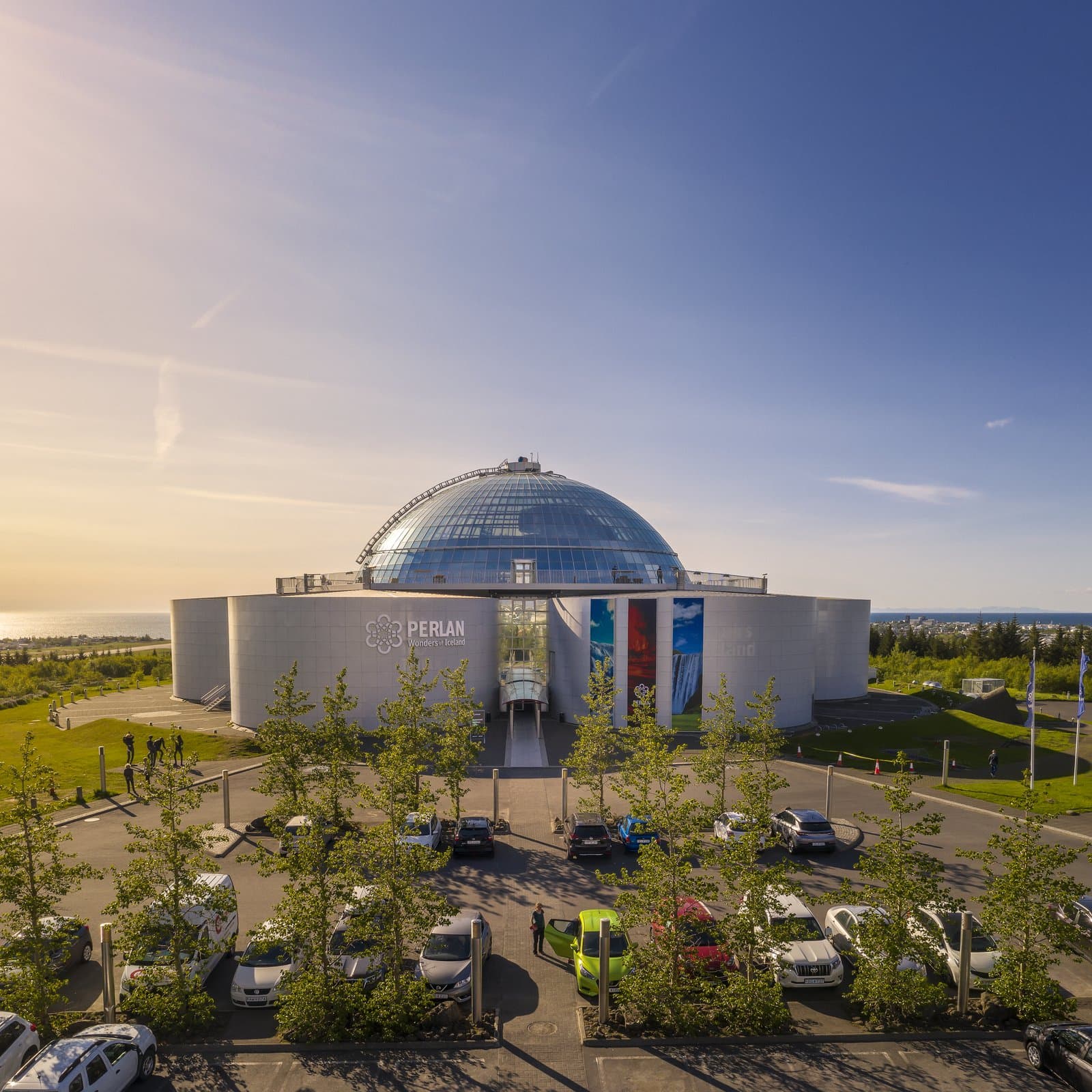
Perlan is a Reykjavík museum and viewpoint, useful when a city day needs weather-resistant exhibits, skyline views, and official visitor-detail checks before committing, with enough flexibility for conditions and nearby route choices.
Next step
Use the next page that helps turn this stop into a practical route decision.