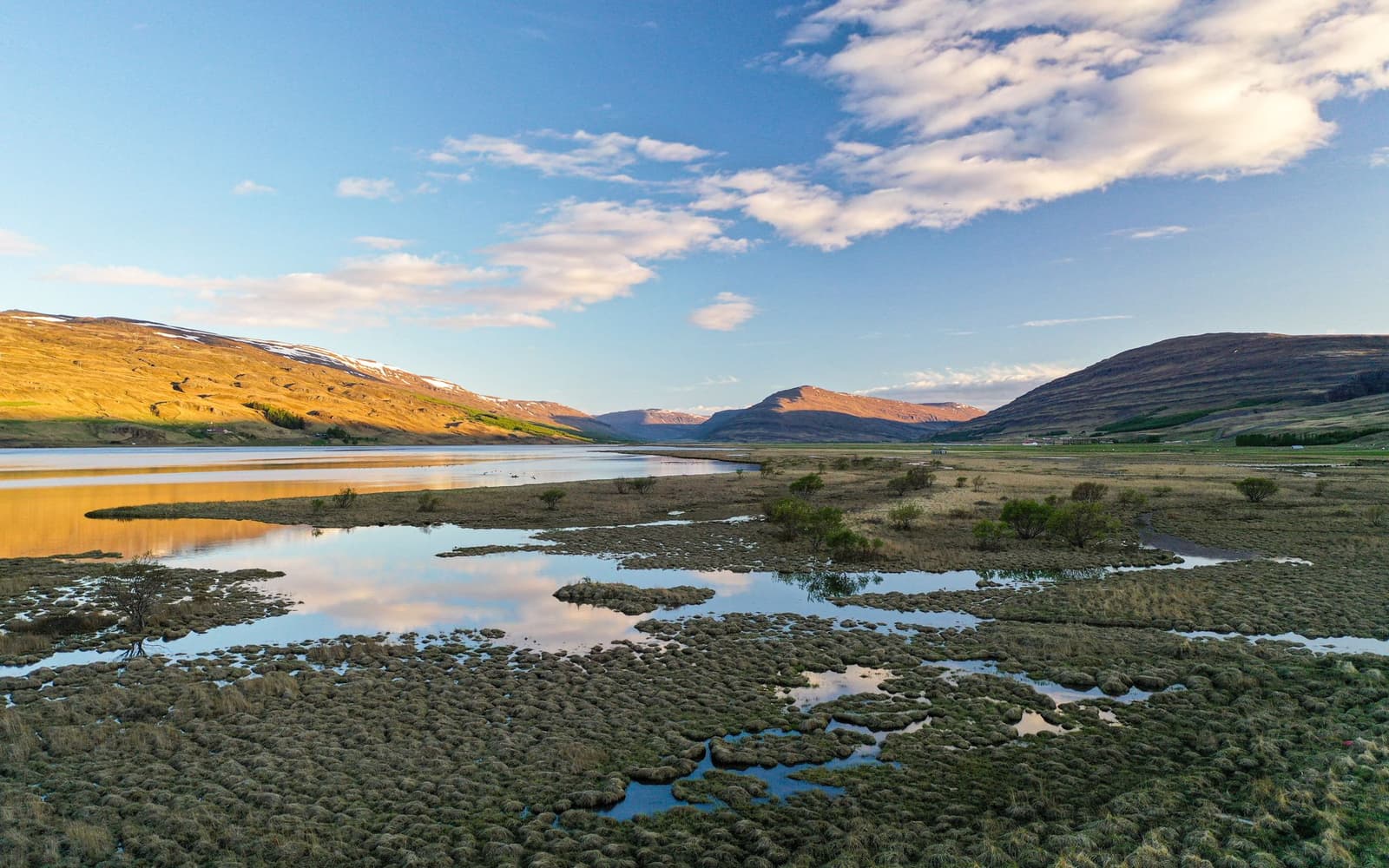
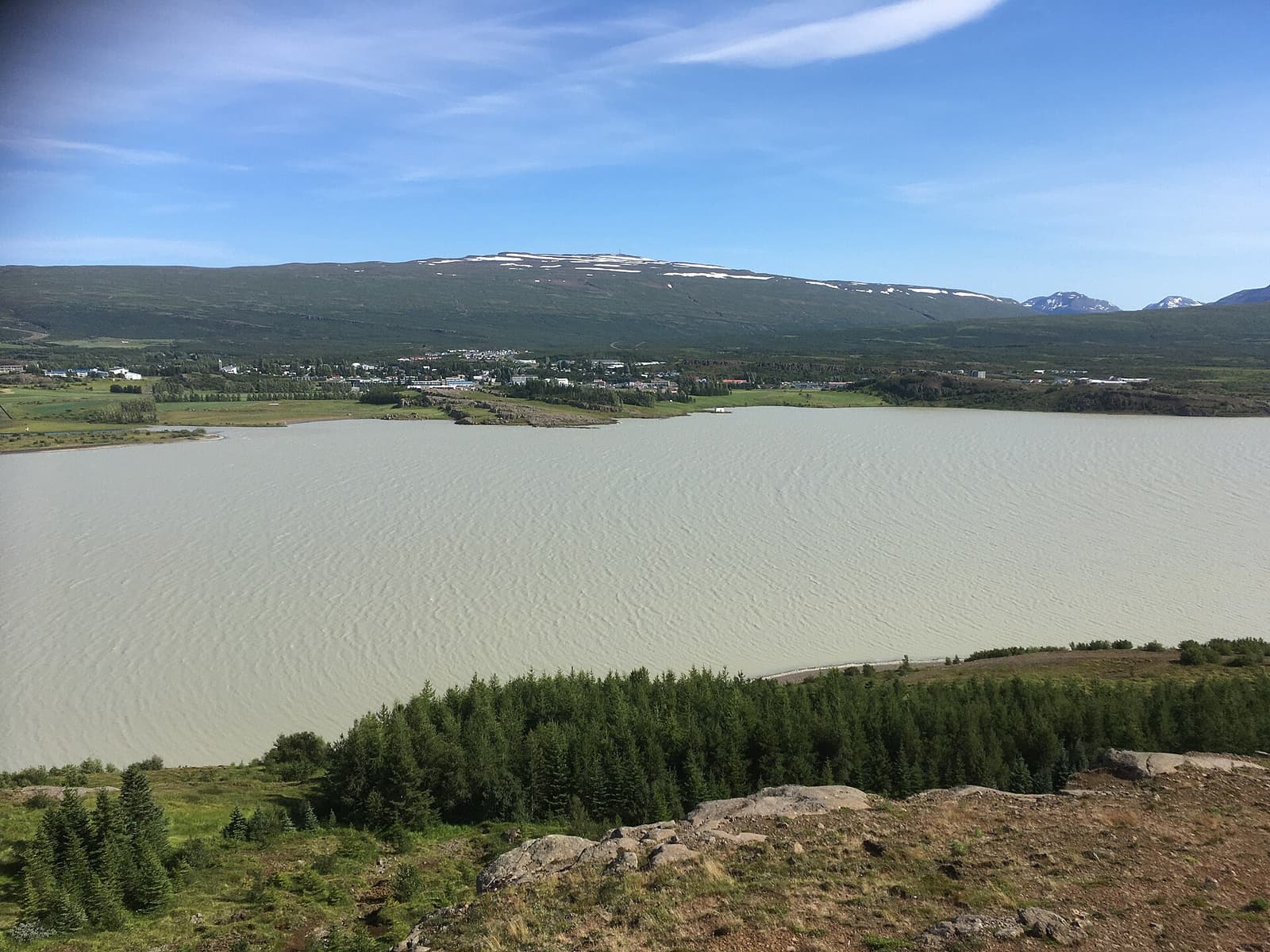
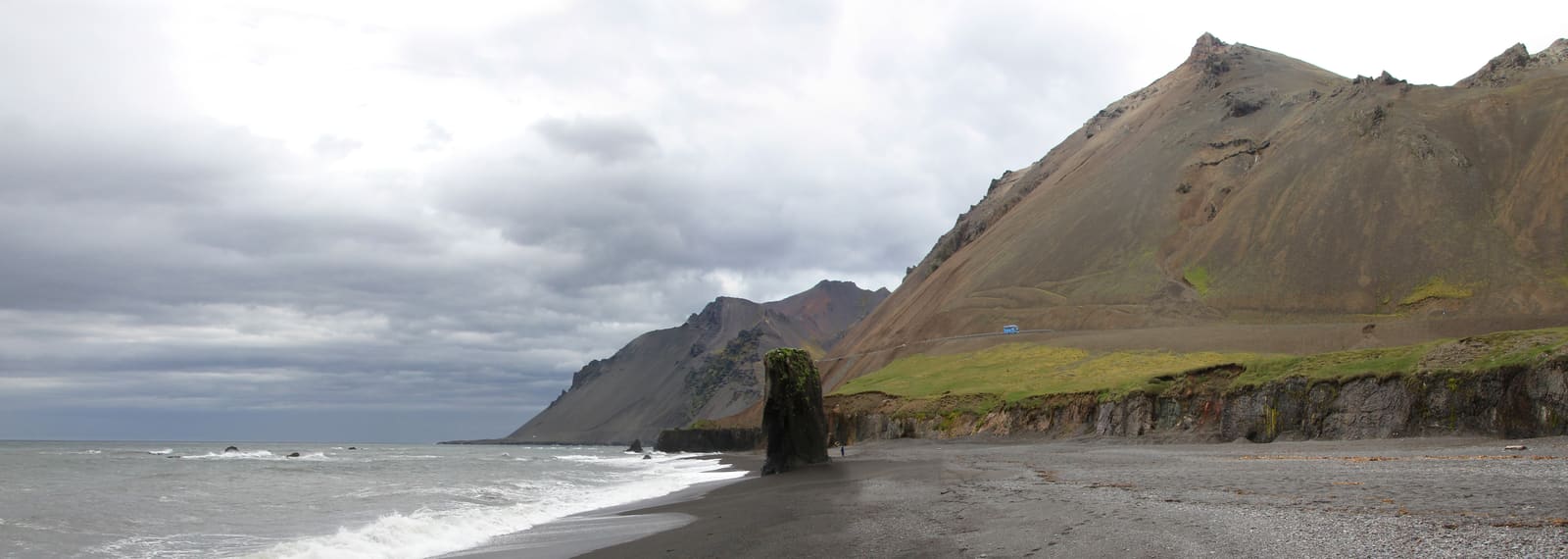
Fljótsdalur Valley is the greener inland side of East Iceland around Lagarfljót, Hengifoss, and Skriðuklaustur, worth visiting when your route can slow down for a linked valley day instead of one rushed roadside stop.
Waterfall facts
Type
Scenic valley, lake-and-waterfall corridor, and highland-edge gateway
Region
Inland East Iceland, south-west of Egilsstaðir around Lagarfljót
Route context
Strongest as a slower East Iceland valley day, not as a single roadside pullout
Time to allow
Half a day for the main valley, or a full day if you add a hike, culture stop, and inland detour
Main payoff
Linked scenery around Lagarfljót, Hengifoss, Skriðuklaustur, Snæfellsstofa, and quieter East Iceland roads
In this guide
Is Fljótsdalur Valley worth the detour from the Ring Road?
Yes, if your East Iceland plan has room for a linked inland day. Fljótsdalur is weaker as a single pull-off and much stronger when you use it as the calmer side of an Egilsstaðir-based route.
This valley is not one attraction pretending to be many. It is a connected landscape around Lagarfljót, Hengifoss, Skriðuklaustur, and the road that keeps climbing toward the highland edge. The real decision is whether the whole valley gives your East Iceland day a better shape.
Add Fljótsdalur when the trip already slows near Egilsstaðir, Hallormsstaðaskógur, or Lagarfljót and the traveler wants more than another fjord-to-fjord transfer. Cut it when every extra inland kilometer steals time from the next overnight base or from a cleaner single anchor like Hengifoss.
Fljótsdalur Valley detour decision
Choice
Plan
Why it works
Go
You want a linked inland day with one hike or culture stop
The valley rewards sequence and contrast more than checklist speed
Keep it focused
You only have room for Hengifoss plus one nearby pause
You still get a real Fljótsdalur feel without overbuilding the day
Skip
You need the fastest possible East Iceland transfer
The inland turn loses value when the route cannot slow down
Check first
Deeper inland driving or weather-sensitive add-ons matter to your day
Official road, weather, and safety guidance should decide how far you go
What does a good Fljótsdalur Valley day actually include?
Choose the rhythm before you drive in. A half-day valley sampler, a fuller Lagarfljót-and-culture loop, and a highland-edge continuation are different trips.
Choose your Fljótsdalur rhythm
Half-day sampler
Pick one anchor such as Hengifoss or Skriðuklaustur, then add one calmer pause by Lagarfljót or Hallormsstaðaskógur.
Full valley day
Combine the main valley cluster with time to linger so the mix of water, culture, and inland scenery actually lands.
Highland-edge extension
Continue farther inland only if road openings, weather, daylight, and vehicle choice all support the deeper branch.
Most visitors do not need the deepest version. Fljótsdalur becomes useful as soon as the stops feel connected: valley floor, lake corridor, one strong anchor, and one decision about whether to keep climbing inland or turn back toward Egilsstaðir.
Fljótsdalur works best as a whole landscape decision, not as one isolated roadside reveal.
Which stops give Fljótsdalur its identity?
The valley feels worth the drive when you treat its highlights as one cluster rather than a checklist of separate names.
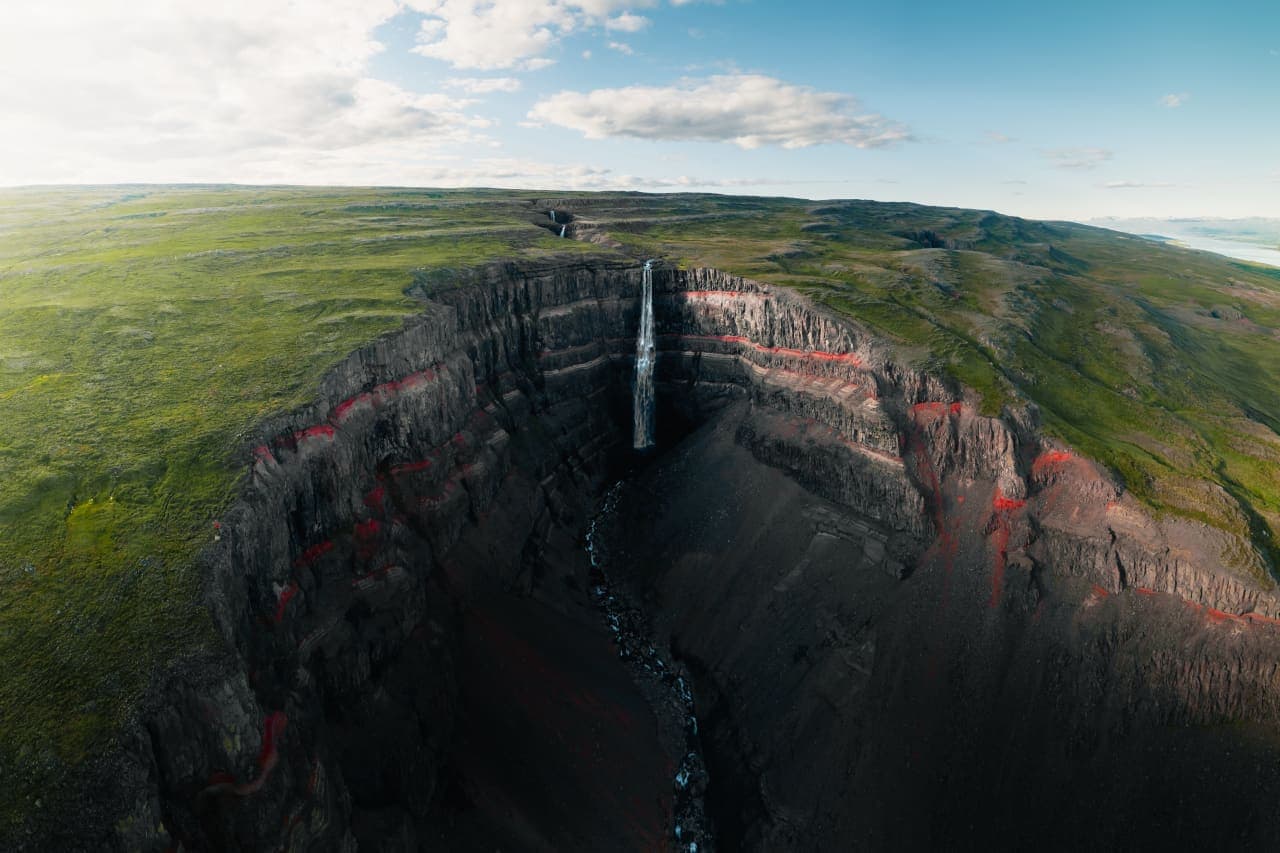
Hengifoss and Litlanesfoss bring the strongest natural drama. If you want Fljótsdalur’s clearest scenic payoff, that hike usually does the job better than trying to touch every minor stop in the valley.
Skriðuklaustur and Snæfellsstofa add the cultural and protected-area side of Fljótsdalur. They help the valley feel inhabited, interpreted, and connected to the eastern side of Vatnajökull National Park rather than just another pretty detour.
Lagarfljót softens the mood, Hallormsstaðaskógur adds forest contrast, and The Wilderness Center pushes the day toward the old-farm and wilderness edge. That mix is what separates Fljótsdalur from a simpler waterfall stop.
Hengifoss may be the valley’s best-known anchor, but its value is stronger when you see it as part of a bigger Fljótsdalur day.
When the valley plan can continue inland, Laugarfell hot springs is the practical add-on to compare with Hengifoss, Skriðuklaustur, and the Kárahnjúkar side of the route.
Do you need a 4x4, or can you keep the valley easy?
You can keep the main valley relatively straightforward. The complexity starts when Fljótsdalur becomes a gateway to the higher interior.
The core Fljótsdalur version around Hengifoss, Skriðuklaustur, Snæfellsstofa, and Lagarfljót fits normal East Iceland touring far better than people sometimes assume. The road question becomes sharper only when you keep driving toward Kárahnjúkavirkjun, Snæfell, Laugarfell, or farther onto F-roads.
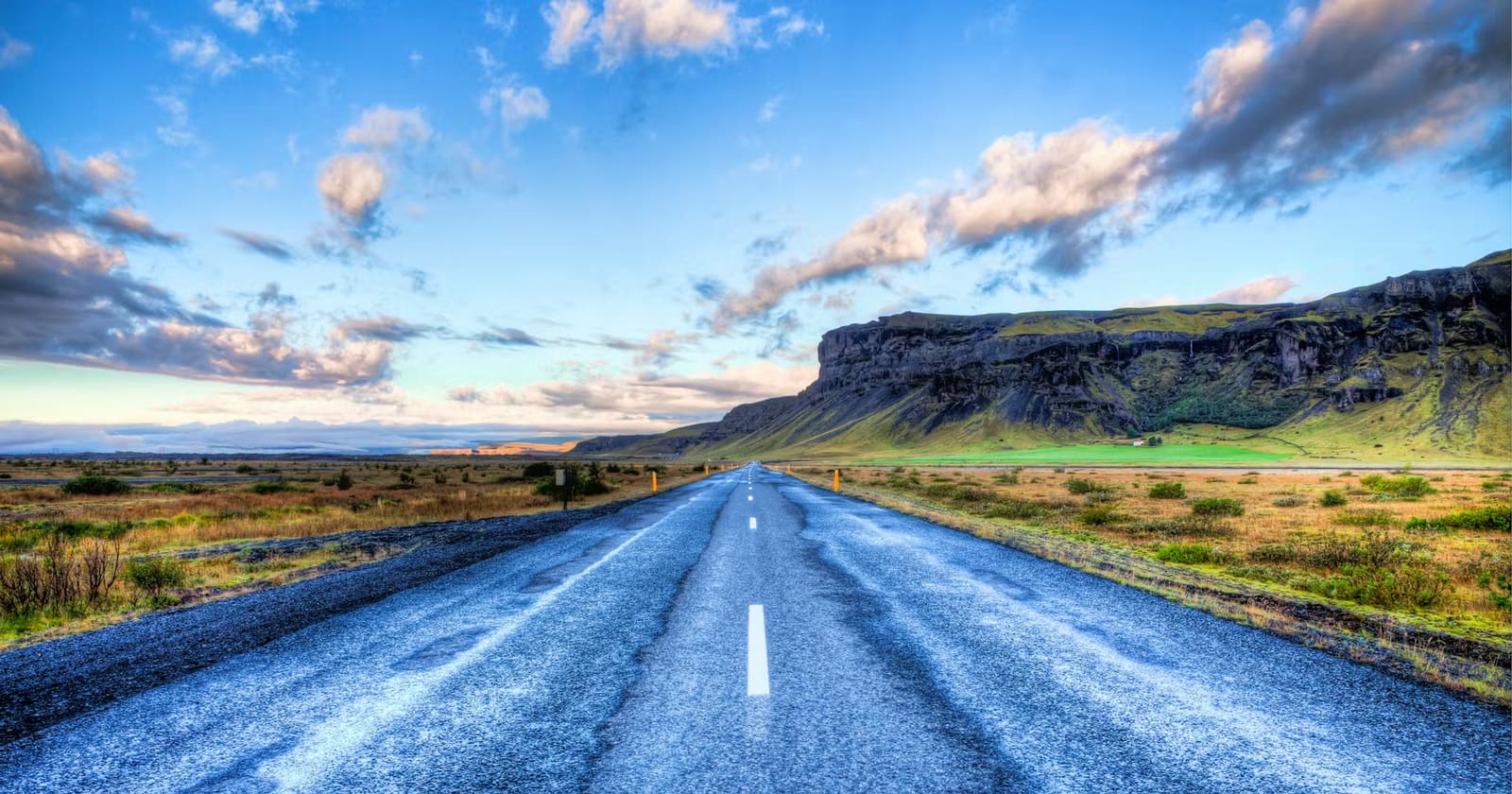
A durable rule is to separate the easy valley from the highland edge. If the day depends on route 910 or anything beyond it, official road conditions, weather, daylight, and vehicle suitability matter more than the straight-line distance on a map.
Snæfellsstofa marks the point where a calm valley day can start turning into a more committed inland plan.
What pairs naturally with Fljótsdalur if you stay nearby?
Start with Egilsstaðir, then decide whether the valley is the main inland day or just one part of a slower East Iceland stay.
Egilsstaðir is the practical base for most travelers, and Hallormsstaðaskógur or Lagarfljót make the valley easier to shape into a calm loop rather than a long out-and-back drive.
If you want a cleaner scenic anchor, choose Hengifoss. If you want the wider valley story, keep Skriðuklaustur, The Wilderness Center, or a pause by Lagarfljót in the same day. If the route is growing too big, step back and compare the plan against East Iceland as a whole or against the tradeoffs in Ring Road vs South Coast.
Travelers who continue inland toward Snæfell or Kárahnjúkavirkjun should treat those as a separate higher-commitment branch, not as automatic extras tacked onto a packed valley day.
What should you check before you commit the valley to the plan?
Check the categories that change outcomes, not just the labels on a map.
Official visitor information for the valley highlights if exhibitions, orientation stops, or local services matter to the day.
Official road conditions before relying on route 910 or any deeper inland continuation.
Official weather guidance for visibility, wind, and exposed inland East Iceland conditions.
Official safety guidance before building hikes or highland-edge add-ons into a tight schedule.
Use before hiking or deeper detours beyond the main valley cluster.
Common questions before you add Fljótsdalur Valley
Is Fljótsdalur Valley better as its own day or as a short detour?
It is better as a linked half-day or full day than as a rushed single-stop detour. The valley’s value comes from how Lagarfljót, Hengifoss, Skriðuklaustur, and the highland edge fit together rather than from one isolated pullout.
Do you need a 4x4 to visit Fljótsdalur Valley?
No, not for the main valley version around Lagarfljót, Hengifoss, Skriðuklaustur, and Snæfellsstofa. The need for a 4x4 starts to matter when you continue farther inland and treat the valley as a gateway to the higher interior, so official road conditions should decide that branch.
If you only have time for one Fljótsdalur stop, what should it be?
Hengifoss is usually the clearest single anchor if you want the valley’s strongest natural payoff. If you do not want the hike, a calmer alternative is to keep the day around Skriðuklaustur or Lagarfljót and treat the valley as a mood-and-route stop instead.
What is the best base for Fljótsdalur Valley?
Egilsstaðir is the easiest base for most travelers. It keeps the valley close enough for a slower inland day while also giving you clean options to pivot back into the wider East Iceland route if the weather or road picture changes.