Culture snapshot
- Type
- Rebuilt fishing station and museum
- Region
- Bolungarvík, northern Westfjords
- Best for
- Fishing history and coastal texture
- Time
- About 30 to 60 minutes
- Access
- Short coastal stop from town
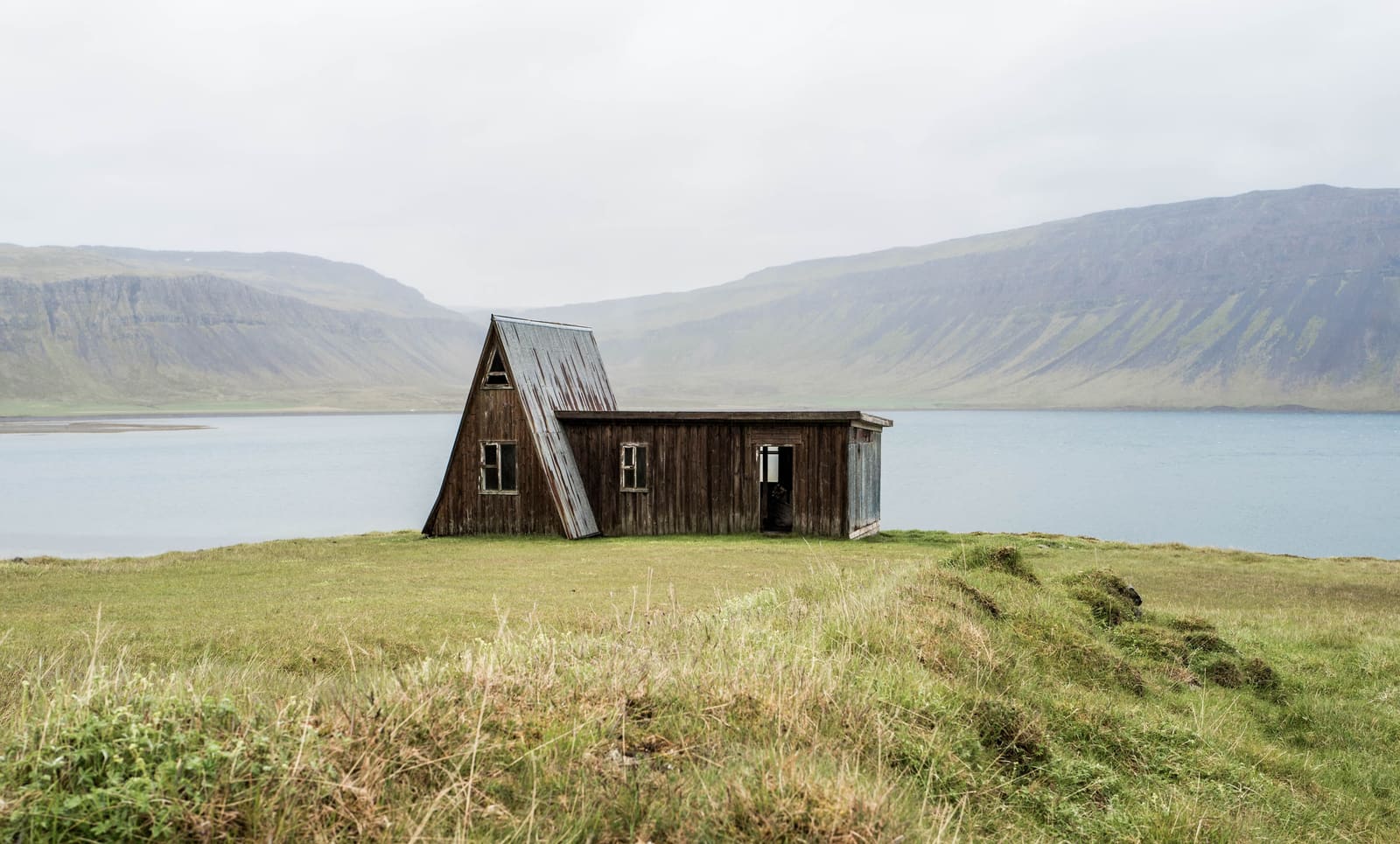
Ósvör Maritime Museum is a compact Bolungarvík stop for travelers who want the Westfjords fishing story to feel physical: turf huts, boat gear, sea wind, and a clear reason to pause beyond the town harbor.
Culture snapshot
Yes, when the northern Westfjords are already in your route and you want a cultural stop that feels rooted in the coast rather than sealed behind glass.
Ósvör is small, but it has a clear job. The reconstructed fishing station turns the old Westfjords fishing life into buildings, gear, and weather-exposed space you can understand quickly.
It belongs most naturally with Bolungarvík, especially if you are already considering Bolafjall Mountain or a slower northern Westfjords day from Ísafjörður. It is less persuasive as a long standalone detour when the day is built only around big scenery.
Photo guide
Ósvör is most useful when the Bolungarvík coast is already part of the day.
The visit is built around a reconstructed working setting: hut, salt house, drying spaces, tools, and the rowing-boat story behind older coastal fishing.
The main value is physical context. Instead of reading only about a fishing station, you see the scale of the buildings, the simple working spaces, and the equipment used before modern harbor infrastructure changed the coast.
The boat Ölver is the strongest object for many visitors because it makes the fishing story easier to picture. The crew hut, salt house, drying hut, and fish-drying area then explain how work and shelter sat close together.
If a guide or interpreter is available, the stop can feel more alive. If not, the place still works visually because the reconstructed station sits in the same kind of exposed coastal setting the story depends on.
Bolungarvík can otherwise become a quick harbor-and-viewpoint pause. Ósvör gives the town a sharper historical reason to hold your attention.
The town’s fishing identity is easy to sense from the harbor, but Ósvör makes it more specific. You are not just seeing a coastal settlement; you are seeing a version of the shore where boats, drying fish, storage, and shelter shaped daily work.
That matters for route planning because the museum can make a compact Bolungarvík visit feel complete. Pair it with the coast near Óshólaviti for a short local loop, or use it before a weather-aware drive toward Bolafjall.
If your larger plan is really about Hornstrandir, Dynjandi, or a long transfer across the Westfjords, keep Ósvör as a flexible stop rather than the piece that forces the day.
Most visitors should protect about 30 to 60 minutes. The site is compact, but weather, photos, and interpretation can stretch the stop.
| Visit style | Best fit | Time to protect |
|---|---|---|
| Focused museum stop | You want the fishing-station story without adding a long town pause. | About 30-45 minutes |
| Museum and coast | You want photos, the sea-edge setting, and nearby local context. | About 45-60 minutes |
| Tight Westfjords day | You are prioritizing a bigger scenic anchor or a long drive. | Keep it flexible |
The exposed setting is part of the point, but it also changes the comfort level. A cold wind can make the outdoor pieces feel faster; calm light can make the simple turf-and-stone textures worth lingering over.
Ósvör is a small seasonal-style visitor stop, so use official information for the details that can change.
Use for museum visitor details before going.
Use for regional context and contact details.
Use before Westfjords driving days.
Use before exposed coastal stops.
By ThorPublished Updated
Map
Use nearby places and useful bases before opening directions.
Interactive planning map for Ósvör Maritime Museum
Interactive map
Place context and external map links remain available without loading it.
Planning context
Open the region or practical guide that resolves the next planning decision.