
Gallery snapshot
- Focus
- Icelandic visual art from the national collection and changing exhibitions
- Main building
- Fríkirkjuvegur 7, beside Tjörnin in central Reykjavík
- Founded
- 1884
- Time to allow
- About 60–90 minutes for a focused visit
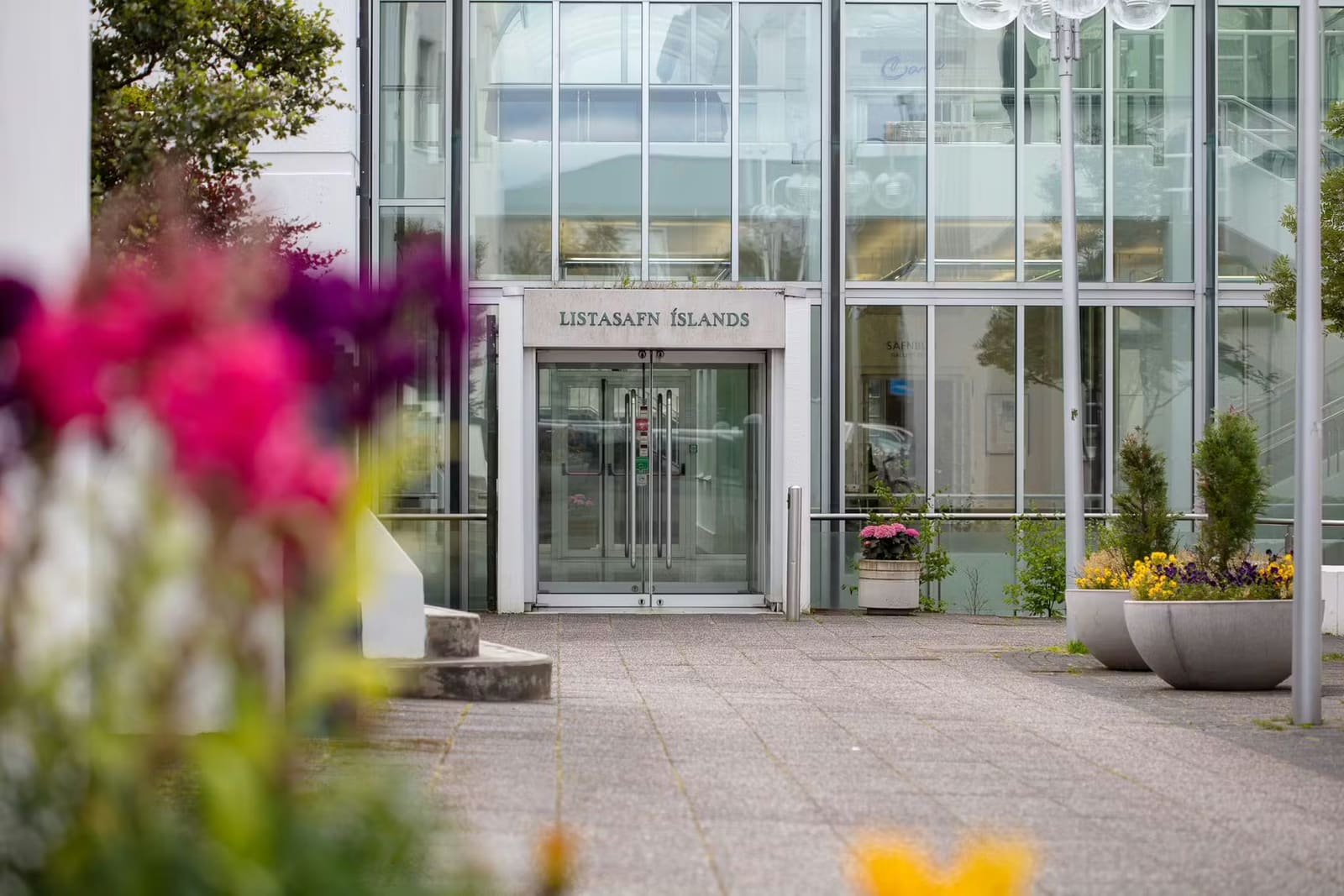
The National Gallery of Iceland presents Icelandic visual art in a former icehouse beside Tjörnin. Changing exhibitions make it a focused central Reykjavík stop for visitors who want art rather than general history.
Gallery snapshot
The National Gallery is an art museum, not a general account of Icelandic history.
Founded in 1884, the institution holds the national collection of Icelandic visual art. Its exhibitions move between art history and contemporary work, sometimes placing Icelandic artists beside international pieces. The selection on view changes, so the experience depends more on the current program than on one permanent room of famous works.
This is the stronger choice for travelers who want to see how Icelandic artists have interpreted the country, its society and wider artistic movements. For settlement history, everyday objects and the story of the nation, the National Museum of Iceland serves a different purpose.
Official history of the institution, collection and Fríkirkjuvegur building.
Current information for the main museum at Fríkirkjuvegur 7.
Photo guide
The converted Fríkirkjuvegur building is the gallery's main visitor location.
The Fríkirkjuvegur building stands beside Tjörnin, within easy walking distance of the central Reykjavík streets.
The building began as an icehouse and was converted for the National Gallery, which moved here in 1987. The original white walls remain, while arched glass additions now frame the entrance and interior stairs.
The location makes the museum easy to combine with a walk around Tjörnin. The art still deserves its own hour, even when the museum is part of a wider walk.
A focused visit fits comfortably into part of a Reykjavík morning or afternoon.
An hour is enough to walk through the active exhibitions at a steady pace. Allow closer to 90 minutes if you read the interpretation or spend time with individual works. The institution operates three locations, so confirm that an exhibition is at Fríkirkjuvegur before setting out.
The official visitor information lists an elevator and accessible restroom at the main building. Wheelchairs, strollers and light folding stools are also available. Contact the museum before arrival if a particular access arrangement is essential.
Exhibitions, events, admission and opening details can change.
Look at the current exhibition list first; it is the best way to decide whether this museum suits your Reykjavík visit. Use the same official page for admission and access updates.
Current locations, admission and accessibility information.
Central Reykjavík location and city visitor context.
By ThorPublished Updated