Culture snapshot
- Type
- Sculpture museum and garden
- Region
- Central Reykjavík
- Best for
- Art, architecture, garden pauses
- Time
- About 45 to 90 minutes
- Nearby
- Hallgrímskirkja and Skólavörðustígur
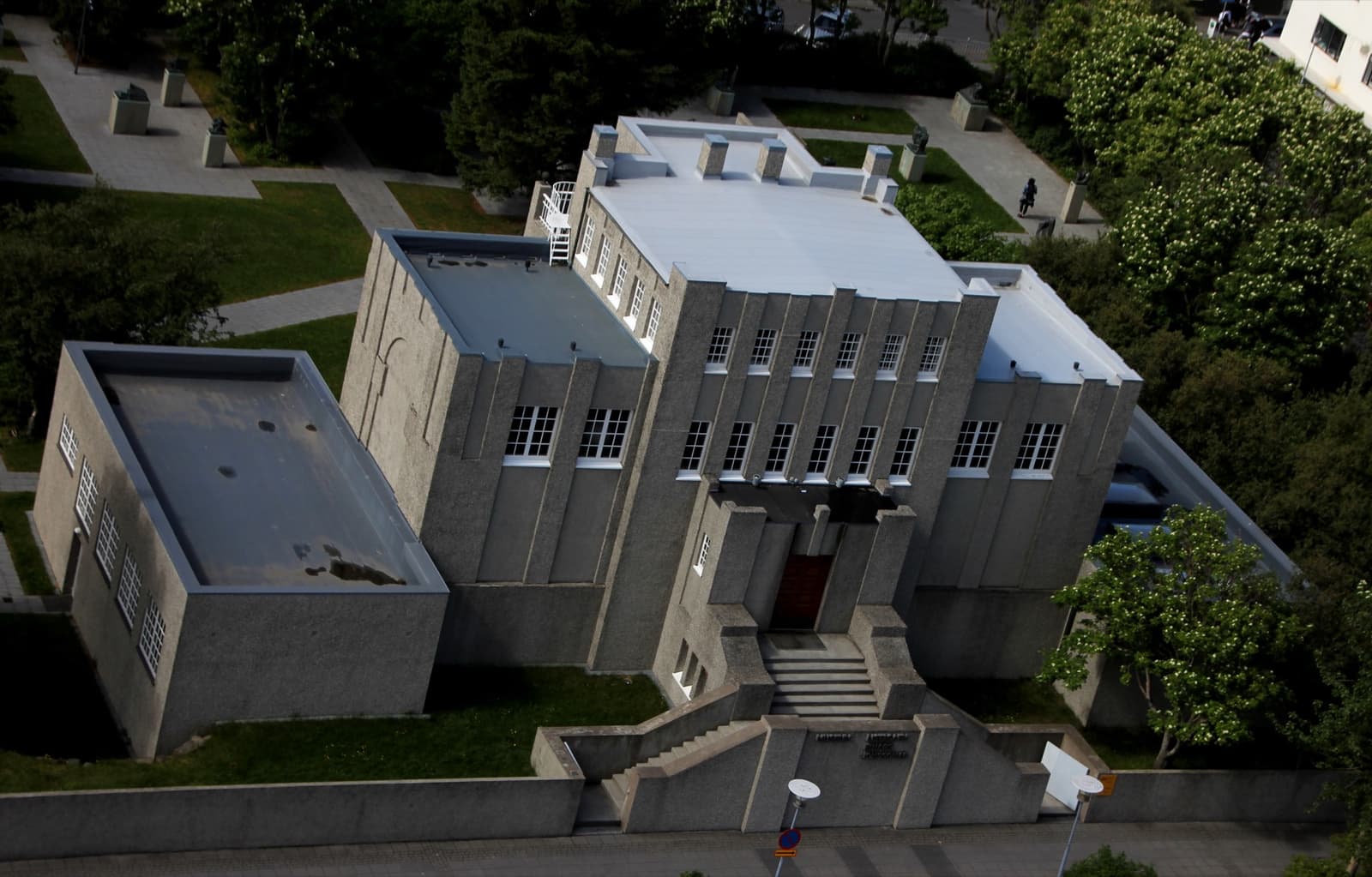
The Einar Jónsson Museum is a compact Reykjavík art stop beside Hallgrímskirkja, useful for travelers who want sculpture, a garden pause, and a deeper cultural reason to slow down near Skólavörðustígur.
Culture snapshot
Yes, if central Reykjavík needs more than a church view and a quick walk down Skólavörðustígur. The museum is strongest when sculpture, architecture, or a calm garden would improve the city day.
The useful question is not whether every Reykjavík visitor must go. It is whether your time around Hallgrímskirkja should include one focused cultural stop before you move toward shops, cafés, the waterfront, or a larger museum.
Add the Einar Jónsson Museum when the group is curious about Icelandic sculpture, wants an indoor-outdoor pause, or already has time near Hallgrímskirkja. Leave it optional when the city plan is only a fast landmark loop before a tour pickup or airport transfer.
The building is part of the attraction. Hnitbjörg was designed by Einar Jónsson, and the museum keeps a stronger artist-home feeling than many standard gallery stops.
Official museum material describes Hnitbjörg as the building Einar Jónsson designed and where he lived with his wife Anna. That matters for travelers because the stop is not just wall labels and sculpture rooms; it is also a purpose-built house, studio, and museum setting.
The sculpture garden gives the visit its easiest Reykjavík fit. If you are already moving between Hallgrímskirkja and Skólavörðustígur, the garden and building make a more textured pause than simply adding another street photo.
Expect a compact, atmospheric museum centered on Einar Jónsson's sculpture, with a garden component that changes the rhythm from indoor gallery to outdoor pause.
Visit Reykjavík describes the museum as Iceland's first public art museum on its own premises and connects it to Jónsson's role as a pioneer of Icelandic sculpture. For visitors, the practical result is a focused collection rather than a broad national-history museum.
The strongest moments are likely to be the sculptural forms, the relationship between the building and the garden, and the sense that this place belongs specifically to Reykjavík's cultural hillside. If your group prefers interactive exhibits or big scenic viewpoints, Perlan or Hallgrímskirkja may satisfy them faster.
Most travelers should think of the Einar Jónsson Museum as a focused city stop, not a half-day plan.
A 45 to 90 minute window is a practical planning range for the museum, garden, and a little transition time around Hallgrímstorg. Use the shorter end if you mainly want the garden and building context, and the longer end if sculpture is a real interest.
Weather can change the outdoor part of the visit. On a rough day, keep the garden flexible and let the indoor museum carry the stop; in better conditions, the garden can make the whole pause feel calmer.
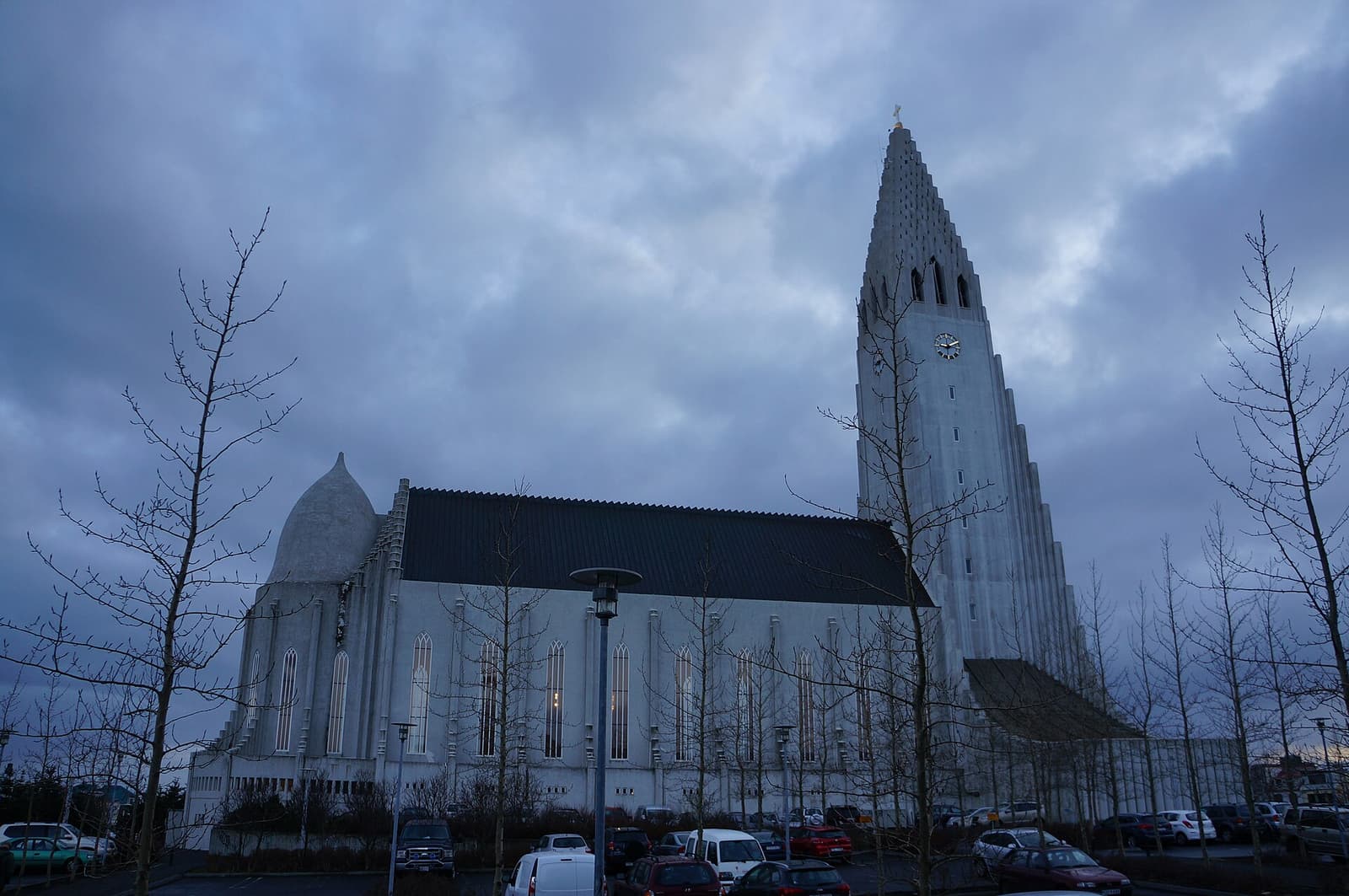
The cleanest plan is a small Reykjavík cluster: Hallgrímskirkja, the museum, Skólavörðustígur, and then a choice between more culture or the waterfront.
Start with Hallgrímskirkja if skyline views or the church exterior are the main goal. Add the museum when you want the same hillside to feel more cultural, then continue down Skólavörðustígur toward central cafés, shops, and other city stops.
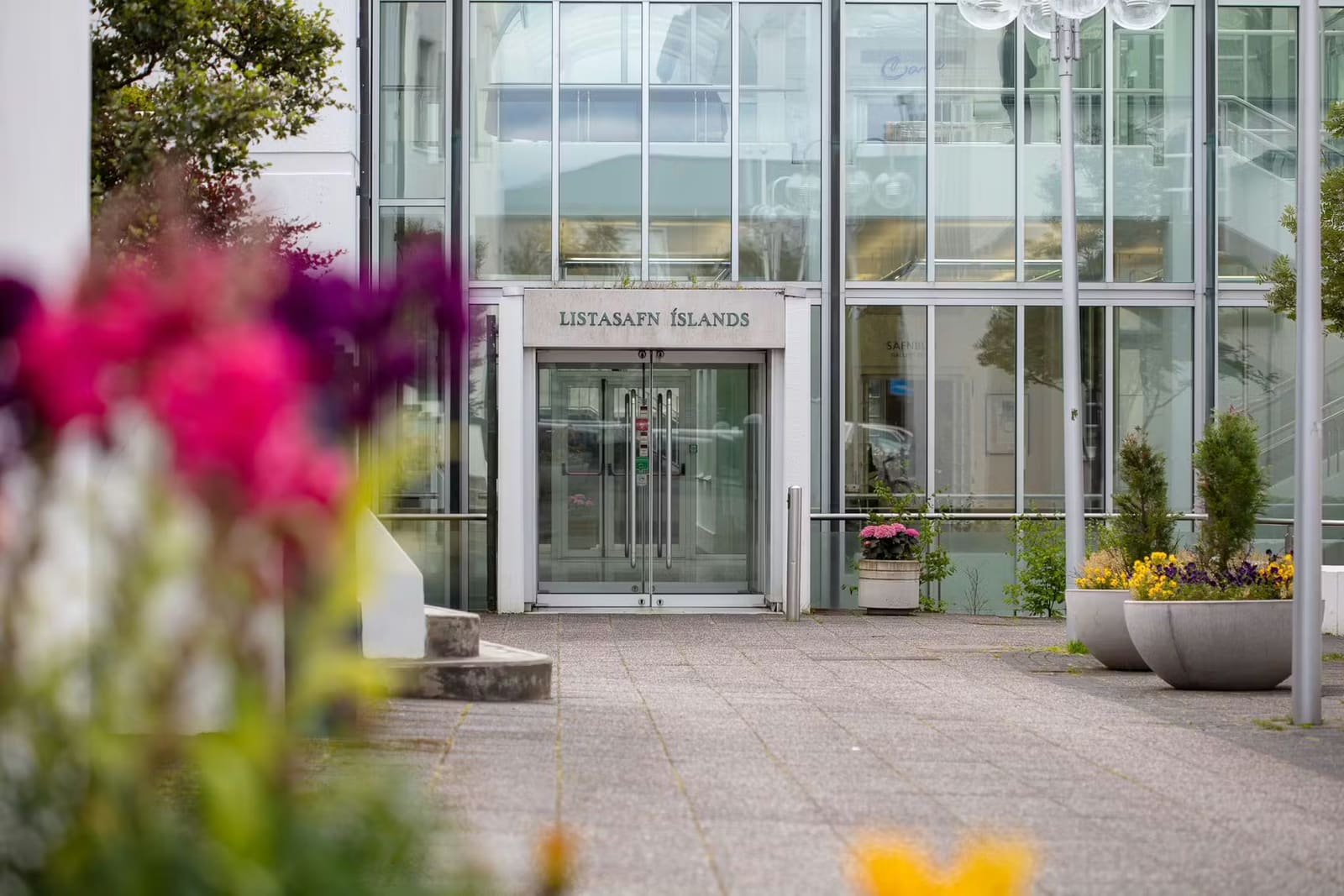
For a broader art day, compare this stop with The National Gallery of Iceland or Reykjavík Art Museum Hafnarhús. For a scenery-and-city contrast, keep Sun Voyager or Perlan as the next decision instead of packing every museum into one afternoon.
Museum details are more changeable than a public square or church exterior. Verify the official visitor information when details matter to your group.
Check the museum's own information for visitor details, exhibitions, admission setup, group visits, and access needs. Keep live details out of the core route plan until you have confirmed them.
Use for visitor details, exhibitions, contact information, and access checks.
Use for city tourism context and nearby Hallgrímskirkja placement.
Use for broad visitor-facing place identity and Reykjavík context.
These answers help decide whether the museum belongs in a central Reykjavík plan or stays as a flexible option.
It is both. The museum galleries and Hnitbjörg building are the indoor core, while the sculpture garden adds the easiest outdoor reason to pause near Hallgrímskirkja.
No. Most travelers should treat Hallgrímskirkja as the landmark anchor and add the museum only if sculpture, architecture, or the garden makes the same area more rewarding.
By ThorPublished Updated
Map
Use nearby places and useful bases before opening directions.
Interactive planning map for The Einar Jónsson Museum
Interactive map
Place context and external map links remain available without loading it.
Planning context
Open the region or practical guide that resolves the next planning decision.
Wider route
Use broader place relationships for route comparison; they are not presented as immediate nearby stops.
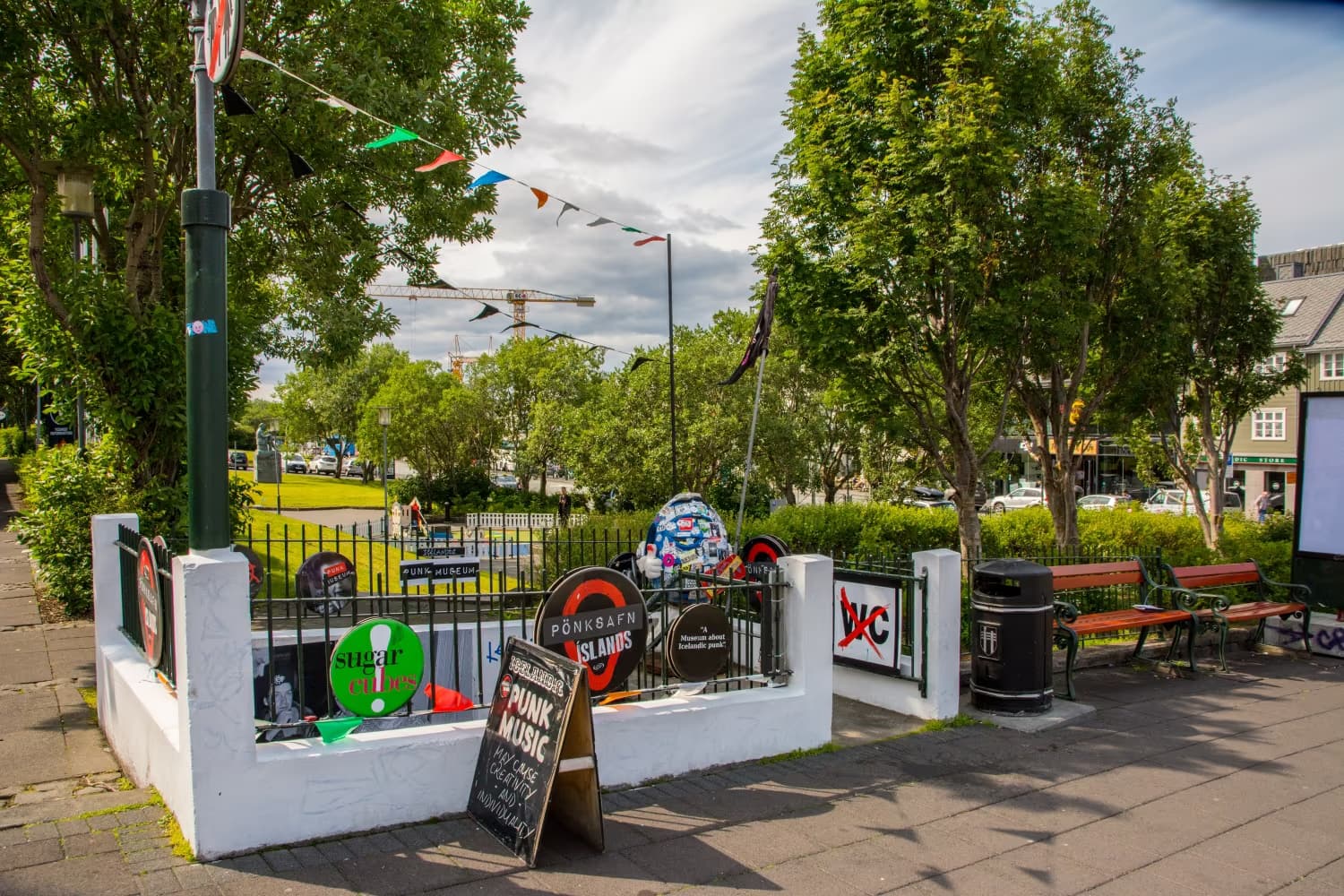
The Icelandic Punk Museum is a tiny underground Reykjavik museum in a former public toilet, best for music fans, curious city walkers, and travelers who want one odd cultural stop between larger landmarks.
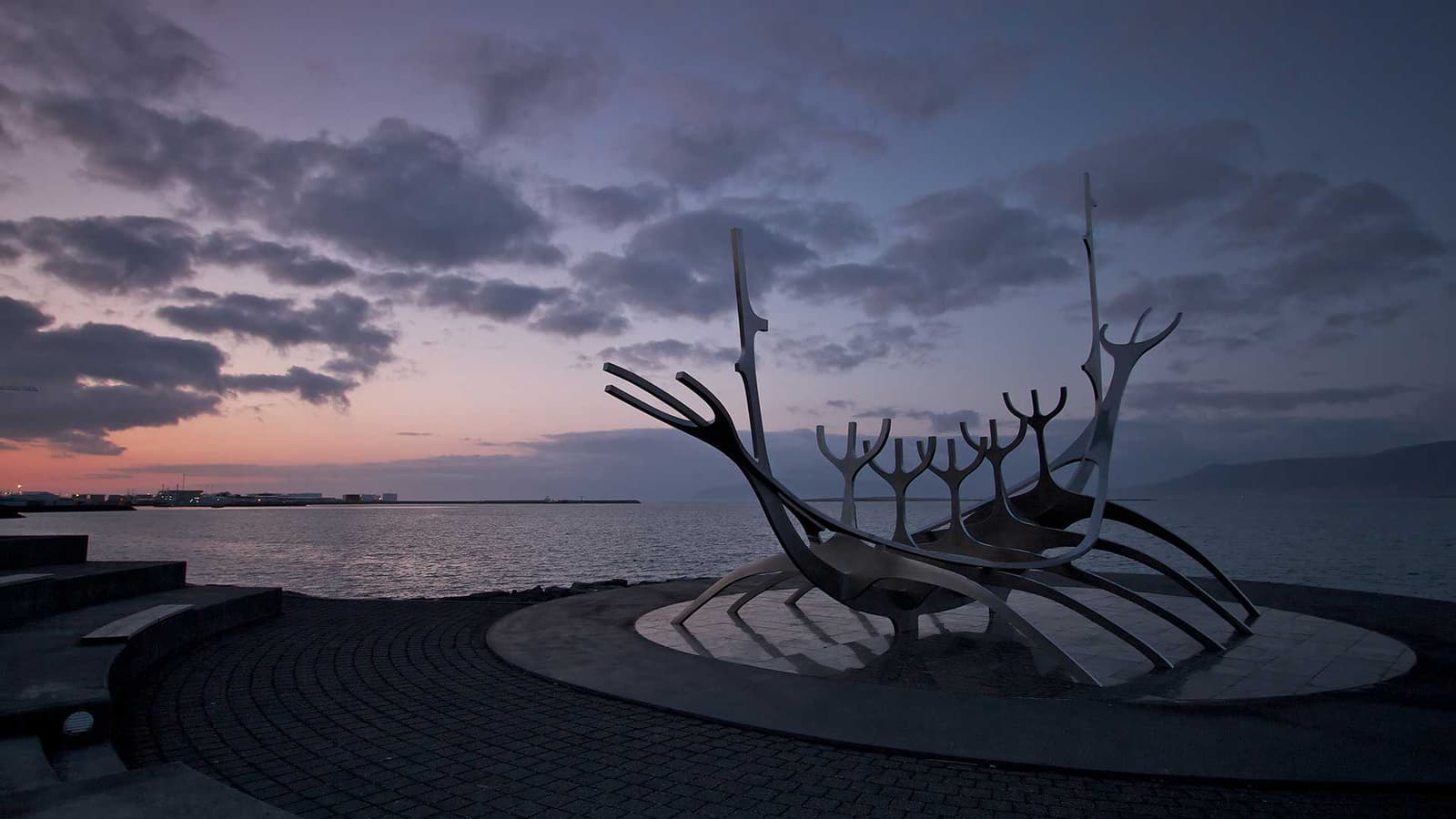
Sun Voyager is Reykjavík’s waterfront steel sculpture, useful as a short city-walk stop when you want art, bay views, and a clear sense of whether the photo pause deserves more than a few minutes.
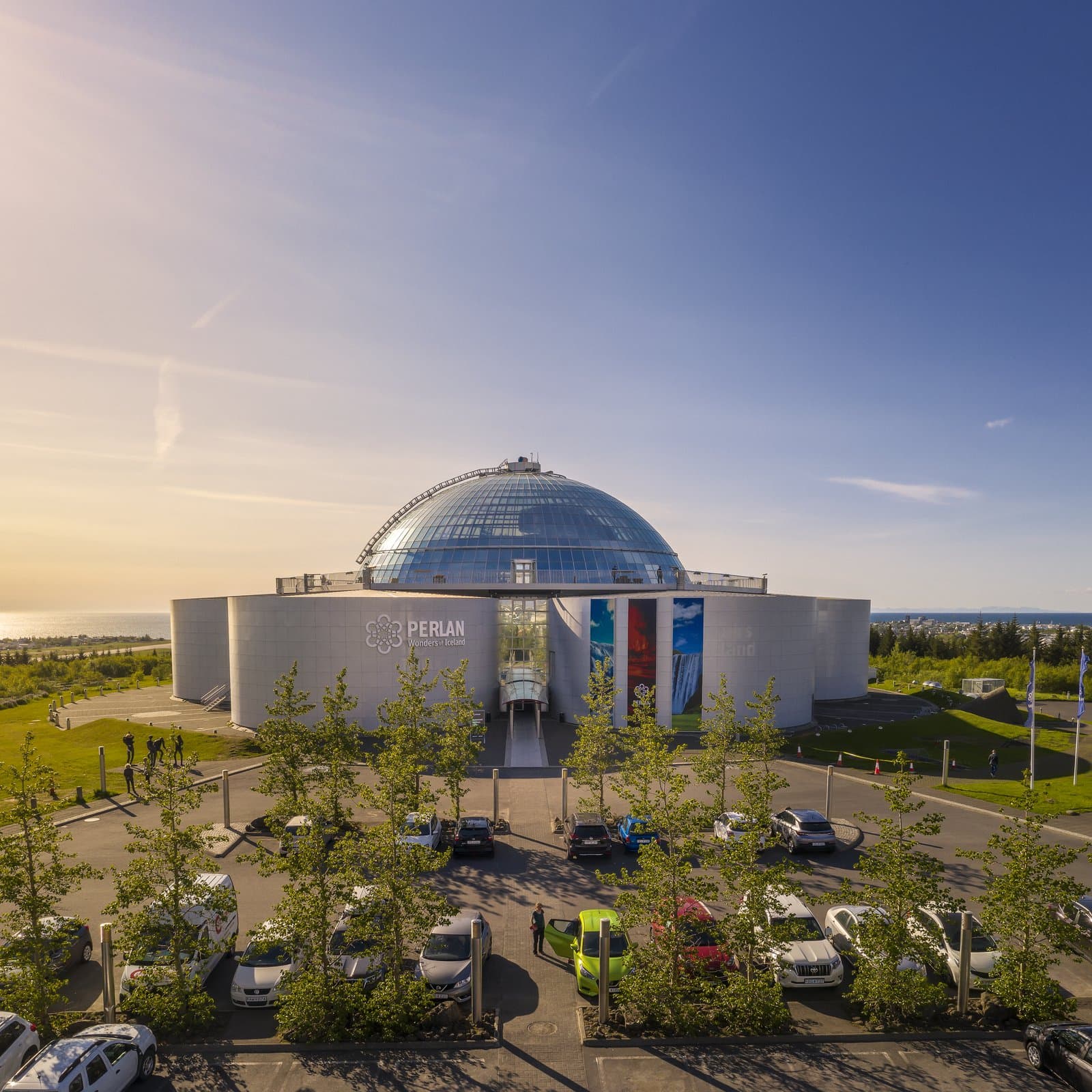
Perlan is a Reykjavík museum and viewpoint, useful when a city day needs weather-resistant exhibits, skyline views, and official visitor-detail checks before committing, with enough flexibility for conditions and nearby route choices.
Next step
Use the next page that helps turn this stop into a practical route decision.