Stuðlafoss is a basalt-column waterfall near the east-side approach to Stuðlagil in East Iceland, worth adding when your route has time for the gravel-road detour, uneven ground, and a slower stop than the photos first suggest.
Waterfall facts
Type
Basalt-column waterfall and short-to-medium walking stop
Region
Jökuldalur in East Iceland, off Route 923 near the east-side Stuðlagil approach
Route context
Best as part of a deliberate East Iceland or Stuðlagil day, not a rushed Ring Road pause
Time to allow
About 30-60 minutes for the waterfall itself, or longer if you continue toward the canyon
Effort
Uneven ground, loose rock, and more care than a simple barriered viewpoint
In this guide
Is Stuðlafoss worth the detour if you are already in Jökuldalur?
Yes, if the Jökuldalur detour already makes sense for your day and you want the basalt-column waterfall itself. Skip it if you only want a huge roadside waterfall or an easy stop with very little judgement on the ground.
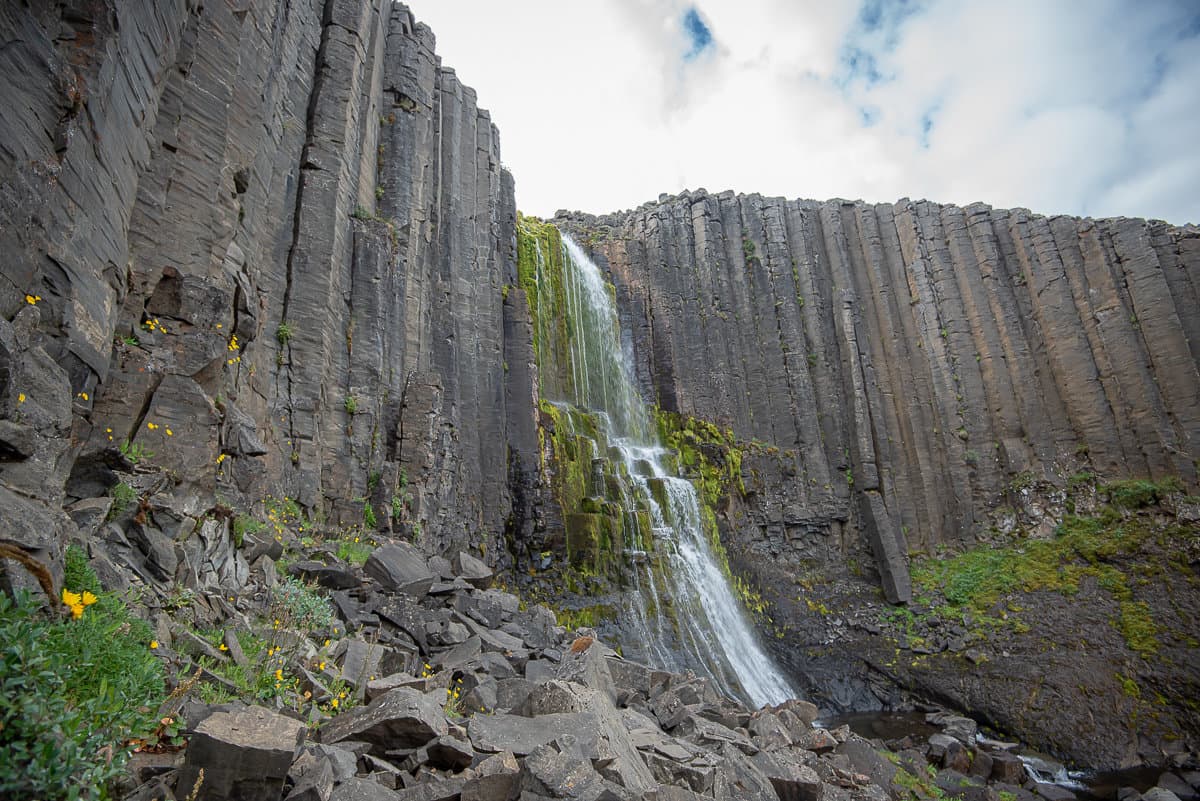
Stuðlafoss is easy to misunderstand from a quick photo. It is not a major volume waterfall sold by height or thunder. The draw is the way the water drops inside a dark basalt bowl, with column walls that make the place feel more sculpted than broad.
That makes it a strong stop for travelers already heading toward Stuðlagil Canyon or spending real time in East Iceland. It is much weaker for people racing between overnight bases who only want the biggest names that sit right beside the main road.
Add Stuðlafoss when a traveler is already willing to take the Route 923 and Jökuldalur detour and wants a distinct waterfall reward before or instead of the canyon. Cut it when the day only has patience for obvious roadside stops or when the traveler tends to push too close to wet edges for a better photo.
Photo guide
Stuðlafoss in photos
1 / 3
The tighter card view keeps the waterfall readable while still showing the dark basalt walls that define the stop.
What does Stuðlafoss actually feel like on the ground?
More intimate than epic. The place works because the waterfall is enclosed by the column wall, not because the water itself dominates the valley.
On the ground, the basalt does most of the work. The columns curve around the waterfall like a dark amphitheater, and the water feels tucked into the rock rather than exposed on a wide open cliff. That shape is why the stop stands out even though the waterfall is not among Iceland's biggest.
From the side, the real character is clearer: Stuðlafoss is a basalt amphitheater with a narrower waterfall rather than a huge plunge.
If you already like places such as Hengifoss or the canyon walls at Stuðlagil Canyon for their geology as much as for the headline attraction, Stuðlafoss makes more sense. If you judge waterfalls mainly by size, force, or instant road-edge impact, this stop can feel smaller than the detour deserves.
That difference is useful, not disappointing. The stop fits travelers who want one unusual exact place rather than another generic East Iceland viewpoint.
Should you stop at the waterfall only or keep going toward Stuðlagil?
Either can work. The right choice depends on whether Stuðlafoss is the main reward you wanted from the detour, or only the first reason to continue deeper into the east-side walk.
Stuðlafoss visit-shape comparison
Visit shape
Best fit
Planning note
Waterfall only
You want the basalt-column setting but do not need the full canyon outing
This works best when the day still needs room for other East Iceland stops.
Waterfall plus canyon
You came for Stuðlagil Canyon and want a stronger reward on the way
Treat the whole outing as a slower walk, not as a quick waterfall add-on.
Skip the detour
Your route already feels long and every extra stop creates pressure later
Stuðlafoss loses value fast when the rest of the day becomes rushed.
The useful distinction is not waterfall versus no effort. It is waterfall versus longer outing. The east-side access near Stuðlafoss shortens the walk toward Stuðlagil Canyon, so many travelers use the waterfall as the first meaningful payoff before deciding whether the rest of the route still belongs in the day.
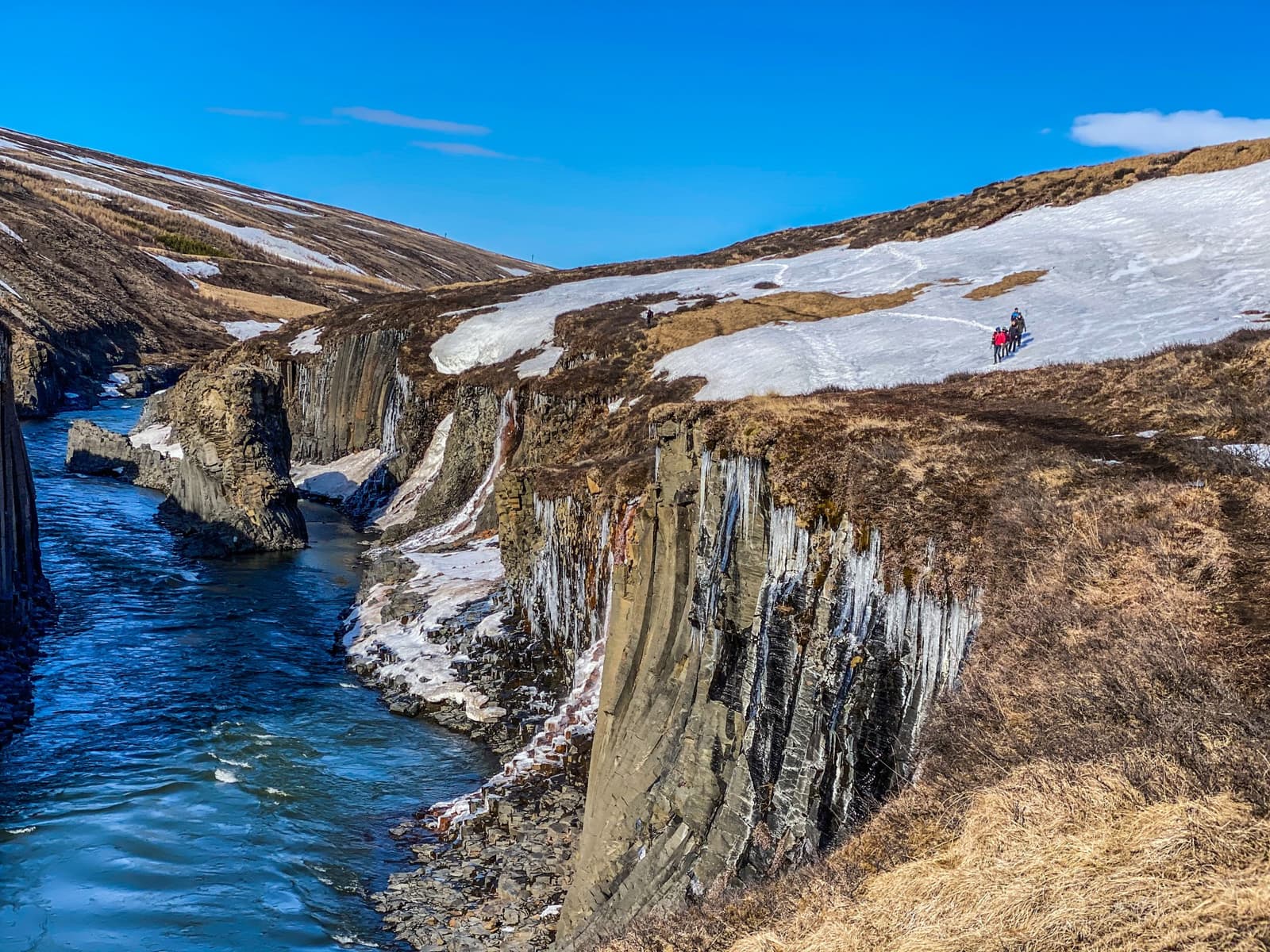
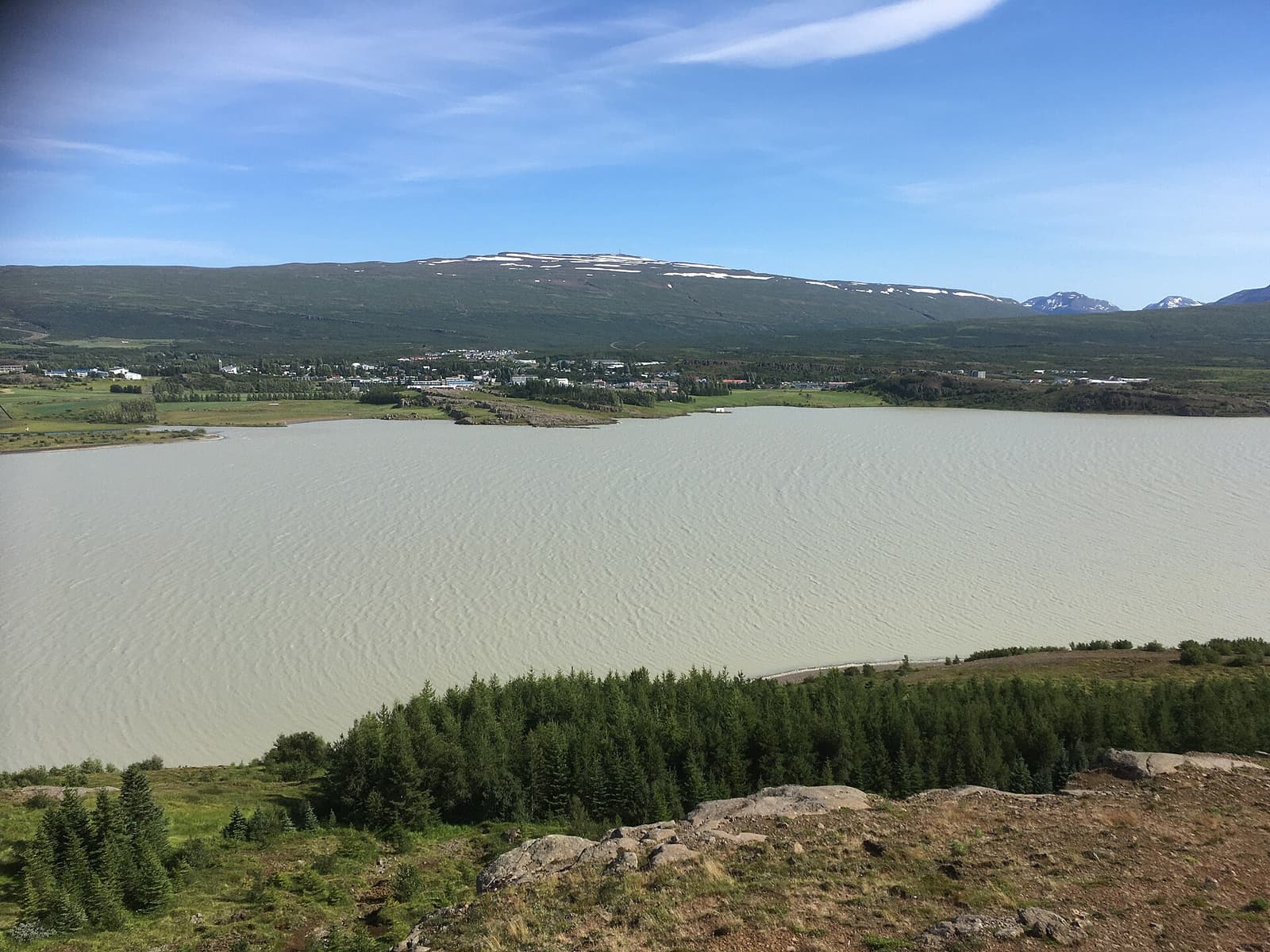
Seen from above, Stuðlafoss reads as the first big reward on the east-side approach rather than a detached roadside stop.
If you are based in Egilsstaðir and the day still has margin, combining the waterfall with the canyon can be satisfying. If the route still needs Seyðisfjörður, Skriðuklaustur, or more driving afterward, the cleaner choice is often to enjoy Stuðlafoss itself and keep the rest of the day intact.
What should you check before treating Stuðlafoss as an easy stop?
Check the drive, the ground, and your own caution level. This is the kind of place that looks simple in a photo and becomes less casual the moment rock, water, and weather are involved.
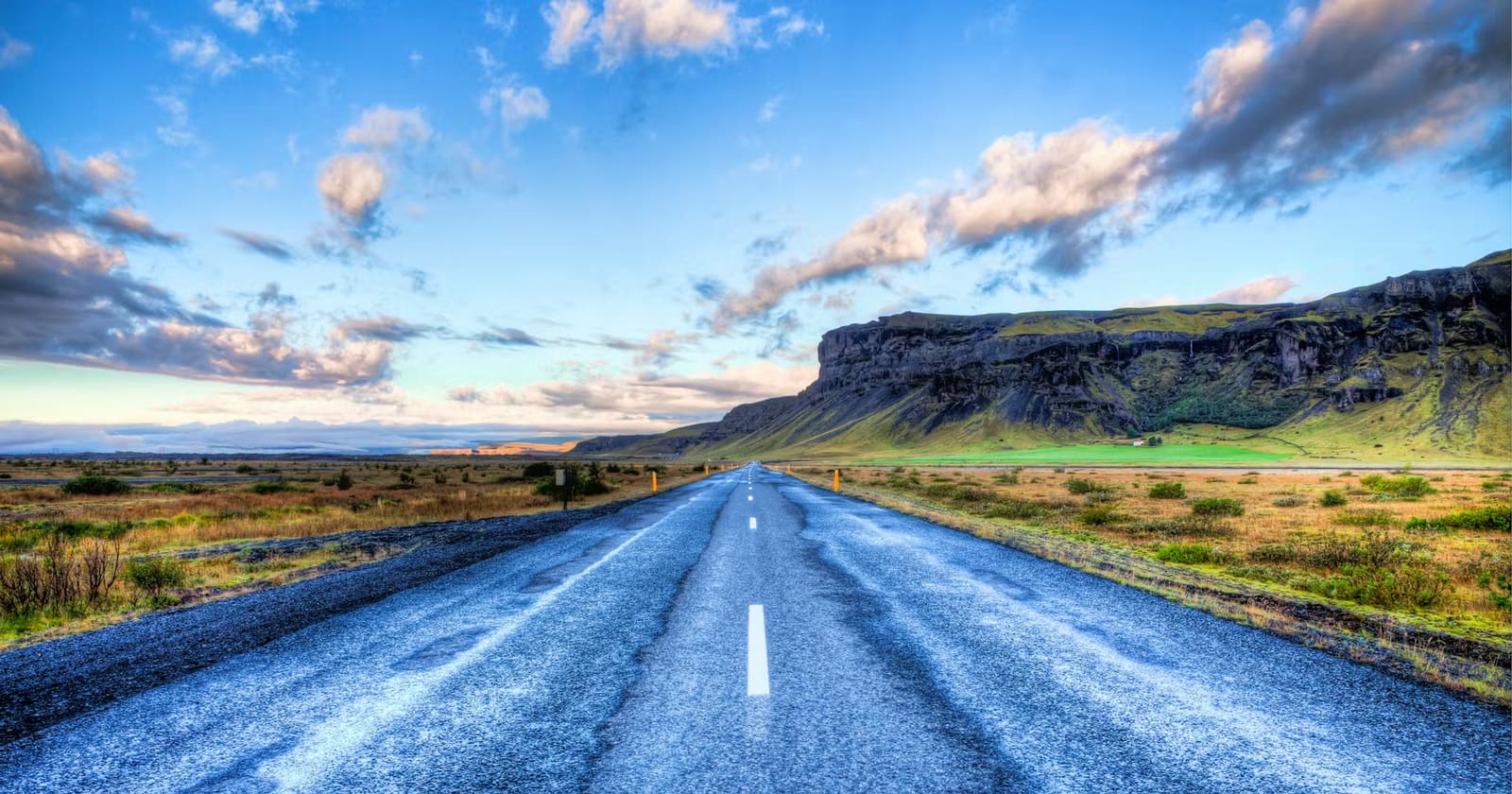
The first check is the approach itself. Route 923 and the Jökuldalur detour ask for more commitment than a normal Ring Road pullout, so the stop only stays enjoyable when the drive still feels like a deliberate choice.
Check official visitor information before assuming the east-side approach, path condition, or ground around the waterfall will feel straightforward.
Check official road conditions before you rely on the gravel-road detour staying comfortable for the rest of the day.
Check official weather guidance before exposed walking, especially when wet rock, wind, or poor visibility would shrink your safety margin.
Stay conservative near edges and out of the cold river, even when the water looks calm from above.
Use for general Iceland travel and outdoor safety context.
What pairs best with Stuðlafoss in East Iceland?
The best pairings are the ones that make the detour feel coherent, not crowded.
The obvious pairing is Stuðlagil Canyon, because both stops belong to the same east-side access decision. If the canyon is the headline reason for coming, Stuðlafoss strengthens the outing rather than distracting from it.
For a wider East Iceland day, Egilsstaðir is the cleanest base logic. From there, you can judge whether the detour still leaves time for Skriðuklaustur, a bigger waterfall hike such as Hengifoss, or a separate fjord-town stop like Seyðisfjörður.
If you are still deciding how much of the trip should belong to this side of the country at all, read East Iceland and Ring Road vs South Coast before promising yourself another long scenic branch road. Stuðlafoss works best when the route already wants this kind of slower East Iceland stop.
Common questions about visiting Stuðlafoss
These are the points that usually decide whether the stop stays rewarding or becomes a rushed misread of the map.
Is Stuðlafoss different from Stuðlagil Canyon?
Yes. Stuðlafoss is a separate waterfall near the east-side approach, while Stuðlagil Canyon is the larger gorge farther on. Many travelers combine them in one outing, but they are not the same stop.
Can you visit Stuðlafoss without doing the full canyon walk?
Yes. The waterfall can be the reward on its own when you do not want the longer canyon outing. That is often the better choice if the rest of the day still has major driving or other stops.
Is Stuðlafoss a good stop outside easy dry conditions?
Only if the road, weather, daylight, and footing all still support it. This is the kind of place where official road and weather checks should decide whether the detour still feels sensible.
Should you climb down close to the water for the best view?
No. The better approach is to keep a conservative margin and enjoy the shape of the waterfall from safer ground. Wet rock, cold water, and strong current are not worth treating as part of the attraction.