Coast snapshot
- Type
- Seal-watching and coastal route
- Region
- Vatnsnes, North Iceland
- Best for
- Wildlife and slower self-drive days
- Time
- Half day works best
- Access
- Local roads and exposed coast
The Seal Circle is a compact Vatnsnes wildlife route for travelers deciding whether seals, Hvítserkur, Hvammstangi, and nearby north-coast stops deserve time away from Route 1 on a slower North Iceland day.
Coast snapshot
The Seal Circle is worth adding when seals and the Vatnsnes coast are part of the reason you are in northwest North Iceland. It is less convincing when the day is already a long transfer.
This is not a single fenced attraction or a route to complete for its own sake. The useful version starts with a simple choice: do you want a slower wildlife-and-coast day around Hvammstangi, Vatnsnes, Hvítserkur, and nearby stops, or do you need to keep moving across the north?
If seals, quiet coastal roads, sea-stack views, and short local stops sound like the right pace, the Seal Circle gives the day a clear shape. If your plan already includes a long drive to Akureyri, Mývatn, Goðafoss, or Dettifoss, it may be smarter to choose one Vatnsnes stop instead of forcing the whole loop.
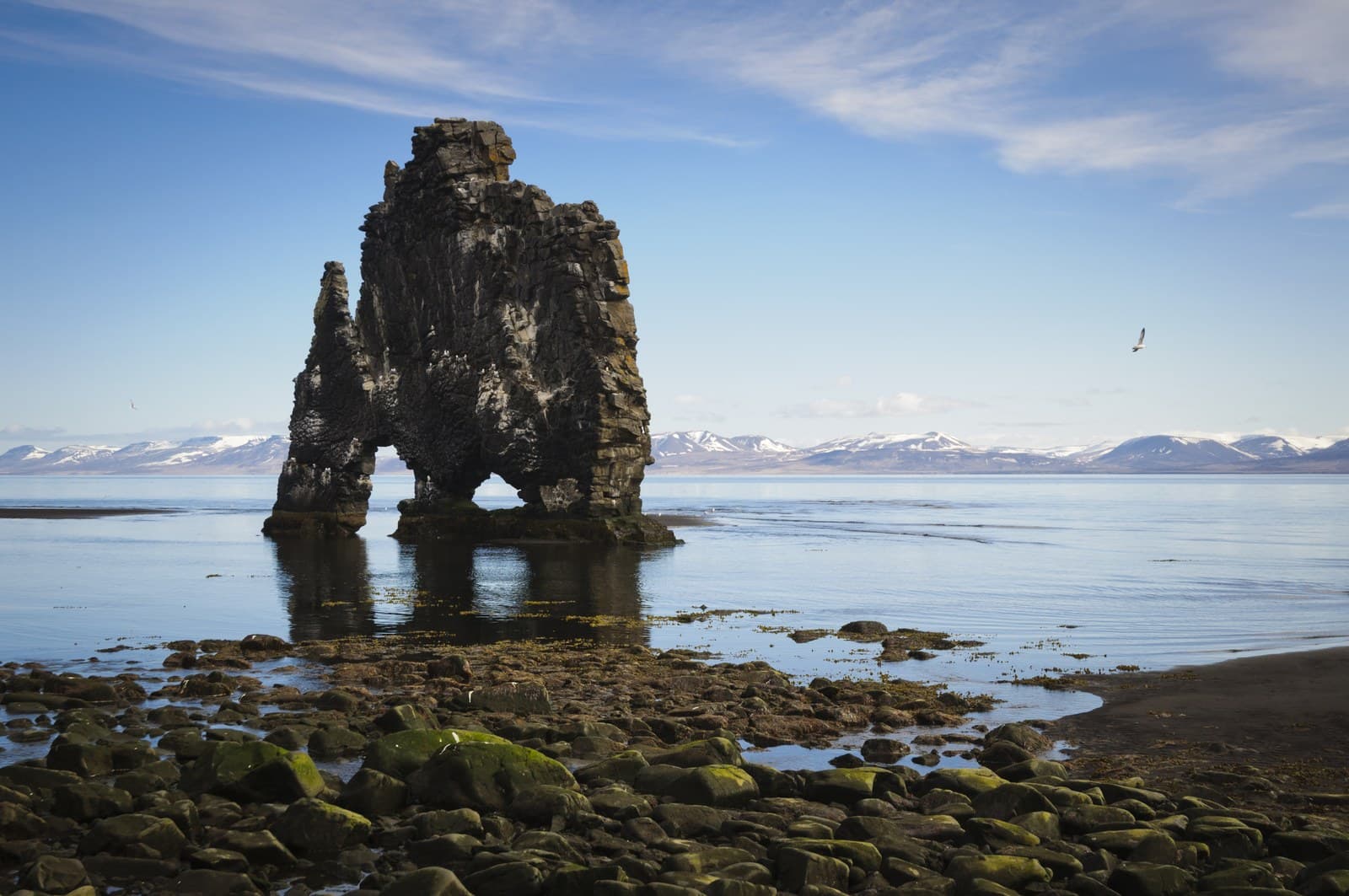
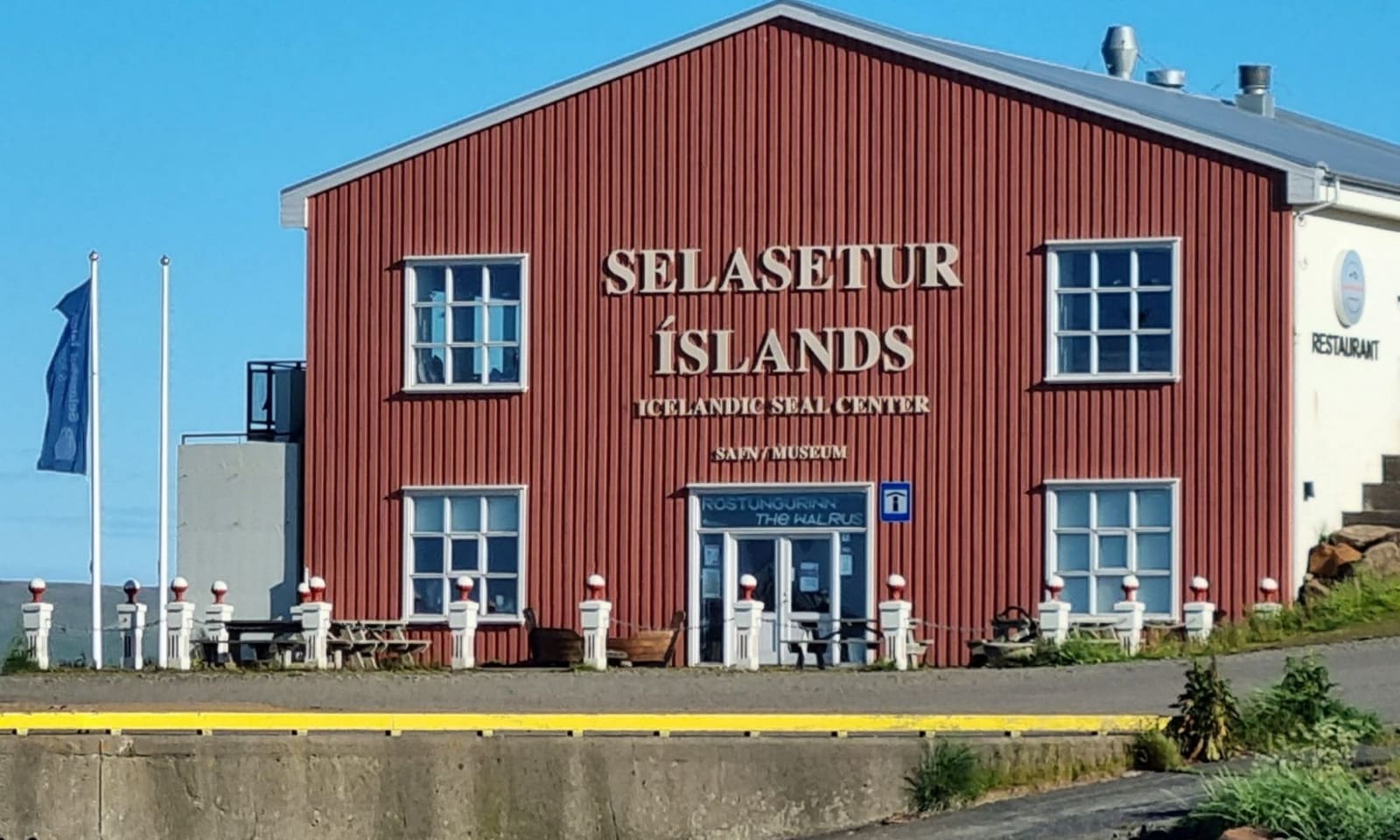
Think of it as a compact north-coast loop around a few real places: Hvammstangi, the Icelandic Seal Center, Vatnsnes, Illugastaðir, Hvítserkur, Borgarvirki, and Kolugljúfur.
The official local route frames the Seal Circle as a circular route from Hvammstangi via Vatnsnes and Kolugljúfur back to Hvammstangi. That matters because the best experience is selective. You are not trying to tick off every name; you are choosing the stops that make the loop feel worthwhile.
For many travelers, the strongest sequence is simple: learn the seal context in Hvammstangi, pick one or two coastal viewing areas, add Hvítserkur if the sea-stack view matters, and use Borgarvirki or Kolugljúfur only when the day still has breathing room.
Seals are the route's real hook, but the right mindset is patient and low-impact. The best stop is the one that lets wildlife stay undisturbed.
The Icelandic Seal Center points travelers toward Illugastaðir and Hvítserkur as key seal-watching areas on Vatnsnes. Timing matters because seals are often easier to see around lower tide and calmer weather, but the public promise should stay honest: sightings vary.
The research angle gives the route more depth than a simple photo hunt. Marine researchers identify Vatnsnes and inner Húnaflói as an important harbour-seal area, so the better visit is quiet, observant, and respectful. Use binoculars or a longer lens, stay on visitor routes, avoid loud behavior, and do not use drones around seals or birds.
The Seal Circle works best when you choose by purpose: wildlife context, coastal scenery, a strange landmark, or one extra landscape stop.
Ósar and Illugastaðir are important names for the route, but they are best treated as place names rather than promises. Weather, tide, nesting, road conditions, and visitor rules can all change how useful a specific viewing area feels on the day.
Give the Seal Circle enough room to be slow. If the loop has to be squeezed between long drives, the best move may be one coastal stop and a clean exit.
A half day is the most comfortable planning unit because it leaves time for wildlife watching, short walks, gravel or local-road pace, and weather delays. Travelers with less time should decide before leaving Route 1 whether the priority is seals, Hvítserkur, or a quick Hvammstangi stop.
The route can feel easy in settled conditions and awkward when wind, rain, snow, ice, or poor visibility arrive. Check Umferðin, the Icelandic Met Office, SafeTravel, and local visitor guidance before committing, especially outside straightforward summer weather.
The inland side of the Seal Circle matters when you want the day to feel varied, not only like a coast-and-seal search.
Borgarvirki adds a short historic-landscape angle, while Kolugljúfur adds canyon and waterfall drama. Neither needs to be forced into every plan, but one of them can make the loop feel more balanced if seals are distant or the coastline is grey and windy.
This is also where the route can become overloaded. If you already stopped in Blönduós, spent real time in Hvammstangi, waited for seals, and walked around Hvítserkur, adding every inland stop may turn a good slow day into a tired one.
By ThorPublished Updated
Use official visitor, weather, road, and safety sources before turning the Seal Circle into a fixed plan for the day.
Local route identity, main stops, and Hvammstangi starting context.
Seal-viewing locations, tide guidance, and wildlife conduct.
Official road-condition checks before local Vatnsnes driving.
Wind, visibility, precipitation, and winter-weather context.
Map
Use nearby places and useful bases before opening directions.
Interactive planning map for Seal Circle
Interactive map
Place context and external map links remain available without loading it.
Planning context
Open the region or practical guide that resolves the next planning decision.
Wider route
Use broader place relationships for route comparison; they are not presented as immediate nearby stops.
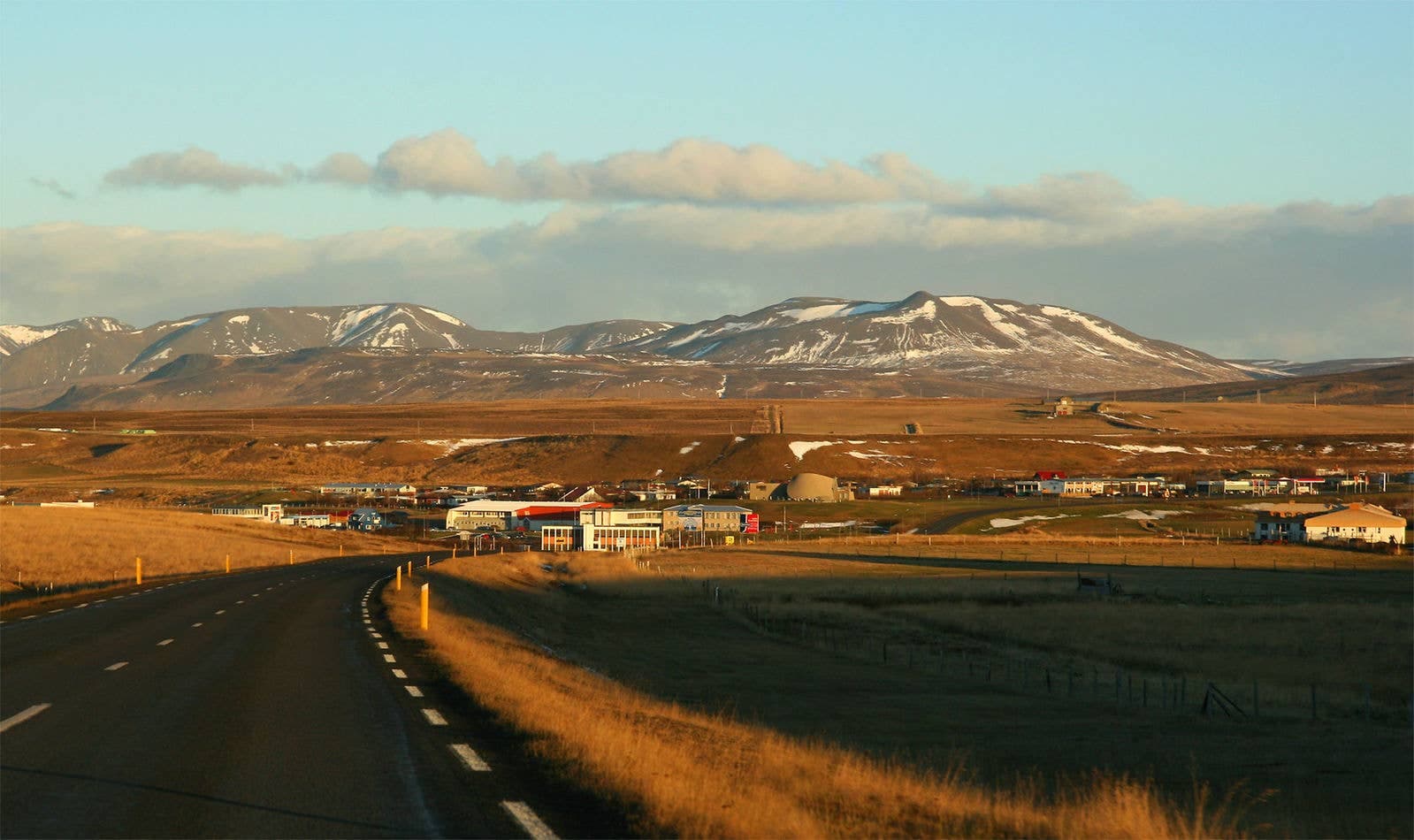
Blönduós is useful when a North Iceland drive needs more than fuel: a Blanda river pause, Hrútey island walk, old-town coast, textile culture, and a sensible link toward Vatnsnes.
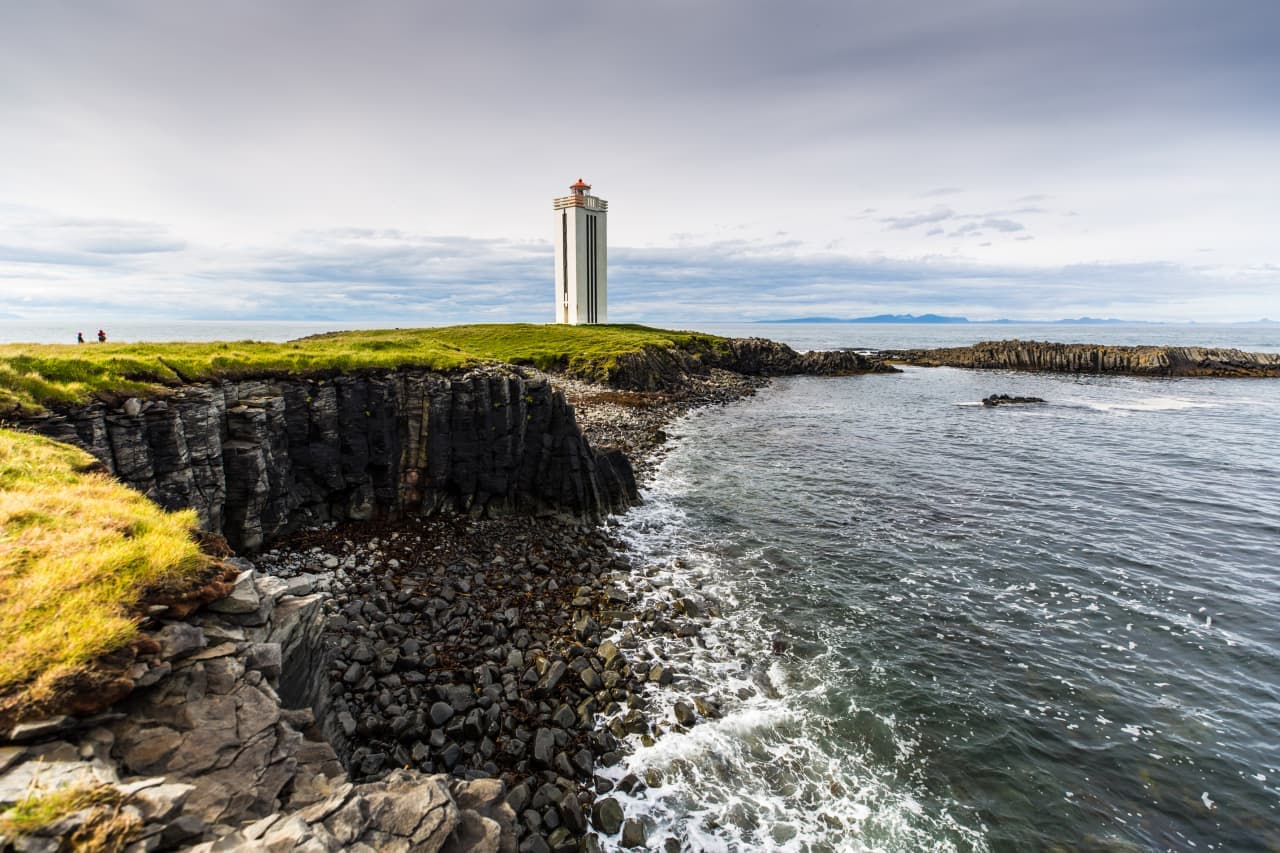
Húnaflói is a broad bay on Iceland's northwest coast, useful for travelers deciding whether Vatnsnes, Hvammstangi, Hóp Lake, and the Skagi shore deserve time in a North Iceland route.
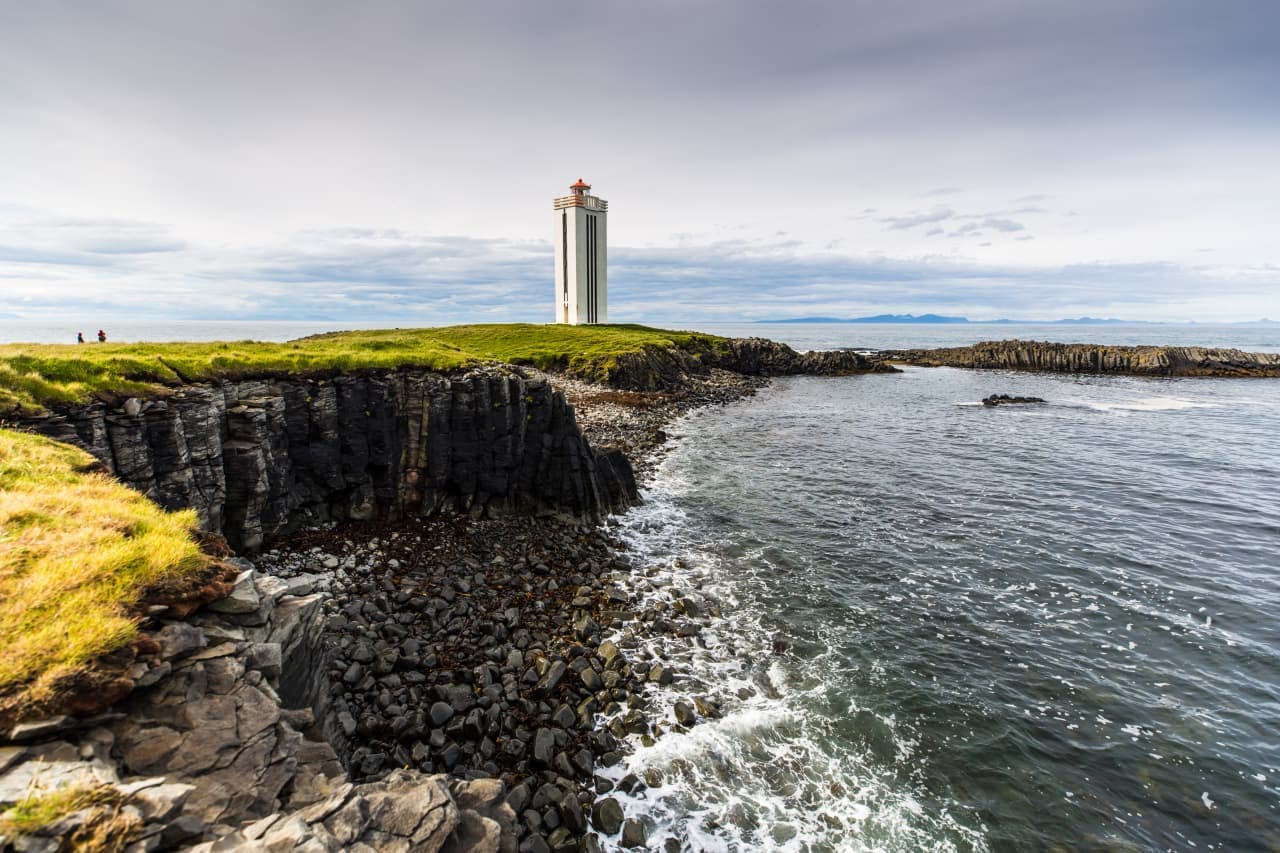
Kálfshamarsvík is a small basalt cove on the Skagi coast in North Iceland, worth the detour when you want dramatic columnar cliffs, a short lighthouse stop, and quieter Arctic Coast Way scenery than the usual Ring Road pace.
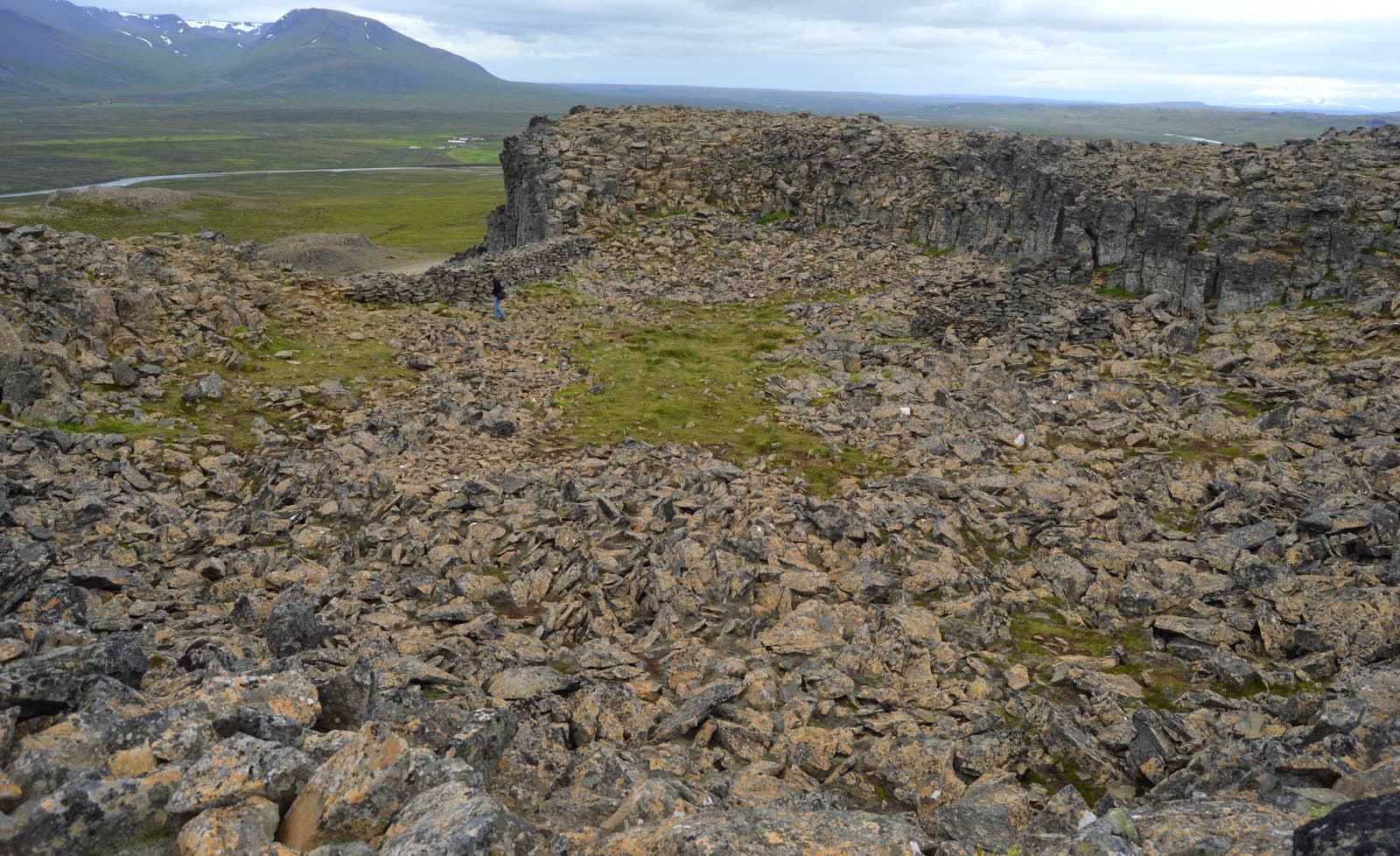
Borgarvirki is a basalt volcanic plug and historic fortress site in North Iceland, best added as a short Vatnsnes or Arctic Coast Way stop when the day has room for rougher landscape texture.
Next step
Use the next page that helps turn this stop into a practical route decision.