Is Saenautavatn worth the detour?

Yes, if your East Iceland plan has room for a quiet inland stop where the lake, turf farm, and highland road are the point. Skip it when you only need quick Ring Road scenery.

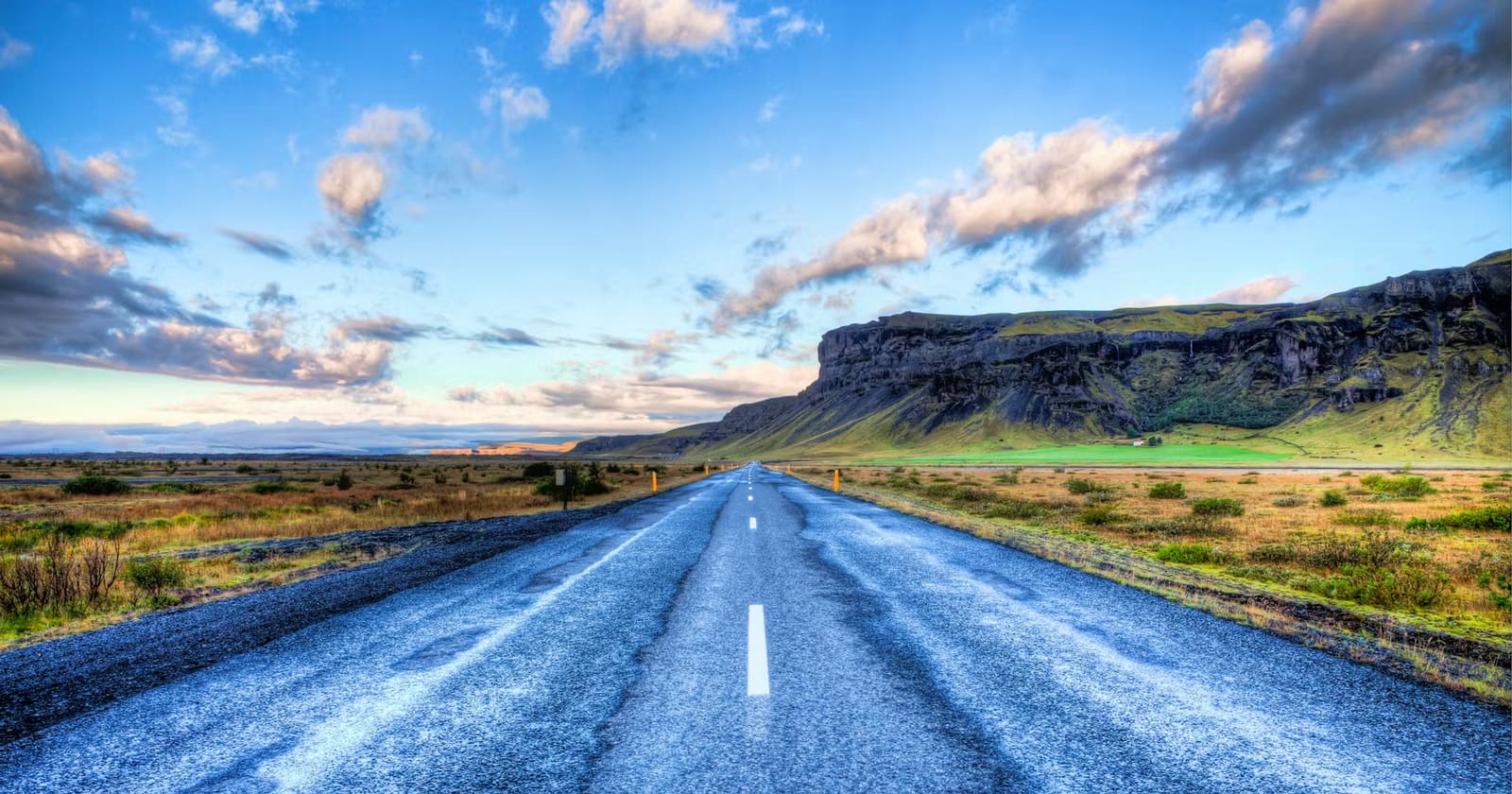
Saenautavatn is not a headline waterfall or a fast roadside viewpoint. Its value is the combination of open lake water, Jökuldalsheiði heathland, and Sænautasel, the restored turf-farm site that makes the landscape feel lived-in rather than empty.

The right question is whether you want that slower, more exposed East Iceland mood. If you are already building a day around Jökuldalur, Egilsstaðir, or quieter inland roads, the stop can add a memorable contrast to better-known places like Stuðlagil Canyon.

Worth the stop?

When this stop makes sense

Good match for

  • self-drive travelers giving East Iceland more than a fast overnight stop
  • visitors interested in turf-farm history, highland lake scenery, and quieter roads
  • photographers who prefer open heathland, weather, and scale over famous landmark crowds
  • travelers with enough flexibility to check highland-road, weather, and vehicle guidance before committing

Think twice if

  • first-time visitors trying to compress East Iceland into a quick Ring Road transfer
  • travelers without a suitable self-drive plan for rougher inland roads

Pair it with

East IcelandStuðlagil CanyonEgilsstaðirHengifoss

What do you actually see at the lake?

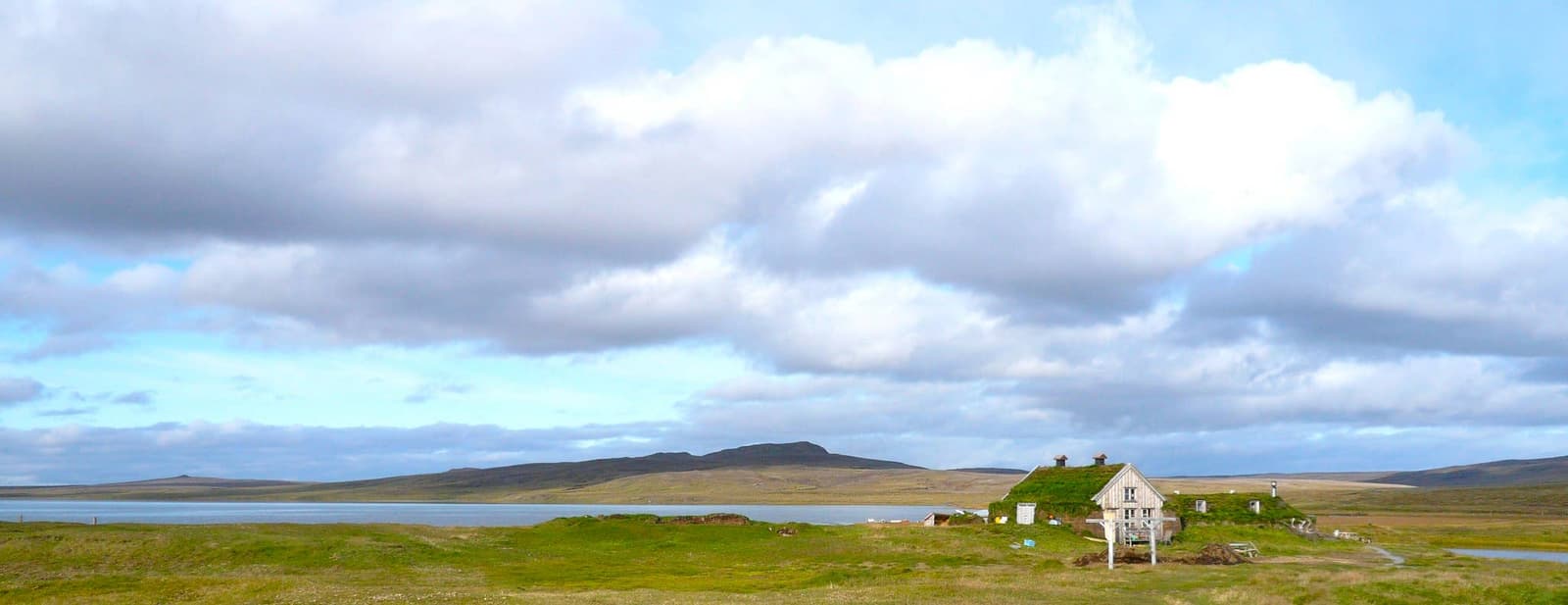
Expect a broad lake, low heathland, turf buildings, and a sense of distance rather than one single viewpoint moment.

The visual rhythm is horizontal: water, moorland, sky, and the small turf-farm buildings of Sænautasel. On a calm day the lake gives the stop its softness; in wind or low cloud the same place can feel stark and remote.

The farm buildings give scale to the open lake setting and keep the stop from feeling like generic inland scenery.

That makes Saenautavatn strongest for travelers who enjoy atmosphere and context. It is weaker for visitors who need every stop to deliver a dramatic waterfall, canyon, or short marked viewpoint.

Saenautavatn visit decision
ChoiceBest fitPlanning note
GoYou want lake scenery, turf-farm context, and a quieter East Iceland detourThe stop rewards slow travel more than checklist speed
Go with checksThe route uses Jökuldalsheiði or nearby inland roadsRoad, weather, and vehicle guidance should decide the final plan
SkipThe day is already a long transfer between overnight basesThe detour can feel costly when the route has no slack

How does Sænautasel change the visit?

Sænautasel turns the lake from a remote scenic stop into a cultural landscape, with turf buildings that point to older highland life.

Without Sænautasel, Saenautavatn would be mostly a quiet lake in the interior. The restored turf-farm site gives the stop a human anchor and makes it easier to understand why people would pause here instead of only photographing the water.

The turf-farm details are the cultural half of the visit; they make the lake feel tied to real highland settlement history.

Check official visitor information before relying on access to any staffed or interior experience. The public planning value stays the same even if your visit becomes an exterior, lakeside, and landscape stop.

Treat the turf buildings and the lake as one attraction rather than two separate boxes to tick.

Where does Saenautavatn fit in East Iceland?

It fits best as a deliberate Jökuldalur and Egilsstaðir-area detour, especially when you are not forcing East Iceland into one rushed drive.

Most travelers should think of Saenautavatn as an inland contrast stop. Pair it with <a href="/attractions/studlagil-canyon-iceland">Stuðlagil Canyon</a> when the day has enough margin for the Jökuldalur side of East Iceland, or use <a href="/attractions/egilsstadir">Egilsstaðir</a> as the practical base for deciding whether the detour is realistic.

The approach is part of the decision. Saenautavatn belongs in plans that respect the inland road, not in rushed transfer days.

For a more waterfall-led day, compare the detour with <a href="/attractions/hengifoss">Hengifoss</a> and <a href="/attractions/litlanesfoss">Litlanesfoss</a>. Those stops ask for walking effort; Saenautavatn asks more from the driving plan.

  • Use Saenautavatn when the route already values East Iceland depth over speed.
  • Pair it with Jökuldalur-area stops only when road and weather checks leave enough margin.
  • Avoid adding it as a last-minute scenic extra to a long Ring Road transfer.

What should you check before driving there?

Check road conditions, weather, vehicle suitability, and official visitor information before treating the stop as locked into the itinerary.

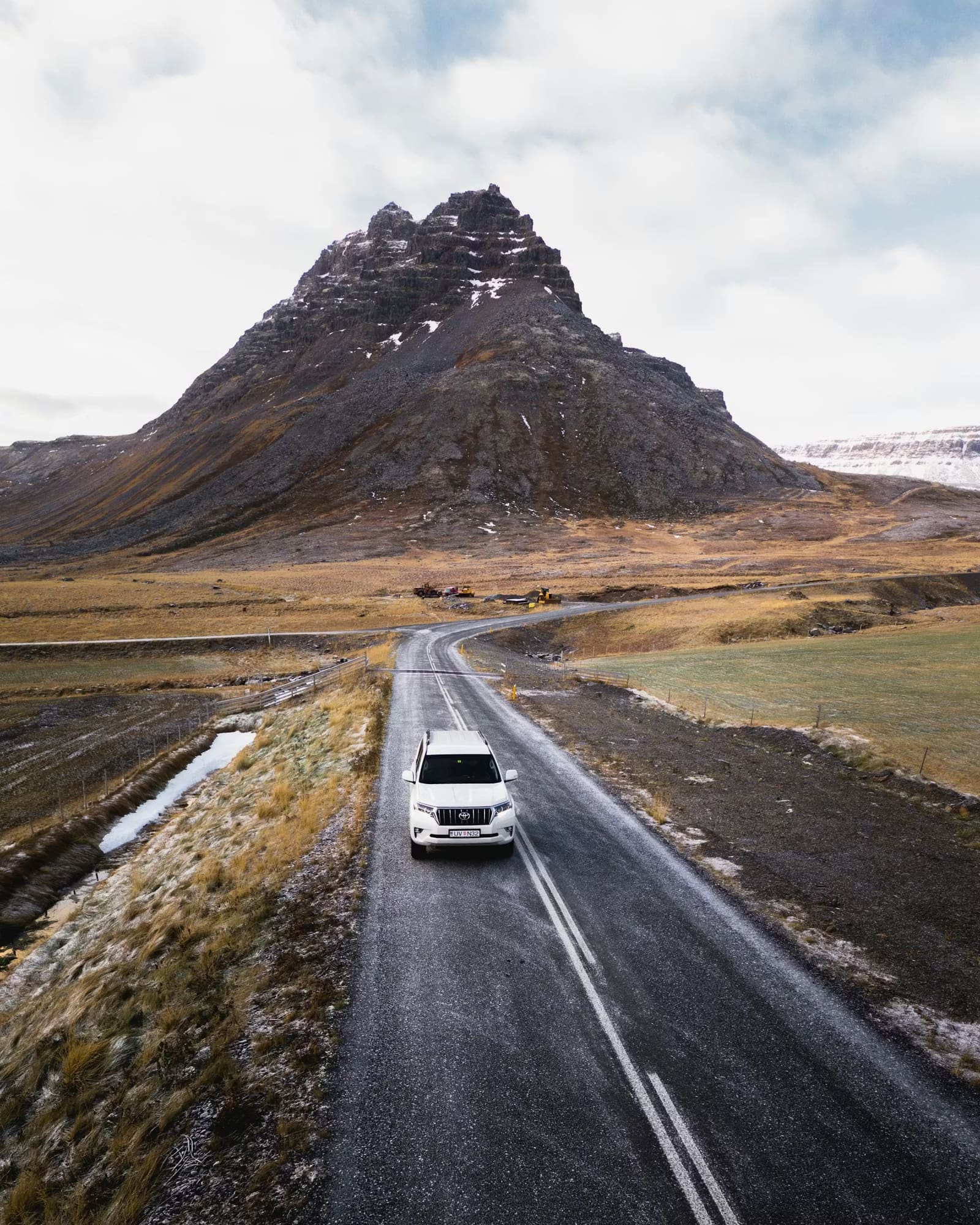
Saenautavatn is a low-effort place once you are there, but it is not a low-planning stop. The exposed inland setting means wind, visibility, surface conditions, and rental-vehicle rules matter more than they do for many paved-road attractions.

Use Umferðin for road conditions, the Icelandic Meteorological Office for weather and warnings, SafeTravel for travel-safety guidance, and official visitor information for Sænautasel-specific details. If any of those checks make the detour feel marginal, choose a lower-friction East Iceland stop instead.

Official checks before this detour

How much time should you give Saenautavatn?

Give it enough time to feel unhurried. The stop is short on foot, but the detour can shape a larger part of the day.

If you only count minutes at the lake, Saenautavatn looks easy. That is misleading for planning. The useful time budget includes the inland drive, pauses for photos, weather changes, and the choice of whether Sænautasel is part of the visit.

The lake area is simple on foot, but the wider detour deserves more margin than a normal viewpoint stop.

For most travelers, this works better as part of a slow East Iceland day than as a squeezed add-on. If the plan already includes <a href="/attractions/skriduklaustur">Skriðuklaustur</a>, Hengifoss, or a Jökuldalur stop, compare which one gives the day the clearest purpose.