Coast snapshot
- Type
- Coastal district with scattered sub-stops
- Region
- Southwest edge of South Iceland
- Best for
- Coast, lava, and flexible detours
- Time
- Half day to full day
- Access
- Mostly easy roads, spread-out stops
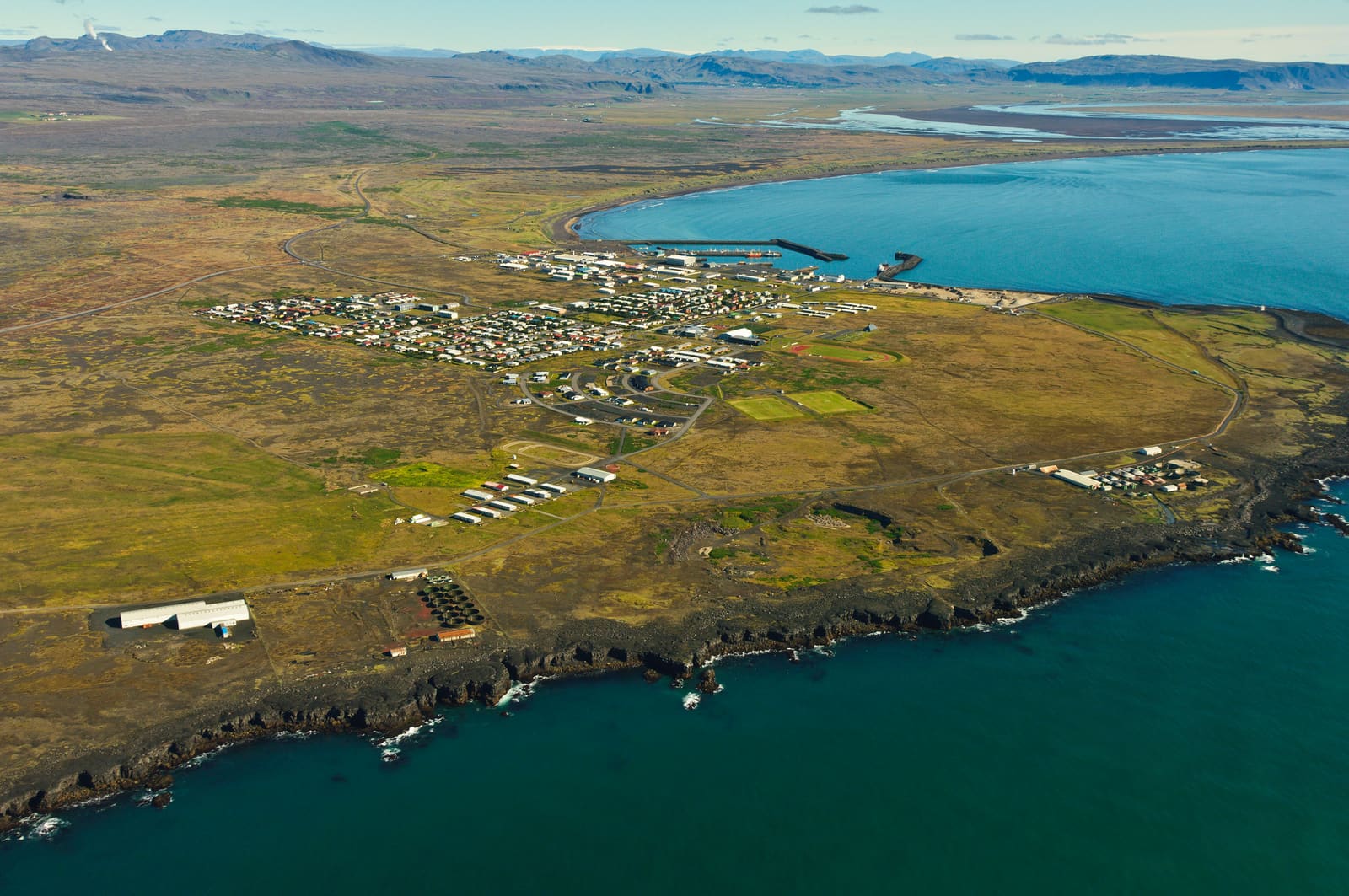
Ölfus is a spread-out southwest South Iceland district that makes sense when you want black-sand coast, lighthouse views, lava-country detours, and quieter village texture instead of forcing another single headline stop into the route.
Coast snapshot
Ölfus is worth time when you want a quieter southwest district built from coast, villages, and lava-country detours. It is easy to skip when your day still owes time to bigger Golden Circle or South Coast anchors.
The main decision is not whether Ölfus has sights at all. It does. The question is whether you want a spread-out district where the reward comes from combining a few smaller pieces: Þorlákshöfn, the lighthouse coast, one geology stop such as Raufarhólshellir Lava Tunnel, and sometimes a village pairing farther east.
That makes Ölfus more useful for travelers with a little slack in the route than for anyone chasing one obvious landmark. If your itinerary still needs the strongest Golden Circle or South Coast stops, this district is more likely to dilute the day than improve it.
Think of Ölfus as a district with several usable layers, not as one attraction pin.
Þorlákshöfn is the clearest anchor because it gives the area a real harbor town, a black-sand edge, and the easiest route planning. But the district is broader than that. The coast continues through the Lighthouse Trail villages of Eyrarbakki and Stokkseyri, while inland or northwest you reach lava-country stops that connect better with Hveragerði and Reykjadalur.
That mix is the page's real value. Ölfus can give you a lived-in southwest coast, one deliberate lava or cave layer, and a district that feels less over-scripted than a pure icon run. It should not be sold as one compact stop you 'do' in twenty minutes.
| Use case | Best when | Main tradeoff |
|---|---|---|
| Coastal district loop | You want villages, black sand, and lighthouse views near Reykjavík. | The payoff comes from several small pieces, not one famous sight. |
| Geology add-on | You pair the district with Raufarhólshellir or nearby lava-country stops. | You need to keep the route focused. |
| Short stop only | You just want Þorlákshöfn or one coast pull-off before driving on. | You will not really understand the wider district. |
If you only keep one image of Ölfus, make it the coast rather than the municipality label.
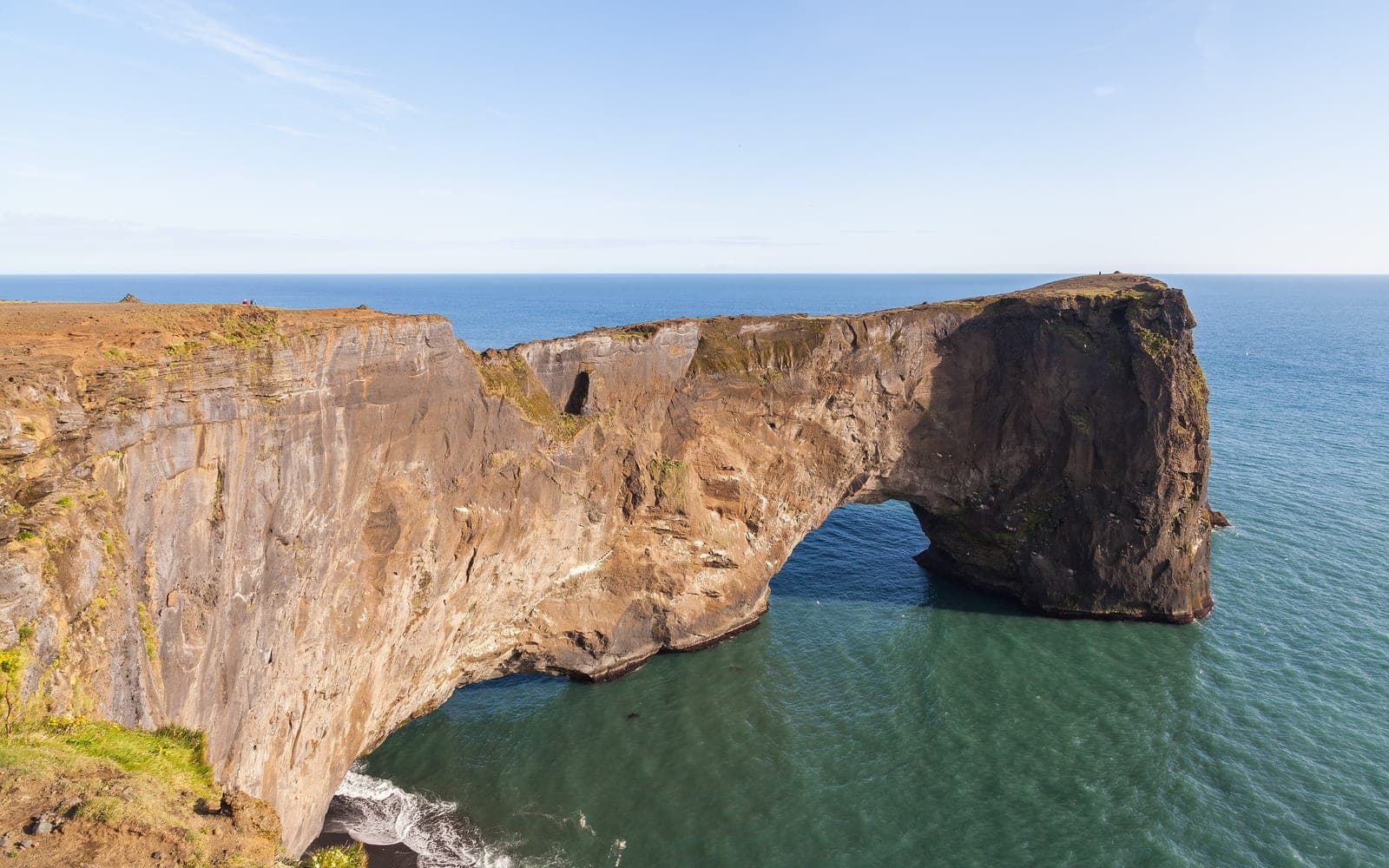
Hafnarnes and Hafnarnesviti south of Þorlákshöfn show the district at its clearest: rough rocks, black sand nearby, weather coming straight off the Atlantic, and wide views inland to the South Coast mountains on a good day. This is where Ölfus feels distinct from a simple roadside town stop.
The same coast also explains the district's secondary angle. The Lighthouse Trail links Þorlákshöfn with Eyrarbakki and Stokkseyri, so the area works best when you are interested in how villages, shoreline, and small cultural stops fit together rather than in collecting another isolated viewpoint.
The safest way to use the district is to choose one side of it and stop there.
A west-or-southwest version usually means Þorlákshöfn plus the lighthouse coast, perhaps with time for one more village if you already know you want the Lighthouse Trail mood. An inland-geology version works better when you compare the district with Kerið, Hveragerði, or Raufarhólshellir Lava Tunnel and decide that lava or geothermal context matters more than another long eastbound push.
What usually fails is trying to do all of it. Once you stack a harbor stop, a cave, two or three villages, and more classic southwest sights into one day, Ölfus stops feeling calm and starts feeling like a list of leftovers.
The best pairings depend on which version of the district you are trying to build.
Þorlákshöfn is the strongest first pairing because it turns the district into a clear harbor-and-coast visit. Eyrarbakki and Stokkseyri work when you want the shoreline villages and heritage angle. Raufarhólshellir Lava Tunnel is the best geology complement when the coast alone is not enough. Hveragerði and Reykjadalur are stronger alternatives if you decide the day should lean geothermal instead.
If you have time for the district's western side, Selvogur and Strandarkirkja add a more exposed heritage layer than the village chain closer to Þorlákshöfn. A more local contrast also comes from Ingólfsfjall, which helps if you want a landmark nearer the inland edge instead of stretching straight into the bigger Golden Circle icons.
Ölfus is easy to underestimate because the roads are not especially dramatic, but the details still change how worthwhile the district feels.
Check road conditions before any weather-sensitive drive, and check wind and visibility before building the day around exposed coast or longer village loops. If the plan depends on Raufarhólshellir, surf, or any specific local access arrangement, confirm the relevant official or operator information instead of assuming the district behaves the same in every season.
That discipline is what keeps Ölfus useful. Done well, the district adds route texture that many travelers miss. Done badly, it becomes a vague detour with too many moving pieces.
Use for regional identity, village context, and broader stop ideas.
Check before relying on coast loops, side roads, or longer district detours.
Check wind and visibility before exposed shoreline plans.
By ThorPublished Updated
Map
Use nearby places and useful bases before opening directions.
Interactive planning map for Ölfus
Interactive map
Place context and external map links remain available without loading it.
Planning context
Open the region or practical guide that resolves the next planning decision.
Next step
Use the next page that helps turn this stop into a practical route decision.