Is Ingólfstorg Square worth a stop?

Ingólfstorg Square is worth a stop when you are already walking through central Reykjavík, especially if an event or winter atmosphere gives the square a reason to hold your time. It is not a major standalone attraction to force into a scenery-first trip.

Think of Ingólfstorg as a small city-space decision. On an ordinary day, it can be a quick pause between Austurstræti, Aðalstræti, Laugavegur, and the old civic center. During a market, performance, or winter rink setup, it can become one of the livelier corners of downtown.

The best planning use is simple: add the square when your Reykjavík day already includes Laugavegur, the Settlement Exhibition, Alþingi, Dómkirkjan, City Hall, or a slow walk through the old center. Skip a dedicated detour if your limited capital time should go to Hallgrímskirkja, the Sun Voyager, Perlan, or a museum you actively care about.

Worth the stop?

When this stop makes sense

Good match for

  • downtown Reykjavík walks
  • short old-center stops
  • winter or event-season city atmosphere
  • families staying near the centre

Think twice if

  • scenery-first travelers with very limited Reykjavík time
  • visitors expecting a major standalone monument

Pair it with

ReykjavikLaugavegurAðalstræti and Settlement ExhibitionAlþingi

What does the square feel like?

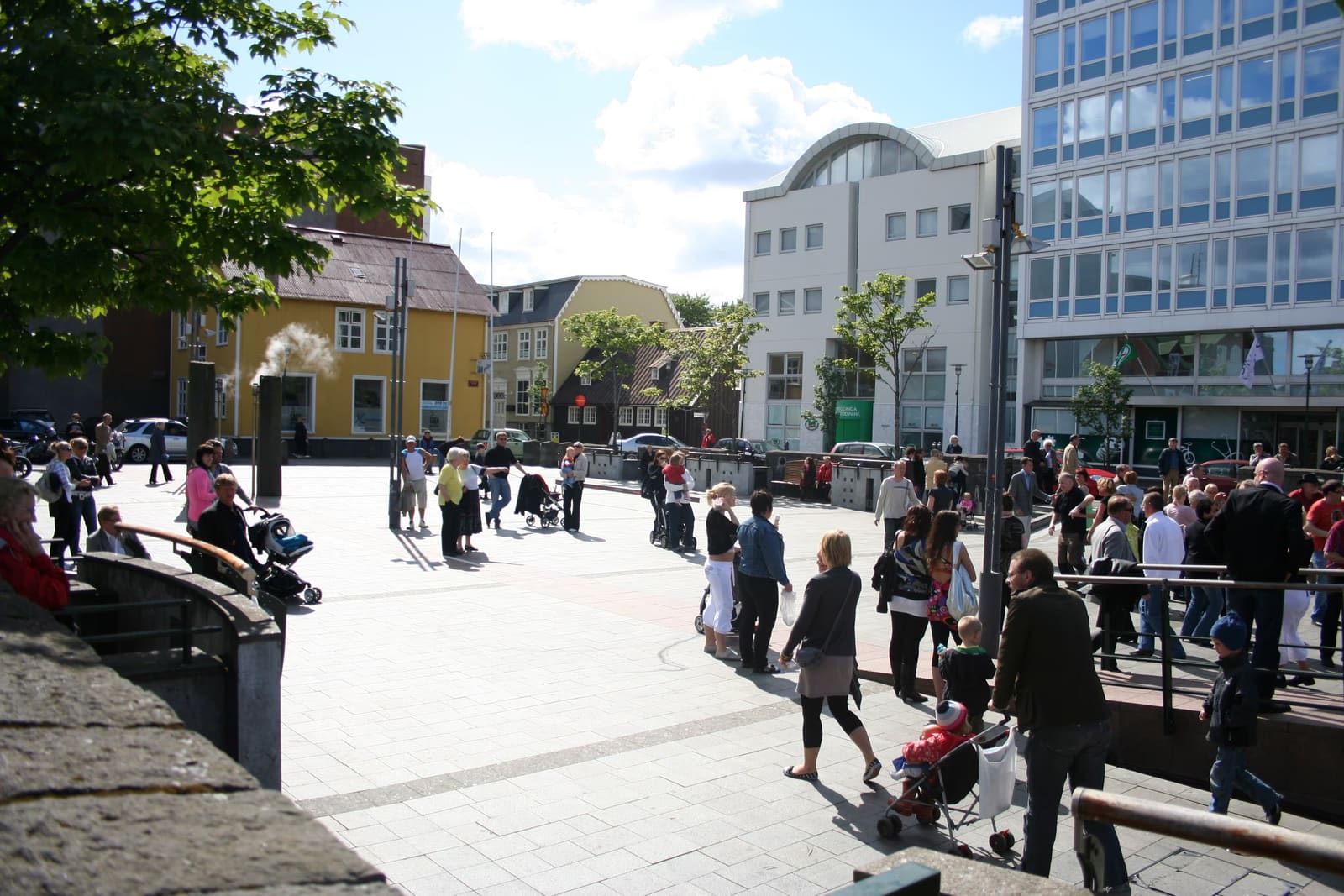
Ingólfstorg feels like a compact urban room in the old center rather than a grand plaza. Buildings, restaurants, shops, walking streets, and passing groups shape the experience more than one monument or viewpoint.

That small scale is part of the point. You can understand the square quickly, then decide whether to linger. If people are gathering, lights are up, or a seasonal setup fills the space, it feels like a local meeting point. Without that energy, it is more useful as a connector than a destination.

This is why expectations matter. Travelers looking for waterfalls, mountains, or a clear photo icon may find Ingólfstorg too modest. Travelers who enjoy city texture, compact streets, and small public spaces can use it to make downtown Reykjavík feel less like a string of separate stops.

The square is easiest to judge from street level, where its compact scale is clear.
Ingólfstorg feels most like a compact city room when winter lights or a skating setup fill the space.

How long should you give Ingólfstorg?

Give Ingólfstorg about 10-20 minutes if you are passing through, and 30-90 minutes if a seasonal event, performance, casual snack, or relaxed city walk is the reason you are there.

Ingólfstorg visit styles
Visit styleGood whenTime to protect
Quick lookYou are connecting nearby old-center streets and landmarksAbout 10-20 minutes
City-walk pauseYou want a slower downtown route with people-watching and nearby cafes or museumsAbout 30-60 minutes
Event-season stopThe square itself has a market, skating, music, or public gatheringAbout 45-90 minutes or more

Keep the time flexible. The square is easy to shorten if the weather turns rough or the setup feels quiet, and easy to extend when the city atmosphere is the reason you chose to stay downtown.

Most visits to Ingólfstorg work as a short pause between nearby downtown stops.

Where does Ingólfstorg fit in a downtown walk?

Ingólfstorg fits best inside a tight old-center walk, not as a drive-to stop. Use it to connect the shopping-street side of downtown with Reykjavík's older civic and settlement-history layer.

A practical route is to pair the square with Laugavegur and Austurstræti for street life, then continue toward the Settlement Exhibition, Alþingi, Dómkirkjan, Reykjavík City Hall, or Tjörnin if you want more old-center context. That keeps the walk coherent instead of scattering the day across the city.

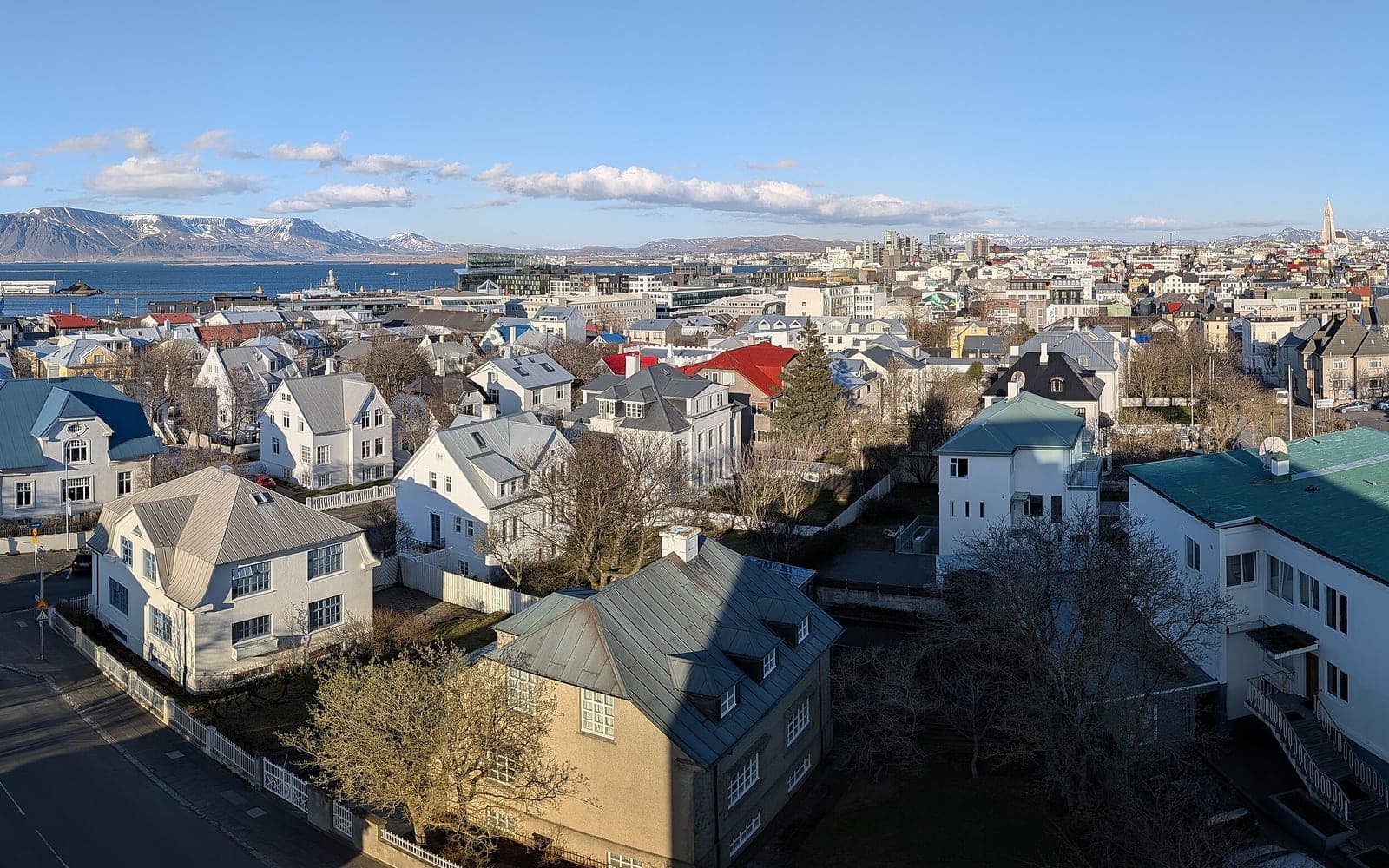
For a broader Reykjavík day, compare the square with bigger city anchors. Hallgrímskirkja gives the clearest landmark moment, Perlan gives a structured indoor stop and viewpoint, and the Sun Voyager gives a waterfront photo pause. Ingólfstorg is smaller than all of those, but it can make the middle of the walk feel more lived-in.

  • Use it before or after Laugavegur when you want street life and central cafés nearby.
  • Use it with the Settlement Exhibition when the walk is about older Reykjavík.
  • Use it with Alþingi, Dómkirkjan, and City Hall when the day is about the civic center.
Ingólfstorg makes most sense as a connector in the old-center walk.

When is Ingólfstorg most interesting?

Ingólfstorg is most interesting when the square is doing something: winter lights, a rink, a market, a performance, a gathering, or enough downtown foot traffic to make the space feel alive.

Many visitors associate the square with Reykjavík's winter and Christmas atmosphere, but the durable planning point is broader. Ingólfstorg works whenever the public-space role is visible. If the square is quiet, the visit becomes a brief city-walk connector rather than a highlight.

Do not rely on old articles for event specifics. Seasonal setups, operators, layouts, rentals, and timing can change. Use official visitor information or the event organizer before making a timed plan around skating, markets, music, or group activities.

Ingólfstorg becomes most memorable when winter activities fill the square.
When something is happening here, Ingólfstorg feels like a real neighborhood gathering place.

What should you check before relying on the square?

Check official visitor information if the event is the reason you are going, and check weather if your plan depends on standing around outdoors. Ingólfstorg is easy, but it is still exposed city space.

  • Check official visitor information for event details, booking links, rental details, and layout changes.
  • Check the weather before turning the square into a long outdoor pause in wind, rain, snow, or icy conditions.
  • Keep backup options nearby, such as the Settlement Exhibition, Reykjavík City Hall, a museum, or a café break.

What should you pair nearby?

Pair Ingólfstorg with nearby Reykjavík stops that add a clearer purpose to the walk. The square is strongest when it sits between stronger decisions instead of trying to carry the day alone.

For history, make the Settlement Exhibition the main stop and use Ingólfstorg as part of the surrounding old-center walk. For civic context, pair it with Alþingi, Dómkirkjan, and Reykjavík City Hall. For a first-time city route, continue toward Hallgrímskirkja, the waterfront, or Perlan depending on how much time and weather margin you have.

If Reykjavík is only one piece of a wider trip, use the Reykjavík region guide or a 5-day Iceland itinerary before adding more city stops. That keeps Ingólfstorg in the right role: useful downtown texture, not a substitute for the larger Iceland decisions.

Use Ingólfstorg as the small public-space anchor between stronger nearby stops.