Culture snapshot
- Type
- Phallology museum and cultural curiosity
- Setting
- Hafnartorg, near Reykjavík Old Harbour
- Time
- About 45 to 75 minutes
- Best for
- Curious adults and offbeat museum fans
- Pair with
- Harpa, Old Harbour, or downtown museums
The Icelandic Phallological Museum is Reykjavík's most unusual museum stop, useful for curious travelers deciding whether a compact Hafnartorg collection deserves paid time in a city day downtown.
Culture snapshot
It is worth adding when you want a compact museum that is stranger, funnier, and more specific than most city stops. It is less convincing as your main introduction to Icelandic history, art, or nature.
The Icelandic Phallological Museum is a real collection with a deliberately unusual subject: phallology, biological specimens, phallic art, folklore objects, and museum humor under one roof. The point is not just shock value. The better visit is reading the displays, noticing the mammal and whale context, and deciding whether the serious presentation makes the joke more interesting.
Choose it when your Reykjavík day already includes the harbor or central downtown. If you only have time for one big indoor attraction, Perlan, the National Museum, or a major art museum will give broader context. If your day has room for one memorable oddity, this is one of the easiest places in Reykjavík to justify.
Photo guide
1 / 2
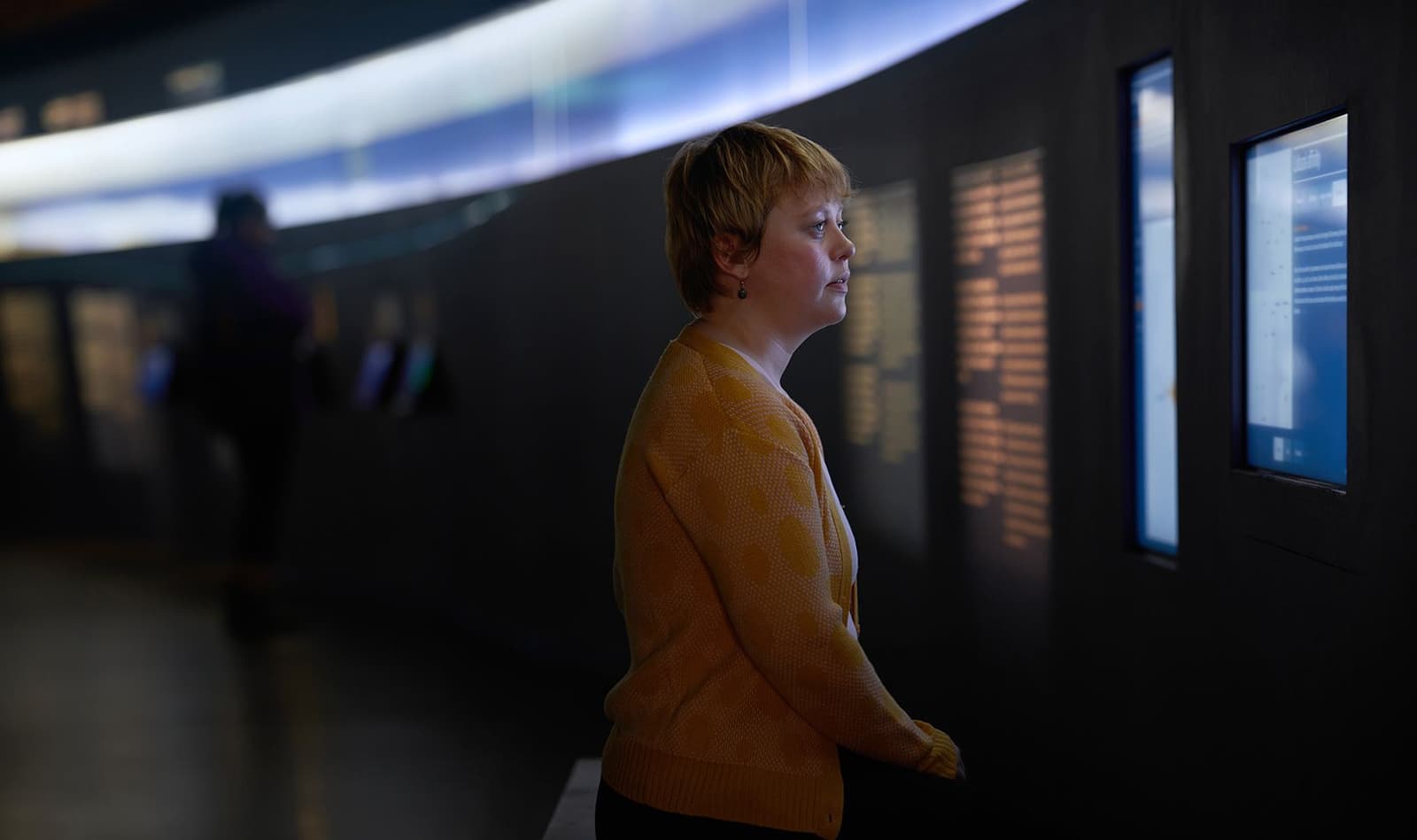
The museum's visitor areas continue the same deliberately playful tone.
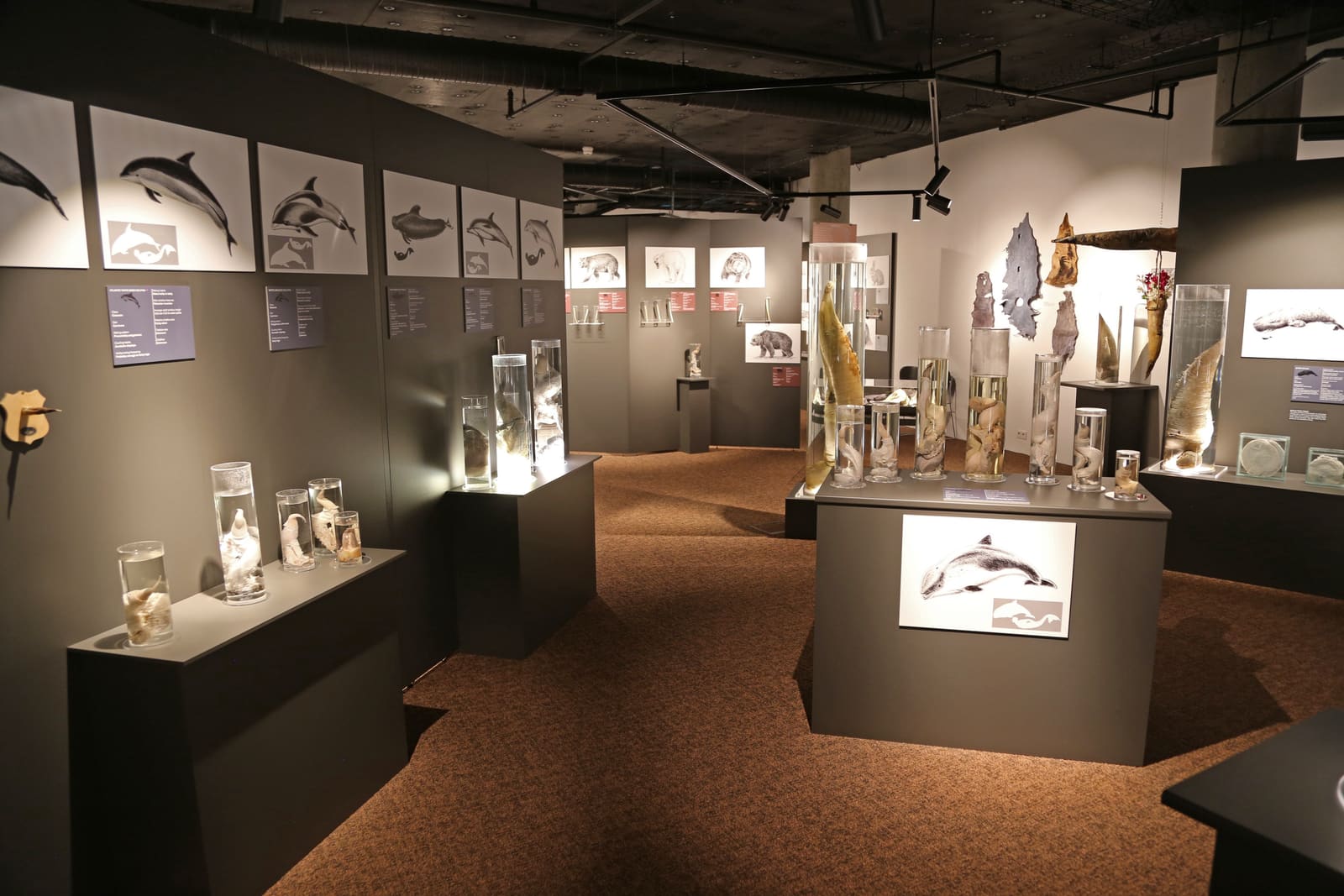
Expect glass cases, preserved specimens, animal illustrations, display text, art, and a tone that moves between natural history and dry Icelandic humor.
The collection began with founder Sigurður Hjartarson and grew from a personal curiosity into a dedicated museum. Official museum history describes a long effort to collect, study, and present phallic specimens, including Icelandic mammal fauna and later additions from farther afield.
That background matters because the museum is better when treated as a narrow natural-history and culture collection, not only a novelty photo stop. Whale specimens, small mammal displays, donor stories, art, and mythological references give the rooms more layers than the nickname suggests.
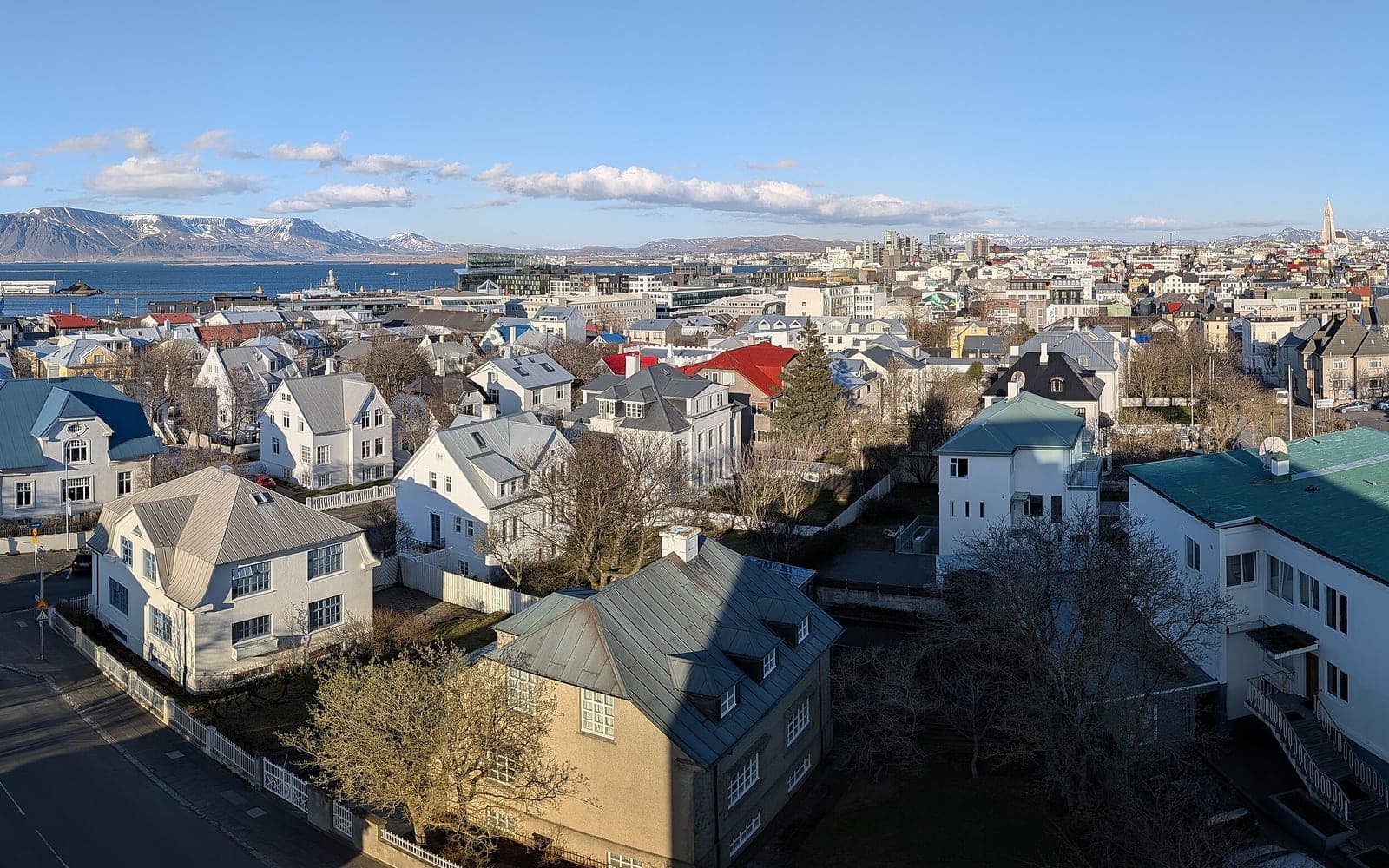
The museum sits at Hafnartorg, close enough to the harbor and downtown landmarks that it works best as part of a city walk.
Location is the practical reason this niche museum earns a place on some itineraries. You can fold it into a walk around Reykjavík Old Harbour, Harpa Concert Hall, Lækjartorg, or nearby shopping and food stops without turning the day into a museum commute.
For a compact Reykjavík route, it pairs especially well with another small cultural stop such as The Icelandic Punk Museum or a more conventional museum such as the House of Collections. That contrast helps the day feel intentional rather than just weird for the sake of weird.
The museum works best for curious travelers who like specific, slightly absurd collections and do not need every Reykjavík stop to be monumental.
A good visit is usually measured in under 90 minutes, unless you read deeply, use every interpretive layer, or linger over the cafe and shop. That makes it easy to pair with a harbor walk, but it also means it should not crowd out a major attraction you care about more.
Because this is an operated indoor museum, confirm practical details with the museum before building a tight day around it.
Check the official museum site for visitor information, ticket setup, access guidance, cafe details, and any policies that matter for your group. Facilities, exhibits, and service details can vary by staffing, maintenance, events, or season.
Use for museum background and collection history.
Use for access guidance and contact checks.
Use for location context within Hafnartorg.
Use these answers to decide whether the museum fits your group before checking official details.
Most travelers should allow about 45 to 75 minutes, with extra time if they read closely or add the cafe and shop.
It is both playful and serious. The subject is unusual, but the collection is presented through specimens, history, art, and phallology.
Harpa, Reykjavík Old Harbour, The Icelandic Punk Museum, House of Collections, and downtown food stops are the easiest nearby pairings.
By ThorPublished Updated
Map
Use nearby places and useful bases before opening directions.
Interactive planning map for Icelandic Phallological Museum
Interactive map
Place context and external map links remain available without loading it.
Planning context
Open the region or practical guide that resolves the next planning decision.
Wider route
Use broader place relationships for route comparison; they are not presented as immediate nearby stops.
Next step
Use the next page that helps turn this stop into a practical route decision.