Is Husavik Museum worth adding to your Húsavík stop?

Yes, if Húsavík is more than a quick harbor departure in your plan. The museum is most useful when you want local context before or after the bigger outdoor reasons people come north.

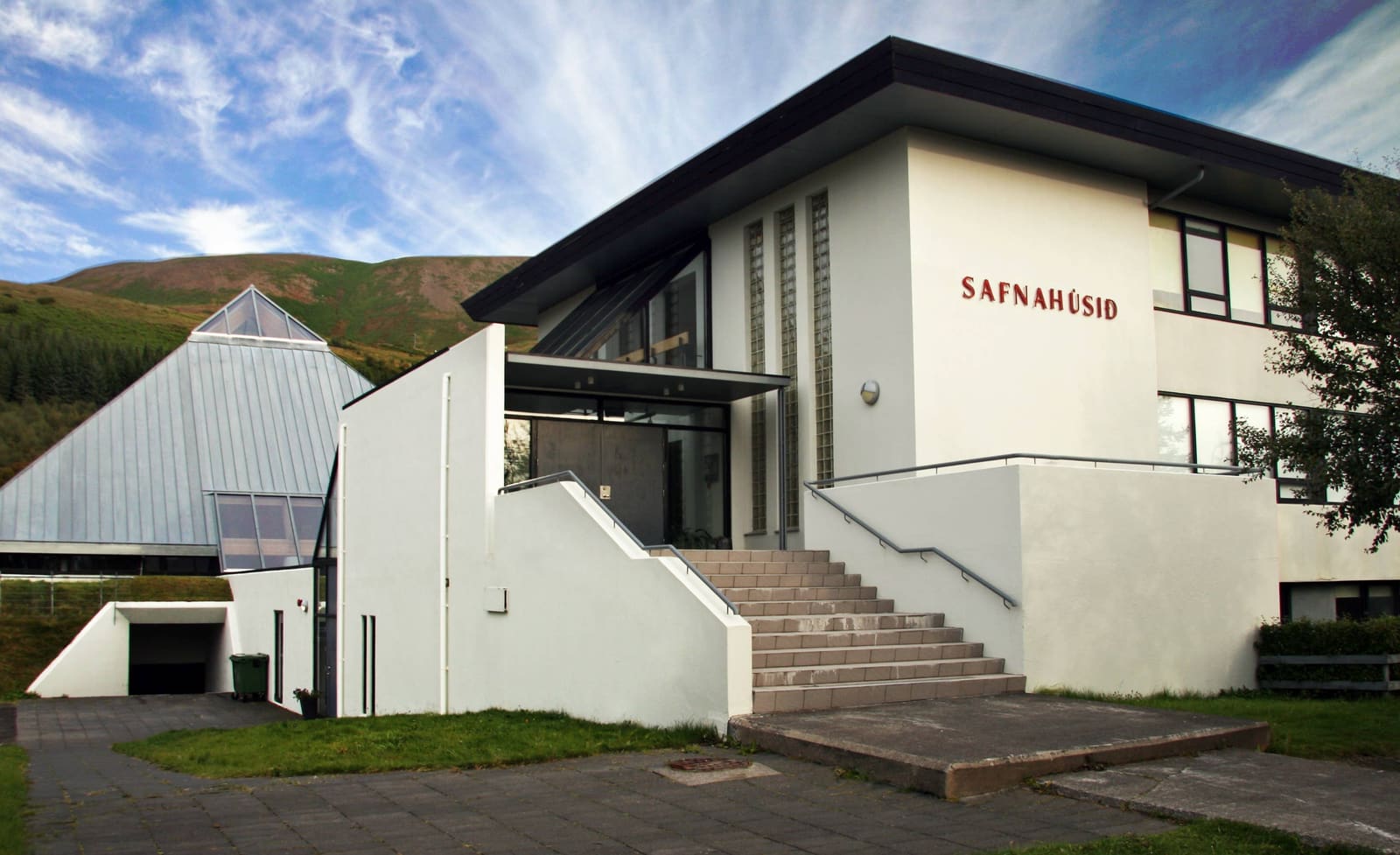
Husavik Museum, also called Safnahúsið, is the town’s broad local-culture stop. It brings together everyday life, natural history, maritime heritage, art, photography, and archives from Húsavík and the wider Þingeyjar counties.

The value is not scale. It is the way the museum turns Húsavík from a whale-watching base into a place with its own working, fishing, collecting, and community history. That makes it a good short stop when the town itself deserves a little attention.

A local Iceland travel editor would add it on a slower Húsavík stay, a rough-weather town break, or a Diamond Circle plan with spare margin. The same editor would skip it when the day is already trying to fit Goðafoss, Lake Mývatn, Dettifoss, Ásbyrgi, and a long drive.

Worth the stop?

When this stop makes sense

Good match for

  • travelers spending real time in Húsavík rather than only boarding a boat
  • visitors who like local history, everyday objects, maritime heritage, photographs, and regional collections
  • families or slow travelers who want a manageable indoor cultural stop
  • North Iceland routes that need a weather-flexible pause between bigger outdoor sights

Think twice if

  • travelers with no meaningful Húsavík time beyond a whale-watching departure
  • days already crowded with Goðafoss, Lake Mývatn, Dettifoss, Ásbyrgi, and a long drive

Pair it with

North IcelandÁsbyrgi CanyonDettifossLake Mývatn

What will you actually see inside?

Expect a compact regional museum rather than a single-topic attraction: local life, nature, fishing, boats, archives, photography, art, and a few memorable objects that make the place specific.

The Daily Life and Nature exhibition is the local-history core. It connects natural objects with man-made artifacts from a period when rural life in Þingeyjar counties depended directly on weather, animals, plants, tools, and local knowledge.

The maritime side is the strongest Húsavík-specific layer. Boats, fishing gear, boatbuilding material, and working-sea objects explain why the harbor and Skjálfandi Bay matter to the town beyond visitor photos and boat tours.

The preserved polar bear is the object many visitors remember, but it should not be the only reason to go. Treat it as one memorable exhibit within a broader regional collection that also includes art, photography, and archival material.

Small everyday objects are part of why the museum feels local rather than grand or generic.

How much time should you allow?

Most travelers should protect about 45-90 minutes. A quick look can be shorter, but the museum works better when you have time to read, compare objects, and let the maritime section breathe.

Choose the version of Husavik Museum that fits your day.
Visit styleBest fitTime to protect
Quick town-context stopYou want a short indoor break and a sense of what the museum is.About 30-45 minutes
Balanced museum visitYou want the main local-life and maritime story without letting the stop dominate the day.About 45-90 minutes
Slow Húsavík culture stopYou like small museums, archives, photographs, art, and detailed local context.About 1.5-2 hours

The balanced version is usually the right planning unit. It gives the museum enough room to be worthwhile while preserving the outdoor priorities that often shape a North Iceland day.

If your visit is mainly about a timed harbor activity, put the museum on the flexible side of the day. It is better as a calm add-on than as something that makes the rest of Húsavík feel rushed.

Memorable objects like the preserved polar bear are one reason a slower visit can be more rewarding than a quick glance.

How does it fit with the Diamond Circle and Húsavík harbor?

Use Husavik Museum as the cultural layer of a Húsavík stop. It should support the day’s main plan, not compete with every major Diamond Circle sight.

The official Diamond Circle route frames Húsavík alongside Goðafoss, Lake Mývatn, Dettifoss, and Ásbyrgi. Those places are the bigger scenery anchors. Husavik Museum is the quieter town-context stop you add when the route has enough breathing room.

If you are coming from the west, compare museum time against <a href="/attractions/godafoss">Goðafoss Waterfall</a> and <a href="/attractions/myvatn">Lake Mývatn</a>. If you are heading east or south from Húsavík, protect enough daylight and energy for <a href="/attractions/asbyrgi">Ásbyrgi Canyon</a> and <a href="/attractions/dettifoss">Dettifoss</a> before adding extra town stops.

For whale interpretation in Reykjavík rather than Húsavík, <a href="/attractions/whales-of-iceland">Whales of Iceland</a> is a different indoor museum decision entirely.

Húsavík harbor context helps place the museum inside a real town stop, not a standalone detour.
Whale context explains why many travelers come to Húsavík, while the museum adds a quieter cultural layer.

What should you check before you go?

Check official visitor information before making the museum a fixed part of a tight day. Small museums can change exhibitions, services, group arrangements, and access details.

Keep your public plan durable: decide whether the stop fits first, then verify the details that can change. That matters most if you are planning around a boat departure, a long Diamond Circle drive, children, mobility needs, or a specific exhibition.

Useful official checks

  • Menningarmiðstöð ÞingeyingaOfficial visitor information

    Use for the museum's own visitor details and official contact path.

  • Visit North IcelandOfficial regional listing

    Use for regional tourism context, address, and attraction listing details.

  • Visit North IcelandOfficial route context

    Use for Diamond Circle context around Húsavík, Goðafoss, Mývatn, Dettifoss, and Ásbyrgi.

Husavik Museum FAQ

These are the practical decisions most visitors need before adding a small Húsavík museum stop.

Is Husavik Museum the same as the Húsavík Whale Museum?

No. Husavik Museum / Safnahúsið is a broad local-history, nature, maritime, art, photography, and archive museum. The Húsavík Whale Museum is a separate whale-focused attraction by the harbor.

Should I visit Husavik Museum on a Diamond Circle day?

Add it only when the day has spare margin in Húsavík. If time is tight, prioritize the main outdoor anchors such as Goðafoss, Lake Mývatn, Dettifoss, and Ásbyrgi.

Is Husavik Museum good in poor weather?

It can be a useful indoor cultural pause, especially if you are already in Húsavík. Still check official visitor information before treating it as the fixed backup for a specific day.