Is Granni worth a stop if you are already driving to Háifoss?

Yes, Granni is worth noticing if you already accept the same canyon detour as Háifoss. No, it is rarely the better separate goal when the day only has room for one rougher waterfall decision.

Granni is the narrower waterfall on the same canyon wall as Háifoss, so most travelers meet it as part of one shared viewpoint rather than as a different destination. That makes the real decision simple: do you want the full paired-waterfall scene, or are you only trying to tick off one famous name?

A local Iceland travel editor would add Granni when the route already earns the inland drive and the traveler cares about the whole Fossá canyon composition. The same editor would skip a separate Granni focus when the day only justifies one rough detour, when weather looks unstable, or when a cleaner Golden Circle plan still has stronger anchors left.

If you are already reading the Háifoss guide, think of Granni as the reason the viewpoint feels bigger and less one-note. If you are not willing to make the shared approach for Háifoss, Granni usually does not rescue the stop on its own.

Worth the stop?

When this stop makes sense

Good match for

  • self-drive travelers already considering the Háifoss canyon viewpoint
  • photographers who care about the paired-waterfall composition, not only the taller main drop
  • slower Golden Circle detours that can absorb gravel-road checks and weather changes
  • travelers building a wider Þjórsárdalur cluster with waterfalls and heritage stops

Think twice if

  • first-time Golden Circle days that already feel full before any inland detour
  • travelers who want a famous standalone stop without shared access tradeoffs

Pair it with

South IcelandHáifossÞjórsárdalurHjálparfoss

What makes Granni different from Háifoss at the canyon rim?

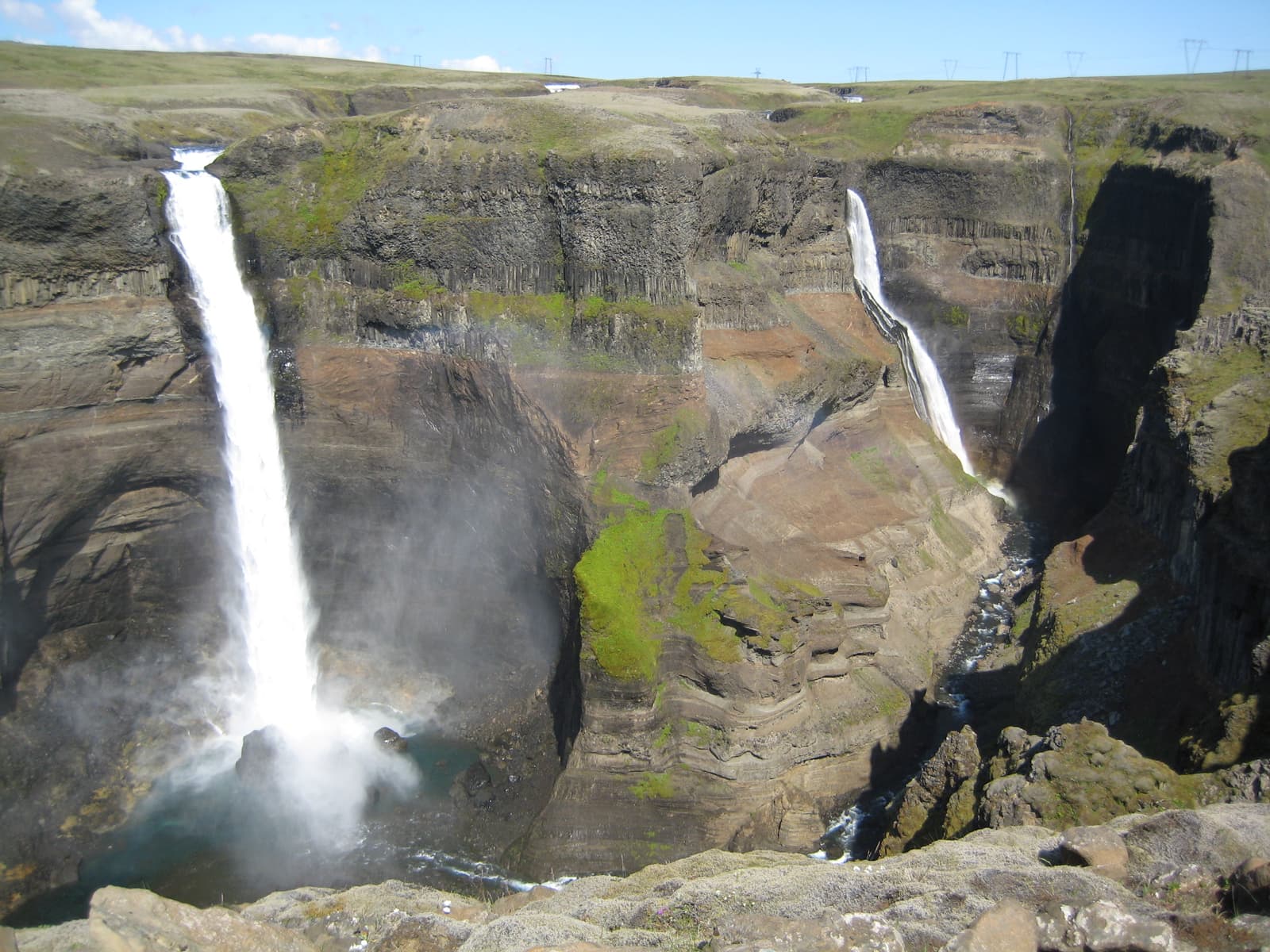
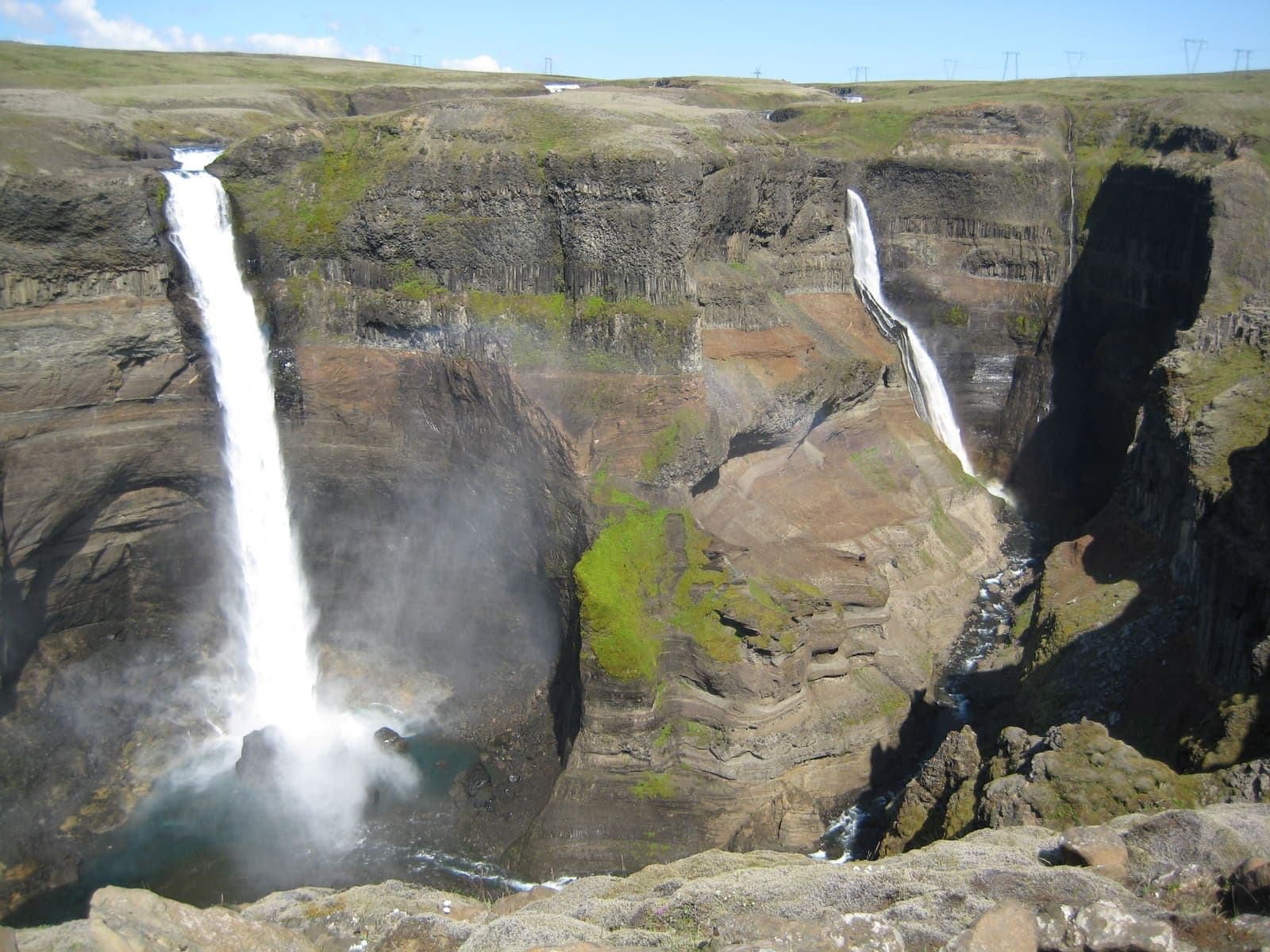
Granni is slimmer, quieter, and less forceful than Háifoss, but that difference is exactly why the viewpoint works. The two falls read as a pair rather than as duplicates.

From the rim in Þjórsárdalur, Háifoss pulls the eye first because it is broader and more forceful. Granni matters because it drops separately along the eastern side of the canyon, making the cliff feel wider and the whole scene less like a single waterfall photo stop.

Granni is easiest to understand as the narrower right-hand fall that turns the Háifoss viewpoint into a paired-canyon scene.

That is why Granni belongs on the site even though it shares so much space with Háifoss. This page is not about pretending the two stops are separate; it is about helping you decide whether the paired canyon view deserves more than a quick glance before moving on to the rest of Þjórsárdalur.

How much extra time does Granni actually add?

Very little on foot once you reach the canyon rim. The extra cost is almost entirely in the shared approach, the slower pace at the viewpoint, and whether your day can absorb a condition-sensitive inland bend.

Practical ways to use Granni
PlanBest useMain tradeoff
Pair view onlyUse the same stop as Háifoss and give Granni the extra minute it deserves from the rim.Fastest version, but the stop stays mostly about the shared canyon view.
Photo-first pauseSlow down when the contrast between Háifoss and Granni is the real reward.Needs more patience with wind, spray, and visibility.
Wider Þjórsárdalur dayTreat Granni as one piece of a valley plan with Hjálparfoss or Þjóðveldisbærinn at Stöng.Works only if the day has real inland buffer.

If your trip already has Gullfoss Waterfall, Geysir, and the Reykjavík return in the same day, Granni should probably stay in the optional bucket. If the route is slower and built around the valley, the paired stop becomes easier to justify.

What should you check before treating Granni as easy?

Check the approach, then check the rim. The viewpoint is short, but rougher gravel, wind, footing, and exposed edges decide whether Granni feels rewarding or simply unnecessary.

Regional visitor information treats Granni as part of the same access logic as Háifoss: a short walk once you arrive, but a final approach that should not be treated casually. The viewpoint also asks for more care than many easy roadside waterfalls because the canyon edge is part of the experience.

The stop looks short on paper, but the shared gravel approach is what decides whether Granni still fits the day.

Official checks before you go

Which nearby stops make Granni more useful?

Granni is most useful when it is helping one wider decision: whether your day should stay classic Golden Circle, slow down into Þjórsárdalur, or turn into a more varied inland cluster.

The obvious partner is Háifoss, because the same stop explains both falls. After that, the strongest nearby additions are usually Hjálparfoss, the wider Þjórsárdalur valley, and Þjóðveldisbærinn at Stöng if you want the detour to carry some cultural weight as well as scenery.

If the day starts from the classic Golden Circle, use Gullfoss Waterfall and Geysir as the pacing check. They tell you whether the inland bend still feels deliberate or whether Granni has become one stop too many.

For broader trip planning, compare the stop with South Iceland and the 5-Day Iceland Itinerary. If winter, shoulder-season roads, or short daylight are part of the problem, Winter Driving in Iceland is the better next page than another waterfall list.

Granni FAQ

Is Granni a separate stop from Háifoss?

Usually no. Most travelers experience Granni from the same canyon-rim stop as Háifoss, which is why the real question is whether the shared detour is worth it.

Does Granni need much extra time once I am there?

Not much extra on site. The time cost is the same inland approach, slower driving, and the decision to let the canyon viewpoint breathe instead of rushing it.

Is Granni worth it on a first Golden Circle day?

Only when the day has real buffer. If the classic loop already feels full, Granni is usually better left as a future inland detour with Háifoss and the rest of Þjórsárdalur.

What matters most in rough weather or colder seasons?

Road conditions, visibility, wind, and footing matter most. Let official road, weather, and safety sources decide whether the stop stays in the plan.