Caves of Hella is a guided historic cave site at Ægissíða near Hella, best for South Coast travelers who want story, sandstone texture, and a compact cultural stop between bigger outdoor sights.
Geology snapshot
Type
Guided historic man-made sandstone caves
Region
Ægissíða near Hella, South Iceland
Route context
Best as a Hella-area cultural pause on a South Coast or Ring Road drive
Time to allow
Plan for the guided cave visit plus arrival and route buffer
Best experience
Carved sandstone walls, rounded chambers, ceiling openings, and stories about uncertain origins
In this guide
Is Caves of Hella worth adding to a South Coast day?
Yes, if you want a compact guided historic stop near Hella. Skip it if your South Coast day is already a scenery-first sprint between waterfalls, beaches, and a long drive.
Caves of Hella works best when the day needs a different rhythm. Instead of another waterfall viewpoint, you step into man-made sandstone chambers at Ægissíða, with carved walls, old farm use, and stories that are still partly unresolved.
Add the caves for travelers staying around Hella, families who want a managed cave setting, or self-drivers who need one cultural pause before continuing toward Seljalandsfoss, Skogafoss, or the Vík area. Skip it when the route is already tight or when the group only wants open landscapes.
Photo guide
Caves of Hella in photos
1 / 4
Wall markings give the gallery a second cultural-detail view without repeating the hero.
What are the Caves of Hella?
The Caves of Hella are man-made sandstone caves on Ægissíða land near the town of Hella, with several named chambers and a history that mixes farm use, archaeology, and unresolved origin theories.
Official and regional sources describe twelve discovered caves at the site. Public visits focus on selected caves and stories around places such as Fjóshellir, Hlöðuhellir, Lambhellir, and Kirkjuhellir, rather than a long natural lava-tube route.
The origin story is part of the appeal, but it needs careful wording. Some sources discuss possible links to people in Iceland before the Norse settlement, including Celtic or Papar theories. The honest travel takeaway is simpler: nobody can treat that as settled fact, but the uncertainty makes the guided interpretation more interesting.
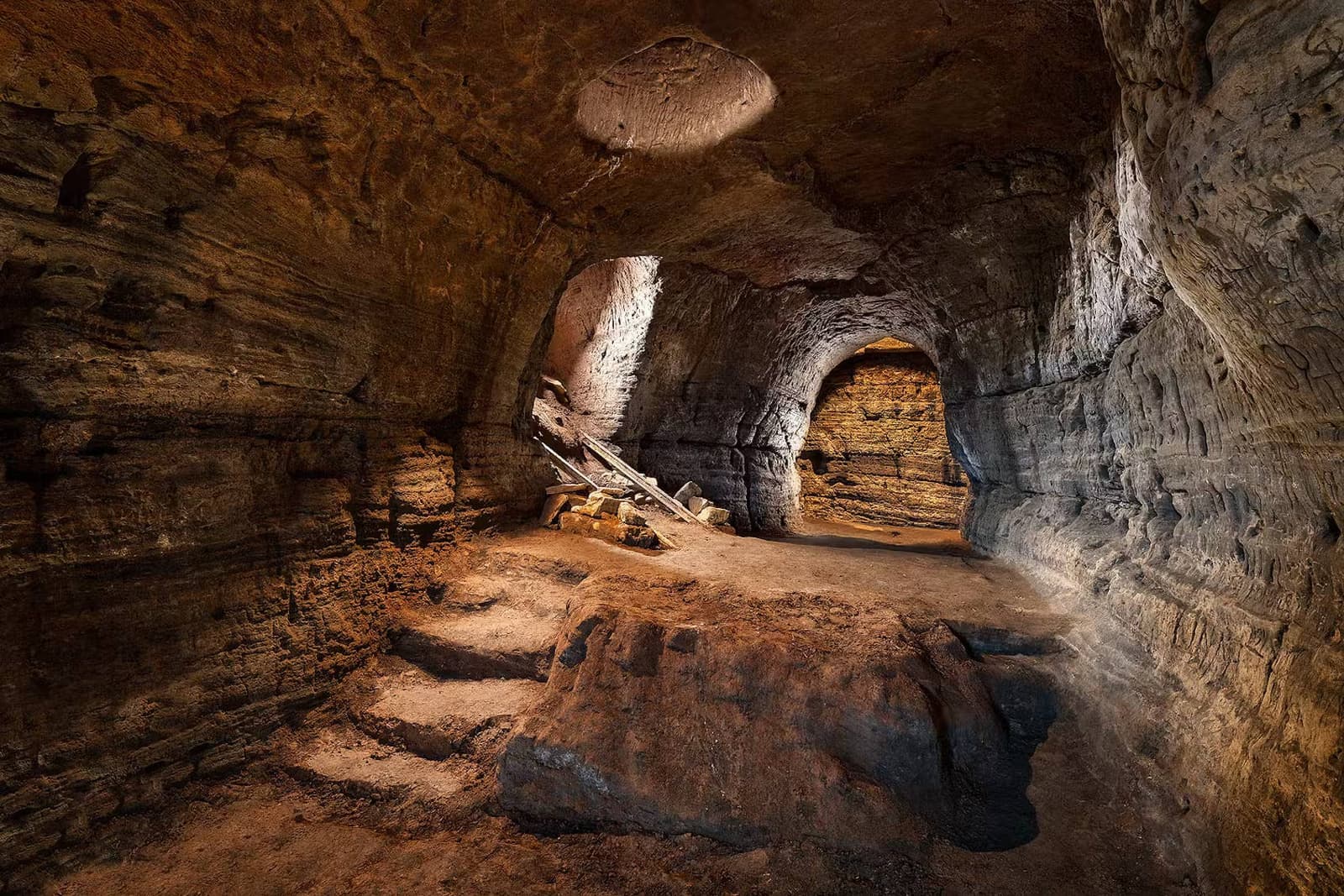
Carved sandstone walls are the clearest visual clue that this is a cultural site, not a generic natural cave.
What does the guided visit feel like inside?
Expect a story-led historic cave visit with warm cave lighting, enclosed sandstone rooms, carved surfaces, and human-scale details rather than a wild caving adventure.
The best moments are small and textured: ceiling openings, rounded passageways, carved names and symbols, old farm traces, and guide stories that connect the caves to Hella, Ægissíða, and South Iceland's man-made cave tradition.
That makes the stop different from Iceland's better-known lava caves. If you want helmets, rough lava, and volcanic tunnel drama, choose a lava-tube experience. If you want a managed historic site with unusual sandstone spaces and cultural mystery, Caves of Hella is the better fit.
Visitor scale matters here: the caves feel intimate, enclosed, and story-led rather than wild or expedition-like.
How much time and effort should you allow?
Treat Caves of Hella as a compact but fixed stop. The cave visit is not physically extreme, but the guided format, darkness, enclosed spaces, and South Coast driving plan still need margin.
The main planning mistake is trying to insert the caves as if they were a quick roadside photo. Build in time for arrival, check-in, the guided visit, and a buffer before the next major stop. That matters even more if you are connecting Hella with Seljalandsfoss, Skogafoss, or a longer eastbound route.
Go with enough route buffer for a guided stop, not a rushed photo break.
Check operator visitor information if enclosed spaces, children, mobility, or group suitability matters.
Use road and weather sources before making the caves part of a tight winter or low-daylight drive.
Keep the stop optional if the day already depends on too many fixed plans.
The cave environment is managed, but it is still an enclosed underground setting where comfort and group suitability matter.
Where does Caves of Hella fit with nearby stops?
The cleanest fit is a Hella or Hvolsvollur-area cultural cluster, or a South Coast day that can spare one guided indoor stop before the bigger scenery begins.
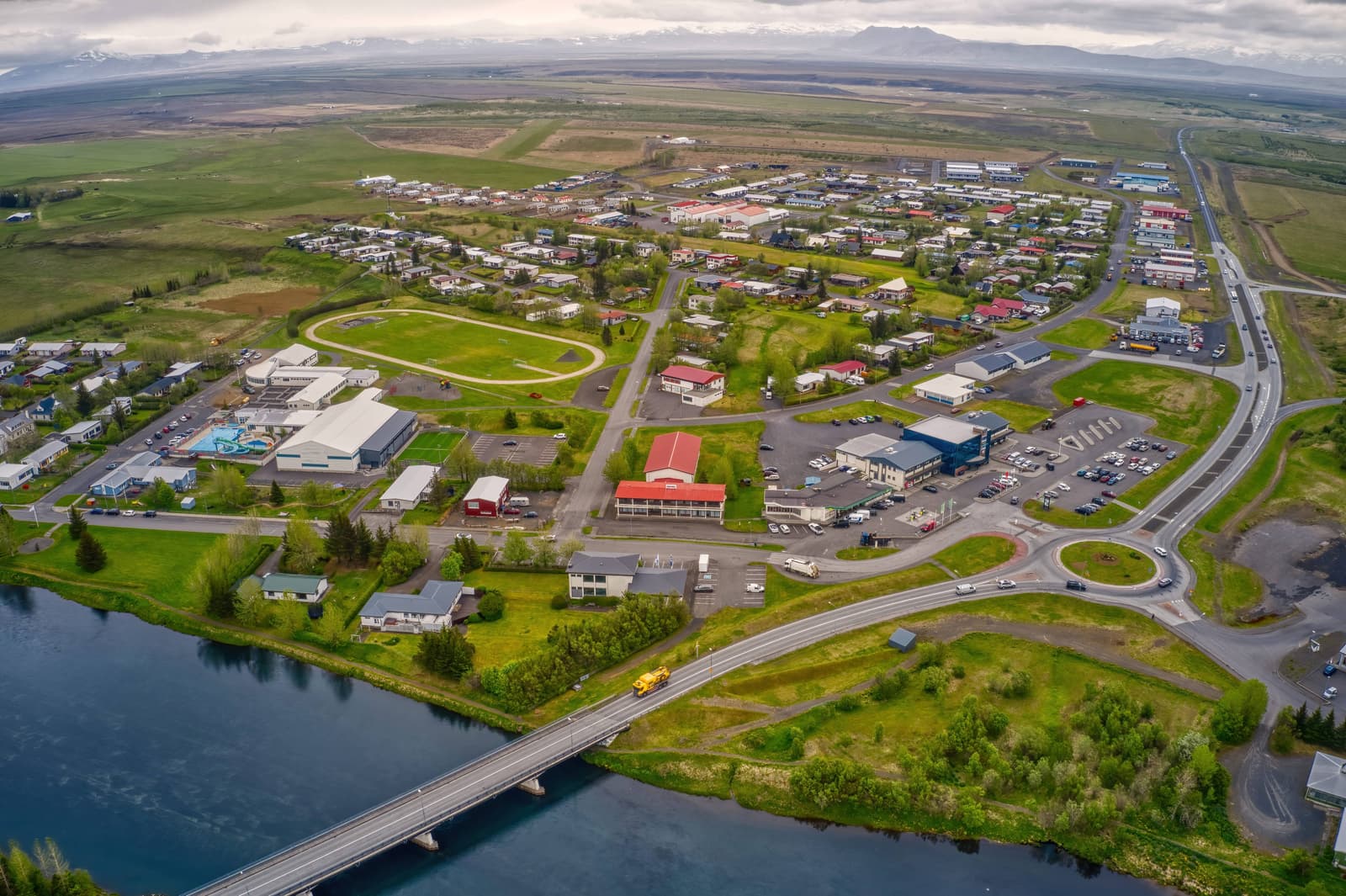
If you are based in Hella, the caves are an easy way to make the town feel like more than an overnight stop. LAVA Centre in Hvolsvollur is the closest comparison for a culture-and-context pause, while Seljalandsfoss and Skogafoss remain the stronger outdoor anchors farther east.
Caves of Hella route-fit choices
Plan
How the caves work
Best when
Hella overnight or slow South Coast day
Use the caves as a distinctive local stop close to the base.
You want story, shelter, and a compact cultural visit.
Classic South Coast drive
Add the caves only if the guided timing does not squeeze the waterfall sequence.
The group wants one historic pause before outdoor icons.
Short first trip
Compare the cave stop against the 5-Day Iceland Itinerary pace.
You have enough daylight and do not mind protecting a timed visit.
The stop is strongest when treated as a Hella-area historic visit, not as a substitute for the South Coast's main outdoor scenery.
What should you check before booking or driving?
Use official visitor information for the cave visit itself, then check road, weather, and safety sources for the wider South Coast plan.
The cave attraction is easy to understand, but the practical details are operator-sensitive. Check the official Caves of Hella visitor information for booking format, access, timing, and group suitability. For the drive, use SafeTravel, Umferdin, and the Icelandic Meteorological Office before relying on a fixed sequence.
Use for forecasts and warnings that can affect South Coast driving.
Caves of Hella FAQ
These questions usually decide whether the caves belong in a real South Coast plan.
Are the Caves of Hella natural lava caves?
No. Plan them as man-made sandstone caves with historic and cultural interpretation, not as a natural lava-tube or glacier ice-cave adventure.
Do you need a guided visit for Caves of Hella?
Treat the attraction as a guided visitor experience and check operator visitor information before relying on booking, timing, access, or suitability details.
Should first-time South Coast travelers add the caves?
Add them if your day has room for a timed cultural stop near Hella. Skip them if the route is already built around Seljalandsfoss, Skogafoss, Reynisfjara, and a long drive.