Is Þúfa worth adding to a Reykjavík walk?

Yes, Þúfa is worth adding when your Reykjavík time already leans toward Grandi, the waterfront, or a slower city wander. It is weaker as a dedicated detour if you still need one larger first-trip landmark.

The useful way to judge Þúfa is by scale. It is not a museum or a major skyline icon. It is a very specific harbour-edge stop where a short walk, a low grassy mound, a fish-drying shed, and a broad view make sense together.

A local Iceland travel editor would add Þúfa when a day already includes Grandi, Reykjavík Old Harbour, or another west-harbour stop and still has room for a calm outdoor pause. They would skip it when Hallgrímskirkja, Perlan, or a stronger indoor attraction would do more for a short first visit.

Worth the stop?

When this stop makes sense

Good match for

  • Reykjavík walks that need one specific Grandi stop instead of a broad district wander
  • travelers who like public art, harbour mood, and a short climb with a payoff
  • photographers who want skyline, water, and mountain context without leaving the city
  • short breaks where a flexible outdoor stop fits better than another ticketed attraction

Think twice if

  • first-time visitors who only have room for one larger Reykjavík landmark
  • travelers expecting a museum-length attraction, interpretation centre, or indoor backup

Pair it with

ReykjavikGrandiReykjavík Old HarbourMarshall House

Why is there a fish-drying shed on top of the mound?

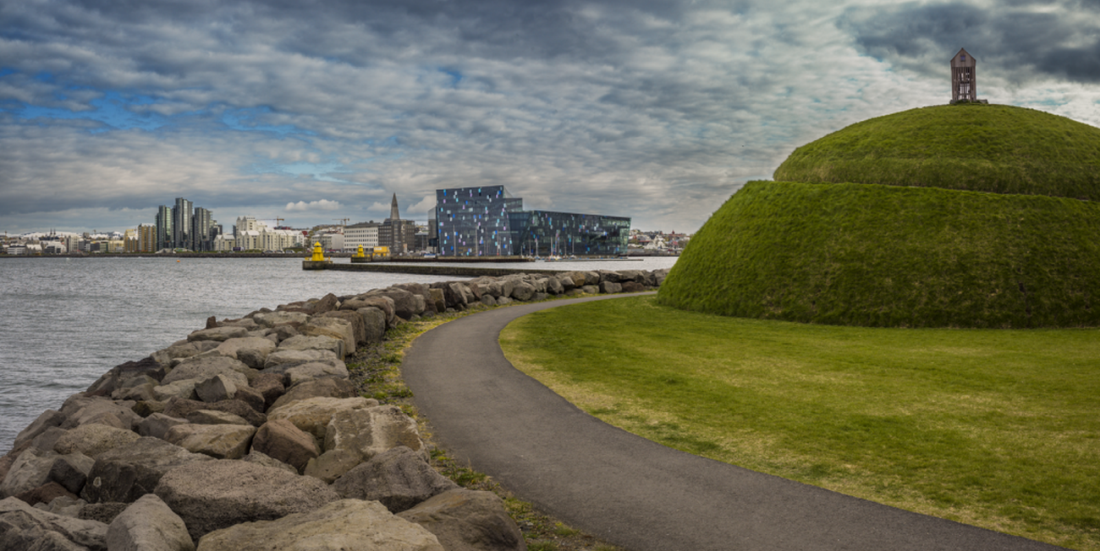
That shed is the point, not an odd leftover structure. Þúfa was designed by Ólöf Nordal as a man-made mound with a traditional fish-drying shed at the top, tying Reykjavík’s harbour history to a very quiet piece of public art.

Without that context, the stop can look like a curious hill beside the water. With it, the place becomes much clearer: a deliberate bridge between the city, the sea, old fish-processing culture, and the slowed-down feeling of walking away from the street grid.

The shed at the top is what turns Þúfa from a strange mound into a harbour-specific artwork.

The artwork also helps explain why Þúfa feels better in person than on a checklist. You are not just looking for a view. You are walking into a small piece of harbour memory built into the edge of Grandi.

How long does Þúfa take, and what does the climb feel like?

Most travelers only need a short window. The walk out and the gradual path up the mound are simple, but the exposed setting and the stop-start nature of a city day matter more than the raw distance.

Choose the version of Þúfa that matches the rest of your Reykjavík day.
Visit choiceUse it whenPlan for
Quick lookYou are already near Grandi and only want the mound, the shed, and a short pause.A compact stop that does not need much more than walking time and a few minutes on top.
Photo and viewpoint stopYou care about the skyline angle, harbour light, or the artwork itself.A little more flexibility so you can wait for the view to feel worthwhile.
Grandi add-onYou are already combining Marshall House, Whales of Iceland, or the waterfront into one slower block.A natural end point rather than a separate attraction.

On a short city break or inside a 5-Day Iceland Itinerary, Þúfa belongs in spare Reykjavík time, not in the part of the trip that already needs heavier sightseeing. If the day is tight, it should remain optional.

What should you pair with Þúfa in Grandi?

Þúfa works best when the surrounding walk is already useful. The strongest pairings stay inside the same harbour rhythm instead of pretending the mound should anchor the entire city.

Use Grandi when you want the district, then let Þúfa act as the punctuation point at the far edge. If you are starting nearer the center, Reykjavík Old Harbour gives you the more natural walking line before you continue west.

Þúfa makes the most sense when you see it as the outer edge of a harbour walk rather than a standalone monument.

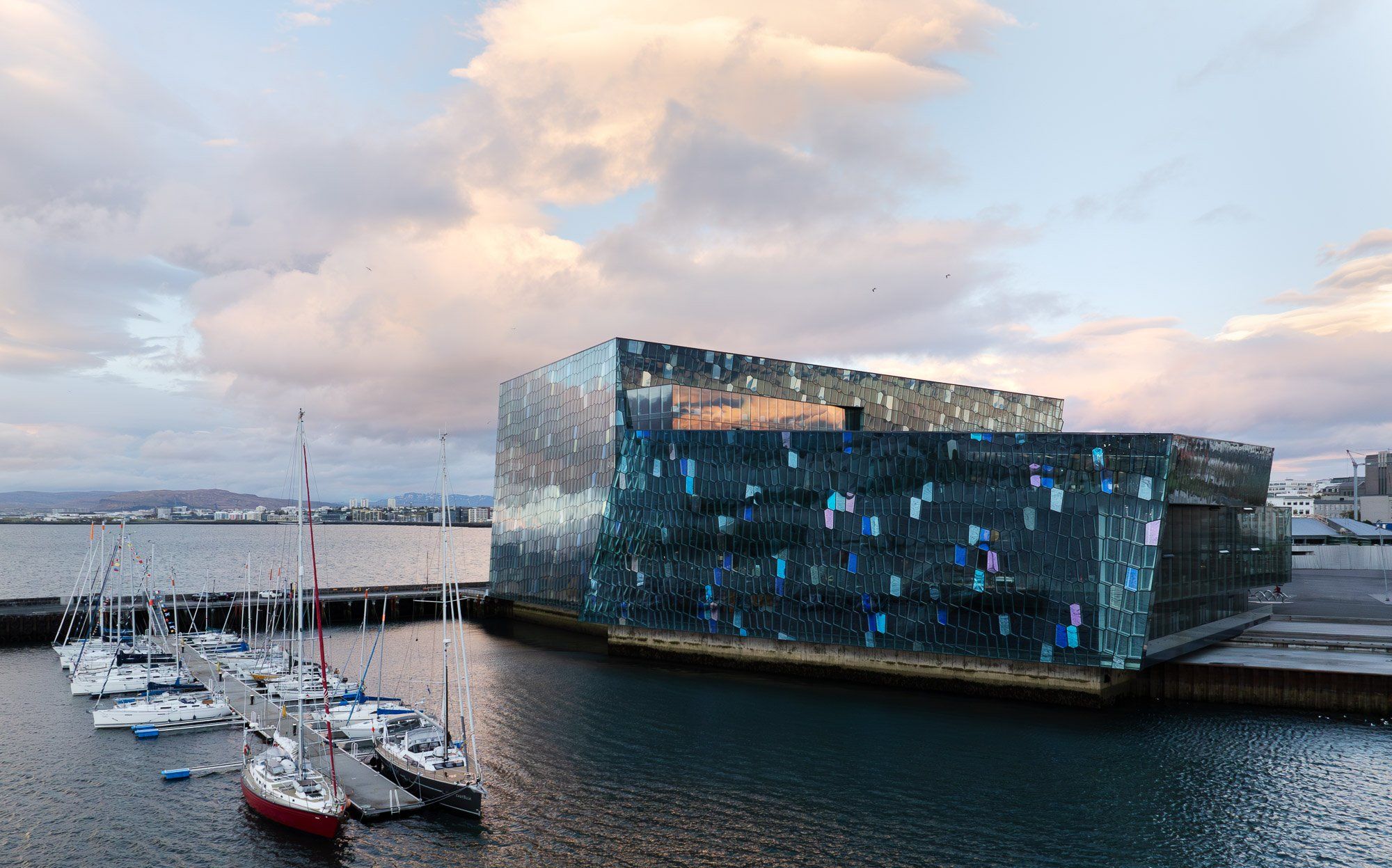
Marshall House and Whales of Iceland are the easiest indoor anchors nearby when the weather is mixed or the group wants more than one kind of stop. If you want a simpler waterfront landmark closer to downtown, Sun Voyager is the cleaner alternative. Harpa matters less as a pairing stop than as the skyline reference that helps Þúfa's viewpoint make sense.

What should you check before relying on the stop?

Þúfa is simple, but not automatic. The real variables are weather, harbour-edge comfort, and whether this short detour still fits the rest of the day.

  • Check official weather guidance if wind, rain, or flat visibility would remove most of the stop’s value.
  • If mobility details matter, verify official visitor information before assuming the slope or surface will feel easy enough that day.
  • Keep the stop flexible in winter or after wet weather, when the mound and harbour edge can feel more exposed than a normal sidewalk stop.
  • If the day already has one stronger Reykjavík landmark, be willing to leave Þúfa as an optional extra rather than forcing it.

Þúfa FAQ

These are the practical questions most likely to change whether Þúfa stays in the plan or gets left as an optional city extra.

How long do you need at Þúfa?

Most travelers only need 20-45 minutes for the walk out, the short climb, and a little time at the top. Give it longer only if the harbour light, photography, or the wider Grandi walk is part of the reason you are going.

Is Þúfa worth it if you are already seeing Grandi?

Yes, when you want one specific outdoor landmark at the edge of Grandi. If the district itself is enough, or the weather is doing little for the view, it is easy to skip without weakening the day.

Should you choose Þúfa or another Reykjavík landmark?

Choose Þúfa when you want a short harbour-art stop with quiet atmosphere and a little walking. Choose Hallgrímskirkja, Perlan, or a stronger museum when your Reykjavík time only fits one bigger anchor.

Official checks and references

Use these sources for visitor details, artwork context, and weather-sensitive planning before you depend on Þúfa in a tight Reykjavík day.

Useful sources before you go