Coast snapshot
- Type
- Eider and eiderdown knowledge center
- Setting
- Frúarstígur in Stykkishólmur
- Best for
- Culture, wildlife, and craft context
- Time
- About 30 to 60 minutes
- Route fit
- Best inside a Stykkishólmur stop
The Icelandic Eider Center is a compact Stykkishólmur culture stop for travelers curious about eider ducks, eiderdown gathering, and the Breiðafjörður coast behind slower north Snæfellsnes routes and town days.
Coast snapshot
Yes, when the town stop needs more than harbor views. The center gives a specific reason to slow down: eider ducks, eiderdown work, and the coast culture behind them.
The Icelandic Eider Center is a compact museum-style stop in Stykkishólmur, not a headline Snæfellsnes landscape sight. Its value is that it explains something many travelers see only as a finished product: how Icelandic eiderdown is tied to wild birds, nesting places, patient handwork, and coastal communities.
Add it when your route already reaches Stykkishólmur, when rough weather makes a short indoor culture stop useful, or when your group likes wildlife and craft stories. Leave it out if the day is overloaded with Kirkjufell, lava fields, beaches, and a long drive around the peninsula.
Photo guide
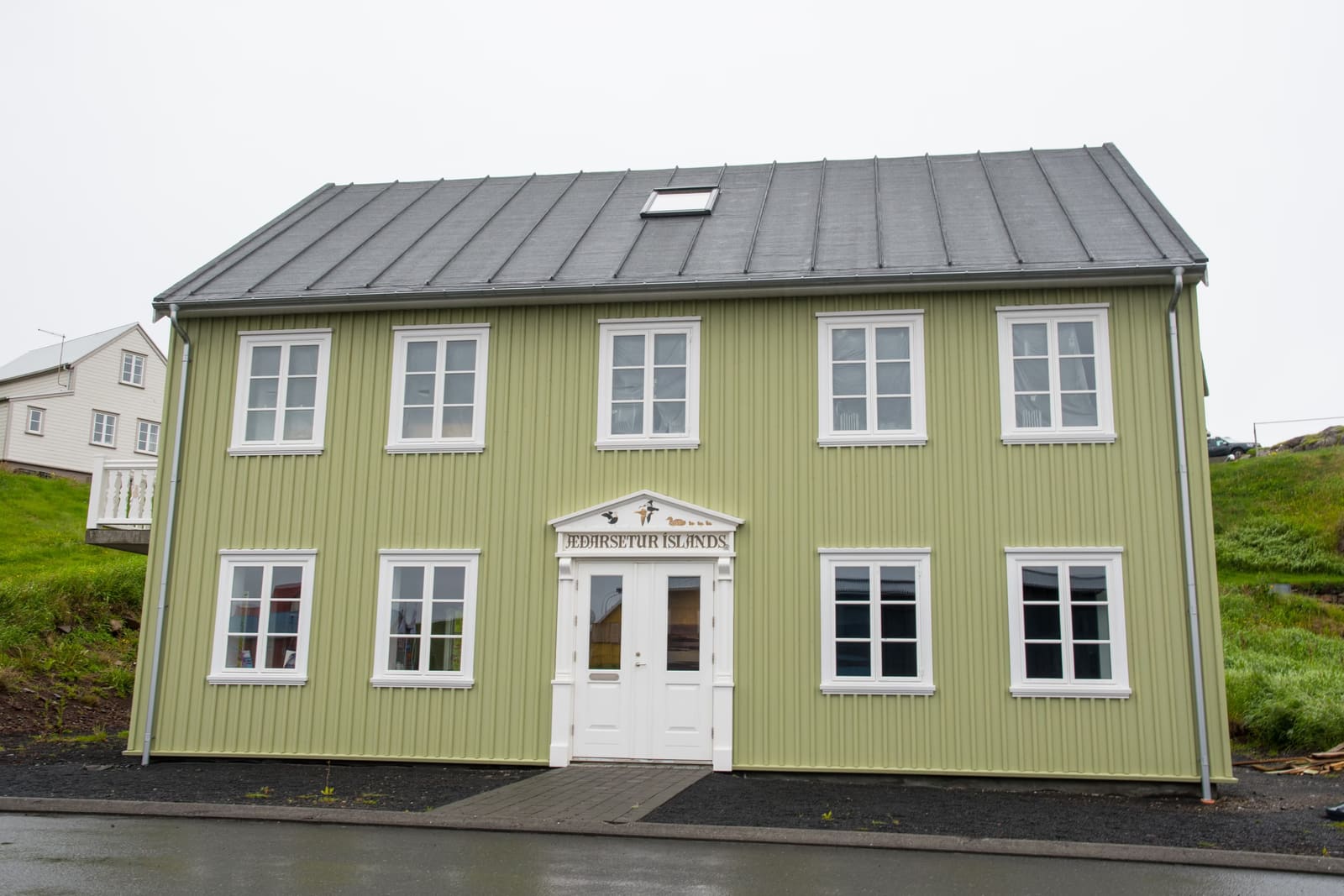
The pastel building makes the center recognizable in town.
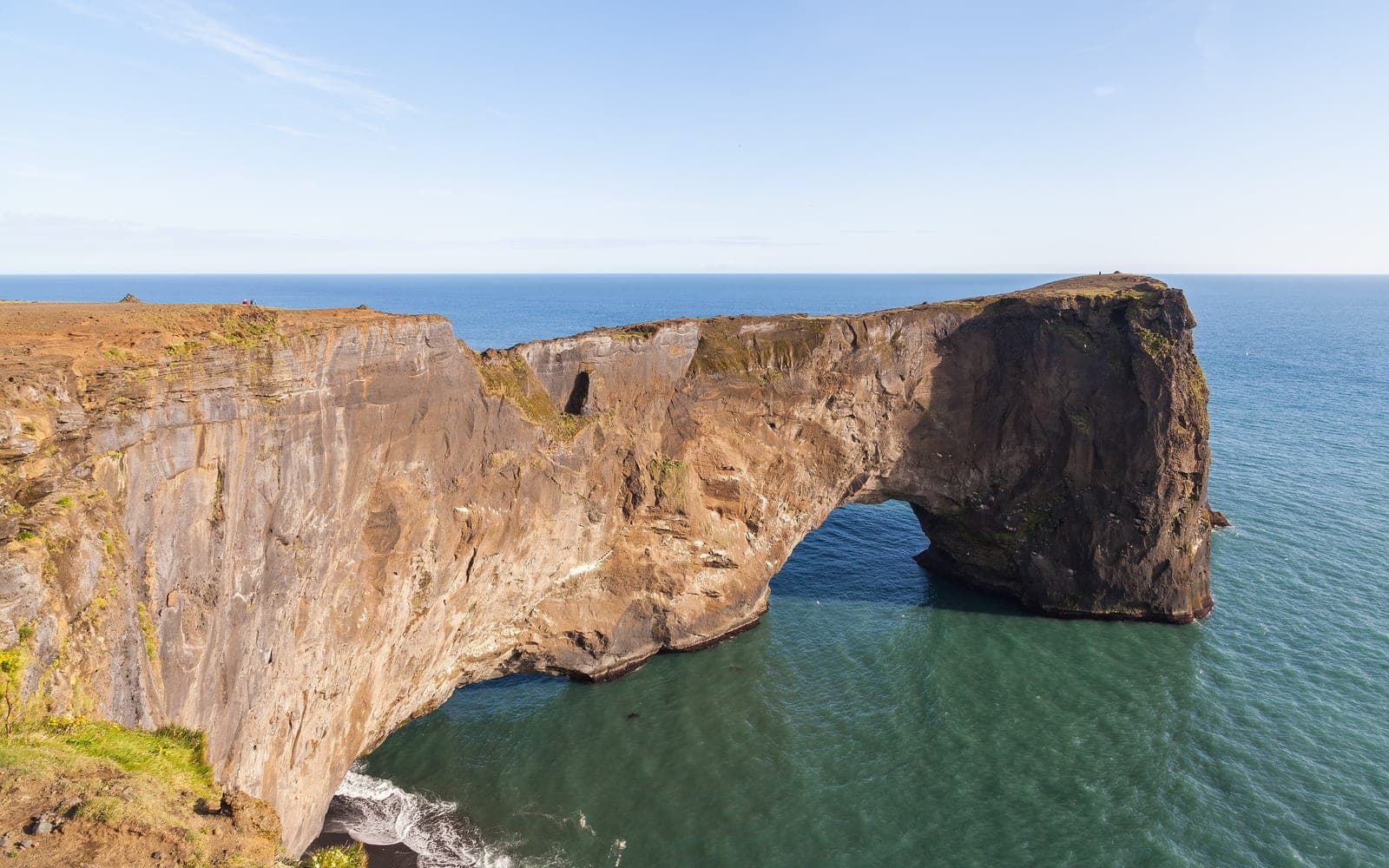
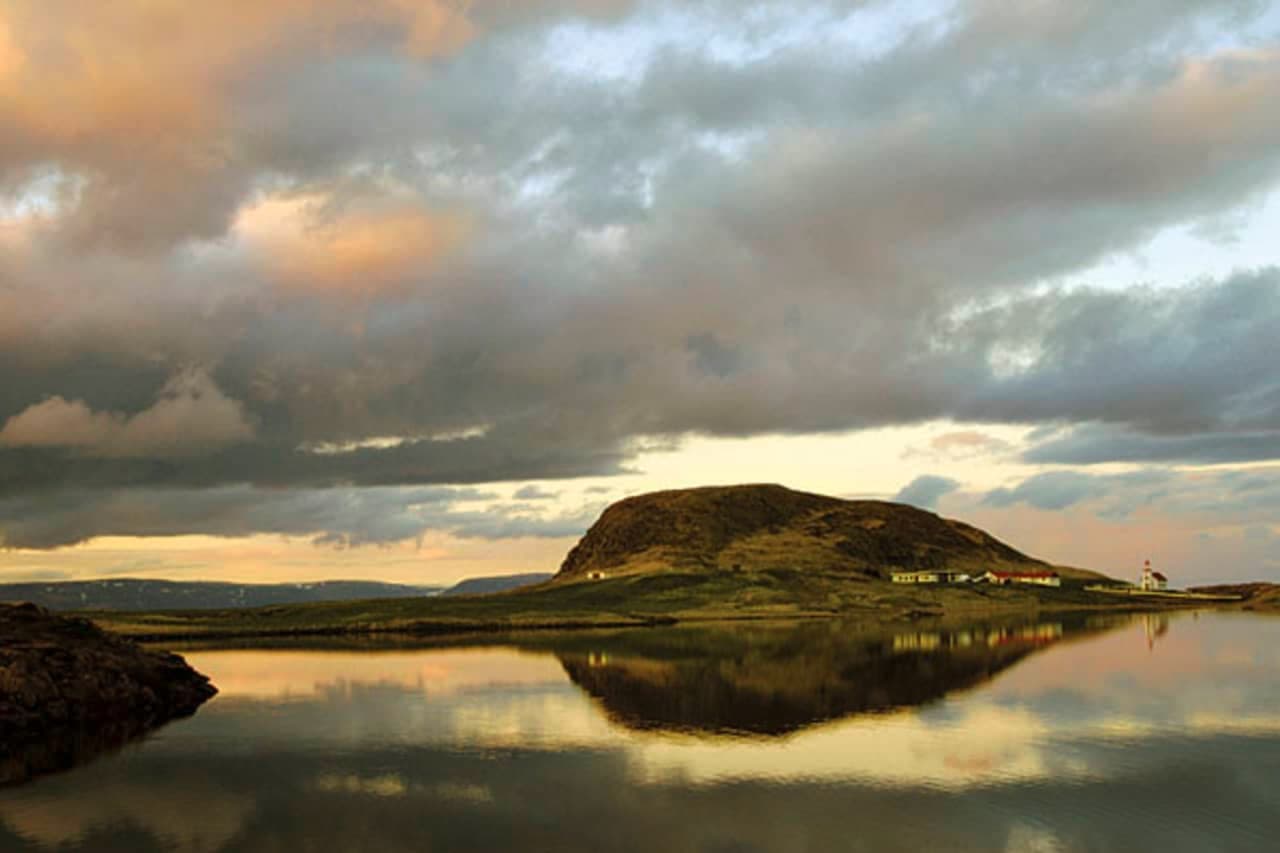
The center works best when you connect it to the bay outside Stykkishólmur. Breiðafjörður is not just scenery here; it is part of the reason the tradition exists.
Eider ducks are the thread that turns this from a small-town museum into a useful local context stop. The center helps explain why people protect nesting areas, gather down carefully, and treat the bird relationship as a living coastal practice rather than a simple souvenir story.
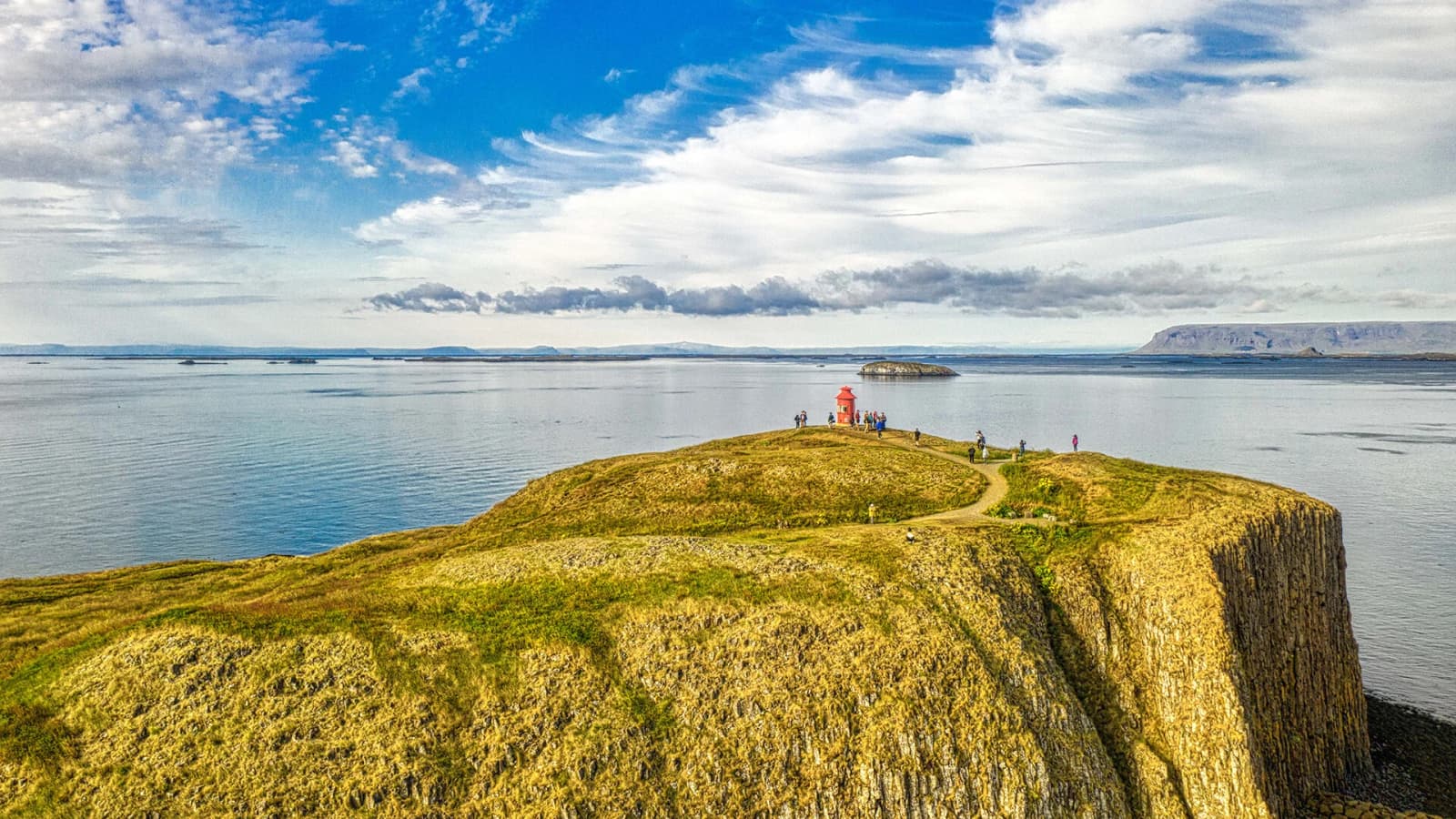
This is why the center pairs naturally with Breiðafjörður and a slower Stykkishólmur visit. If you only want a quick photo stop, the harbor and Súgandisey may be enough. If you want the town to feel less like a service stop, the eider story gives it a clearer local angle.
Expect a focused visit rather than a large museum circuit: birdlife, nesting, down gathering, cleaning, and the craft behind a prized Icelandic material.
The strongest part of the stop is the process. Raw eiderdown is easy to misunderstand until you see how light it is, how much handwork is involved, and why the tradition depends on trust between farmers and the birds that return to nesting areas.
Most travelers should treat it as a 30 to 60 minute culture layer. That is enough time to understand the basic story and decide whether the eider tradition changes how you see the bay, islands, and working coast around Stykkishólmur.
Keep the center close to the town plan. It works poorly as an isolated target, but well as part of a compact Stykkishólmur cluster.
A sensible first visit is simple: walk the harbor, go up Súgandisey Island for the view if weather allows, use the center for cultural context, and leave enough room for Helgafell or the drive toward Grundarfjörður. That keeps the day varied without turning the north coast into a checklist.
| Trip style | Use the center for | Main tradeoff |
|---|---|---|
| Short town stop | A focused culture layer after the harbor | Little time for other town museums |
| Slow Stykkishólmur base | A deeper local story between walks and meals | Less dramatic than landscape stops |
| Peninsula loop | A weather-flexible pause on the north side | Easy to cut if the route is crowded |
The center is strongest when the rest of the day still feels local: harbor, town streets, church views, and the island-dotted bay nearby.
Start with Stykkishólmur itself. The town gives you the harbor setting and the practical base; the Eider Center gives that setting a wildlife-and-craft explanation. Súgandisey Island is the easiest visual pairing, while Stykkishólmskirkja adds a different town landmark close by.
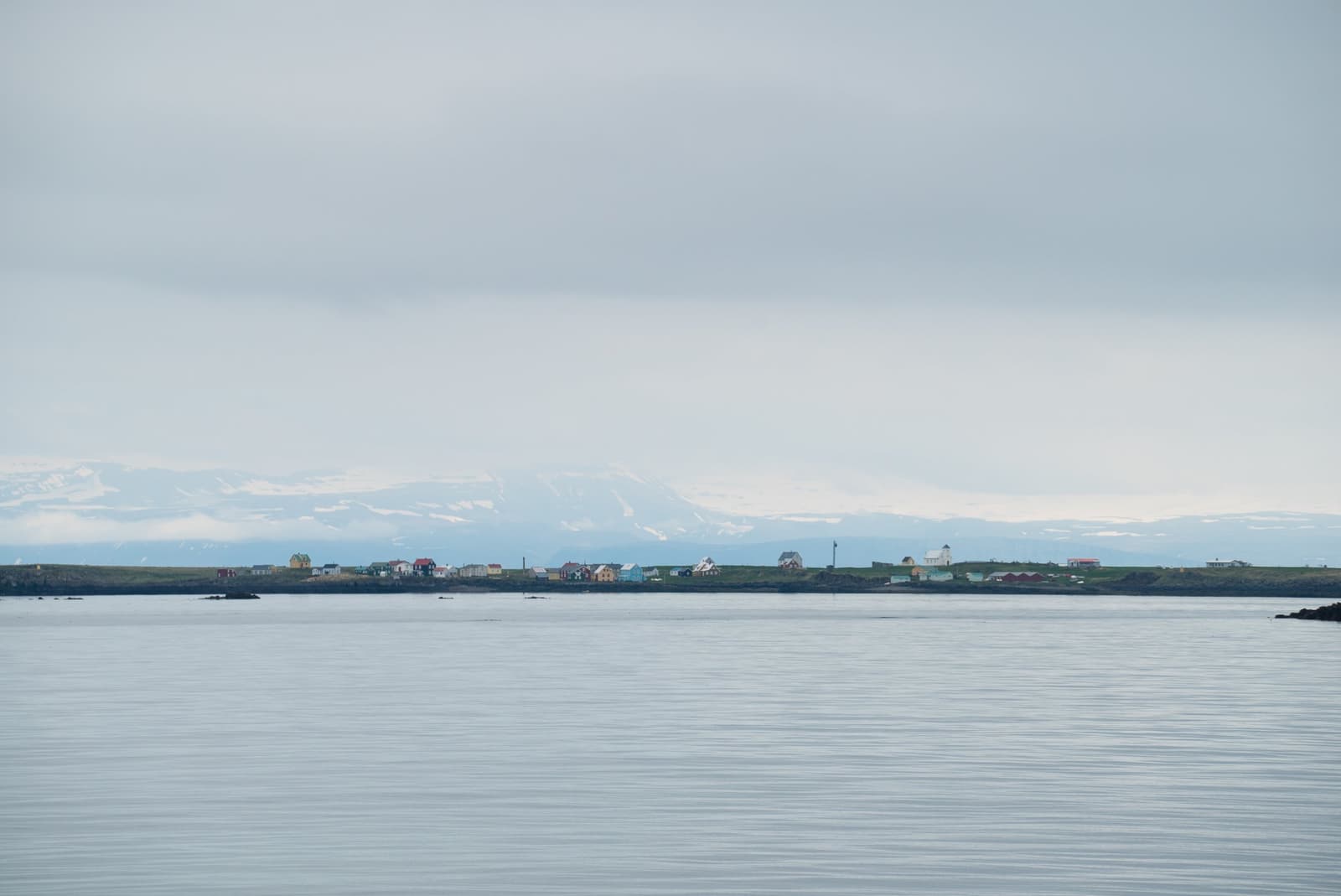
If the eider story is what catches your attention, compare the center with Breiðafjörður and Flatey before deciding whether the visit should stay short or become part of a wider bay-and-islands day.
The main planning risk is not difficulty; it is assuming small-site visitor details will fit your route without checking them.
Before committing, check official visitor information for the center and town. For a self-drive day, also check road conditions and weather, especially if Stykkishólmur is part of a longer north Snæfellsnes or westbound plan.
Use for regional visitor context and the center's listed location.
Use for town cultural context before pairing nearby stops.
Check before long self-drive plans around north Snæfellsnes.
Wind and visibility can change harbor walks and driving comfort.
Usually no. It is most useful when you are already visiting Stykkishólmur or want a compact cultural layer for a north Snæfellsnes day.
Plan roughly 30 to 60 minutes unless eiderdown craft, birdlife, or the town's wider cultural stops matter more to your group.
By ThorPublished Updated
Map
Use nearby places and useful bases before opening directions.
Interactive planning map for The Icelandic Eider Center
Interactive map
Place context and external map links remain available without loading it.
Planning context
Open the region or practical guide that resolves the next planning decision.
Wider route
Use broader place relationships for route comparison; they are not presented as immediate nearby stops.
Next step
Use the next page that helps turn this stop into a practical route decision.