Culture snapshot
- Type
- Three museums in one house
- Setting
- Old waterfront warehouse in Neskaupstaður
- Best for
- Culture between fjord drives
- Time
- About 45 to 90 minutes
- Highlights
- Tryggvi art, maritime craft, stones, birds
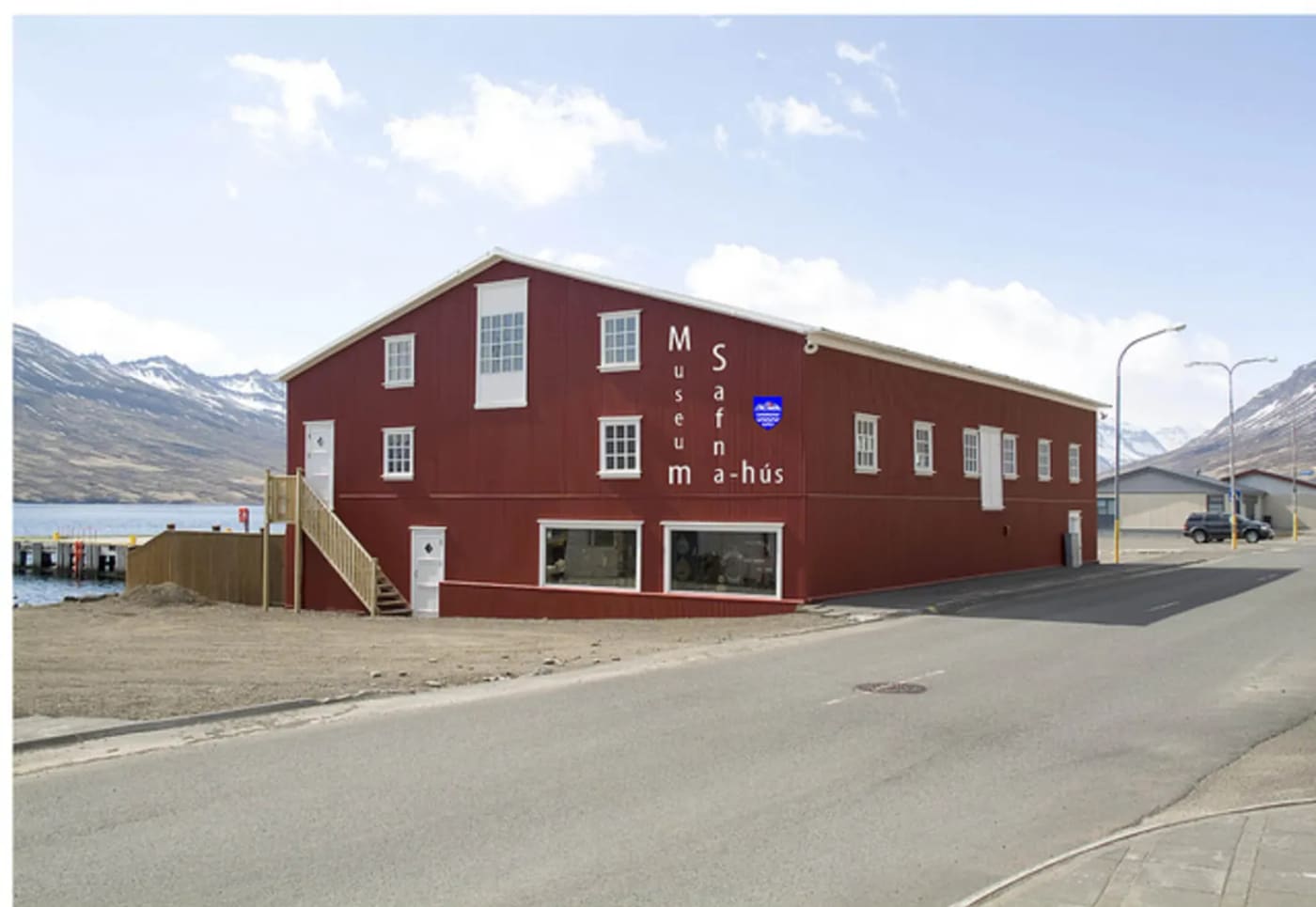
Neskaupstaður Museum House is a three-in-one Eastfjords museum in an old waterfront warehouse, useful for travelers who want local art, maritime history, natural-history collections, and a reason to slow down in town beyond the usual fjord views.
Culture snapshot
Yes, when Neskaupstaður is already part of the day and you want the town to feel like more than a tunnel-end viewpoint. It is much weaker as a reason to drive deep into Norðfjörður on its own.
The strongest case for Safnahúsið is that it gives Neskaupstaður a real cultural center, not just a pretty fjord backdrop. You get three different collections in one stop: modern art tied to a local painter, maritime and smithy heritage tied to the fishing town, and a natural-history floor that broadens the visit for families or geology-curious travelers.
Keep the stop optional on a hard-driving transfer day. If the main decision is simply how much time to protect for the wider East Iceland route, the museum belongs only after the bigger fjord, weather, and daylight choices are already working.
The building helps explain why this page exists at all. Safnahúsið is not a neutral museum box dropped into town; it is part of Neskaupstaður's working waterfront story.
Visit Austurland's stone-collection background describes the house as a 1922 building first used for fish processing, storage, baiting, and later herring-related work. That gives the stop a better feel than a generic indoor museum because the harbor economy is still visible in the bones of the place.
When the day already includes the harborfront or the wider town walk, the warehouse setting makes the collections land better. It is easier to care about the maritime floor, the local painter, and the natural-history displays when they sit inside a building that grew out of the same fjord economy.
This is the practical decision that makes the museum house more useful than a generic museum page. The stop can feel very different depending on whether your group cares more about art, working-life heritage, or natural-history displays.
| Floor or collection | Who gets the most from it |
|---|---|
| Tryggvi Ólafsson collection | Travelers who want modern Icelandic art and a local-artist story |
| Jósafat Hinriksson maritime and smithy collection | Visitors who want fishing-town heritage, tools, and handmade craft detail |
| Natural-history and stone floor | Families, bird and geology enthusiasts, and mixed groups needing a broader museum angle |
The natural-history floor is the useful secondary angle that keeps this page from being only an art-museum stop. Visit Austurland describes birds, shellfish, insects, stones, and an educational cave model, which means the stop can work even when not everyone in the group wants to linger over paintings.
If your group likes small museums but often disagrees about what kind, Safnahúsið is stronger than a single-theme stop. You can move through the house selectively instead of forcing the whole visit into one interest lane.
Many Eastfjords museum pages would be thinner without a second angle. This one is not, because the upper floor changes who the stop can work for.
Visit Austurland's geology feature on the stone collection describes a room of labeled rocks, a cave model, and a wider hall of birds, mammals, marine life, and insects. That gives the museum house a broader educational pull than a simple artist biography or fishing-heritage room.
That matters most for mixed groups. One traveler can stay with the art, another can head straight for stones or birds, and children have something more tactile and visual than reading exhibition text from one wall to the next.
Keep the museum tied to the town and the fjord arm around it. That is where it adds practical value.
The page works best when you pair the museum with a harbor walk, old-pier atmosphere, or a slower stop in Neskaupstaður. If the route still has margin, it can also sit inside a fjord sequence that compares Eskifjörður, Reyðarfjörður, or the broader cultural mood of Seyðisfjörður.
What it should not do is distort the route. If wind, visibility, or shoulder-season road confidence are already shaky, keep Winter Driving in Iceland and official road checks beside the plan before turning this museum into a mandatory fjord-arm detour.
This is a museum page, so the live details matter more than they do for a viewpoint or open shoreline. Use the building and collection mix as your reason to care, then confirm the practical details separately.
Check the museum's own visitor information if opening periods, exhibitions, staffing, admission setup, or access needs affect your decision. The durable planning takeaway is simpler: go when you want town culture, indoor variety, and a stronger sense of how Neskaupstaður fits the Eastfjords beyond scenery.
By ThorPublished Updated
Map
Use nearby places and useful bases before opening directions.
Interactive planning map for Neskaupstaður Museum House
Interactive map
Place context and external map links remain available without loading it.
Planning context
Open the region or practical guide that resolves the next planning decision.
Wider route
Use broader place relationships for route comparison; they are not presented as immediate nearby stops.
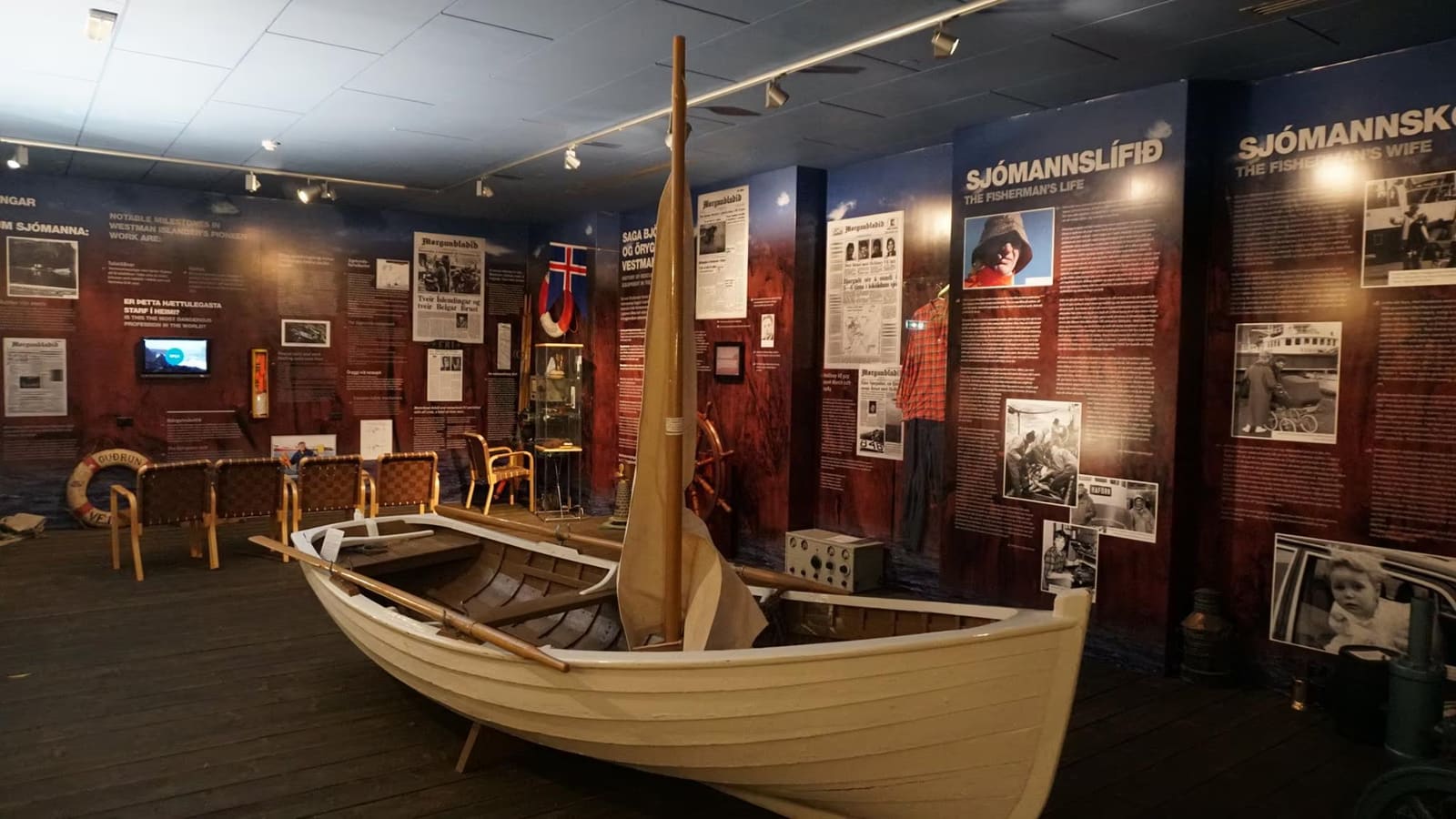
Sagnheimar Folk Museum is Heimaey's local-life museum, best for travelers who want Westman Islands culture, fishing history, festival traditions, family-friendly exhibits, and context beside the island's volcanic sights.
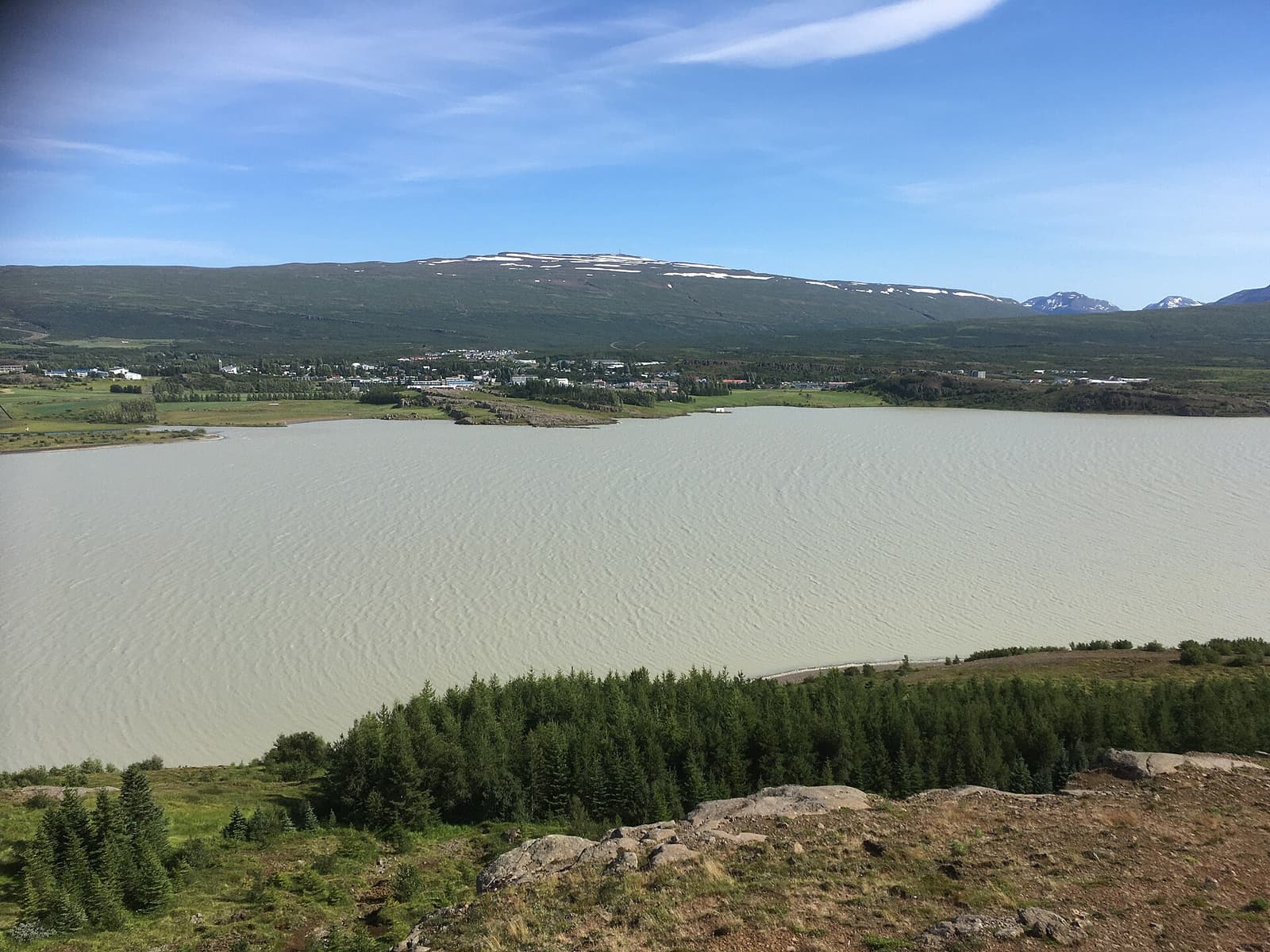
Egilsstaðir is East Iceland’s practical inland town beside Lagarfljót, useful as a Ring Road pause, flight gateway, or base for nearby fjords, forests, waterfalls, lake country, and highland-edge drives.