Coast snapshot
- Type
- Fjord town and coastal nature area
- Region
- East Iceland, at Norðfjörður
- Best for
- Slow Eastfjords self-drive days
- Time
- About 1 to 3 hours
- Access
- Road tunnel, then town and trailheads
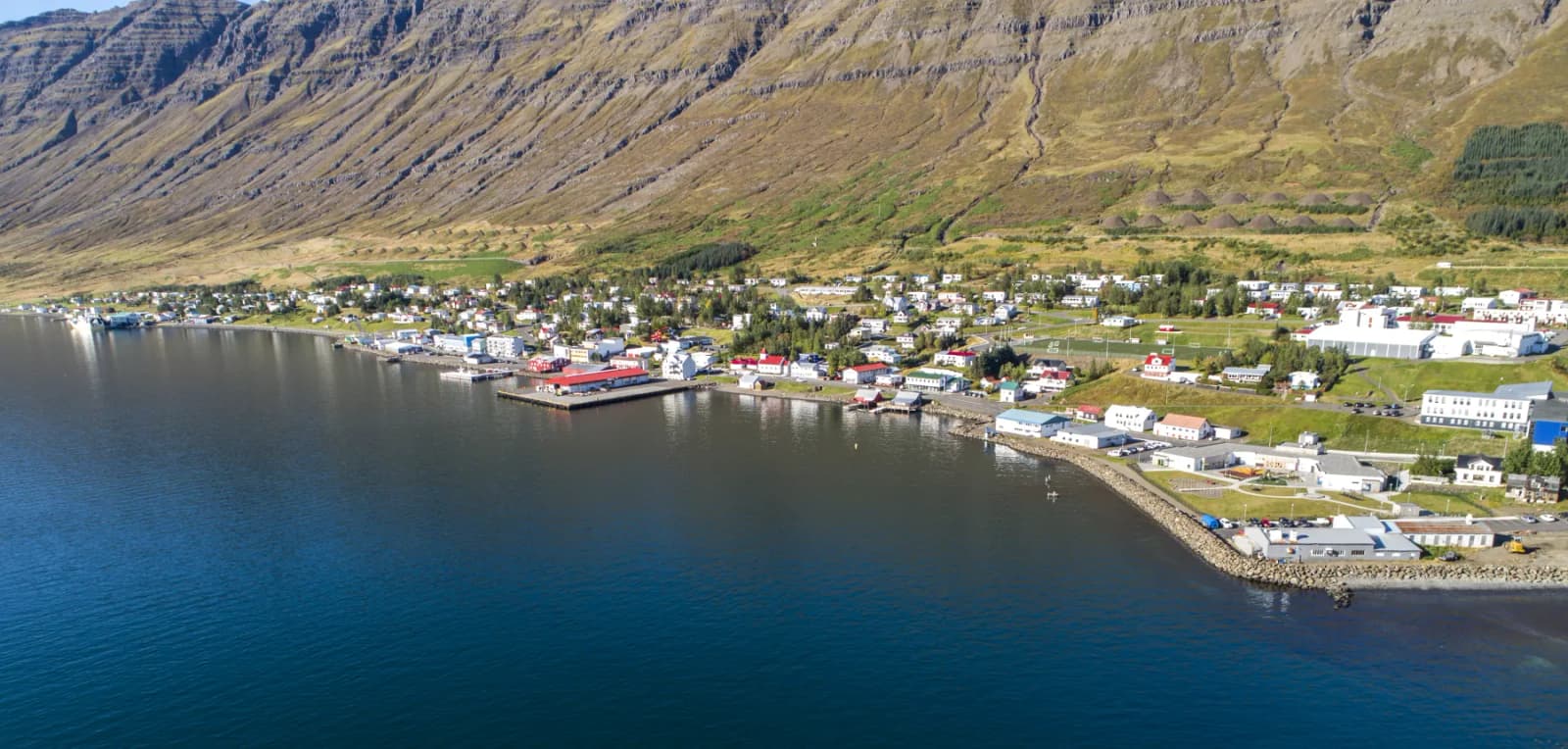
Neskaupstaður is an Eastfjords town at the end of Norðfjörður, useful for travelers who want a mountain-backed harbor, coastal walks, museum context, and a quieter reason to go beyond the main Ring Road line.
Coast snapshot
Neskaupstaður is worth adding when the Eastfjords are part of the trip rather than scenery you are rushing through. It is less convincing on a tight Ring Road day that only needs the fastest line between bases.
The town sits deep in Norðfjörður, with mountains rising behind the harbor and the sea closing the route at the outer edge. That setting gives the visit a clear endpoint feeling: you are not just passing another settlement on Route 1.
Its best use is a slower East Iceland stop that combines town texture, the harbor, Safnahúsið, and the nearby nature reserve. If your day already includes Seyðisfjörður, Egilsstaðir, or Eskifjörður, choose carefully rather than collecting fjord towns by name.
Photo guide
1 / 2
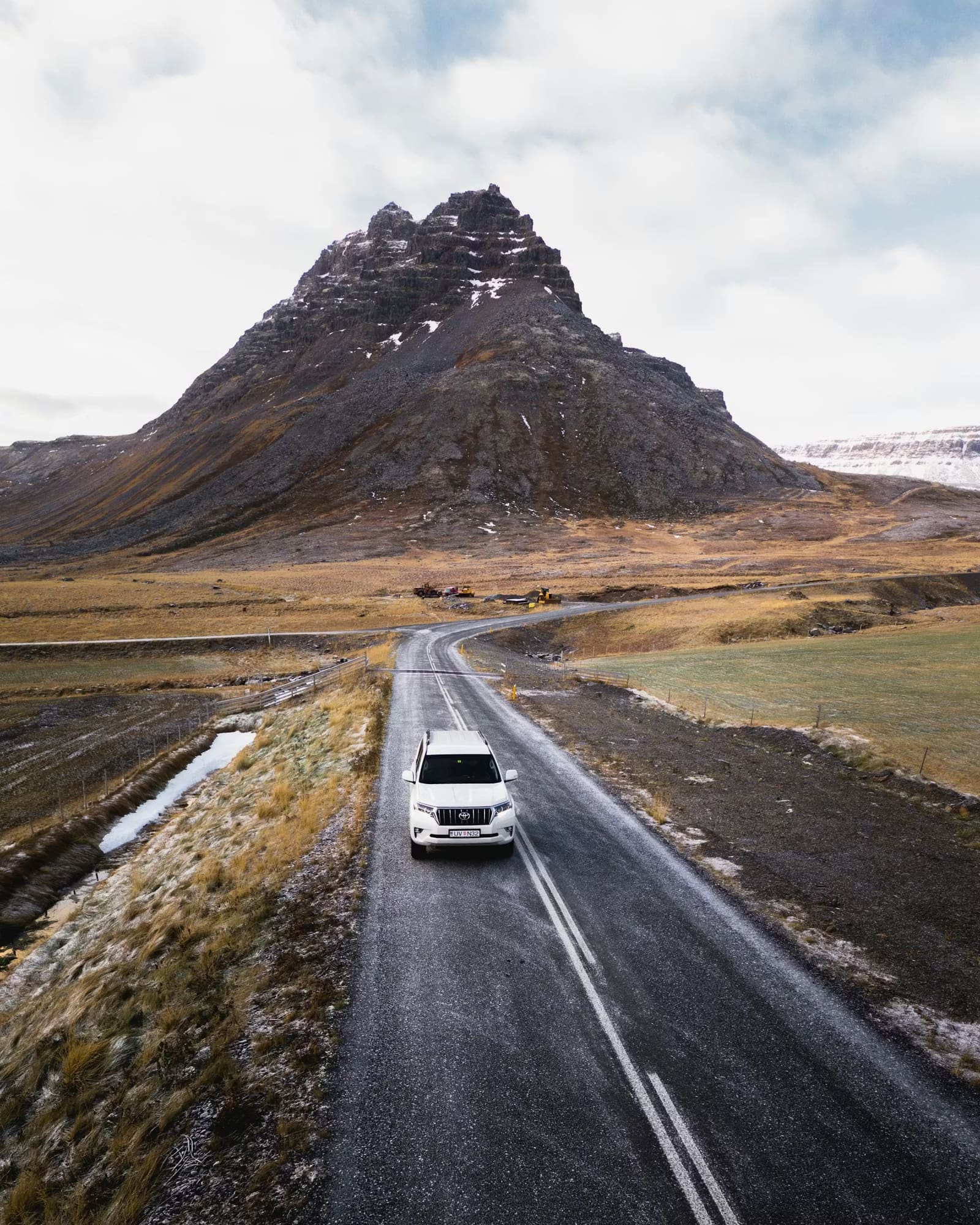
Winter changes the fjord-town decision because roads, daylight, and weather matter more.
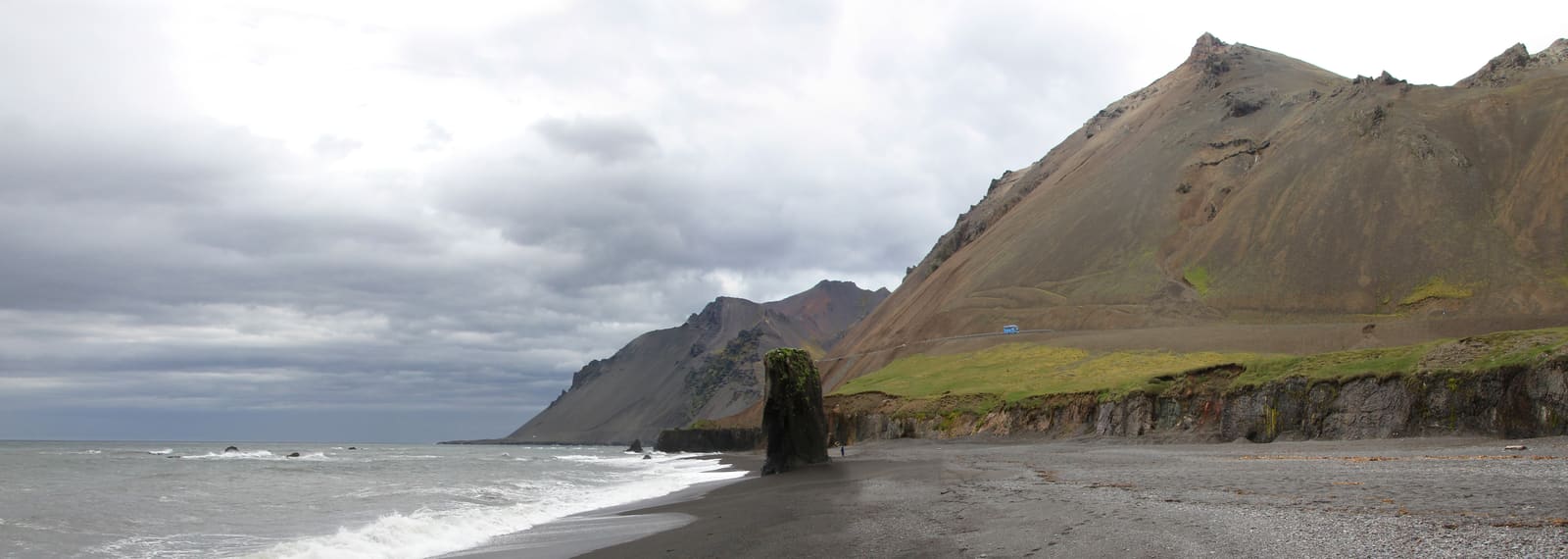
The first impression is compressed and coastal: a working town, harbor edges, steep slopes, and a fjord setting that feels more enclosed than many quick East Iceland stops.
Neskaupstaður is not a one-viewpoint attraction. Its appeal builds through the relationship between the town grid, the water, and the mountains above it. On a clear day the slope dominates the background; in low cloud the town can feel tucked under the weather.
That makes it useful for travelers who like practical places with atmosphere: harbor views, local streets, a museum stop, and nearby trail access. It is not the right detour if you only want a fast headline sight.
The strongest reason to go beyond the town center is the Neskaupstaður Nature Reserve, where coastal walking, basalt slopes, birds, and Páskahellir give the visit a sharper outdoor purpose.
The reserve begins near the edge of town and stretches toward the outer coast. Official and regional sources describe varied geology, plant life, sea birds, and public access to a protected coastal area, so the stop can be more than a harbor look-around.
Do not oversell it as an easy add-on in every season. Wind, footing, daylight, and weather can change the value of the coastal walk quickly, so the better plan is to keep the trail option flexible.
The Neskaupstaður Museum House, or Safnahúsið, gives the town a useful indoor and cultural layer, combining natural history, maritime material, and the work of local painter Tryggvi Ólafsson in one visitor stop.
This secondary angle matters because Neskaupstaður can otherwise look like a simple end-of-fjord town. The museum connects the visit to local nature, seafaring, craft, and art, which helps on days when weather or trail conditions make the outdoor plan less attractive.
Use the museum as a focus, not as a guaranteed fallback. Confirm official visitor details before making the day depend on any indoor stop, then use the harbor and town walk to keep the visit grounded in the place itself.
For most travelers, Neskaupstaður needs either a focused town pause or a slower town-plus-coast visit. Anything in between can feel rushed for the drive involved.
| Plan | Best use | What to check |
|---|---|---|
| Quick pause | Harbor, town view, and a short leg stretch. | Weather, daylight, and return-drive margin. |
| Town focus | Add Safnahúsið and a more deliberate walk. | Official museum and local visitor details. |
| Coast focus | Use the nature reserve and Páskahellir area. | Trail, weather, safety, and footing conditions. |
A short visit can work if you are already nearby, but the town becomes more persuasive when you have enough time to reach the edge of the reserve or choose one cultural focus.
Neskaupstaður belongs in an Eastfjords plan when the day is built around fjords, town character, and side valleys instead of a straight Ring Road transfer.
Use Egilsstaðir as the practical inland anchor, then decide how many fjord branches the day can honestly handle. Seyðisfjörður is often the easier first fjord-town choice; Neskaupstaður is better when you want the more enclosed Norðfjörður endpoint and reserve access.
If you are linking several Eastfjords places, keep Eskifjörður and Klifbrekkufossar as selective pairings rather than automatic add-ons. Mjóifjörður, Gerpir, and Vöðlavík can be useful plain-text planning ideas, but do not invent routes around them without checking current access and time.
Neskaupstaður is not difficult to understand, but the Eastfjords reward travelers who check conditions before turning a side trip into a fixed plan.
Check official road information before the drive, the Icelandic weather forecast before relying on views or trails, SafeTravel guidance when conditions are unsettled, and local visitor information before building the day around Safnahúsið, the pool, horse riding, or a specific trail.
Town, museum, trail, and local visitor context.
Protected-area and coastal-walk context.
Road-condition checks before Eastfjords driving.
Forecasts and warnings for travel timing.
By ThorPublished Updated
Map
Use nearby places and useful bases before opening directions.
Interactive planning map for Neskaupstaður
Interactive map
Place context and external map links remain available without loading it.
Routes and itineraries
Compare road trips and itineraries that give this place a sensible position in the wider journey.
Next step
Choose the next page by the decision you still need to make: nearby fjord town, East Iceland route shape, or road-condition planning.