Reyðarfjörður is an Eastfjords town, sometimes searched as Reyðarfjörður Village, where wartime history, working-harbor context, a short Búðará nature pairing, services, and Route 1 timing decide whether it is more than a pass-through.
Town snapshot
Type
Harbor town on a broad Eastfjord
Also called
Reyðarfjörður Village in some travel searches; this means the same town, not a separate attraction
Region
East Iceland, inside Fjarðabyggð
Best for
Museum, fjord views, and a short walk
Time
30 to 90 minutes, or longer with Budara
In this guide
Is Reyðarfjörður worth more than a pass-through on Route 1?
Yes, if you want one Eastfjords town stop with a clear identity. No, if the day is only about covering distance between Egilsstaðir and the southern fjords.
Reyðarfjörður is easy to dismiss because it sits right on the road and looks more like a working town than a polished detour village. That is exactly why the stop needs a sharper question: do you want a wartime-history stop, a short river walk, and a broad-fjord pause, or do you only need the next fuel and coffee break?
Reyðarfjörður Village is not a separate attraction hidden beside the town. It is just village or town wording for the settled area at the head of the fjord, so use this page for the full visitor decision.
The town makes most sense when the Eastfjords are part of the trip rather than just the gap between larger icons. If you already plan to use East Iceland as more than a transfer corridor, Reyðarfjörður gives you a practical and more grounded stop than a pure viewpoint pull-off.
Photo guide
Reyðarfjörður in photos
1 / 2
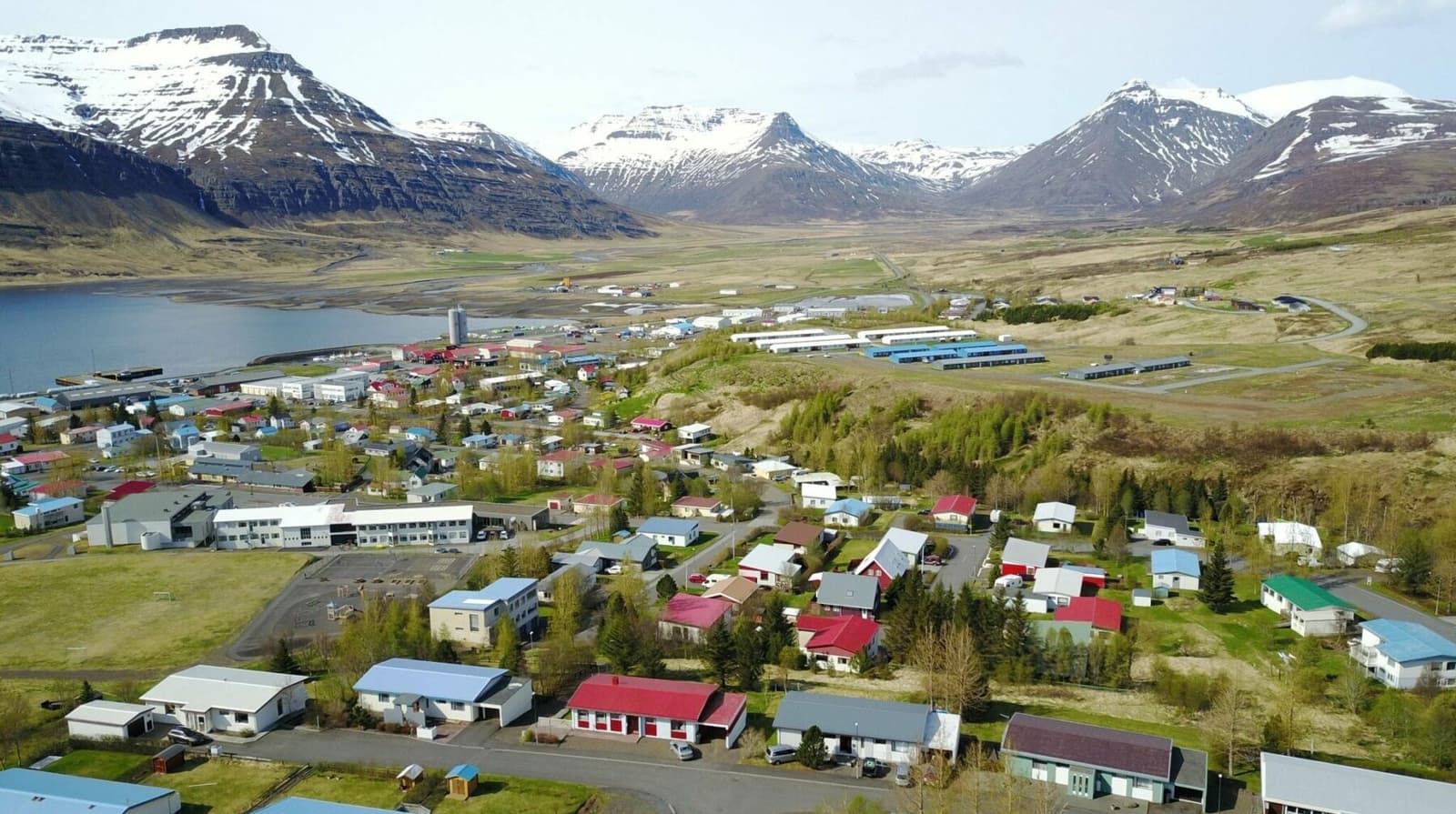
A slower in-town view fits the pages that treat Reyðarfjörður as a pause with texture instead of a checklist stop.
What does the longest Eastfjord feel like in town?
It feels broader and more working than the better-known Eastfjords detours, with the water opening wide in front of the town and the mountain walls still close enough to define it.
Reyðarfjörður sits at the bottom of a fjord that local tourism sources describe as the longest and widest in the Eastfjords. That scale matters when you arrive: the harbor edge feels open, the water has room to breathe, and the town reads less like a postcard street and more like a place people actually use.
The harbor view is the fastest way to understand why Reyðarfjörður feels more like a working fjord town than a polished detour village.A broader winter view shows how much of the stop comes from fjord scale and settled town texture rather than one single landmark.
That also means the stop is different from Seyðisfjörður or Fáskrúðsfjörður. Seyðisfjörður sells the colorful detour; Fáskrúðsfjörður sells French heritage. Reyðarfjörður is stronger when you want harbor scale, a less stage-managed town, and a reason to stretch your legs without adding a long side road.
Why the wartime museum and Búðará walk are the real reason to pause
The town becomes far more interesting once you stop treating it as scenery alone.
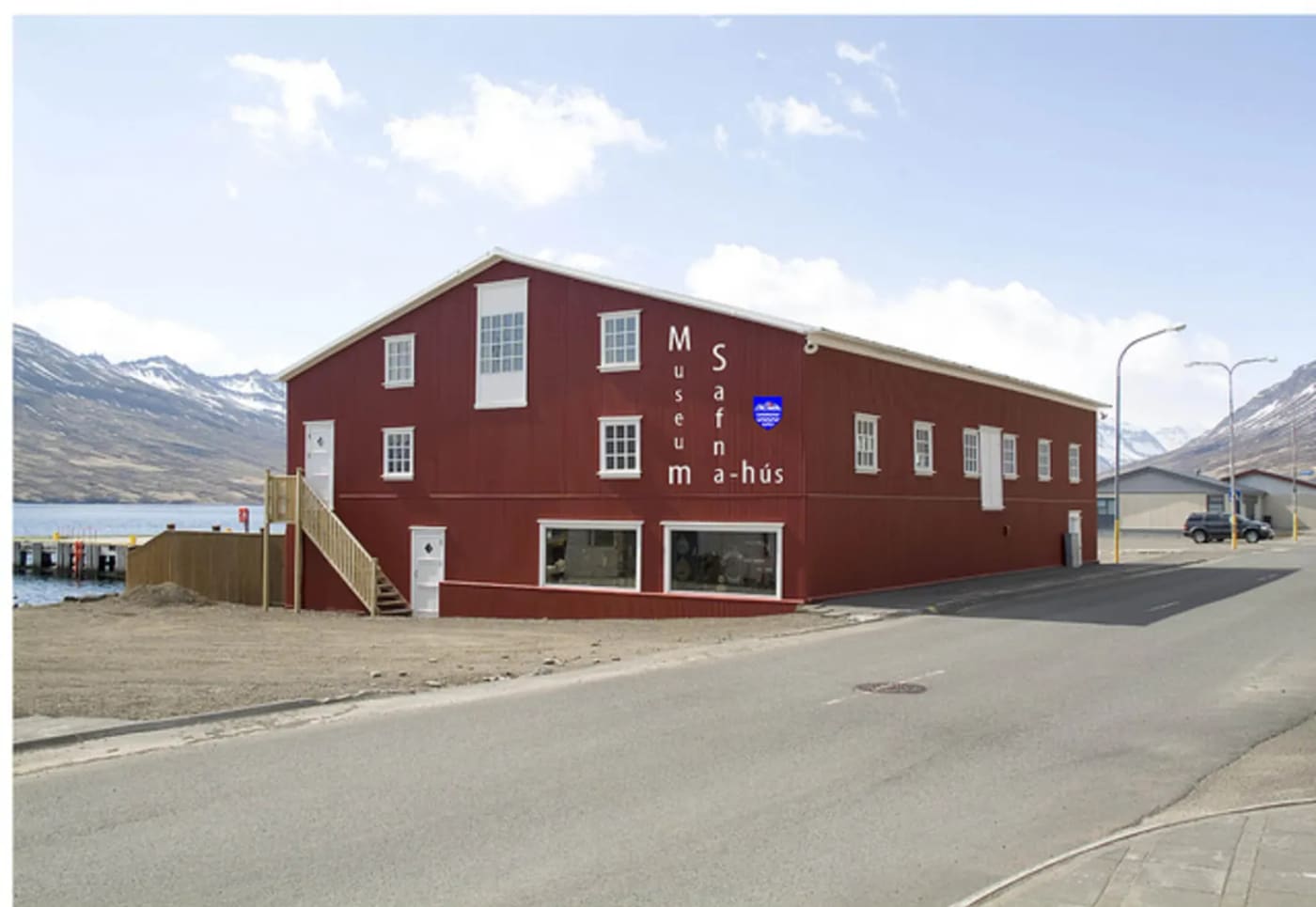
The Icelandic Wartime Museum gives Reyðarfjörður a different kind of travel value. Instead of another generic fishing-town summary, you get a specific local story about the Allied occupation and how the war changed life around the fjord.
The museum is what turns Reyðarfjörður from a generic pass-through into a town with a clear historical reason to stop.
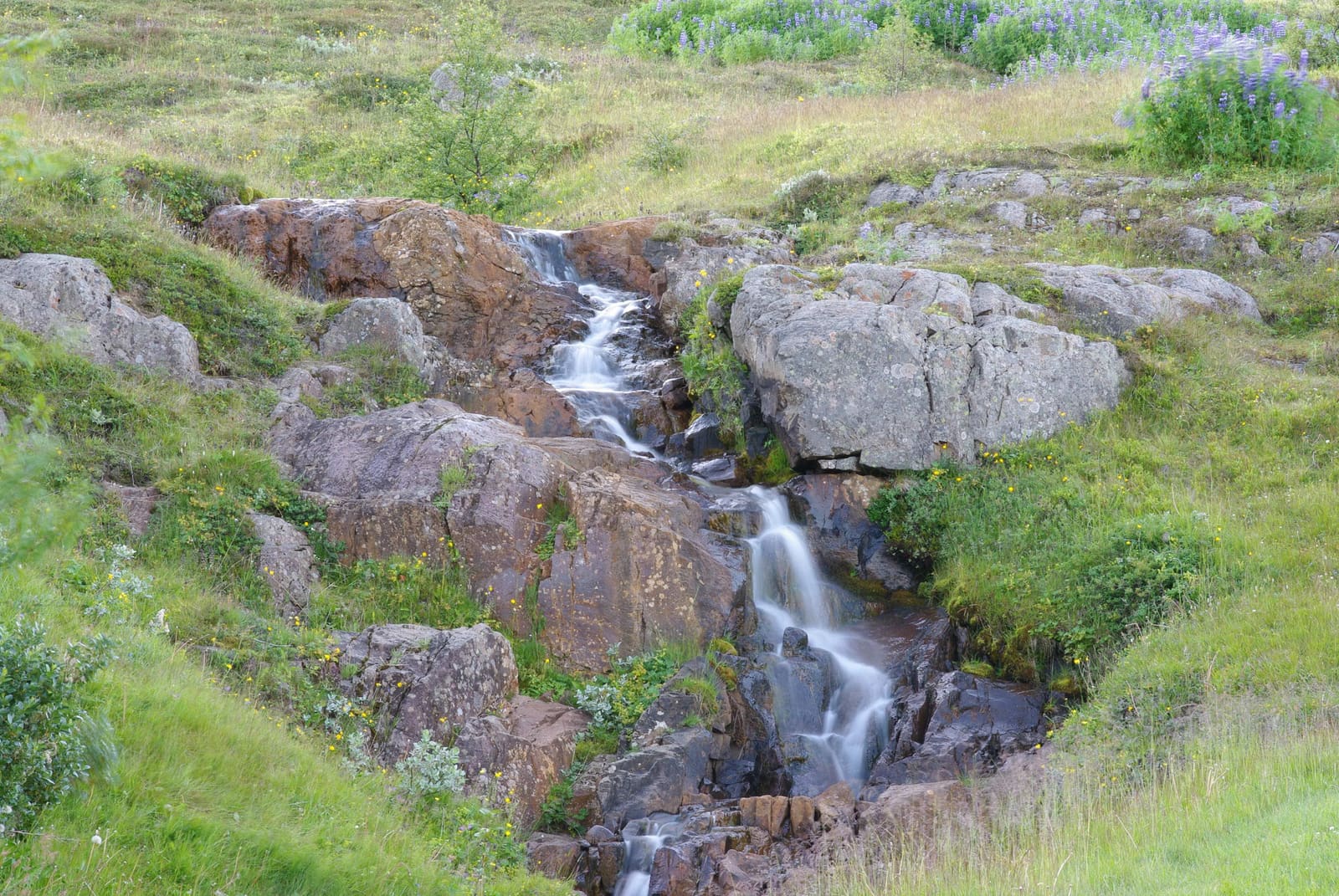
The second layer is Budara River and Canyon. Búðará runs through town, and the walk above Reyðarfjörður gives you a natural pairing that feels built into the stop rather than bolted on from far away. If you have only a little extra time, that museum-and-walk combination is the clearest reason to stay.
Budara is the cleanest nature pairing because it feels attached to the town instead of like a separate full detour.
Choose the museum if local history is what turns a stop into a meaningful pause.
Choose Budara if you want a short, exact-town walk instead of another roadside photo.
Choose both when the Eastfjords day has enough margin for 60 to 90 minutes rather than a rushed pass-through.
Where Reyðarfjörður fits between Egilsstaðir and the southern Eastfjords
It works best as a grounding stop between inland logistics and the more decorative fjord-town detours farther along the coast.
From Egilsstaðir, Reyðarfjörður is one of the first Eastfjords towns that can feel like a real pause rather than a logistics anchor. Southbound, it helps break up the coast before Eskifjörður or Fáskrúðsfjörður. Northbound, it can be the place where you decide whether the eastern side of the trip deserves more than a straight-line drive.
If the route question is bigger than the town itself, move up a level and use Ring Road vs South Coast. That is the better page for deciding whether these slower Eastfjords pauses still fit the overall trip shape.
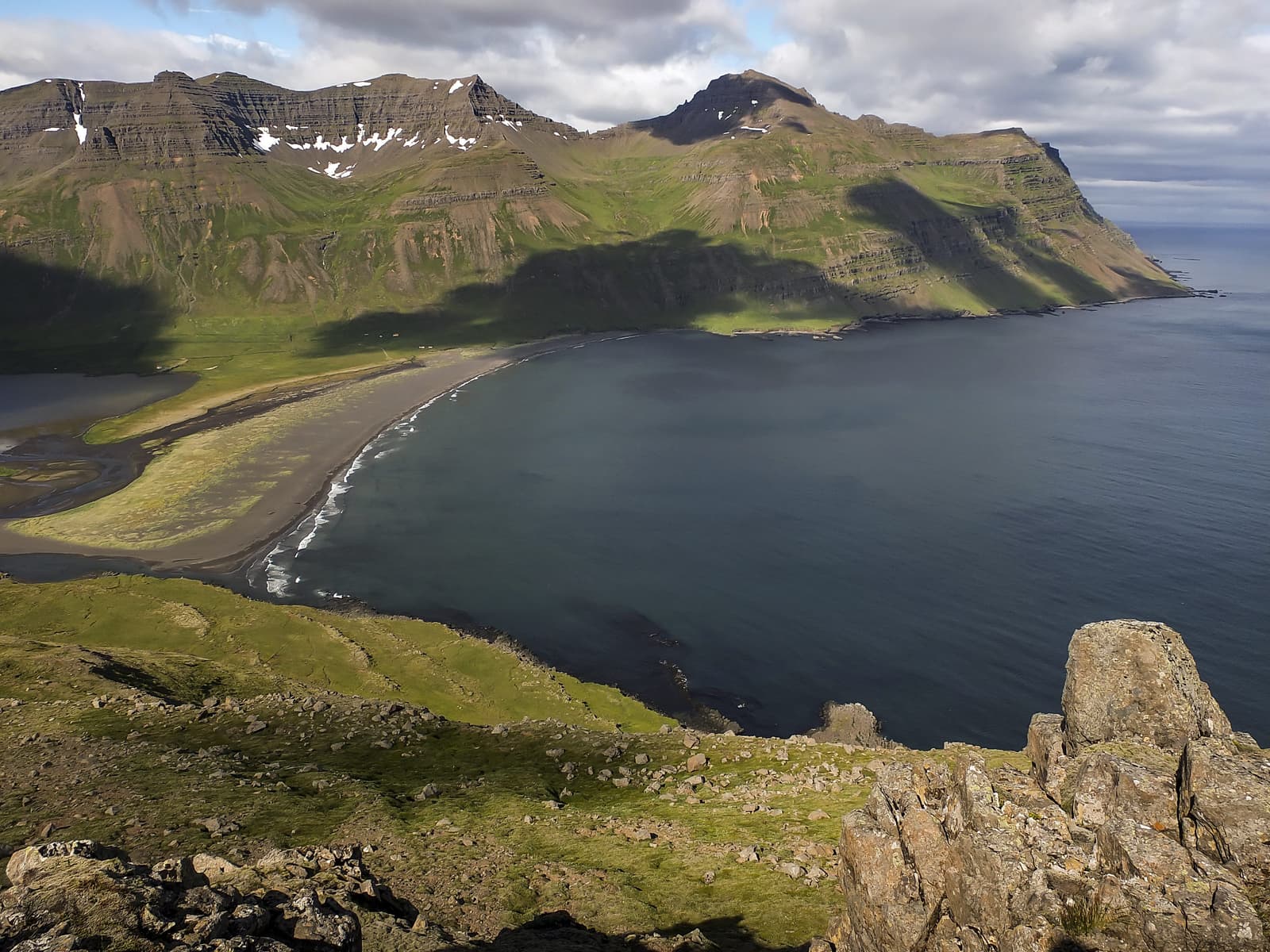
Nearby nature helps, but it should stay selective. Hólmanes is a good local note if you want more coastline and a chance of birds or reindeer. It is not a reason to turn Reyðarfjörður into a whole extra day by itself.
Hólmanes is best treated as selective nearby context: useful if you already care about more coastline, not a reason to overbuild the day.
If you want one smaller harbor-history note beyond the wartime angle, the old boat Barkurinn reinforces that Reyðarfjörður still reads as a working fjord town rather than a museum stop with scenery attached.
If you see the village name while planning, use it as a route-context cue rather than a new stop. The useful decision is whether the town, museum, harbor, services, or nearby Búðará walk improve the Eastfjords day you already have.
How much time should you allow and what should you check first?
Most travelers only need a short range-based plan here, not a heavy checklist.
Simple Reyðarfjörður stop choices
Visit style
Time
Best when
Fast pause
30 to 45 minutes
You only want a harbor look and a short break on a long Route 1 day.
Useful stop
60 to 90 minutes
You want the wartime museum or a short Búðará walk to justify the stop.
Slower Eastfjords half-stop
2 to 3 hours
You want museum time, the river walk, and enough margin to keep the day unhurried.
The details most likely to change are road conditions, weather, and whatever museum or local-service timing matters to your specific day. Town identity is stable. Schedules and access conditions are not.