Bathing details
- Type
- Cliffside geothermal sea baths
- Region
- Húsavík, North Iceland
- Best for
- Bay views after whale watching
- Time
- Usually 1.5 to 2.5 hours
- Access
- Town-edge site near the lighthouse
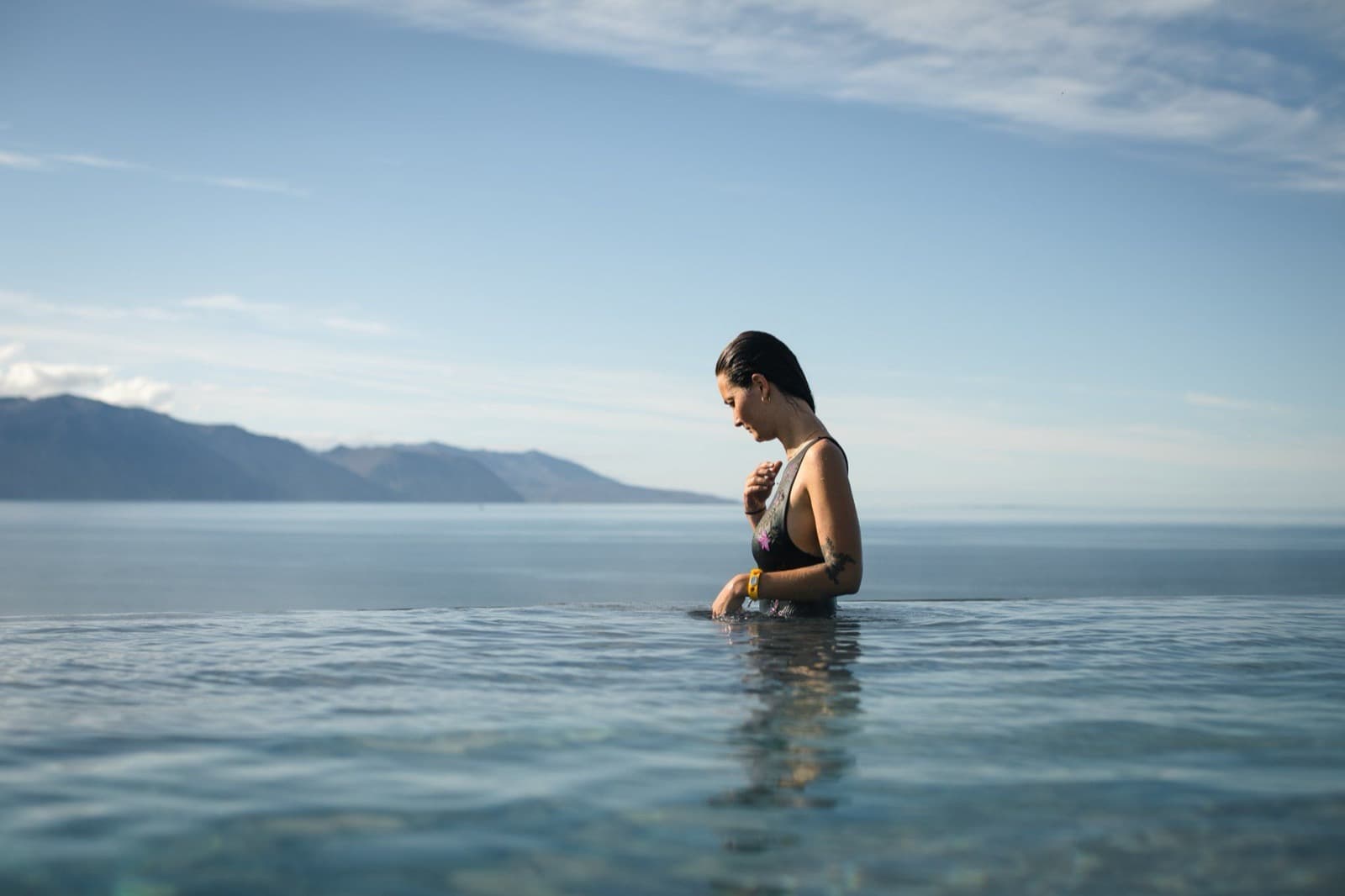
GeoSea is a cliffside geothermal sea bath in Húsavík, best for travelers who want a warm soak with Skjálfandi Bay views, a local bathing-culture angle, and an easy pairing with whale watching or a North Iceland overnight.
Bathing details
Yes, GeoSea is worth adding when Húsavík is already part of your North Iceland route and you want the day to end slowly, warm, and sea-facing.
GeoSea sits on the cliff edge above Skjálfandi Bay, just outside the tight harbor rhythm of Húsavík. It is not a wild hot spring or a hidden local pool; it is a designed bathing stop where the view, the sea-water feel, and the town setting carry the visit.
The strongest version is simple: whale watching or harbor time first, then a longer soak while the bay, mountains, lighthouse, wind, and light do the work. It is less convincing as a rushed detour from Akureyri or Lake Mývatn if you only want to tick off another geothermal pool.
| Choice | Use it when | Watch out for |
|---|---|---|
| Go | You are sleeping in Húsavík or building a slower Diamond Circle day. | The visit needs enough time to feel like a bath, not a photo stop. |
| Keep flexible | Your route depends on weather, whale-watching timing, or winter driving. | Bay views can lose value in fog, hard wind, or darkness. |
| Skip | You want a free natural spring or a fast roadside pause. | GeoSea is a paid, managed bathing experience. |
Photo guide
1 / 3
The aerial view shows GeoSea as a managed bath complex rather than a natural hot spring.
GeoSea feels different from many Icelandic bathing stops because the pools use heated seawater and sit directly above the bay rather than beside a lava field or lake.
Official GeoSea background describes the water as mineral-rich seawater warmed by geothermal heat. That gives the pools a saltier, lighter feel than a standard freshwater pool, and it ties the experience to Húsavík's unusual coastal geothermal history.
That history is the useful secondary angle here. GeoSea is not only a scenic spa stop; it also makes the town's geothermal resource visible, from older local bathing use to the boreholes that now feed the sea baths.
GeoSea belongs in a Húsavík-centered plan first, then in a broader North Iceland route if the day has enough slack.
For most travelers, the cleanest pairing is Húsavík itself: harbor walking, a museum stop, whale-watching logistics, and a relaxed bath without moving the car much. If you want a quieter land-based pause nearby, Botnsvatn Lake gives the day a different texture.
If your route is built around inland volcanic landscapes, compare GeoSea with Earth Lagoon Mývatn. GeoSea gives you the bay and town-edge setting; Mývatn makes more sense when the day is already shaped by Lake Mývatn, Námaskarð, or the eastern side of the Diamond Circle.
On a fuller north route, keep GeoSea as a comfort stop in the Diamond Circle road trip rather than the main scenic event. Goðafoss, Dettifoss, Ásbyrgi, and Mývatn carry the landscape weight; GeoSea is where the day slows down.
Expect a managed, polished bathing experience with exposed North Iceland weather, broad water views, and a stronger sense of place than many indoor-heavy pool stops.
The pools are outside and the horizon is part of the design. On clear evenings, the bay makes the experience feel wide and quiet; in rougher weather, the same exposure can feel bracing. That contrast is part of the north-coast appeal, but it is not for every group.
Families can enjoy the warmth and space, but the page should not oversell it as a playground stop. GeoSea works best for travelers who want calm water time, conversation, views, and a gentle finish to a busy Húsavík day.
The durable planning rule is simple: check official GeoSea details before treating a bath stop as fixed, especially when timing, facilities, or winter driving matter.
Because GeoSea is an operated bathing site, do not rely on copied opening times, old prices, or second-hand facility claims. Check the official website for booking, access, age guidance, locker or towel details, maintenance notices, and any seasonal changes that affect your visit.
For self-drivers, also check weather and road conditions before making Húsavík a fixed stop on a tight day. North Iceland distances can look easy on a map, but wind, winter surfaces, fog, and daylight can change whether a late soak still feels sensible.
Use for visitor details, access notes, and facility updates.
Use for regional context, address, and Húsavík planning information.
Use before locking in North Iceland self-drive timing.
Use for forecasts and warnings before view-dependent plans.
These are the decision points that matter before you give GeoSea a place in a North Iceland day.
For most travelers, GeoSea works better after whale watching because the bath gives the day a warm, slower finish. Reverse the order if booking times or weather make that easier.
Choose GeoSea for Húsavík, Skjálfandi Bay views, and heated seawater. Choose Earth Lagoon Mývatn when your day is already centered on Lake Mývatn and inland volcanic stops.
By ThorPublished Updated
Map
Use nearby places and useful bases before opening directions.
Interactive planning map for GeoSea Geothermal Sea Baths
Interactive map
Place context and external map links remain available without loading it.
Nearby places
Compare nearby places so the bathing stop fits naturally around weather, time, and access.
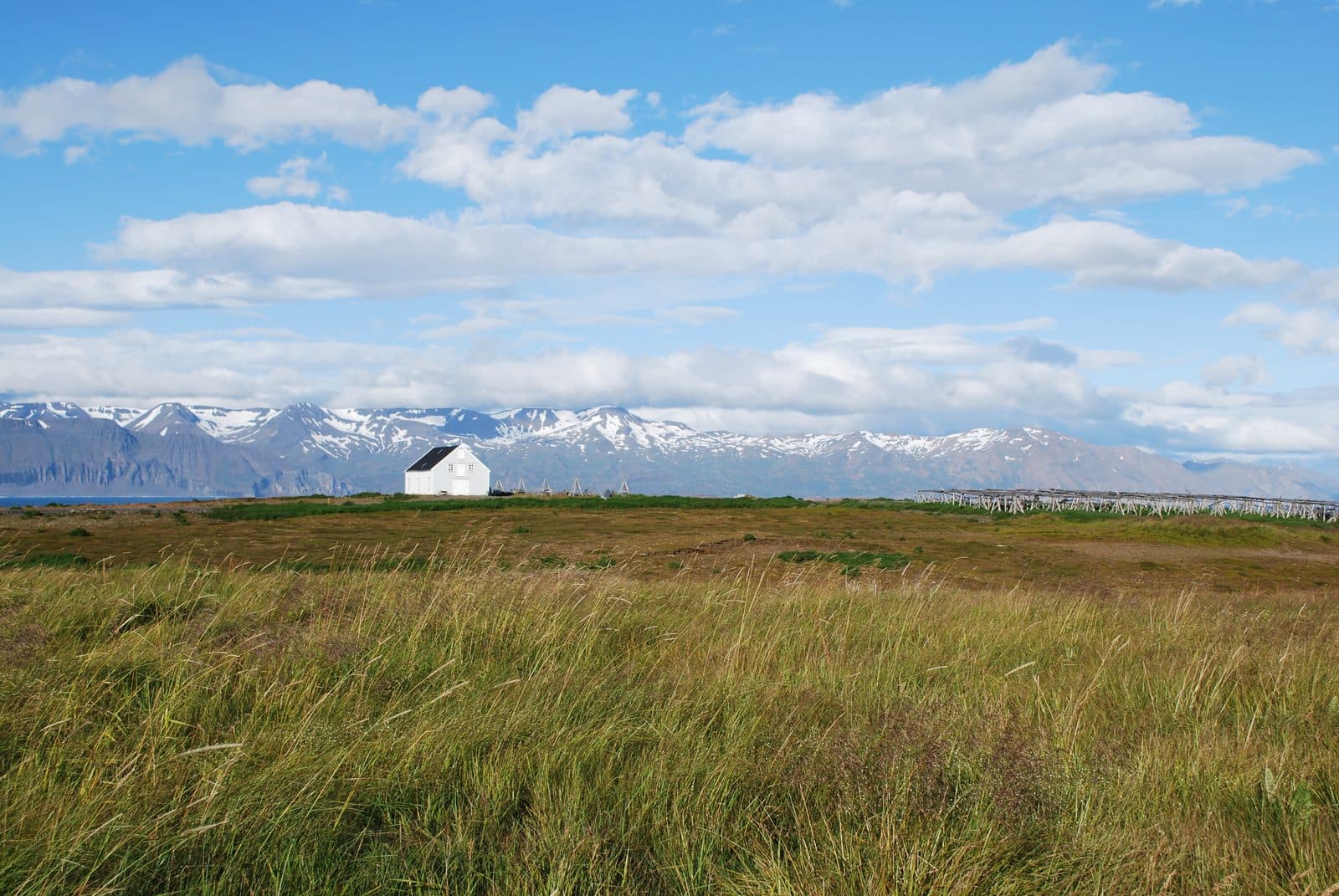
The Geothermal Goldfish Pond is a quirky warm pond beside Kaldbakstjarnir near Húsavík. Use this guide to decide whether its goldfish, steam, birdlife, and easy North Iceland pairing are worth a short detour.
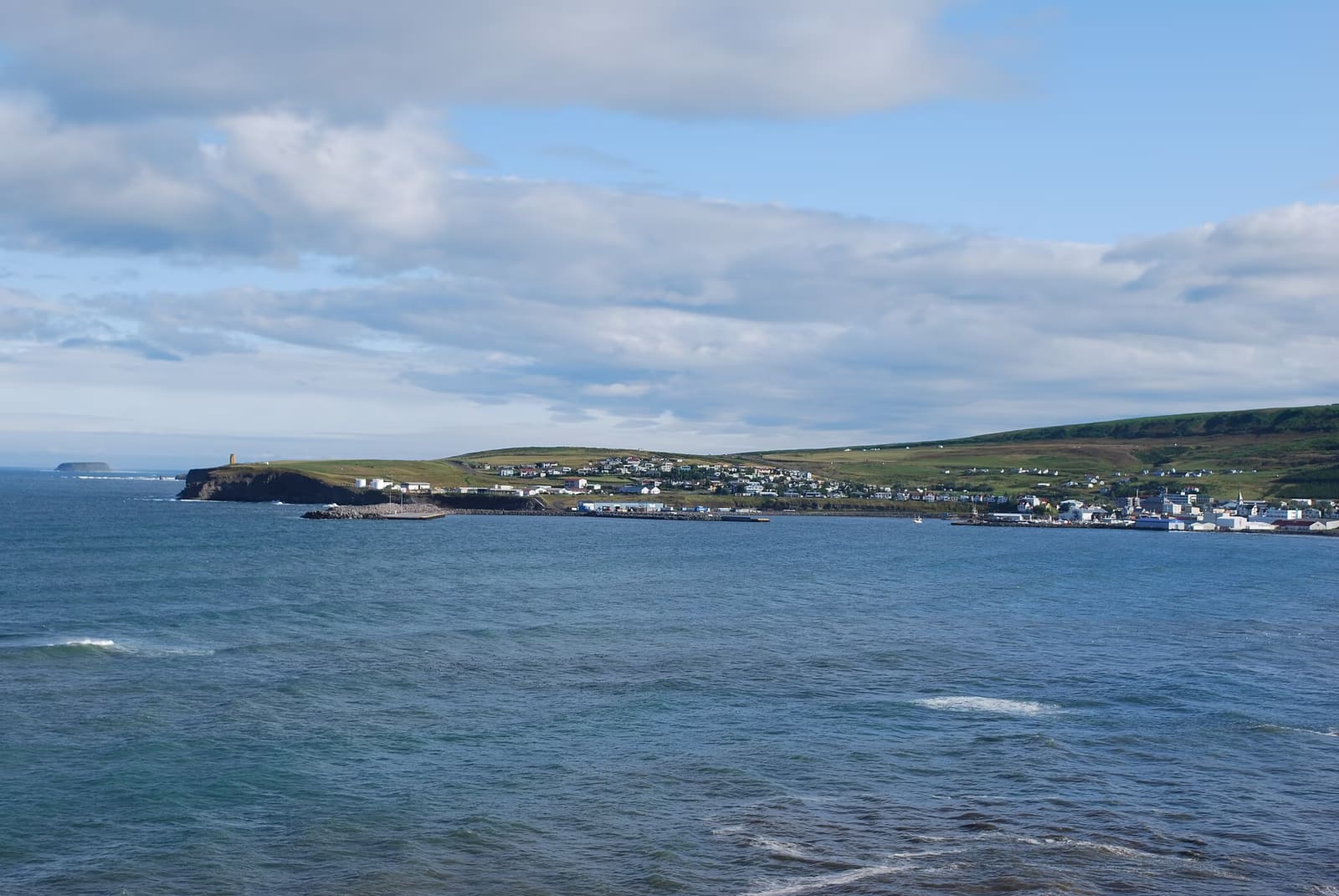
Húsavíkurhöfði is a cliff-edged headland above Húsavík, useful for travelers who want a short coastal walk, Skjálfandi Bay views, birding context, and a simple pairing with GeoSea or the harbor.
Planning context
Open the region or practical guide that resolves the next planning decision.