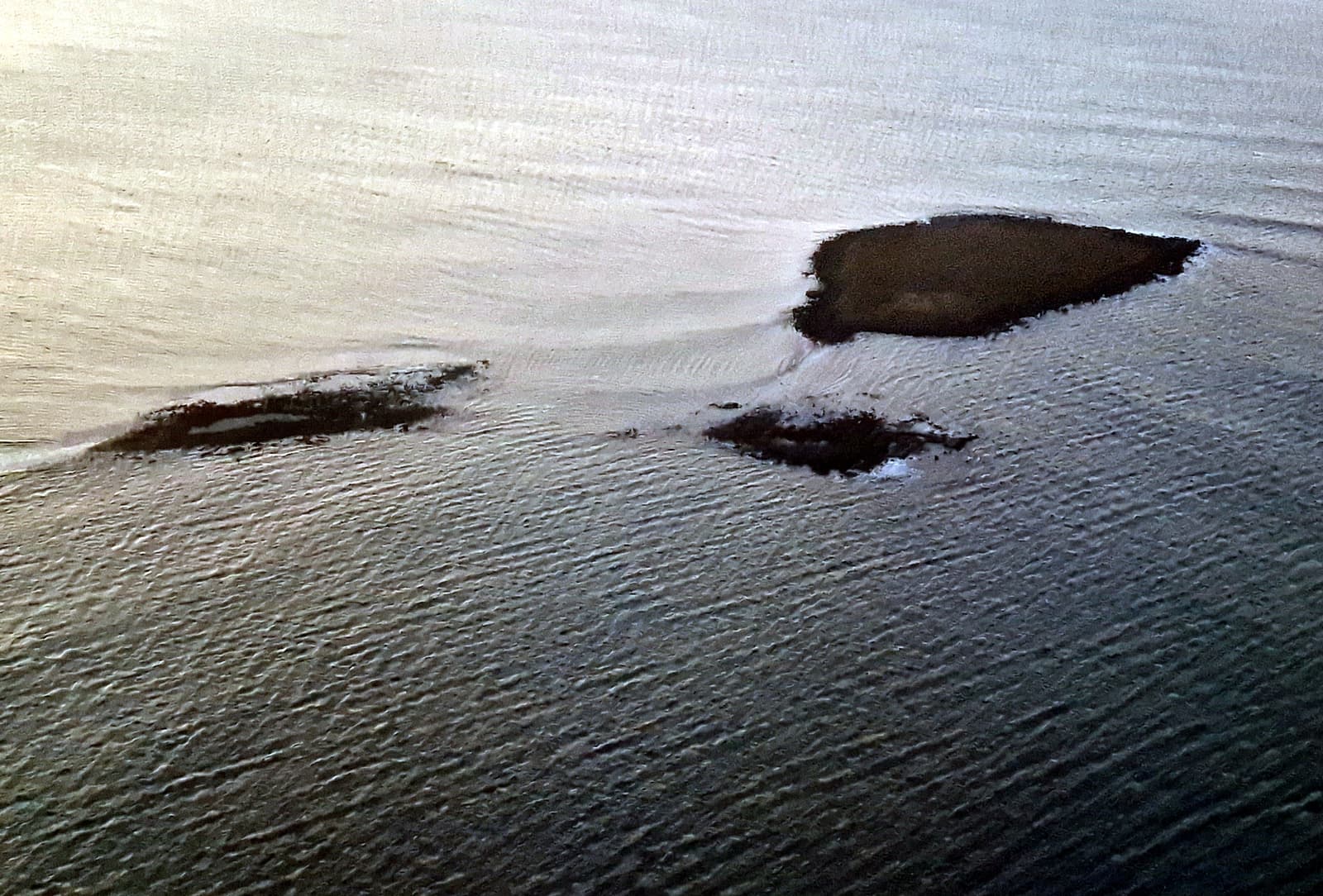
Hayfields and nesting birds in Reykjavík’s bay

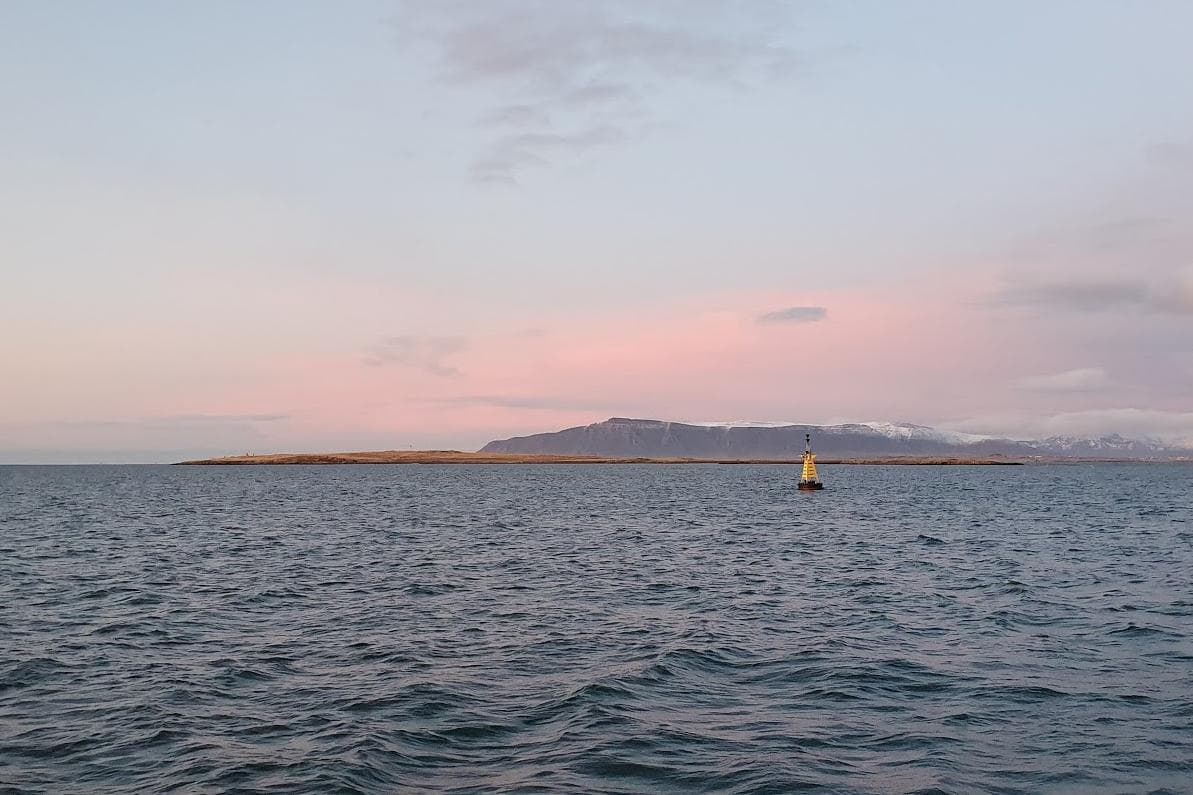
Engey’s open grassland and low shoreline are visible across the water near the capital.

Reykjavík City describes former hayfields and a wetland in the middle of the island. Gulls are prominent, and eider ducks also nest here. The landscape is valuable as a nesting area, so a visit needs more care than an ordinary city waterfront walk.

A long settlement history

The city’s history records a church consecrated on Engey in 1379.

People lived on the island until 1950. The remaining houses were burned and demolished in 1966. Open land now replaces much of the built settlement, so the historical interest is in understanding the island’s former use rather than expecting intact buildings to explore.

Engey’s low grass-covered shoreline seen across the water.
Low grassy Engey island seen across blue water in Faxaflói bay

Engey’s low grass-covered shoreline seen across the water.

Island history and nature

Boat access and care around nests

Reykjavík City says visitors may go to the island, but there are no scheduled boat trips.

A landing therefore requires separate arrangements. Check current local advice, weather, sea conditions and a suitable landing plan before setting out. The map marks the island’s location; it does not identify a jetty, parking place or safe route ashore.

Watch birds from a distance and move away if they become agitated. Keep clear of nests and respect any seasonal signs or instructions. Avoid treating a summer bird sighting as a promise: what you see depends on the time of year, distance and conditions.

Outdoor conditions

Choosing a Reykjavík island visit

For a public ferry connection and established walking paths, compare Viðey.

Akurey and Lundey are other nearby nesting islands; Reykjavík City identifies puffin colonies there. Their birdlife and access should be considered separately from Engey.

If you are keeping the day on land, Reykjavík and Sun Voyager offer waterfront context without arranging a crossing. Keep Engey as an island to understand from the shore unless you have made a suitable plan to visit.