Coast snapshot
- Type
- Fjord coast and village cluster
- Region
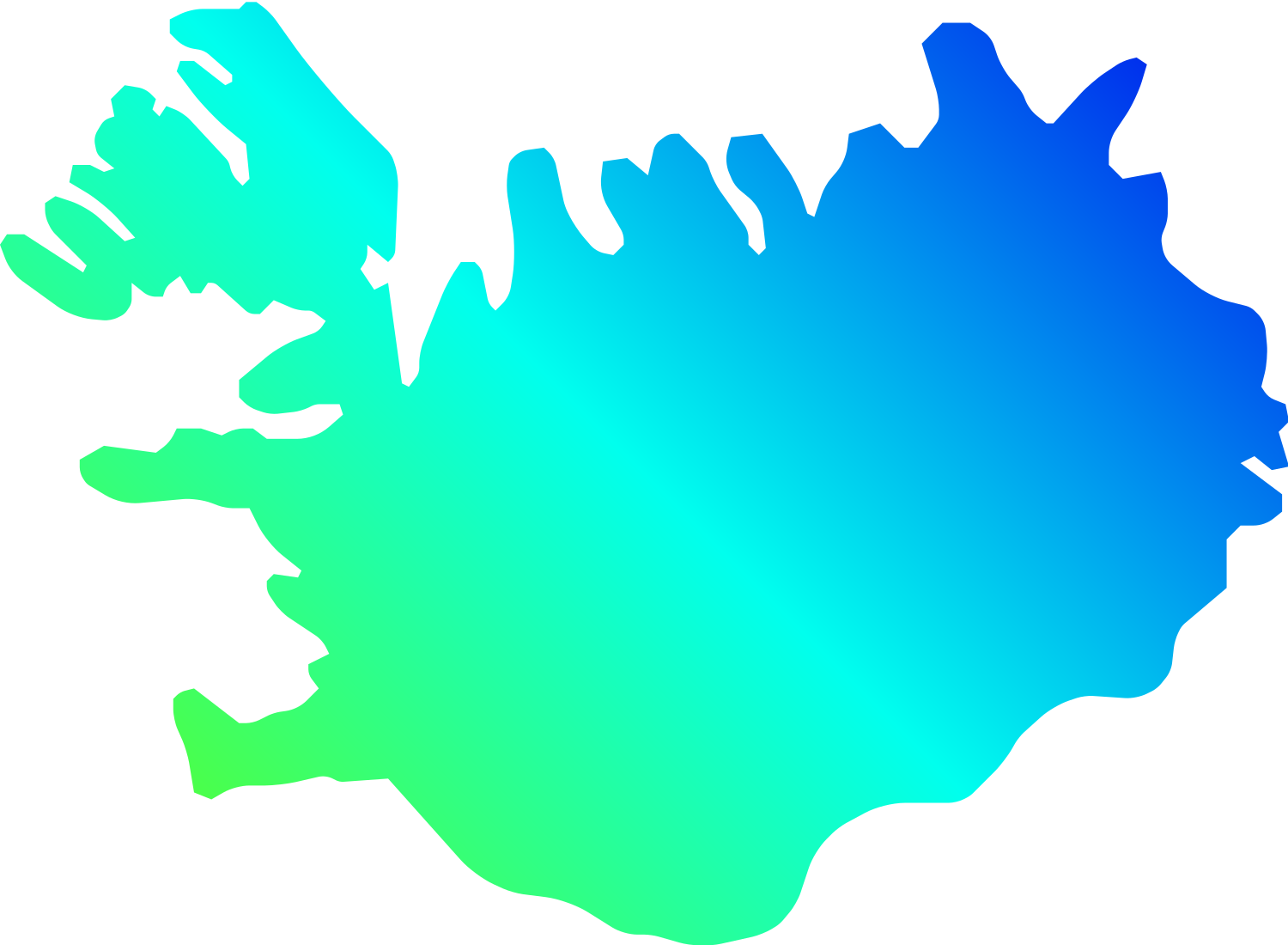
- East Iceland on Route 1
- Best
- Harbour villages and fjord scenery
- Route
- Coastal Route 1 and village branches
- Season
- Best with long daylight
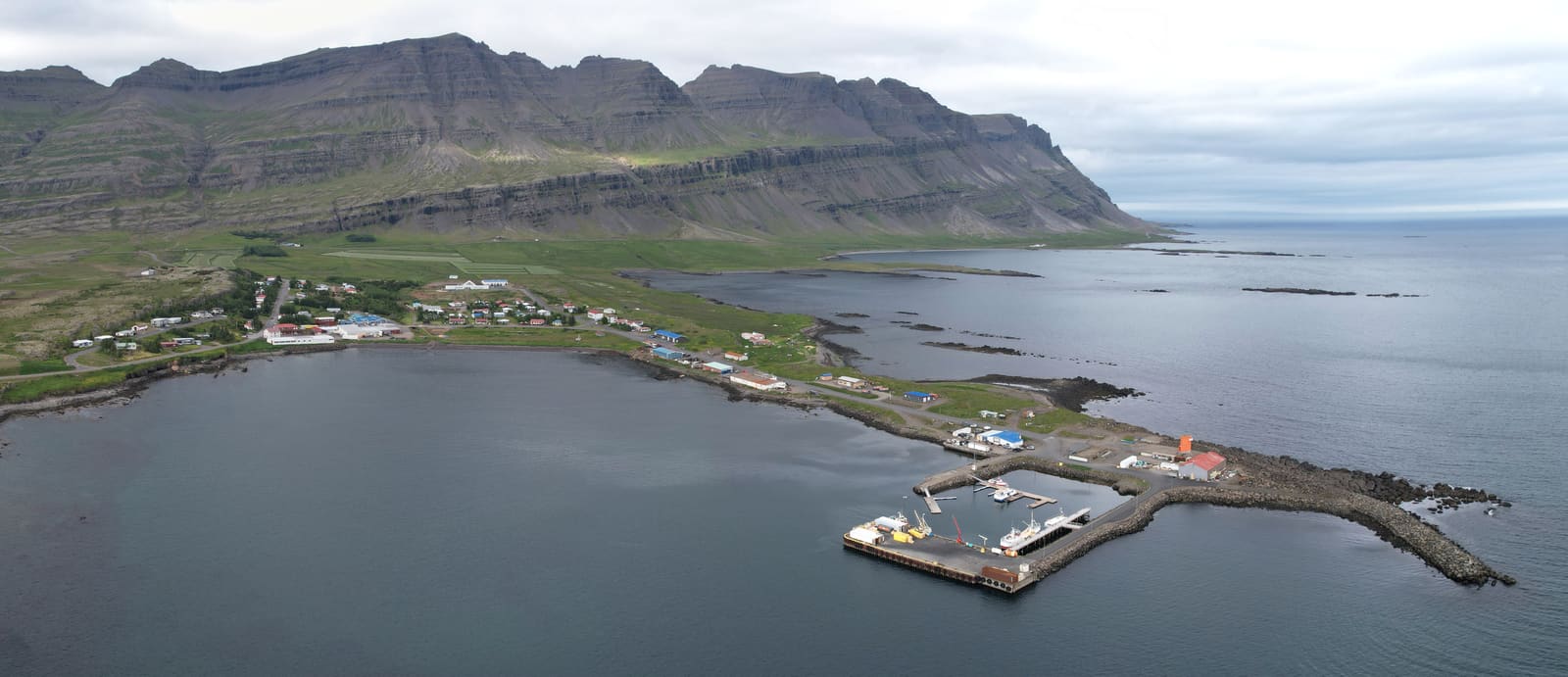
Follow the Eastfjords coast through harbour villages, steep mountain walls and changing fjord scenery, then choose a few named stops carefully and verify the exposed roads and weather for safer travel.
Coast snapshot
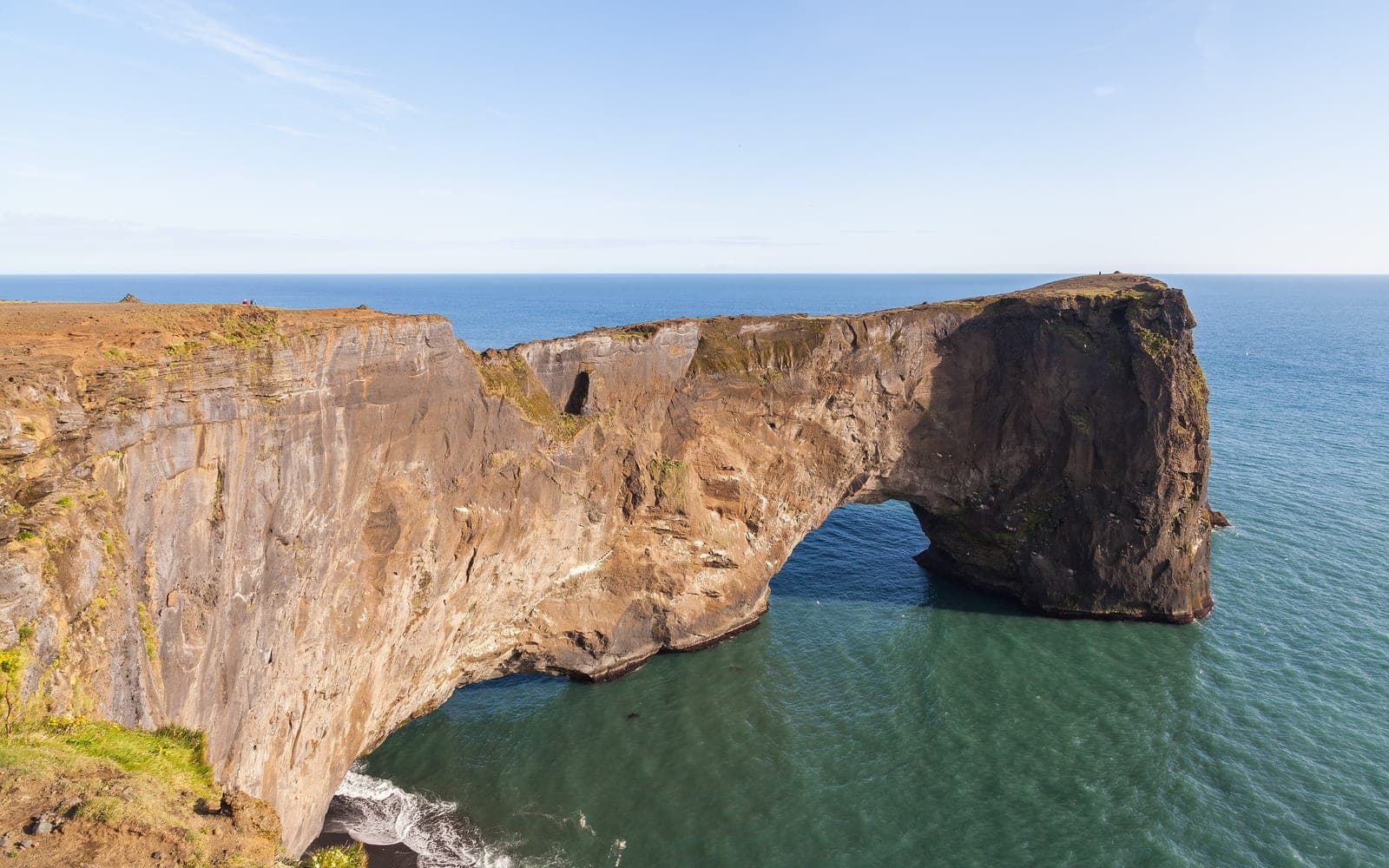
The Eastfjords is a chain of harbour villages, narrow water, layered mountains and road-level viewpoints rather than one headline attraction.
This page stays with the coastal place itself: what changes from one fjord to the next, which named villages reveal that character, and which official checks matter on exposed roads. Use the East Iceland region guide for the wider choice about nights, bases, and route fit.
Djúpivogur, Berufjörður, and Seyðisfjörður show different parts of the coast. Pick the places for their specific harbour, landscape, or cultural character instead of treating Eastfjords as one interchangeable scenic stop.
The Eastfjords is less about one knockout viewpoint and more about the pattern of the coast: narrow fjords, villages at the waterline, long curves around mountain walls, and sudden stretches where the road feels quiet again.
Coming from the south, Djúpivogur often feels like the first place where the Eastfjords slows the journey down on purpose. Farther north, smaller settlements and shoreline roads make the region read as a sequence of places rather than a single attraction.
That is the part many travelers either love or underestimate. The payoff is not only scenery but repetition with variation: one fjord opens to a harbor, another to a valley, another to a steeper mountain road, and then a place like Seyðisfjörður changes the mood again with a tighter, more enclosed village setting.
If you want the broader planning picture first, the East Iceland region guide helps place this stretch inside the bigger route. The attraction page here stays narrower: it is about whether the Eastfjords coast itself is worth extra time.
Djúpivogur, Egilsstaðir and Seyðisfjörður have different geographic roles; this comparison identifies their character rather than choosing a base for the whole region.
| Place | What it adds | Geographic role |
|---|---|---|
| Djúpivogur | A harbour town, public art, and a southern Eastfjords setting. | A coastal Route 1 anchor rather than an inland service base. |
| Egilsstaðir | Services and access to nearby lake, forest, and waterfall places. | An inland hub and gateway, not a classic fjord village. |
| Seyðisfjörður | A tight harbour village beneath steep fjord walls. | A mountain-pass branch from Egilsstaðir rather than a Route 1 roadside stop. |
Egilsstaðir explains the inland hinge, Seyðisfjörður shows the enclosed fjord-village setting, and Djúpivogur represents the southern harbour coast. Their place guides own the visit details.
The Eastfjords becomes more convincing when you stop treating those places as interchangeable. Once you pick one main anchor, nearby additions such as Berufjörður, Hengifoss, or Stórurð can shape the day without turning it into a rushed scatterplot.
The Eastfjords would still be beautiful without any extra context, but its real identity is broader than a pretty coast.
East Iceland is one of the best places in the country to notice how geology changes the travel experience. Ancient rock, narrow fjord cuts, and places with strong stone and landscape stories give the region more substance than a simple quiet-alternative label.
The east also carries a wildlife angle that is unusual in Iceland. Reindeer belong to the region's public identity even though sightings are never guaranteed, and that difference alone makes the Eastfjords feel unlike a standard village-and-harbor drive.
Village history matters too. Fishing communities, trading links, and small cultural stops are part of why the coast rewards slower travelers. If you only drive through for scenery, you miss much of what makes the Eastfjords feel lived-in rather than decorative.
The Eastfjords reads more clearly when the route follows one coherent stretch and a few named places rather than every pin on the coast.
For the trip-level decision about how many nights to protect, which base to use, and whether multiple branches fit, continue to the East Iceland region guide.
The Eastfjords does not need dramatic warning language, but it does ask for more realism than a compact sightseeing loop.
The best Eastfjords days usually stay simple: one main place, one supporting stop, and enough flexibility that bad visibility or a slower road does not wreck the whole route.
Use official road notifications before adding smaller roads or long fjord detours.
Check wind, visibility, and forecast updates for exposed driving days.
Confirm local stop details if a village museum, harbor, or cultural stop matters to your plan.
By ThorPublished Updated
Map
Use nearby places and useful bases before opening directions.
Interactive planning map for Eastfjords
Interactive map
Place context and external map links remain available without loading it.
Routes and itineraries
Compare road trips and itineraries that give this place a sensible position in the wider journey.
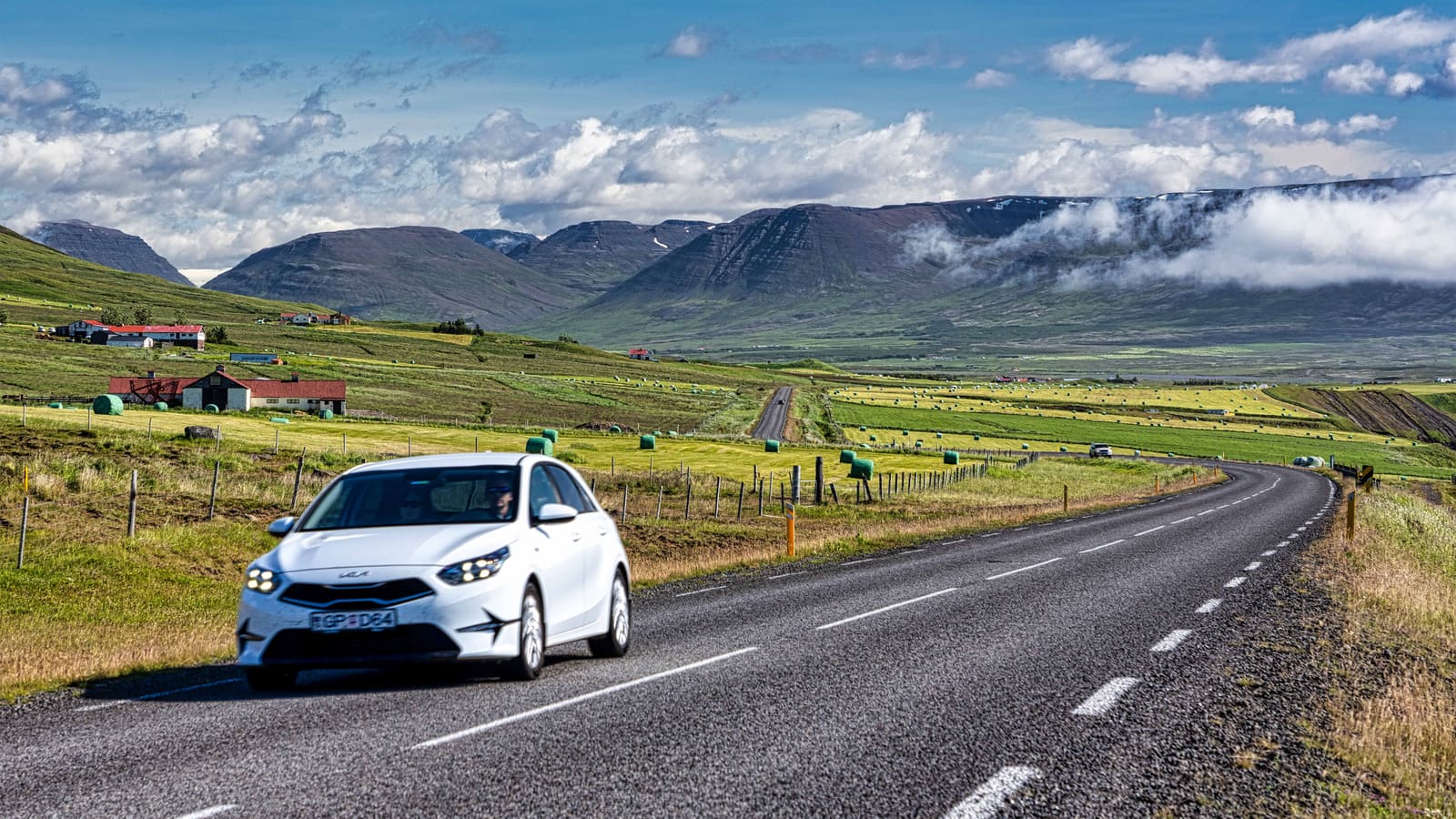
A feasibility-first guide to the full Iceland Ring Road: how many days it needs, where the overnight spine belongs, which transfers create pressure, and what to cut when the loop slips.
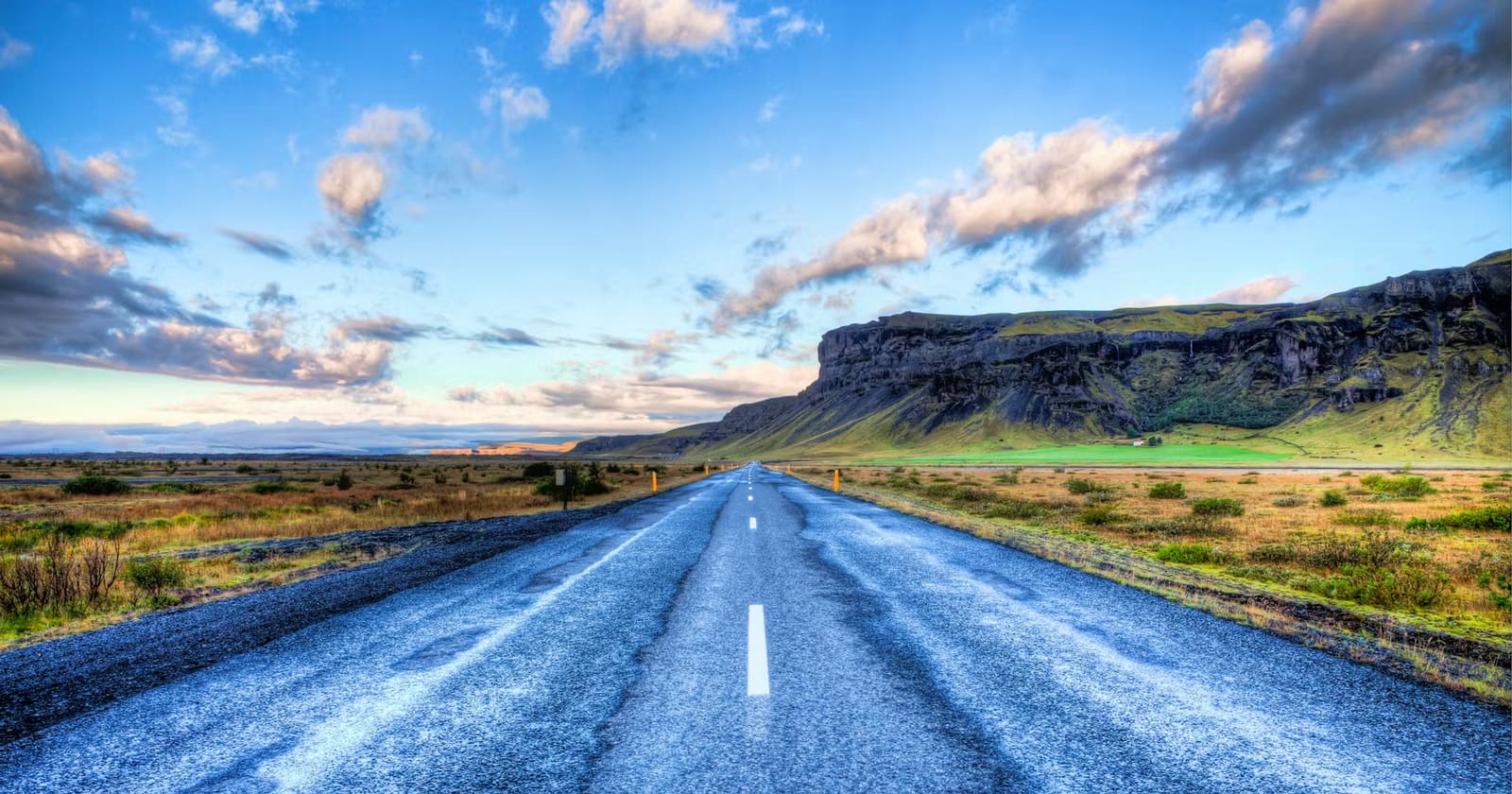
A route-choice guide for deciding whether your Iceland trip should become a full Ring Road loop or a slower South Coast route.
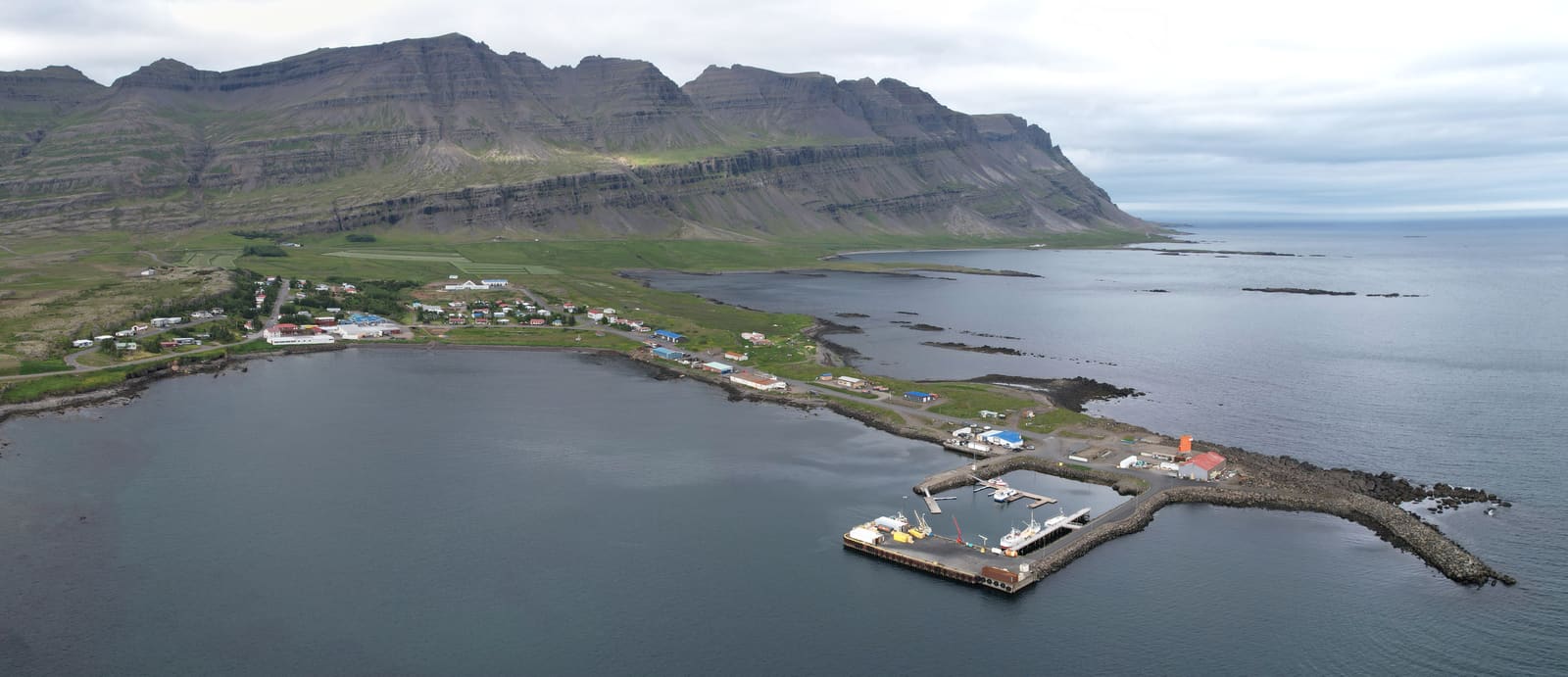
A realistic first Ring Road trip with ten calendar days, nine nights, and a clockwise route through North Iceland, the Eastfjords, glacier-lagoon country, the South Coast, and the Golden Circle—with the flight days kept honest.
Planning context
Open the region or practical guide that resolves the next planning decision.