Short stop snapshot
- Type
- Orange coastal lighthouse
- Region
- Djúpivogur, East Iceland
- Best for
- Short harbor-side photo walks
- Time
- About 15 to 30 minutes
- Access
- Exposed shoreline; check conditions
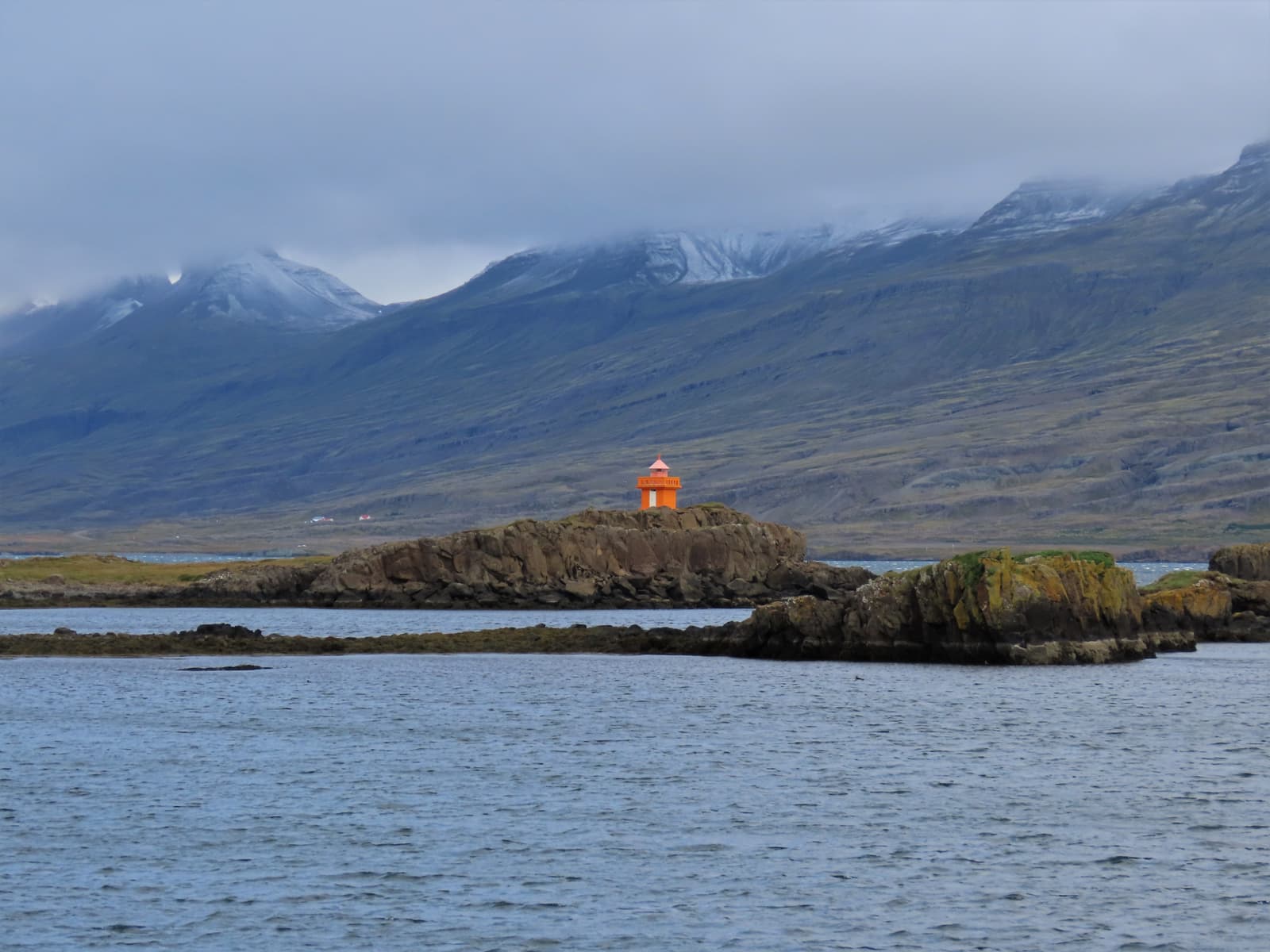
Djúpivogur Lighthouse is a compact orange beacon west of town, useful for travelers who want a quick Eastfjords shoreline pause, a few photos, and a clearer choice between a brief walk and wider Djúpivogur time.
Short stop snapshot
Yes, when Djúpivogur is already part of your East Iceland day and you want a quick coastal landmark with a clear visual payoff. It is less convincing as a standalone detour.
The lighthouse works best as a short pause that gives the town edge, color, and sea air. If your plan already includes Djúpivogur, the orange tower is an easy way to turn a practical stop into something more memorable.
The stop is weaker when the day still needs serious driving margin between fjords. In that case, spend the time on the main town stop, skip the extra shoreline walk, or save your energy for a larger East Iceland anchor.
| Choice | Works when | Watch for |
|---|---|---|
| Go | You are already pausing in Djúpivogur and want a short coastal landmark. | Wind and wet surfaces can make a brief walk feel less rewarding. |
| Keep flexible | You want a photo stop but the wider Eastfjords day is still weather-shaped. | Visibility matters more than the name on the map. |
| Skip | The lighthouse would only add another small stop to a packed transfer. | Use the time for a stronger anchor or simpler driving margin. |
The attraction is not a big lighthouse tour. It is a small working coastal marker whose value comes from color, placement, and how it sharpens the edge of Djúpivogur.
Æðarsteinsviti sits west of the harbor, where the town gives way to low shoreline and fjord views. The Icelandic light list records Æðarsteinn as a navigation light, while the travel value is simpler: a bright orange marker against muted Eastfjords land and water.
That scale matters. If you arrive expecting a major interior visit, the stop may feel thin. If you arrive looking for a short place-specific walk, the lighthouse makes more sense.
The setting does much of the work. The same lighthouse can feel bright and easy in calm weather, or exposed and skippable when wind or visibility turns against the coast.
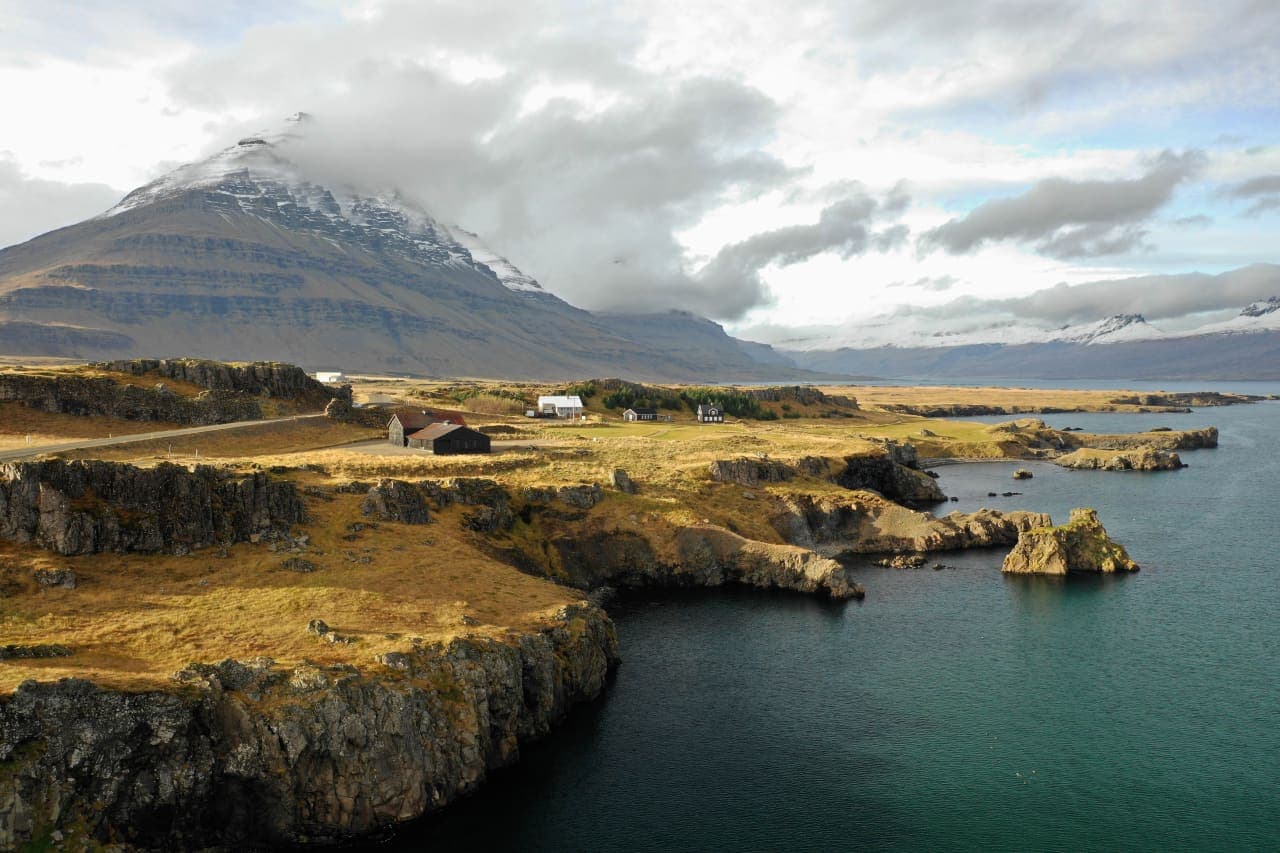
Look at the lighthouse from a little distance before walking right up to it. The fjord, low rocks, and open coastal air are part of the experience, and they help the stop feel less like a single-object photo.
The lighthouse becomes more useful when it sits inside a small town cluster rather than alone. Djúpivogur has enough nearby texture to make a short pause feel coherent.
If you want the stop to carry more weight, pair it with Eggin í Gleðivík, the Langabúð Cultural Center, or a slower look at the harbor. Visit Austurland’s Djúpivogur material also gives the town a birdlife angle, with Búlandsnes and Papey helping explain why the shoreline matters.
For a bigger day, Teigarhorn, Papey, or Berufjörður are better planning anchors. The lighthouse should support that plan, not compete with it.
The practical checks are simple, but they matter because the visit is exposed and often folded into a longer Eastfjords drive.
Regional tourism context for the lighthouse and nearby town stops.
Use before adding extra East Iceland driving.
Use for wind, visibility, and coastal comfort checks.
By ThorPublished Updated
Map
Use nearby places and useful bases before opening directions.
Interactive planning map for Djúpivogur Lighthouse
Interactive map
Place context and external map links remain available without loading it.
Planning context
Open the region or practical guide that resolves the next planning decision.
Next step
Use the next page that helps turn this stop into a practical route decision.