The White-Tailed Eagle Center is a small Króksfjarðarnes museum and cultural stop on the Westfjords Way, worth adding when your route needs white-tailed eagle context, a calm indoor pause, and a realistic excuse to break the drive without forcing a major detour.
Coast snapshot
Type
Small eagle-themed museum, cultural stop, and local craft-led pause
Where
Króksfjarðarnes at the southern gateway into the Westfjords, above Breiðafjörður
Time to allow
About 20-45 minutes for a short stop, or longer only if the local market or café rhythm matters to your day
Best experience
Use it as a calm indoor break that adds white-tailed eagle context to a longer driving day
Route fit
Strong on Westfjords Way gateway days; weak as a standalone detour
In this guide
Is The White-Tailed Eagle Center worth stopping for?
Yes, if your Westfjords Way day needs a short indoor break with local context. No, if you only want headline scenery or you are trying to protect every minute for larger landscape anchors.
This stop works because it changes the rhythm of the drive. Instead of another fjord pull-off or another long stretch behind the wheel, you get a small Króksfjarðarnes pause tied to white-tailed eagle history, local culture, and the quieter edge of Breiðafjörður travel.
It is weak as a major detour. The White-Tailed Eagle Center is not a full wildlife excursion, not a big museum, and not a substitute for larger Westfjords anchors such as Látrabjarg or Dynjandi.
Add it on the way into or out of the Westfjords when the driver needs one thoughtful break and the group will actually use the context inside. Skip it on a tight day that still needs a long push toward Drangsnes or Bjarnarfjörður in Strandir.
Photo guide
The White-Tailed Eagle Center in photos
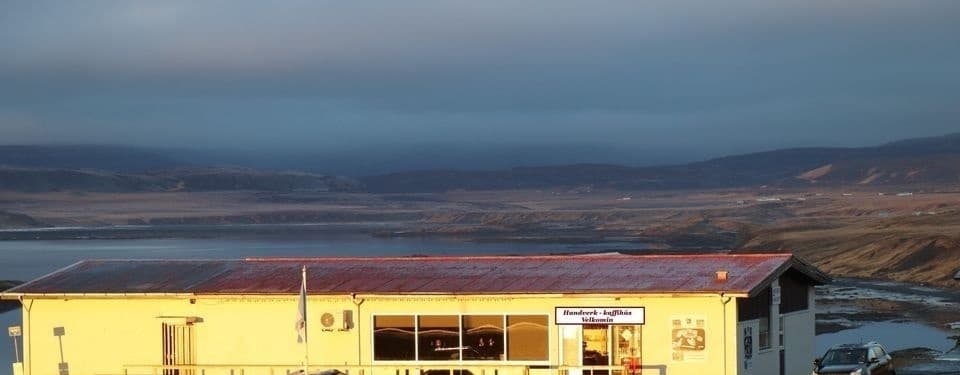
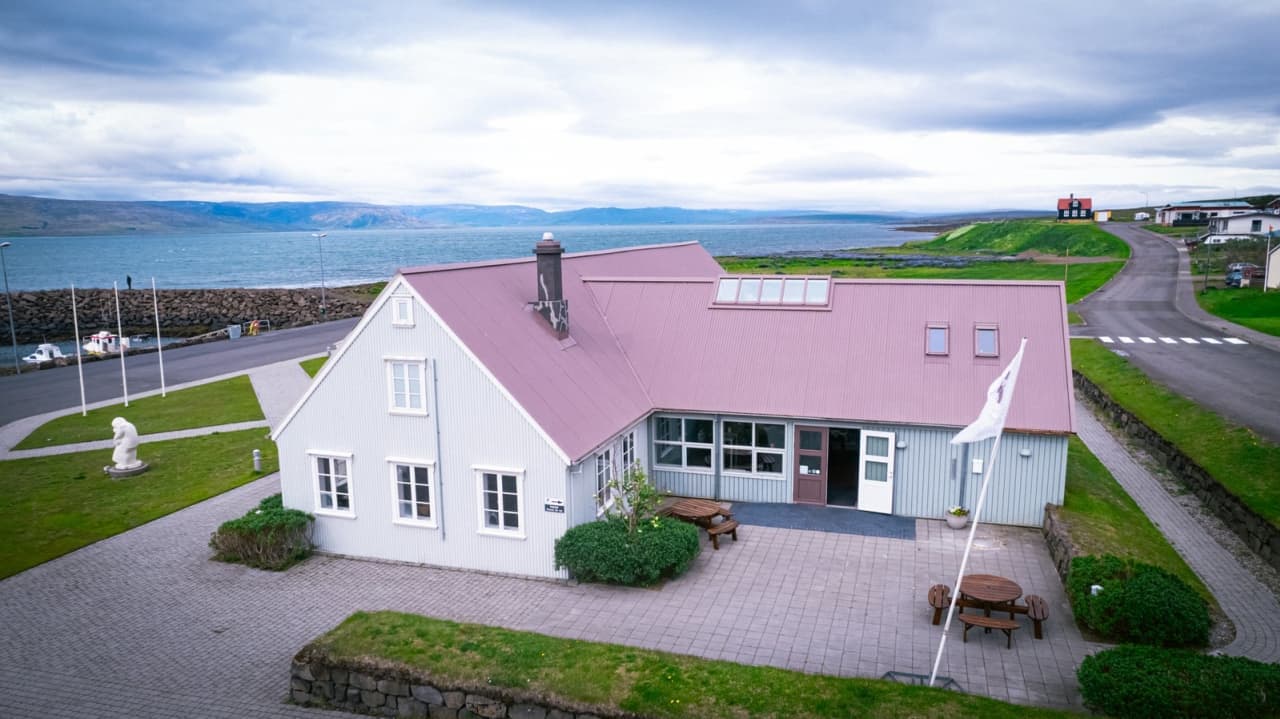
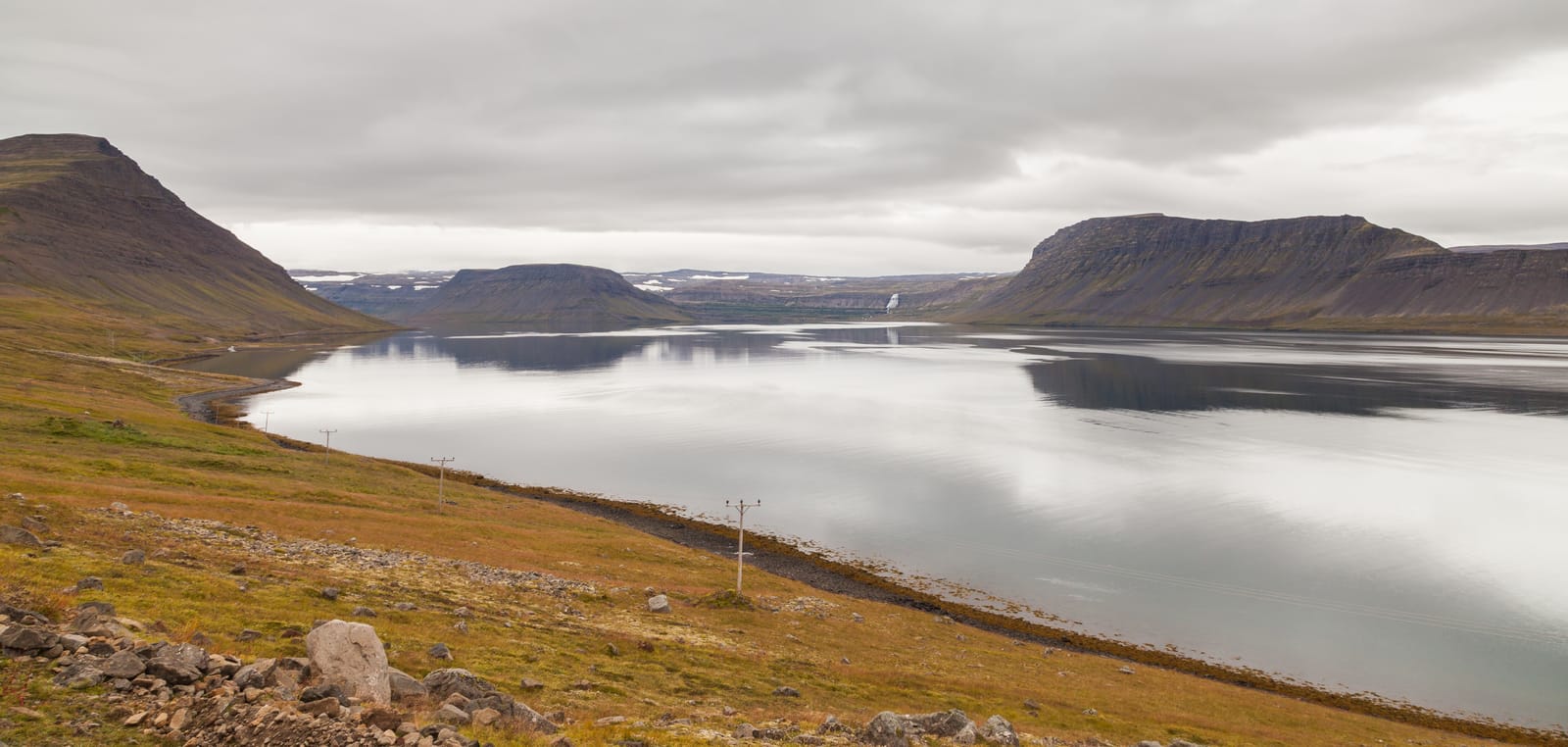
The hub card uses a tighter crop so the Króksfjarðarnes building still reads clearly at smaller sizes.
What is the White-Tailed Eagle Center actually about?
Think of it as a small interpretation stop rather than a destination museum. The center is built around the white-tailed eagle story, but the wider feel is local and practical rather than grand.
Guide sources frame the attraction around the white-tailed eagle, while Reykhólar municipal pages connect the same Króksfjarðarnes operator with handicrafts and a summer café. That combination is the useful expectation to carry into the stop: birdlife context, local making, and a calmer break in the route.
That is also why the page belongs under attractions rather than under a broad birdwatching article. The traveler intent here is still a named place and a named stop, even though the experience is modest.
What will the stop feel like once you arrive?
Small, local, and low-pressure. The best version feels less like entering a major institution and more like stepping out of a long drive into a place that still belongs to the district around it.
Expect the stop to work through scale and contrast. You are trading open-road momentum for a short break where the white-tailed eagle theme gives a reason to slow down and where local craft or café energy can make the pause feel warmer than another anonymous fuel stop.
That local texture is the reason to go. If your group only values dramatic scenery, the center can feel too small. If your group is tiring of nonstop driving and viewpoints, the same modest scale can make it land well.
How much time should you give it, and when should you skip it?
Most travelers should treat The White-Tailed Eagle Center as a short stop. Protect more time only if the group genuinely wants the eagle context and the local stop itself, not because the map says every named sight deserves a long visit.
Use the center as a brief break in the drive, then move on before the day loses route shape.
Stretch the stop only if a calm local museum pause matters more than another scenic roadside halt.
Skip it if the same day still needs Leifsbúð, Guðrúnarlaug, and a long onward drive with little weather or daylight margin.
Skip it if live birdwatching is the only goal; a true wildlife-led day points more naturally toward Látrabjarg.
Which nearby places make this stop more useful?
The best pairings depend on whether Króksfjarðarnes is still a gateway stop or already part of a slower Westfjords day.
Southbound or gateway days pair best with Leifsbúð in Búðardalur or Guðrúnarlaug if you want another short cultural or saga-linked pause before the route commits harder to the northwest.
Northbound days can hand off more naturally to Drangsnes or Bjarnarfjörður in Strandir, where the trip shifts back toward shoreline scenery, hot water, and wider fjord driving. If you are still deciding whether that whole arc belongs in the trip, use the Westfjords guide before adding more stops by reflex.
What should you check before building the stop into the day?
Check local visitor details first, then check the drive. Small local attractions can change their rhythm more than big headline museums, and Króksfjarðarnes often sits inside a longer route day rather than a short local stroll.
Use municipal or local operator context before depending on the center as your indoor break. That matters more here than at a simple viewpoint because the attraction is small and its cultural value depends on it actually fitting the day you are building.
Road and weather checks matter too. If wind, rain, darkness, or a long onward push are already weakening the plan, let Umferðin and the Icelandic Met Office decide whether this stop still helps or whether the cleanest move is to keep driving.
Use for wind, visibility, precipitation, and warnings before the day is locked in.
Common White-Tailed Eagle Center questions
These are the questions most likely to decide whether the stop improves the day or just pads it.
Is The White-Tailed Eagle Center worth a detour on its own?
Usually not. It works best as a short Króksfjarðarnes break that already fits your Westfjords Way route rather than as a standalone reason to drive there.
Is this mainly a birdwatching stop?
No. It is better understood as a small museum and local cultural stop with eagle context, not as a live wildlife-viewing day in the style of Látrabjarg.
Can the stop work in poor weather?
Yes, sometimes that is when it helps most. A small indoor pause can feel more useful on a weather-heavy driving day than another exposed pull-off, but the road and onward route still need checking.
What should I pair with The White-Tailed Eagle Center?
Leifsbúð and Guðrúnarlaug make sense on the gateway side of the route, while Drangsnes and Bjarnarfjörður in Strandir fit better if the day keeps moving north into the Westfjords.