Skrúður is a protected offshore island near Fáskrúðsfjörður in East Iceland, best for travelers who enjoy dramatic coastal views, birdlife, folklore, and route-aware stops rather than casual landing access.
Coast snapshot
Type
Protected island, bird cliffs, cave, and coastal viewing area
Region
Fáskrúðsfjörður in East Iceland
Route context
Best as a southern Eastfjords stop when you already have time around Fáskrúðsfjörður
Typical visit shape
Viewing the island from the fjord, coast, or local context rather than treating it as a normal walk-on attraction
Main payoff
A steep island profile, cliffs, sea birds, folklore, and the feeling of the fjord opening toward the ocean
In this guide
Is Skrúður worth seeking out near Fáskrúðsfjörður?
Yes, when you want a distinctive Eastfjords coastal stop; no, when you expect an easy island visit.
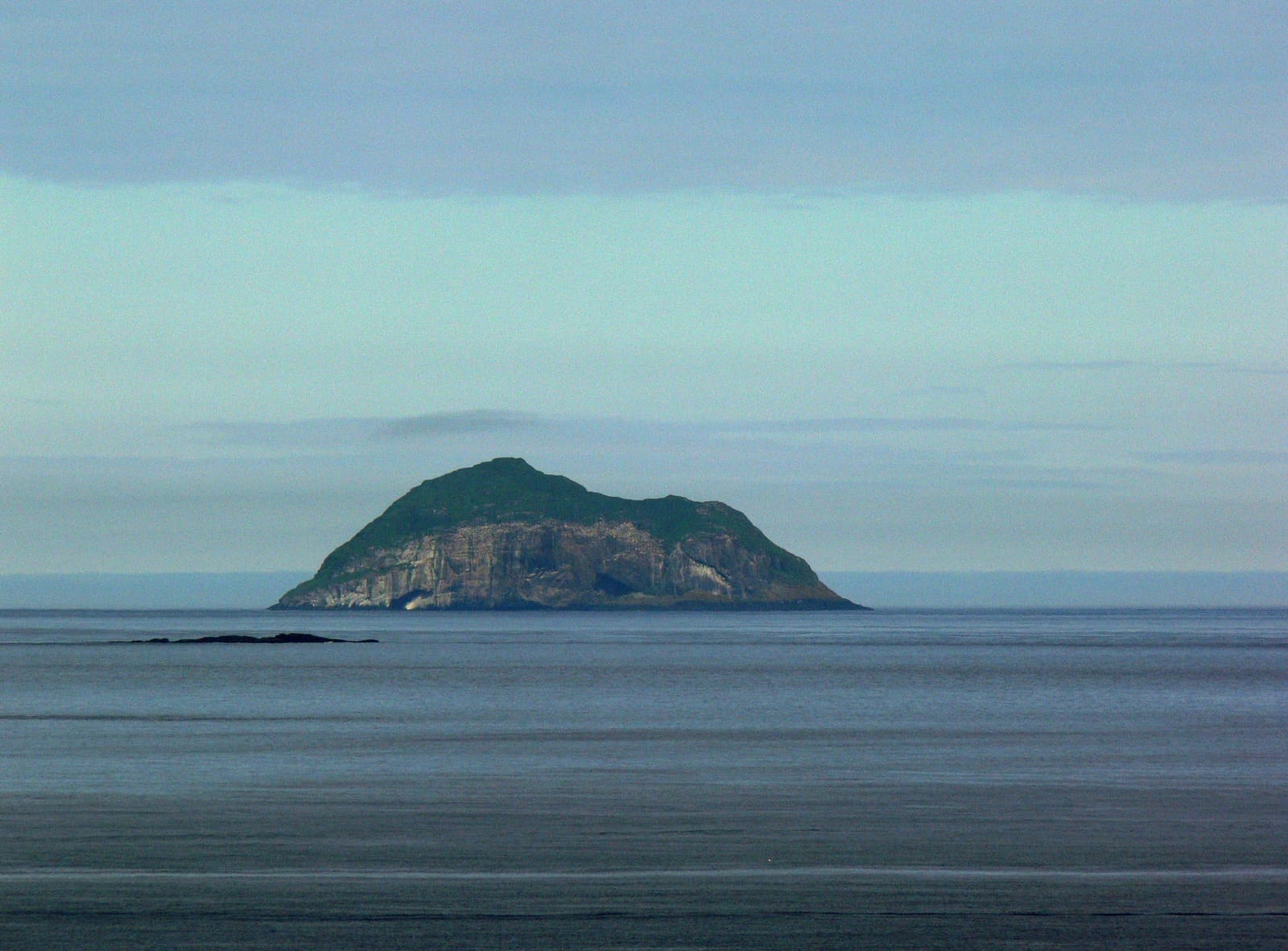
Skrúður is the kind of place that rewards slower travelers. The island rises offshore near Fáskrúðsfjörður, with steep sides, birdlife, a cave, and a strong silhouette where the fjord opens toward the sea.
Go if your East Iceland plan already includes Fáskrúðsfjörður and you like protected coastal places that add character to a fjord day. Skip it if you are driving a long transfer, need a guaranteed activity, or would be disappointed by admiring an island mainly from the coast or fjord.
Add Skrúður as a texture stop on a slow southern Eastfjords day. They would not make it the main reason to stretch a packed Ring Road plan.
What exactly is Skrúður?
Skrúður is a protected island in Fáskrúðsfjörður, known for cliffs, birdlife, a cave, and local stories.
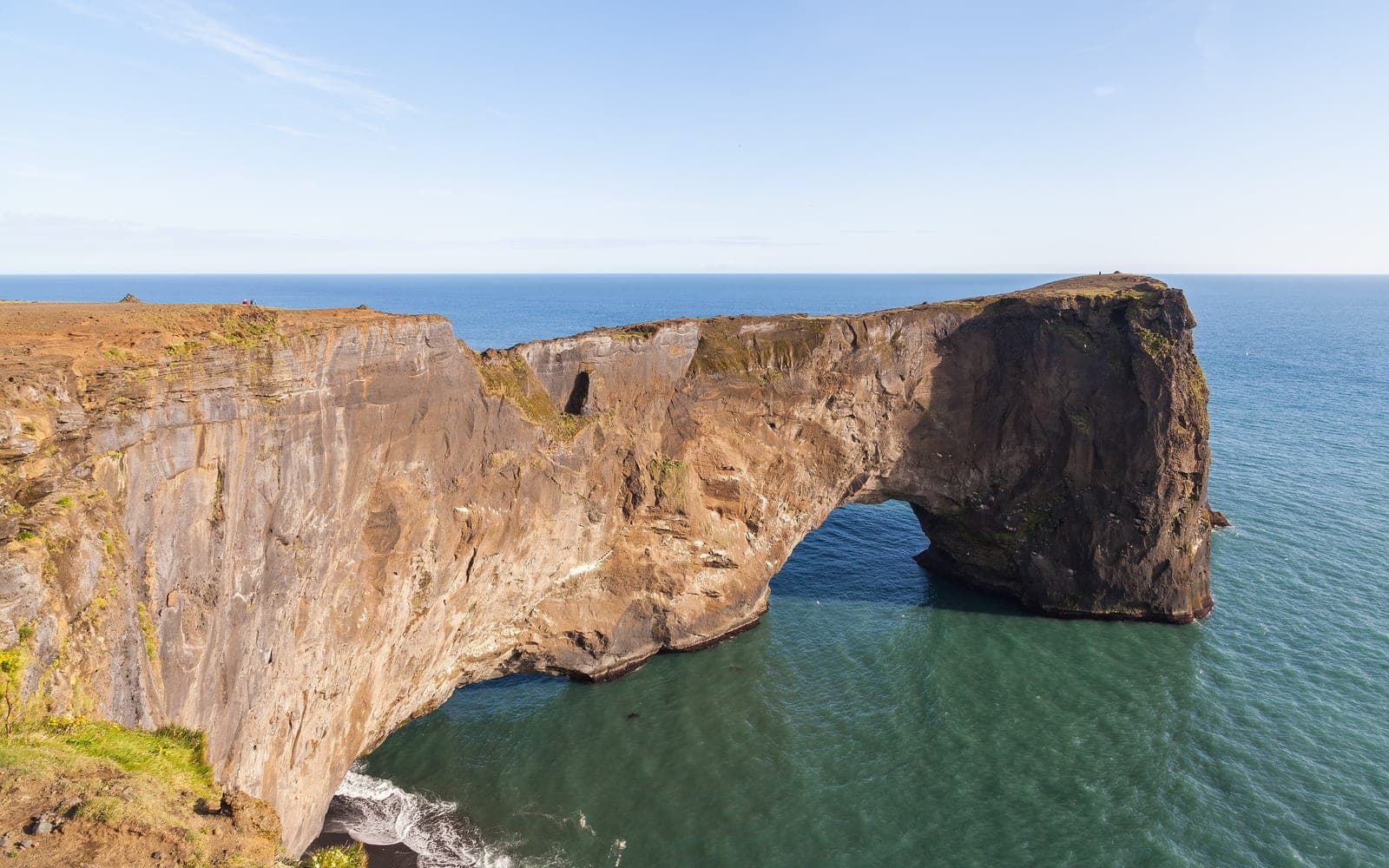
The attraction is not a built viewpoint or a serviced visitor site. It is a rock island with a natural presence: cliffs, sea, nesting birds, and a cave on the eastern side. That makes it more rewarding as part of the fjord landscape than as a checklist stop.
The folklore layer helps explain why travelers notice it. Like many prominent Icelandic coastal landmarks, Skrúður carries stories that make the island feel larger than its physical size. Keep the focus on the real setting first: the protected island, the sea around it, and the way it anchors the view from Fáskrúðsfjörður.
The island's shape and position explain why it stands out even when you are viewing it from a distance.
What do you actually see from the coast and fjord?
The main experience is scale: an isolated island, steep edges, sea movement, and changing Eastfjords light.
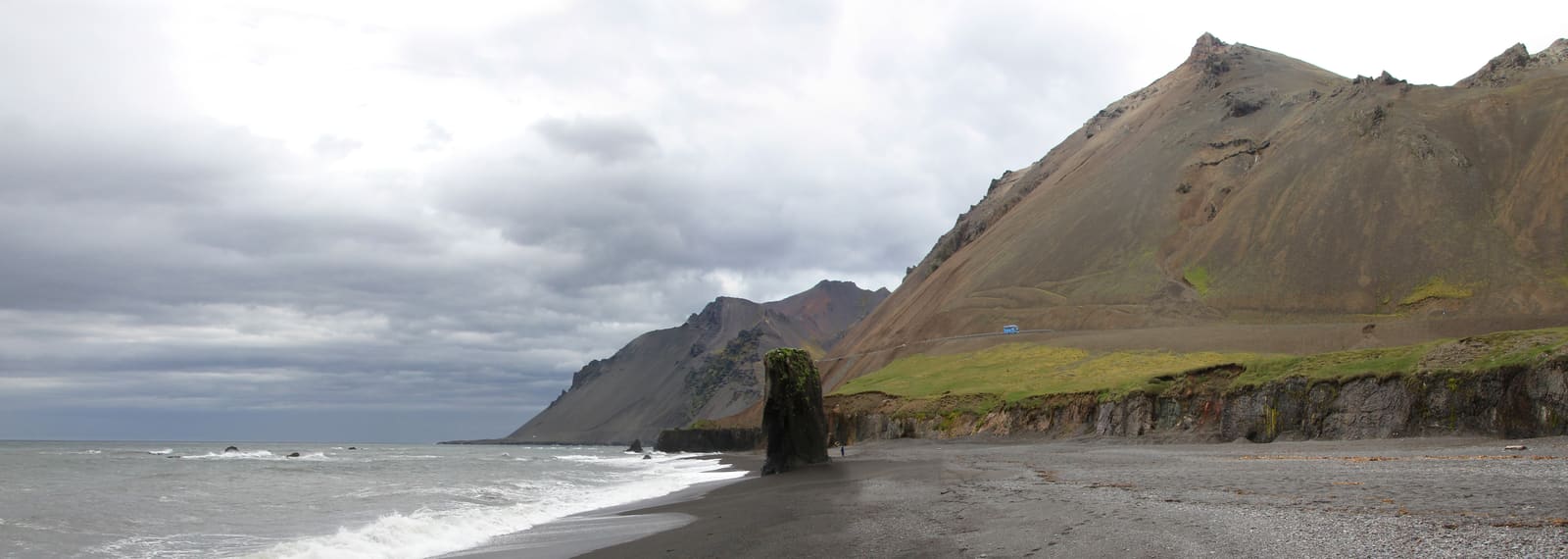
On a clear day, Skrúður works as a strong visual marker at the edge of the fjord. The appeal is not a long list of things to do; it is the moment when the road, settlement, water, and island line up and the fjord feels connected to open sea.
Birdlife adds another reason to care, especially in the warmer months, but it should not be treated like a guaranteed close-up wildlife show. Expect the island to be more about atmosphere, distance, and respect for the protected setting than about collecting a specific sighting.
From the coast and fjord, Skrúður reads as a strong island silhouette more than a conventional attraction site.
Can you land on Skrúður or get close to the birds?
Do not assume it. Treat close access as something to verify through official and local guidance, not as the default visit.
This is the most important planning point. Skrúður is protected and access-sensitive, and regional tourism sources describe the island as difficult to access. That makes it very different from a town viewpoint, museum, or signed waterfall path.
If you are considering anything beyond viewing it from the coast or fjord, check protected-area guidance, local visitor information, weather, sea conditions, and safety advice first. Avoid planning around drones, close bird photography, independent landing, or off-route exploration unless authoritative guidance clearly supports the plan.
Birdlife is part of the appeal, but the right planning frame is respectful distance and protected-area guidance.
Where does Skrúður fit in an Eastfjords route?
Skrúður fits best with a slow Fáskrúðsfjörður day, not as a standalone Ring Road objective.
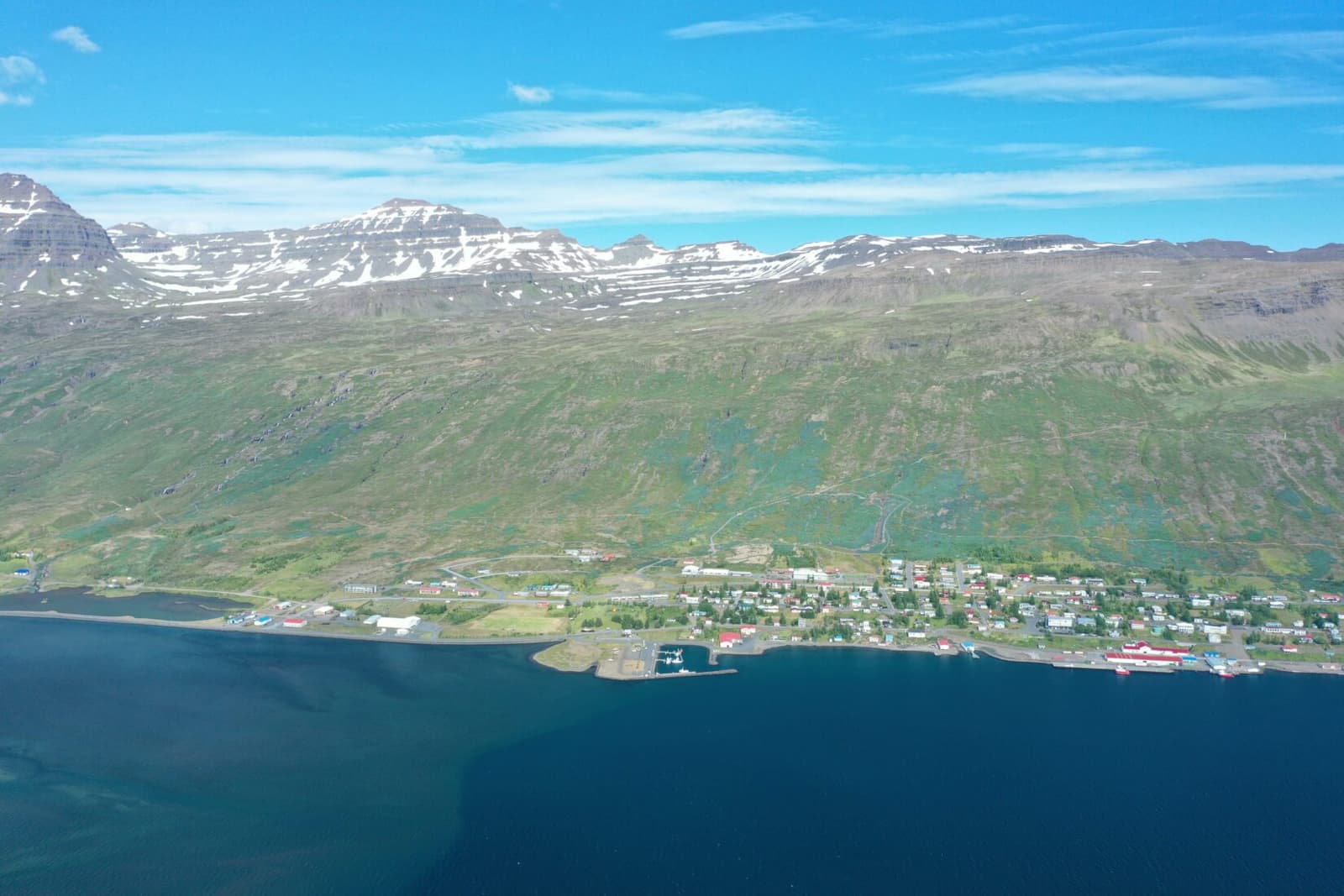
Start with Fáskrúðsfjörður. If you are already using the town as a pause in East Iceland, Skrúður gives the fjord a clear natural focal point and pairs well with the area's French heritage context, harbor views, and coastal driving.
For a broader day, compare the island with nearby Eastfjords choices. Seyðisfjörður gives you a more accessible fjord-town stop, Egilsstaðir works better as a practical base, and the Ring Road vs South Coast comparison helps test whether your trip has enough time for East Iceland at all.
If your route is already stretched, choose a clearer primary stop and keep Skrúður as a scenic layer rather than a fixed obligation. That makes the island more satisfying and keeps the day resilient.
Fáskrúðsfjörður is the practical anchor for deciding whether Skrúður belongs in your Eastfjords day.
What should you check before planning around Skrúður?
Check protected-area guidance, local visitor details, weather, road conditions, and safety sources before making the island central to the day.
The durable advice is simple: decide first whether Skrúður is a route-enhancing view or a close-access plan. For most travelers, the first version is the better fit.
Use protected-area and regional tourism information for access expectations.
Use weather and safety sources before any exposed coastal plan.
Use road-condition checks when driving between Eastfjords towns.
Keep a nearby alternative ready if visibility, wind, or timing makes the island a poor focus.