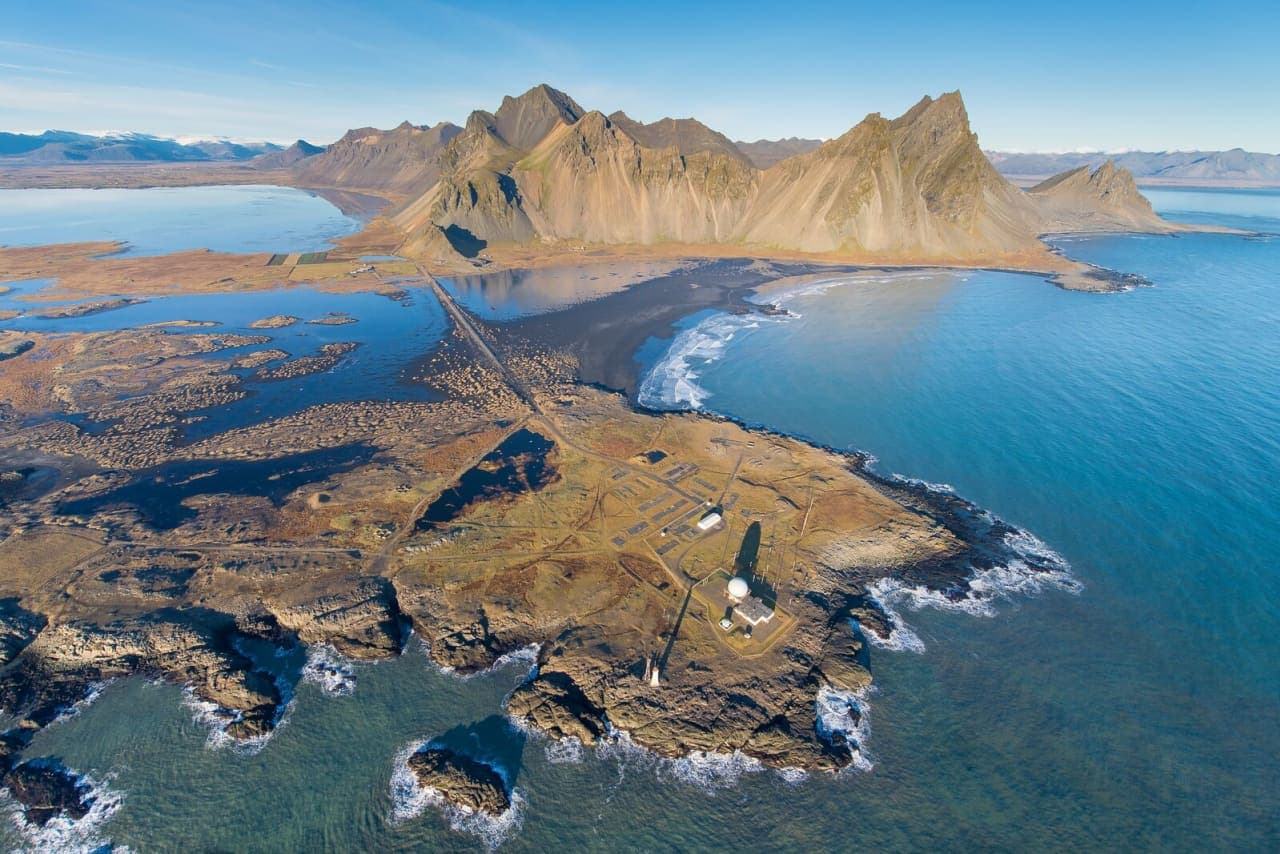
Eystrahorn is a jagged gabbro mountain beside Hvalnes in southeast Iceland, worth adding when a Ring Road day between Höfn and Djúpivogur has clear visibility and enough slack for a short coastal stop.
Coast snapshot
Place type
Jagged gabbro mountain, Hvalnes shoreline viewpoint, and scenic short stop
Region
Southeast edge of East Iceland, between Höfn and Djúpivogur
Route context
Best on Ring Road days that already pass Hvalnes rather than as a dedicated detour
Time to allow
20-45 minutes for a quick look, or 45-90 minutes if you want slow photos and shoreline wandering
Best experience
Clear mountain visibility, manageable wind, and enough slack to stop when the Hvalnes side looks good
In this guide
Is Eystrahorn worth a stop between Höfn and Djúpivogur?
Yes, if the mountain is visible and your Ring Road day has room for one short coastal pause. No, if the stop would force bad timing or you are already asking Stokksnes and Almannaskarðsgöng to do the same job.
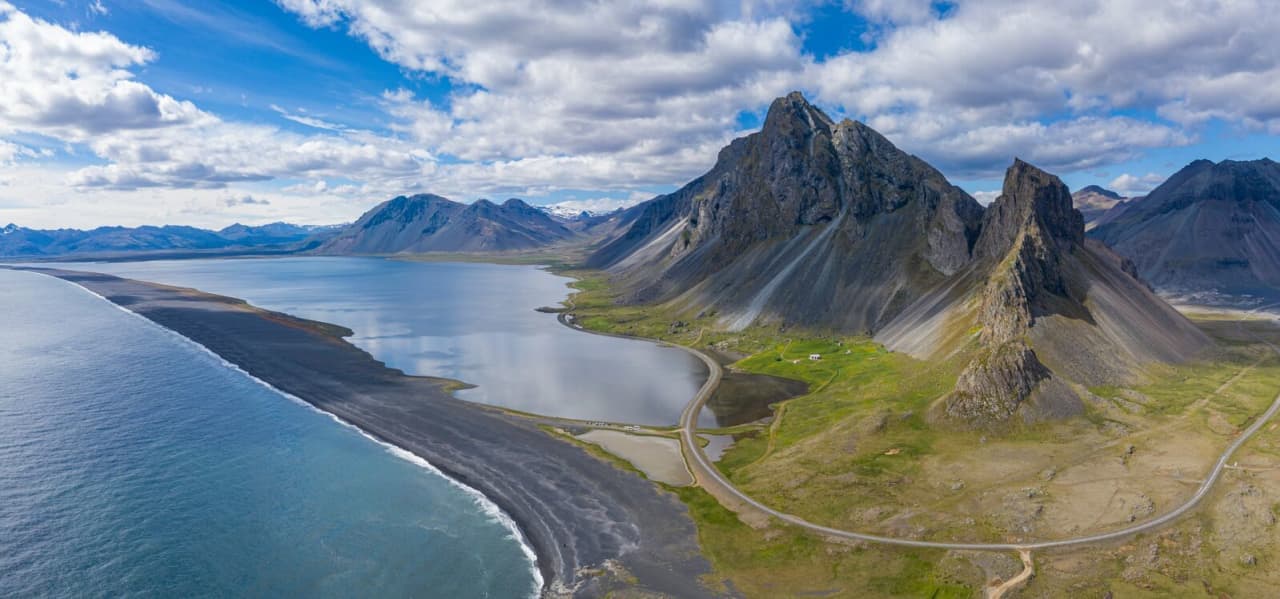
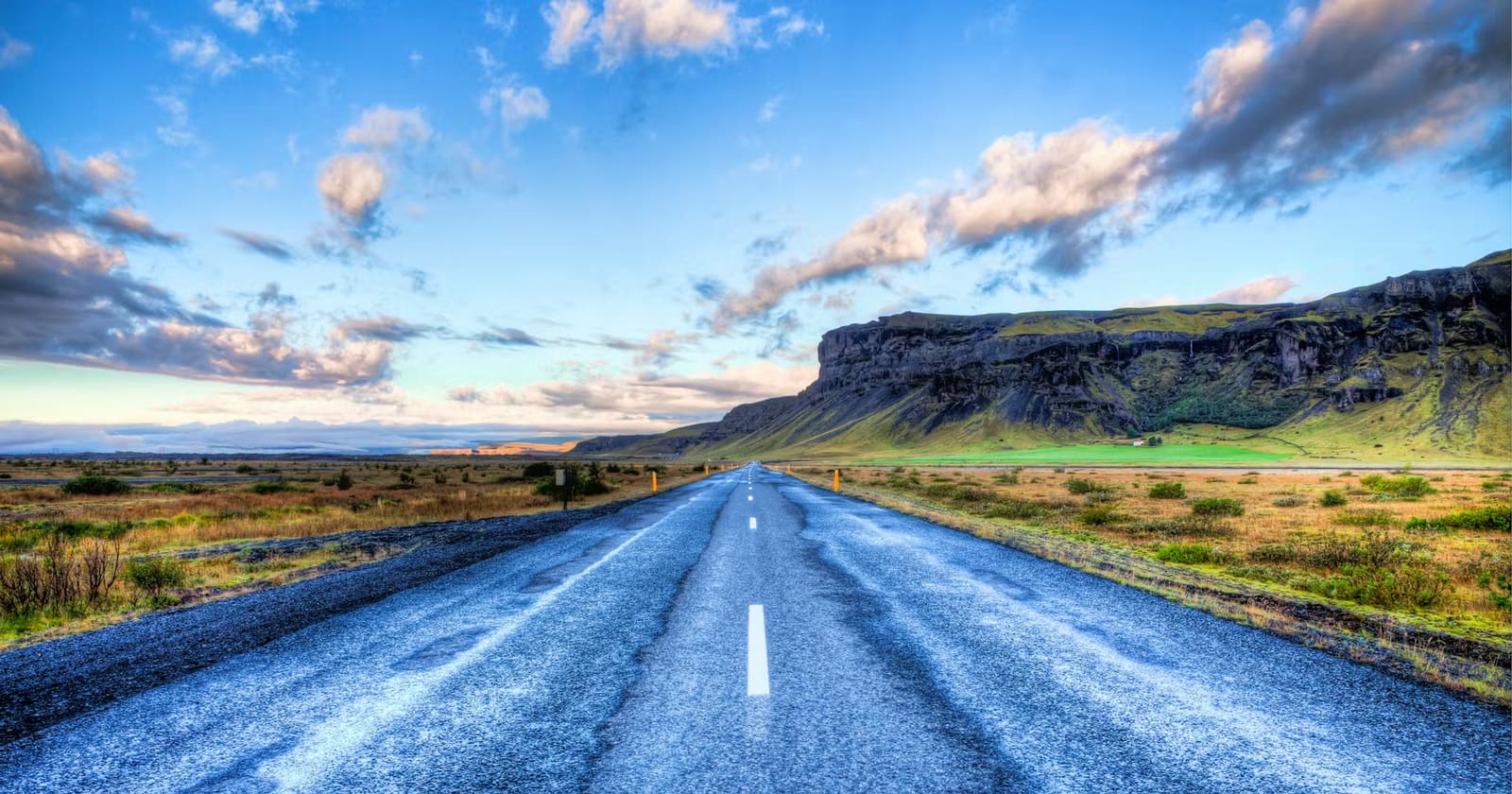
Eystrahorn is the sharp, dark mountain mass that rises beside Hvalnes on the southeast-to-east handoff of Route 1. It is striking because the shoreline, low marshy ground, and steep gabbro slopes make the place feel larger than the stop itself.
Add Eystrahorn when a long day near Höfn needs one quieter mountain stop and the weather is cooperating. Skip it when Stokksnes is already the scenic detour, when Almannaskarðsgöng already gives the brief viewpoint pause, or when the drive needs fewer experiments.
Photo guide
Eystrahorn in photos
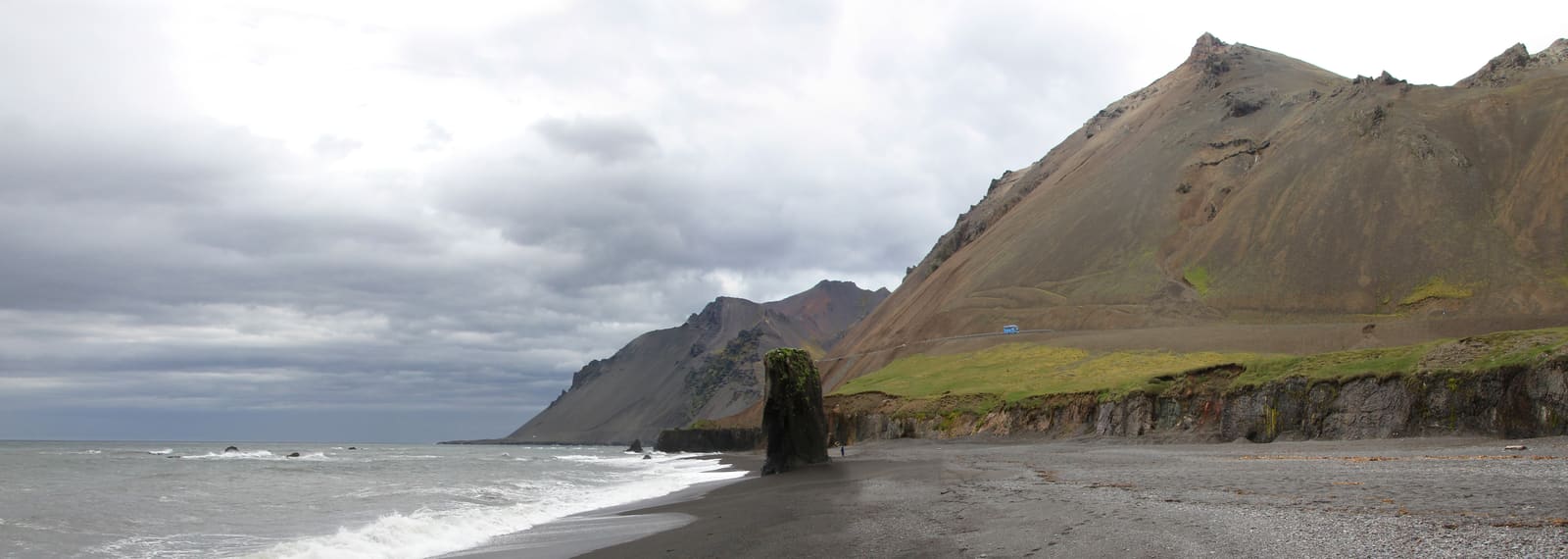
The shoreline view makes Eystrahorn feel more exposed and route-bound than the wider aerials suggest.
What does the Hvalnes stop actually feel like?
It feels exposed, quiet, and a little improvised in the best way. You are not arriving at a heavy attraction complex; you are stepping into a lighthouse-and-shoreline landscape where the mountain, black coast, and changing light carry the whole experience.
After wet weather, small pools near Hvalnes can make the mountain feel calmer and more reflective than the exposed road suggests.
The mountain itself is angular and mineral-heavy rather than soft or green, and that matters. Eystrahorn can look silver, brown, orange, or almost black depending on cloud cover, low sun, and how much moisture is sitting in the ground around it.
Hvalnes adds the human scale. The shoreline, lighthouse side, and small reflective ponds give the stop texture, but they do not turn it into a long checklist. The best version is often just walking a little, looking back, and deciding whether the light is strong enough to stay.
For most travelers, Eystrahorn is a short scenic pause rather than a major schedule block
For most travelers, Eystrahorn is a short scenic pause rather than a major schedule block. The useful question is not how much you can do here, but how much margin the rest of the drive leaves you.
If the mountain is clear on arrival, a focused stop can be satisfying in well under an hour. If you are waiting for cloud to move, photographing reflections, or walking the shore slowly, the stop can stretch closer to ninety minutes without ever feeling like a long attraction.
Keep it to a quick look when the day still has a long run toward Djúpivogur or farther East Iceland.
Slow down when the light is good and the Hvalnes side is clearly doing more than a normal roadside pull-off.
Use Winter Driving in Iceland as the better planning page if road confidence matters more than the mountain itself.
This is also not the place to force a casual climb. The practical visit is the Hvalnes-side viewpoint and shoreline, not trying to turn steep mountain geology into a last-minute hiking plan.
Should you pair Eystrahorn with Höfn, Stokksnes, or Almannaskarðsgöng?
Yes, and the pairing is the whole point. Eystrahorn works best when it sharpens a route that already involves Höfn, Stokksnes, or Almannaskarðsgöng instead of competing with all of them in one overloaded day.
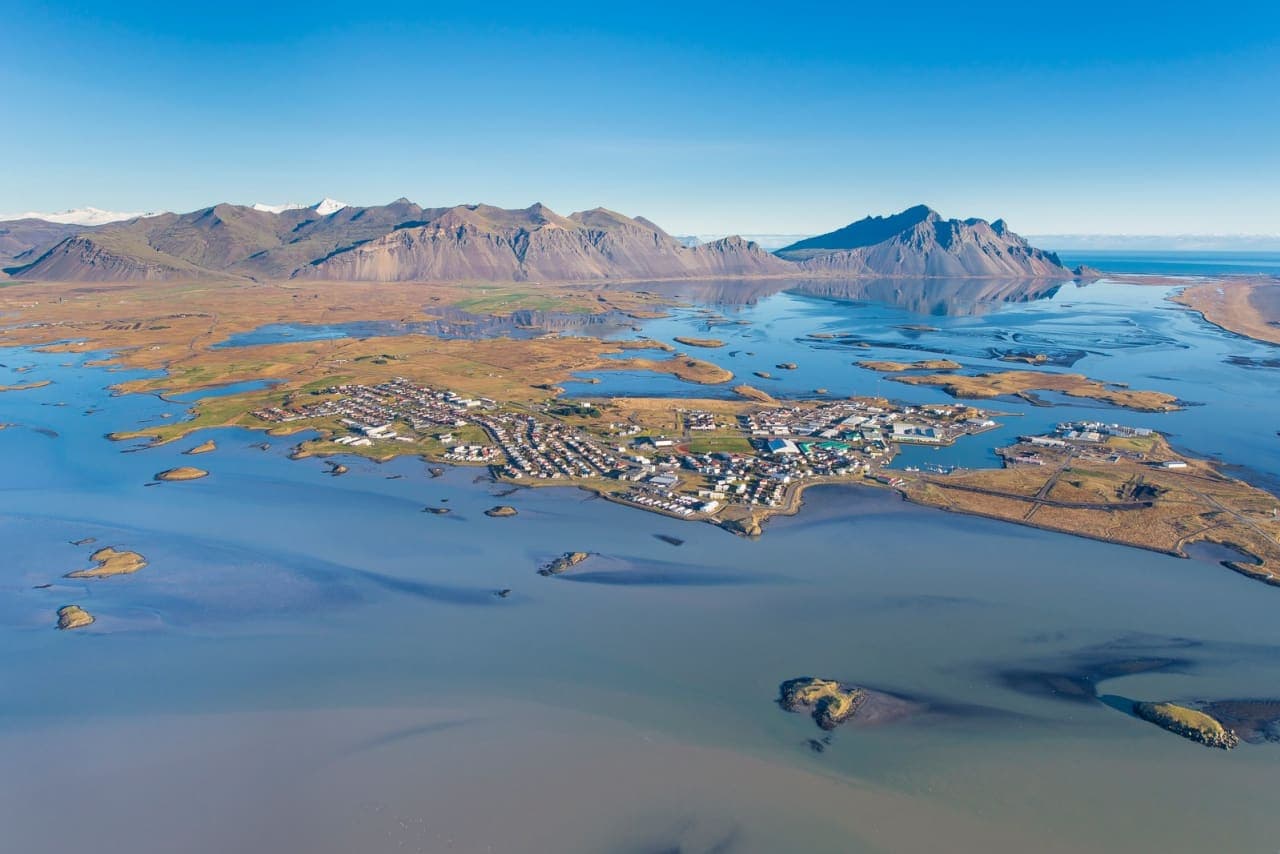
The coastal curve explains why Eystrahorn is strongest as a route-shaping pause rather than a separate destination day.
Use Höfn when you need the practical base that makes a short mountain stop feel easy instead of forced. Use Stokksnes when you want the more famous Vestrahorn-and-black-sand experience. Use Almannaskarðsgöng when the day calls for a brief viewpoint hinge closer to town rather than another exposed shoreline stop.
The planning question is really whether you are still in southeast Iceland mode or already moving into East Iceland. That is why Ring Road vs South Coast matters here: once you are happily spending time at Eystrahorn, you are usually committing to a broader eastbound rhythm rather than just squeezing one more photo stop into a turnaround day.
Simple ways to use Eystrahorn
Plan
Best when
What it pairs with
Quick Hvalnes pause
The mountain is visible and you only need one short coastal stop
Almannaskarðsgöng or a practical stop in Höfn
Photo-led stop
Light, reflections, and shoreline detail are all working for you
A slower night in Höfn or an eastbound East Iceland day
Skip and keep driving
Cloud, wind, or drive pressure already undermine the payoff
Stokksnes if you still want one stronger scenic detour
What should you check before relying on the Hvalnes stop?
Check the road, weather, safety context, and local signs before you build Eystrahorn into a tight day. The stop is simple, but the exposed coast and the longer southeast-to-east drive are not always simple.
Visibility is the first filter. If the mountain is shut in, Eystrahorn quickly drops from memorable stop to unnecessary delay. Wind matters too, because the Hvalnes side feels open and the shoreline is more enjoyable when you are not fighting the weather.
If any of those checks make the stop look weak, use Höfn as the calmer fallback, keep moving into East Iceland, or save the scenic energy for Stokksnes on a better window.
Eystrahorn FAQ
These are the questions that usually decide whether Eystrahorn belongs in the day or stays a name you drive past.
Is Eystrahorn worth stopping for if I am already visiting Stokksnes?
Yes, but only if you still want a quieter second mountain stop. Stokksnes has the stronger destination feel, while Eystrahorn is the shorter Hvalnes-side pause.
Can you climb Eystrahorn as a casual stop?
No, this should not be treated as a casual summit stop. The practical visit is the Hvalnes viewpoint and shoreline rather than trying to force a steep mountain ascent into a roadside day.
How long should I allow at Eystrahorn?
Allow about 20 to 45 minutes for a normal stop. Stretch it toward 90 minutes only if visibility, light, and your route margin all make a slower photo stop worthwhile.
What should I check before I rely on Eystrahorn as a stop?
Check official road conditions, weather, safety guidance, and local signs first. If the coastal weather or the longer drive looks weak, treat the stop as optional.